
Not sure what to wear to a wedding? Wedding guest dress etiquette becomes much easier when you understand a few practical rules about dress codes, venue, timing, colors, fabrics, and overall presentation.
The right wedding guest outfit should feel polished while respecting the couple, the setting, and the level of formality requested on the invitation. A black-tie evening wedding requires a very different approach from a casual daytime ceremony, a garden celebration, or a beach reception.
You also don’t need an overly complicated outfit to look elegant. The best approach is to start with the invitation, understand the dress code, consider the venue and season, and then choose a dress and accessories that work together.
Below are 21 wedding guest dress etiquette rules that can help you avoid common mistakes and build an outfit that feels appropriate, comfortable, and confidently put together.
1. Read the Invitation First
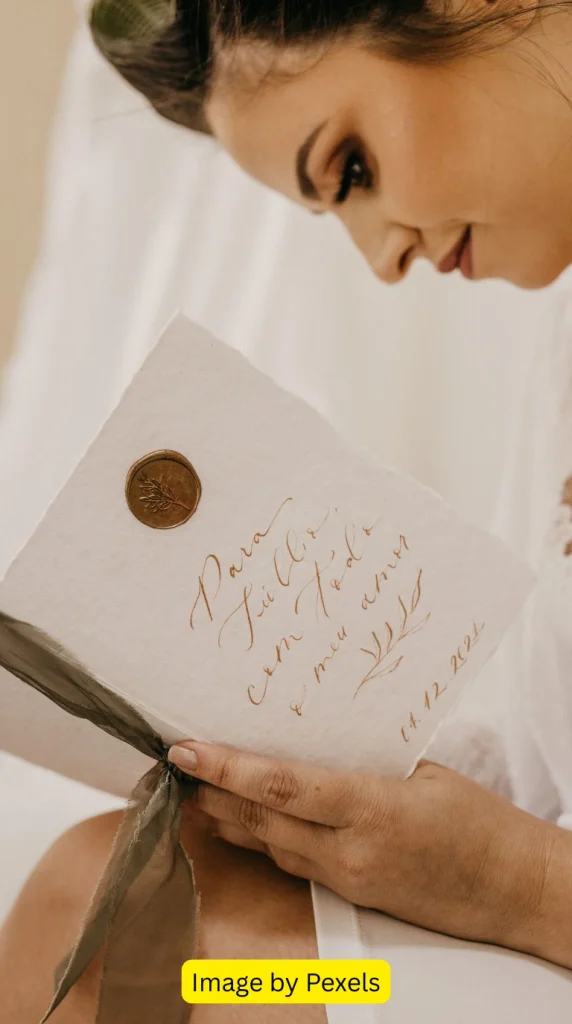
The invitation should always be your first source of information when choosing wedding attire.
Look for wording such as:
- Black tie
- Formal
- Cocktail
- Semi-formal
- Dressy casual
- Garden attire
- Beach formal
- Specific color requests
Don’t assume that every wedding requires the same level of dressing. The invitation provides the clearest indication of what the couple expects from their guests.
If no formal dress code is listed, consider the venue, time of day, and overall wording of the invitation before deciding what to wear.
2. Follow the Stated Dress Code
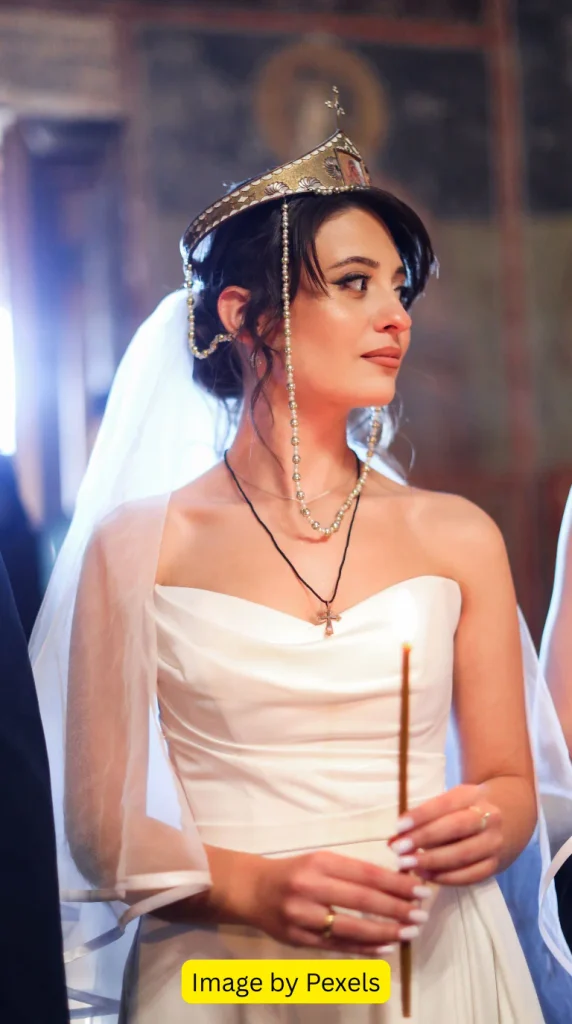
If the couple specifies a dress code, follow it rather than choosing an outfit based only on personal preference.
For example, a black-tie wedding generally calls for sophisticated formalwear, while a cocktail wedding provides more flexibility with shorter and midi-length dresses.
A useful starting point is:
| Dress Code | Appropriate Guest Dress |
|---|---|
| Black Tie | Floor-length gown or elegant formal dress |
| Formal | Long dress or polished formal midi |
| Cocktail | Dressy cocktail or midi dress |
| Semi-Formal | Refined midi or knee-length dress |
| Dressy Casual | Polished but less formal dress |
| Beach/Garden | Lightweight dress suited to the setting |
When the dress code is clear, it should take priority over current fashion trends.
3. Consider the Time of Day
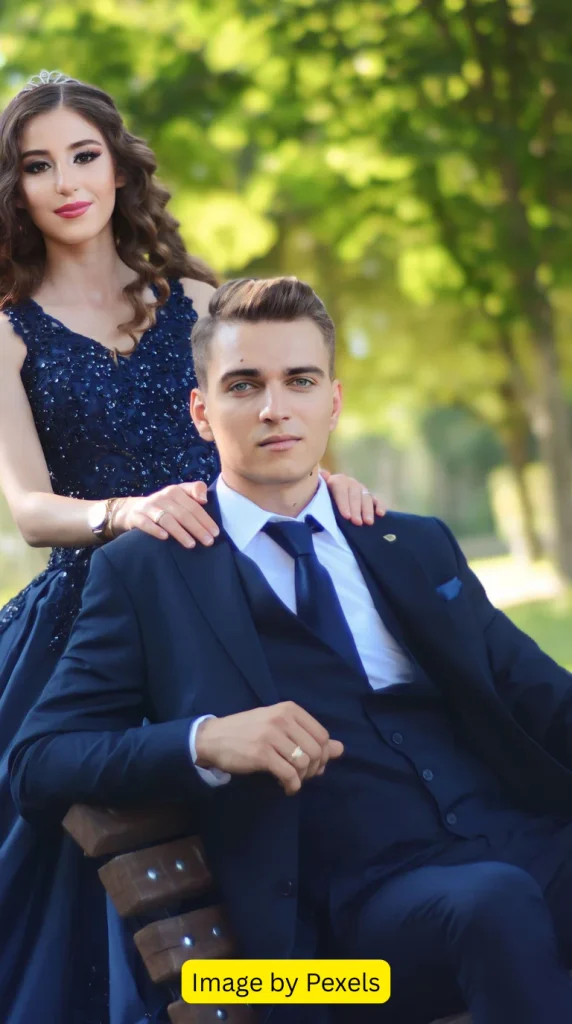
The same dress can look completely different depending on when the wedding takes place.
Daytime weddings generally work well with:
- Lighter fabrics
- Softer colors
- Floral patterns
- Midi dresses
- Less dramatic accessories
Evening celebrations allow more room for:
- Satin
- Velvet
- Darker colors
- Metallic accessories
- Formal maxi dresses
- More polished evening styling
This doesn’t mean daytime weddings cannot be elegant or evening weddings must always be dark. The goal is to match the overall level of formality to the event.
4. Dress for the Venue
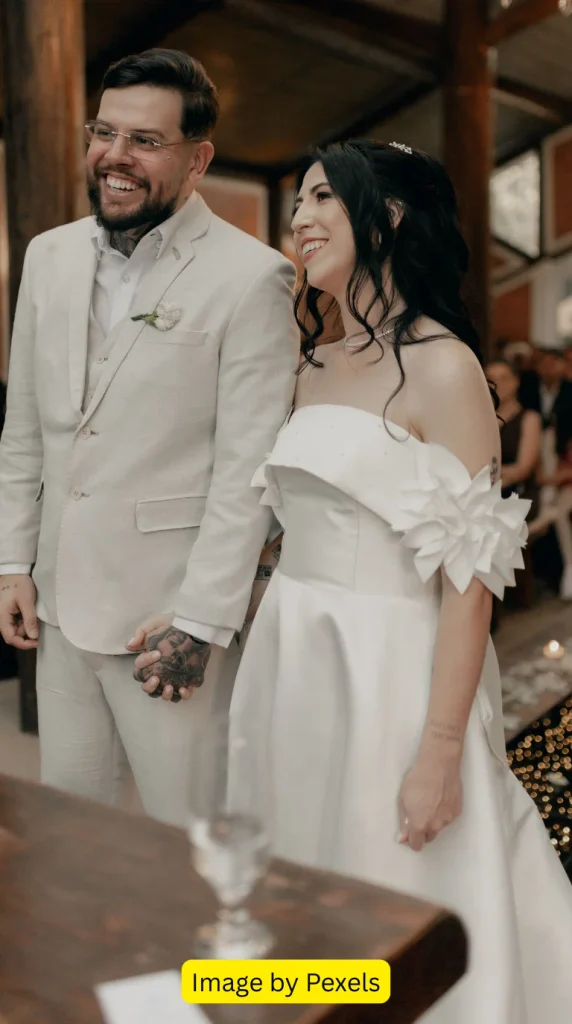
The venue provides important clues about appropriate wedding guest attire.
A ballroom reception may call for a sophisticated formal dress, while a garden wedding may be better suited to a flowing dress and practical footwear.
Consider:
- Indoor versus outdoor setting
- Flooring and terrain
- Weather
- Venue formality
- Ceremony and reception locations
For example, thin stilettos may be beautiful but inconvenient on grass. A dress that works perfectly in an air-conditioned ballroom may also be uncomfortable at an outdoor summer ceremony.
Good wedding guest etiquette includes considering both appearance and practicality.
5. Respect the Couple’s Requests
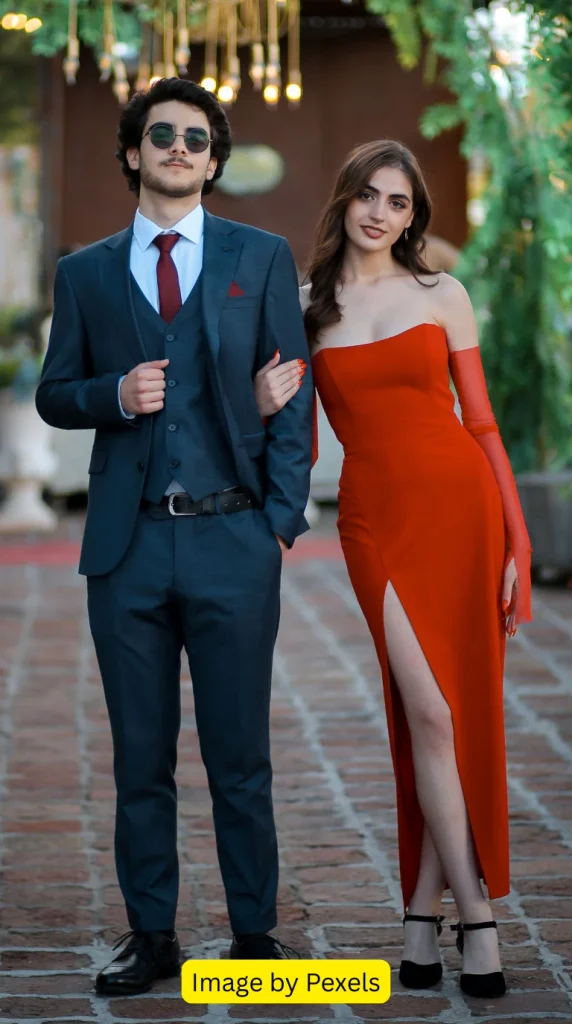
Some couples provide specific instructions about colors, dress styles, or cultural expectations.
If the invitation asks guests to follow a particular color palette or avoid certain colors, respect that request whenever reasonably possible.
Wedding attire is ultimately about participating in someone else’s celebration. Personal style still matters, but it should work within the guidelines provided by the couple.
6. Avoid Wearing White Unless Requested
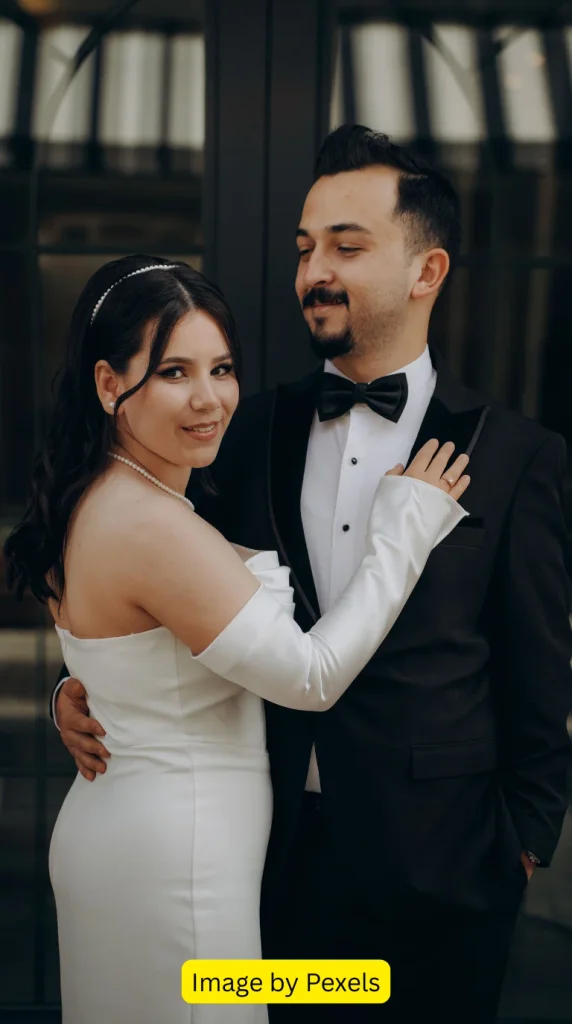
One of the most widely recognized wedding guest etiquette rules is to avoid wearing white when it could be mistaken for bridal attire.
This can include:
- Bright white dresses
- Bridal-style ivory gowns
- White floor-length dresses
- Dresses heavily resembling traditional bridalwear
There can be exceptions when the couple specifically requests an all-white dress code or indicates that white is acceptable.
When there is uncertainty, choosing another color is usually the simplest solution.
7. Think Carefully About Black
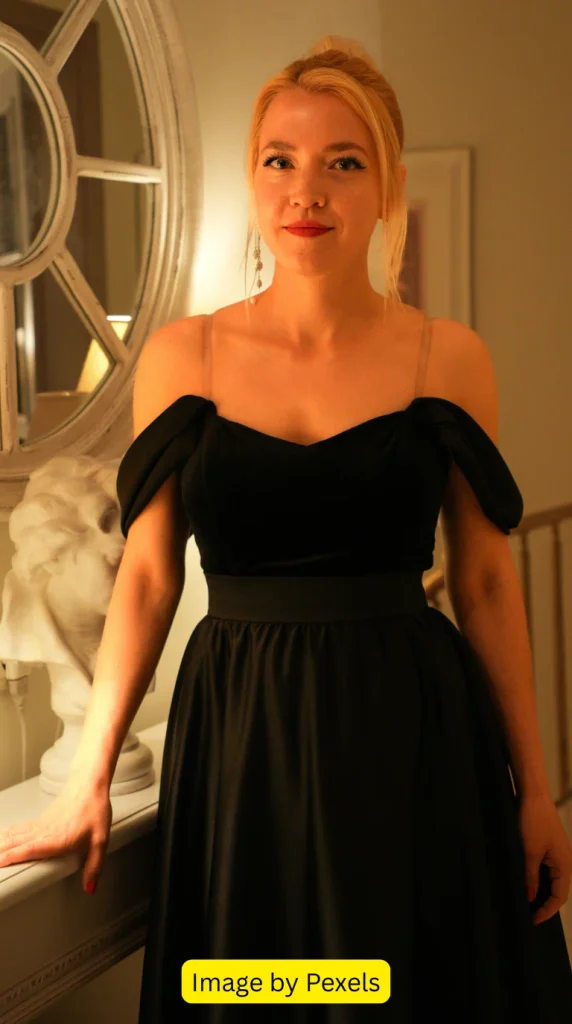
Black can be appropriate for many weddings, particularly formal and evening celebrations, but the context matters.
Before choosing an all-black outfit, consider:
- The wedding’s dress code
- Time of day
- Venue
- Cultural expectations
- Any instructions from the couple
For a formal evening wedding, an elegant black dress can be an excellent choice. For a relaxed daytime celebration, a lighter color or print may feel more naturally suited to the setting.
The important point is that black itself is not automatically inappropriate.
8. Choose an Appropriate Hemline
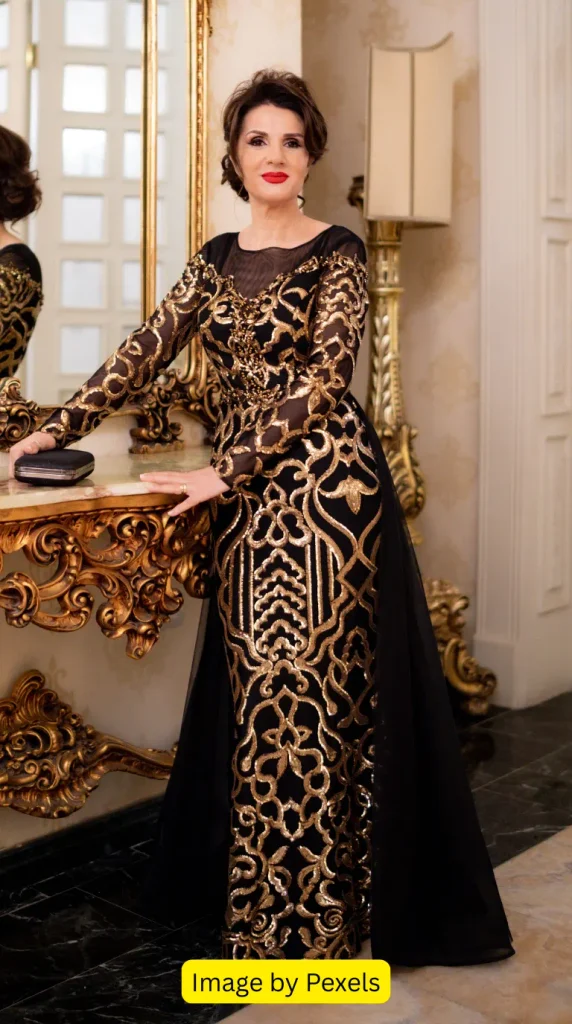
Dress length should reflect the formality and setting of the wedding.
Floor-length gowns generally suit formal and black-tie events. Midi dresses are versatile for cocktail, semi-formal, and many daytime weddings.
Consider the complete outfit rather than relying on a single rule about hemline length.
A short dress can look sophisticated when the silhouette and fabric are refined, while a long dress can still feel too casual if it is made from an everyday material.
9. Select Fabrics for the Occasion
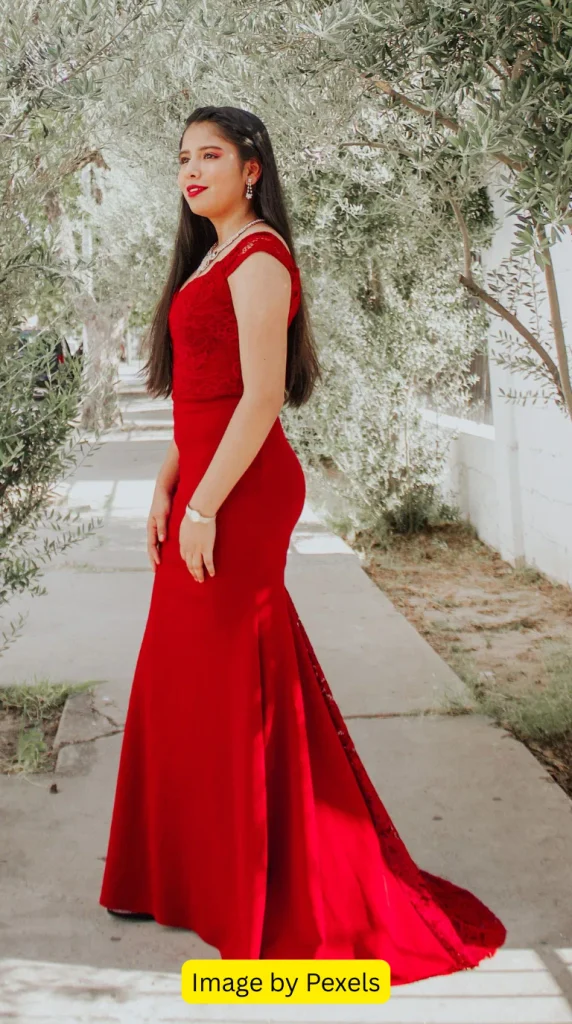
Fabric strongly influences how formal a dress looks.
For elegant evening weddings, consider:
- Satin
- Velvet
- Crepe
- Chiffon
- Lace
- Silk or silk-like fabrics
For warm outdoor celebrations, lightweight materials may be more comfortable.
The best fabric depends on both the dress code and the weather. A beautiful fabric that leaves you uncomfortable for several hours isn’t necessarily the best wedding guest choice.
10. Keep the Outfit Wedding Appropriate
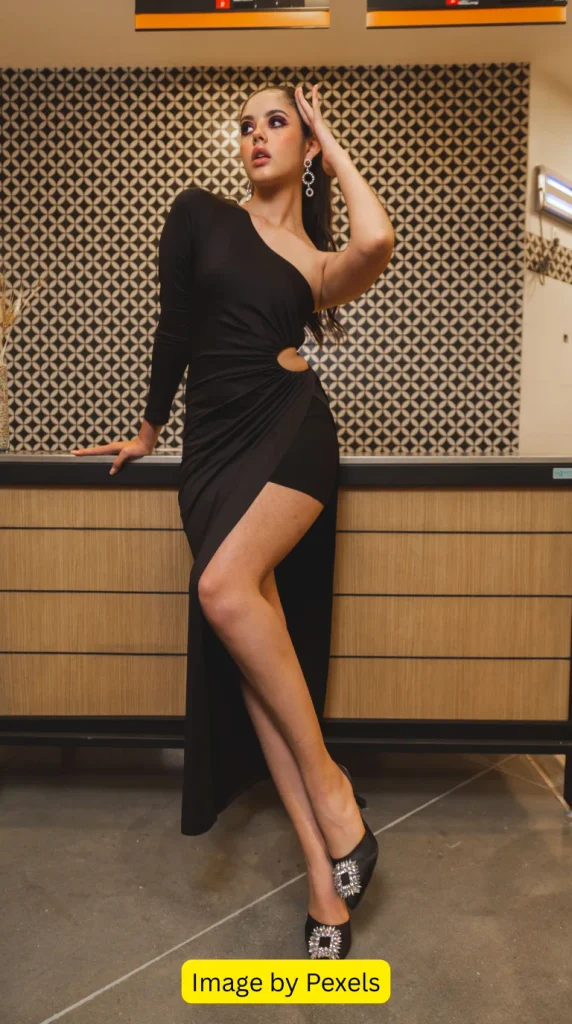
A wedding is different from a nightclub, vacation party, or ordinary night out.
That doesn’t mean your outfit needs to be conservative or boring. It simply means the overall look should suit a celebration where family members, friends, and different generations may be present.
Be cautious with:
- Extremely revealing cutouts
- Very sheer panels
- Extremely short hemlines
- Excessively casual clothing
- Clubwear-inspired designs
- Anything that makes movement difficult
Elegant styling can still be modern, fashionable, and expressive.
11. Balance Statement Details
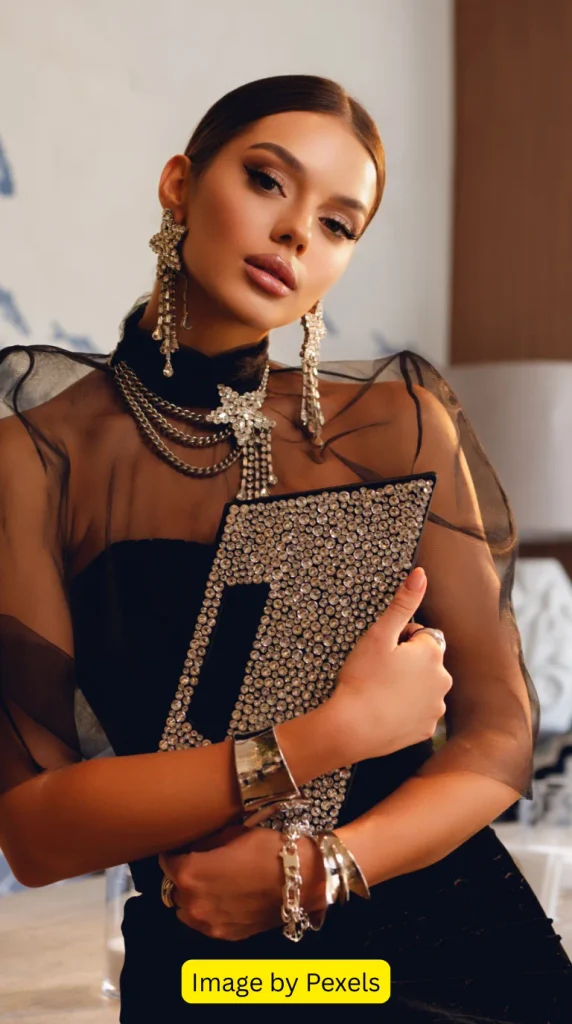
A statement dress doesn’t need several competing statement accessories.
If your dress already features:
- Dramatic sleeves
- Heavy embellishment
- Sequins
- A bold neckline
- Strong prints
- Metallic details
consider keeping the jewelry and handbag relatively simple.
Likewise, if you’re wearing a minimalist dress, a statement earring or elegant clutch can add visual interest.
The goal is balance rather than adding as many details as possible.
12. Choose Shoes for the Venue
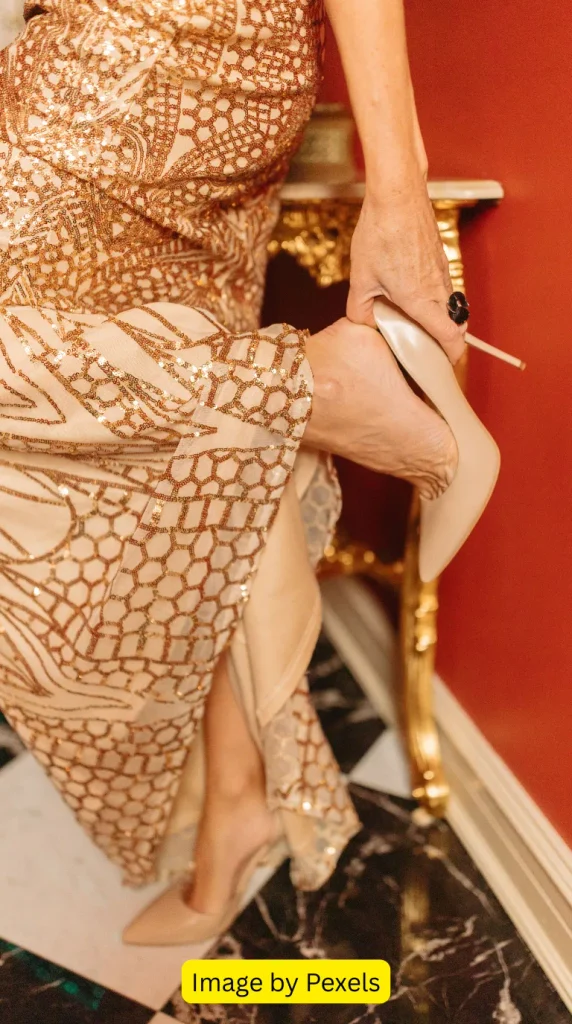
Beautiful shoes are important, but wedding guest etiquette also means choosing footwear you can realistically wear throughout the event.
Consider:
- Walking distance
- Grass or uneven ground
- Weather
- Ceremony location
- Dancing
- Length of the event
Block heels can be practical for outdoor weddings, while elegant stilettos may work better at an indoor formal reception.
If you love a particular pair of shoes but know they become uncomfortable quickly, consider bringing a polished backup option.
13. Dress for the Weather
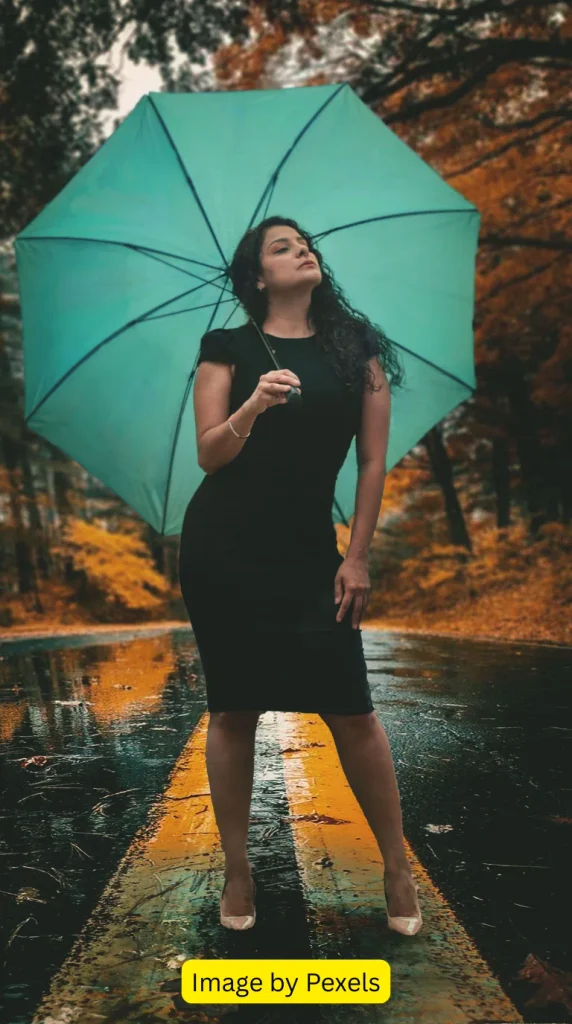
Weather should influence both your dress and your accessories.
For summer weddings, lightweight fabrics and breathable construction can help keep you comfortable.
For fall and winter celebrations, consider:
- Velvet
- Long sleeves
- Heavier satin
- Elegant wraps
- Formal coats
- Closed-toe shoes
For unpredictable weather, a coordinated layer can protect your outfit without making the overall look feel unfinished.
Comfort is part of polished styling because constantly adjusting an uncomfortable outfit can distract from the celebration.
14. Consider Cultural and Religious Expectations
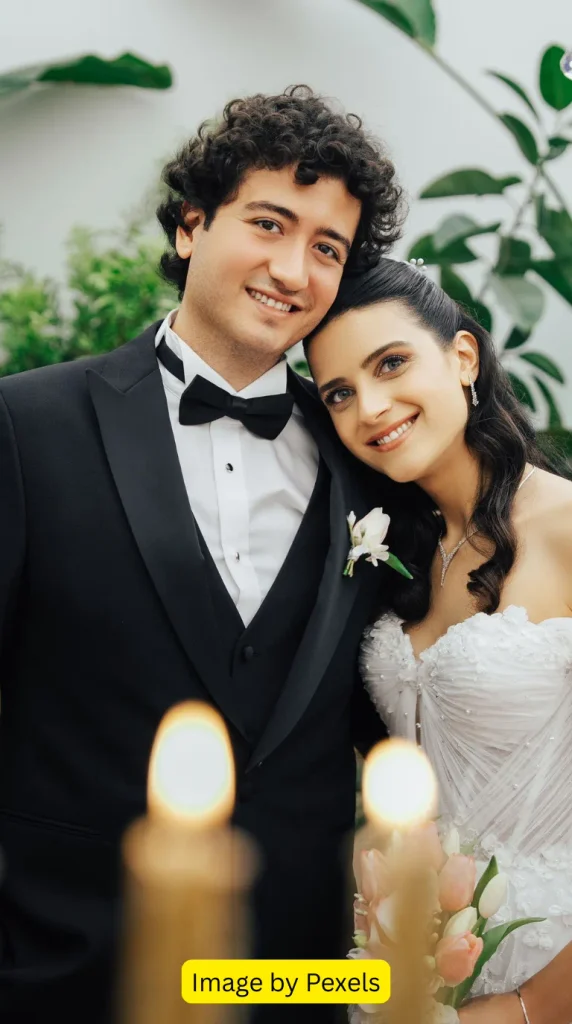
Wedding traditions vary significantly.
Some ceremonies may have specific expectations about:
- Shoulder coverage
- Dress length
- Necklines
- Head coverings
- Color
- Religious settings
- Modesty
If you’re attending a wedding connected to cultural or religious traditions you’re unfamiliar with, check the invitation or ask someone close to the couple if you’re uncertain.
Respecting those expectations is more important than following a general fashion rule.
15. Don’t Outshine the Couple
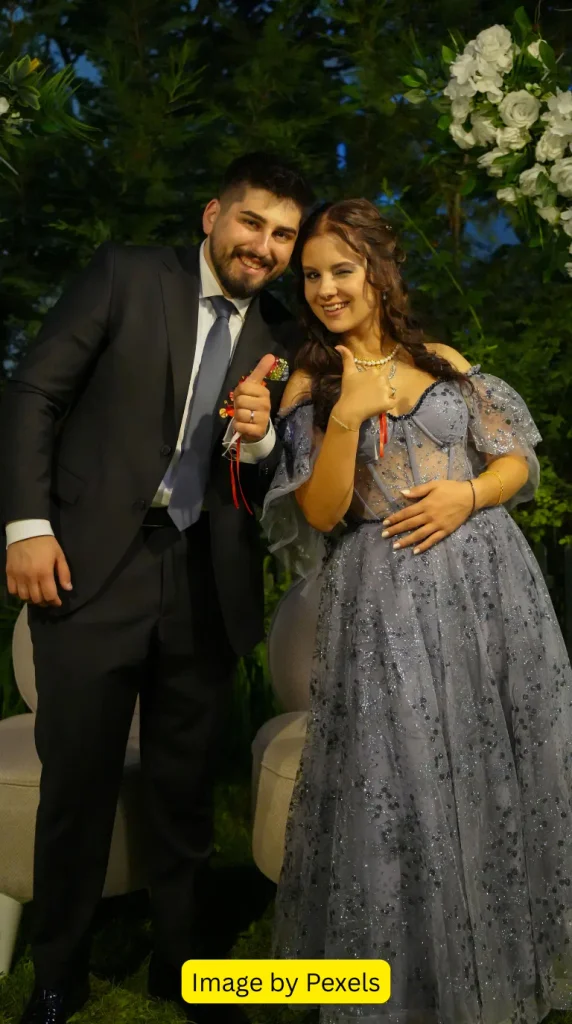
Wedding guest etiquette isn’t about disappearing into the background, but your outfit should remain appropriate for a guest.
Be especially mindful of:
- Extremely dramatic trains
- Bridal-style gowns
- Excessive embellishment
- Head-to-toe sequins when the event doesn’t call for them
- Designs that strongly resemble bridalwear
You can absolutely look glamorous while still allowing the couple to remain the visual focus of their celebration.
16. Match Your Accessories to the Dress Code
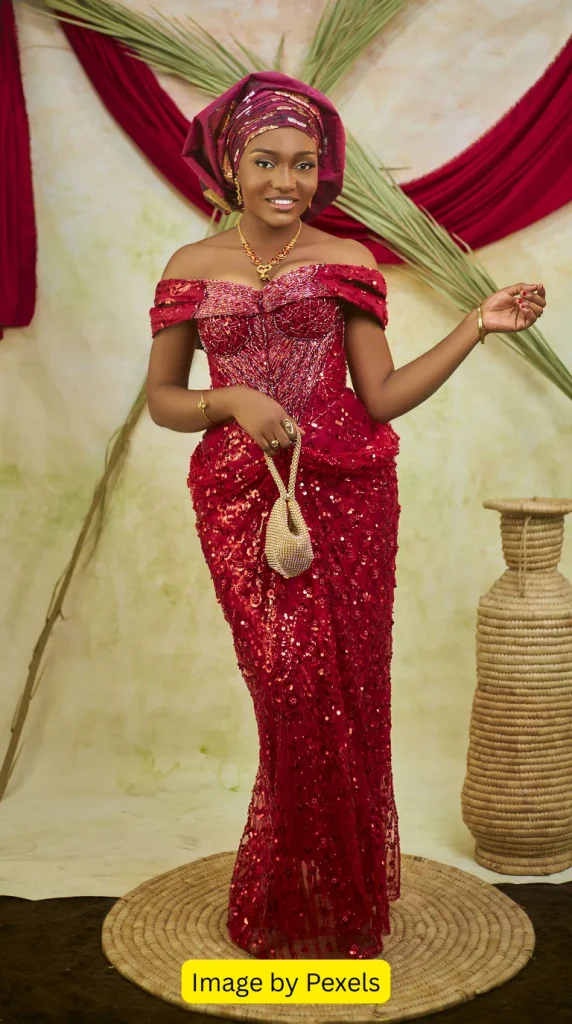
Accessories should support the formality of the dress.
For formal weddings, consider:
- Elegant clutch bags
- Metallic jewelry
- Refined earrings
- Polished heels
- Delicate bracelets
- Evening wraps
For more relaxed weddings, simpler accessories may be more appropriate.
Avoid pairing an extremely formal gown with casual accessories unless the styling is intentionally designed that way.
17. Think About Ceremony Etiquette
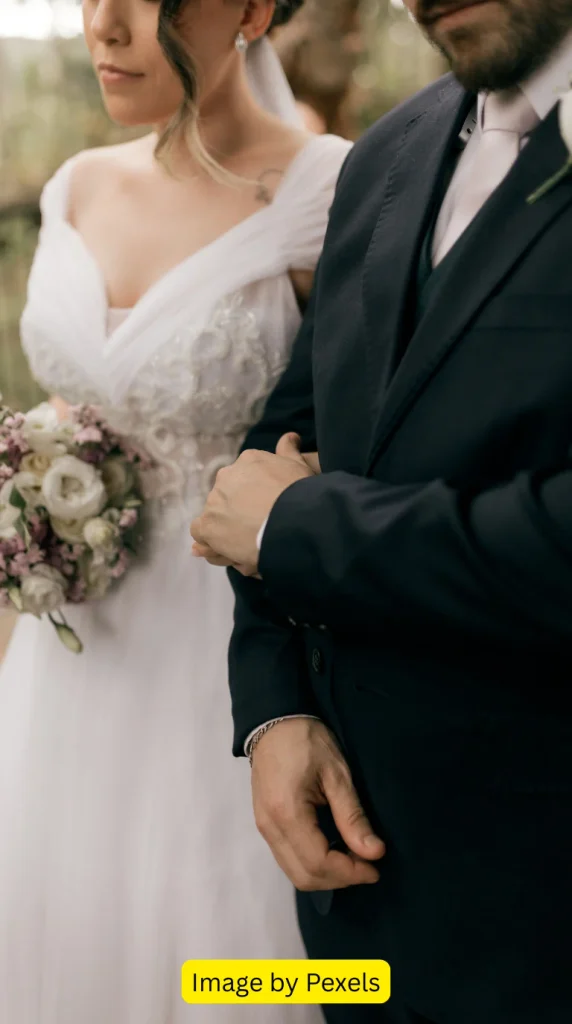
Your outfit needs to work for the ceremony as well as the reception.
If the ceremony takes place in a religious venue, consider whether additional coverage is appropriate.
A stylish wrap, shawl, jacket, or dress with sleeves can provide flexibility when moving between different parts of the celebration.
This is especially useful when the ceremony has more conservative expectations than the reception.
18. Prioritize a Good Fit
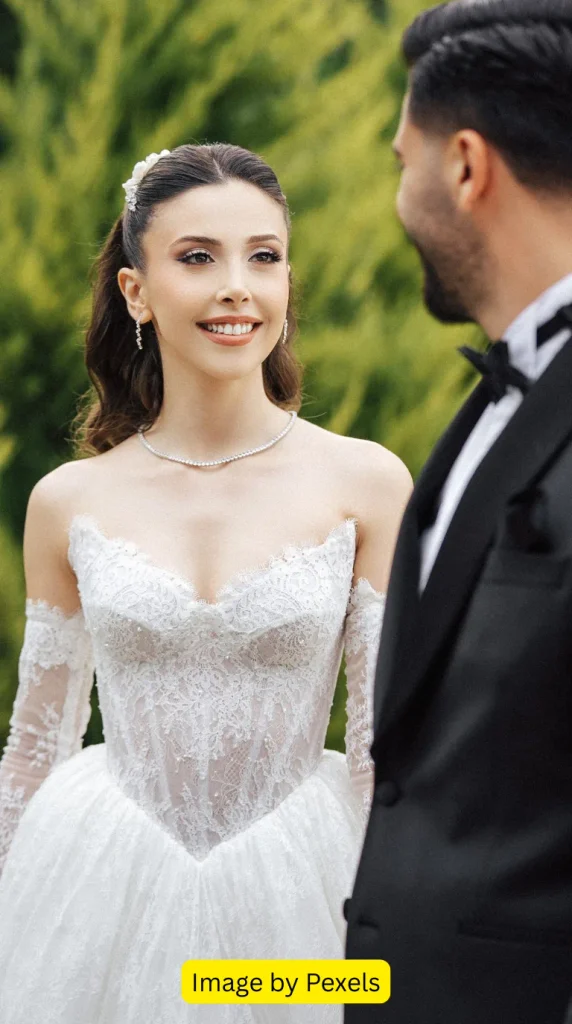
A well-fitting dress usually looks more polished than an expensive dress that doesn’t fit properly.
Before the wedding, check:
- Hem length
- Shoulder fit
- Bust fit
- Waist placement
- Strap security
- Dress movement
- Shoe comfort
If necessary, have the dress professionally altered.
Good fit also matters for photographs. Clothing that sits correctly and allows natural movement will generally look more polished throughout the day.
19. Plan for Photographs
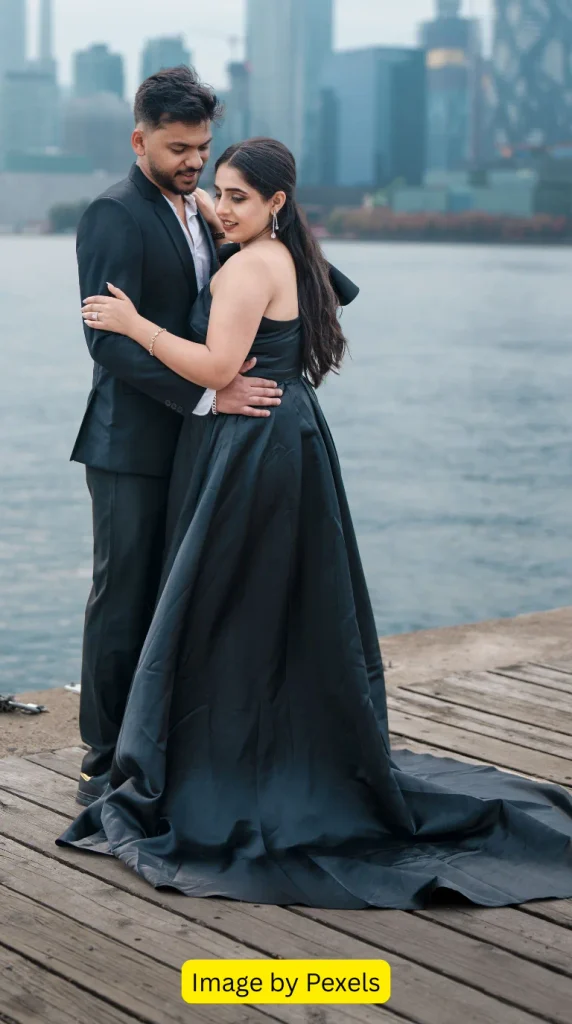
Wedding celebrations often involve hours of photographs, so consider how your complete outfit will appear in different settings.
Think about:
- Fabric shine
- Strong patterns
- Accessories
- Dress movement
- Shoe visibility
- Hair placement
This doesn’t mean choosing an outfit solely for photographs. Instead, consider how the pieces work together from multiple angles.
A well-balanced outfit should look appropriate in person and in photographs.
20. Prepare Your Complete Outfit in Advance
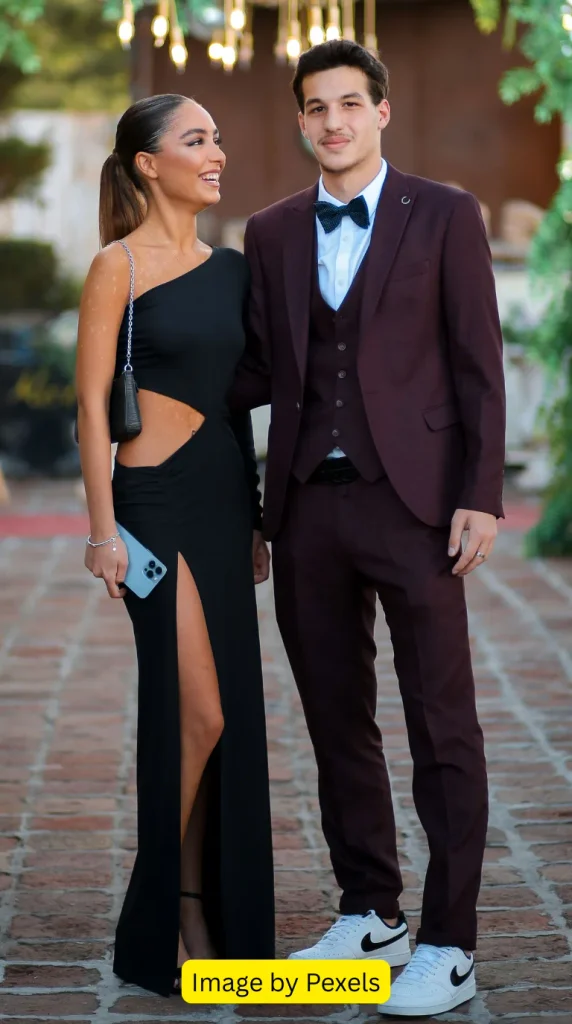
Avoid waiting until the night before the wedding to discover that your shoes don’t work with your dress.
Prepare:
- Dress
- Shoes
- Jewelry
- Handbag
- Outer layer
- Undergarments
- Hair accessories
- Any ceremony-specific cover-up
Try the complete outfit together before the event.
This gives you time to make adjustments, replace uncomfortable shoes, or find accessories that better complement the dress.
21. Let Personal Style Work Within the Rules
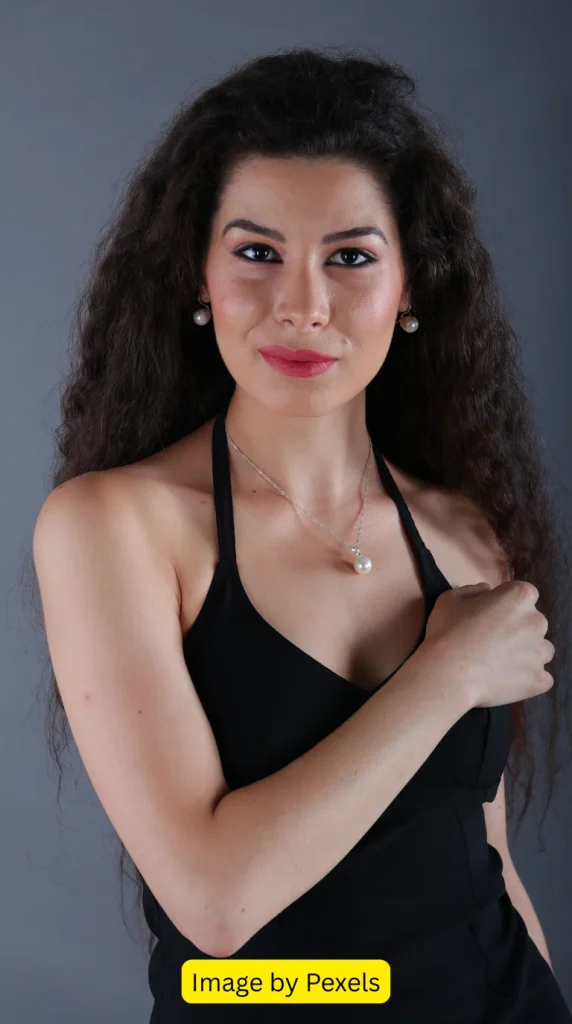
Good etiquette doesn’t mean abandoning your personality.
You can still express your style through:
- Color
- Silhouette
- Jewelry
- Hairstyles
- Shoes
- Handbags
- Prints
- Fabric
- Makeup
The most successful wedding guest outfits usually combine personal taste with awareness of the event.
Think of the dress code as the framework and your personal style as the finishing layer.
Wedding Guest Dress Code Quick Guide
When you’re unsure where to begin, use this simple checklist:
Black tie: Choose a sophisticated floor-length gown or formal evening dress with polished accessories.
Formal: A long dress or refined formal midi usually works well.
Cocktail: Choose a dressy midi or cocktail dress with elegant shoes and accessories.
Semi-formal: A polished midi or knee-length dress can be appropriate.
Outdoor wedding: Consider the terrain, weather, and venue when selecting fabric and footwear.
Beach wedding: Look for lightweight fabrics and footwear that works on sand or uneven surfaces.
Garden wedding: Flowing silhouettes, practical heels, and weather-appropriate fabrics can work beautifully.
Religious ceremony: Check whether additional coverage is expected.
What Not to Do as a Wedding Guest
A few simple mistakes can make an otherwise beautiful outfit feel inappropriate.
Avoid:
- Ignoring the stated dress code
- Wearing bridal-style white without permission
- Choosing clothing that is too casual for the event
- Ignoring cultural or religious expectations
- Wearing uncomfortable shoes without a backup plan
- Dressing for the venue you wish you were attending instead of the venue you’re actually attending
- Over-accessorizing
- Choosing an outfit that requires constant adjustment
- Waiting until the last minute to try everything together
- Treating wedding attire like an ordinary night-out outfit
The goal isn’t to follow hundreds of rigid fashion rules. It’s to show that you understand the occasion and have made thoughtful choices.
Frequently Asked Questions
What is the most important wedding guest dress etiquette rule?
The most important rule is to follow the dress code and any specific instructions provided by the couple. The invitation should guide your choice before trends or personal preferences.
Can wedding guests wear black?
Yes, black can be appropriate for many weddings, especially formal and evening celebrations. Consider the dress code, venue, time of day, and cultural expectations before choosing an all-black outfit.
Can a wedding guest wear white?
Generally, guests should avoid white or bridal-looking ivory unless the couple specifically requests or permits it.
Is it better to overdress or underdress for a wedding?
When the dress code is unclear, slightly more polished is generally safer than appearing noticeably underdressed. However, the venue and time of day should also guide your decision.
Can you wear a short dress to a formal wedding?
It depends on the dress code. Cocktail and semi-formal weddings can accommodate sophisticated shorter dresses, while traditional black-tie events generally call for more formal eveningwear.
What should you wear to a black-tie wedding?
A sophisticated floor-length gown or formal evening dress is a reliable choice. Refined shoes, jewelry, and an evening bag should complete the outfit.
Can you wear jeans to a wedding?
Only if the invitation specifically indicates a casual dress code where jeans are appropriate. For most formal, cocktail, and semi-formal weddings, a polished dress or other elevated outfit is more suitable.
Should wedding guests wear matching colors?
Not unless the couple requests it. Guests generally have flexibility to choose their own colors while respecting any specific instructions provided by the couple.
How can I make a simple dress look more elegant?
Focus on fit, fabric, accessories, shoes, and grooming. A simple dress can look highly polished when paired with refined jewelry, an elegant handbag, appropriate footwear, and a well-finished hairstyle.
What should I bring to an outdoor wedding?
Consider the weather and terrain. A coordinated wrap, comfortable shoes, small handbag, and weather-appropriate accessories can make an outdoor celebration much easier to enjoy.
Final Thoughts
Good wedding guest dress etiquette is ultimately about finding the balance between personal style and respect for the occasion.
Start with the invitation, follow the stated dress code, consider the venue and time of day, and choose fabrics and silhouettes that suit the season. Pay attention to cultural expectations, avoid bridal-looking attire, and make sure your shoes and accessories work with the setting.
You don’t need an extravagant outfit to look elegant. A well-fitting dress, thoughtful accessories, appropriate footwear, and confidence can create a polished wedding guest look without unnecessary complication.
When you understand the basic etiquette rules, choosing what to wear becomes much easier—and you can focus on enjoying the wedding rather than worrying about whether your outfit is appropriate.