
A black tie wedding gives you a clear opportunity to dress up, but the higher dress code also leaves more room for small mistakes. A dress can be beautiful and still feel wrong for the occasion if it is too casual, difficult to move in, poorly fitted, or styled without considering the venue and timing.
The most common Black Tie Wedding Guest Mistakes are not necessarily dramatic fashion disasters. Often, they are small decisions that make an otherwise good outfit look less polished.
You might choose a dress that is technically formal but unsuitable for the weather, wear beautiful shoes that become painful after an hour, or wait so long to arrange alterations that there is no time to fix the fit.
This guide focuses on those practical mistakes—and what to do instead.
Whether you’re attending a ballroom reception, luxury hotel wedding, garden celebration, destination event, or formal evening ceremony, these tips can help you build an outfit that feels elegant, appropriate, comfortable, and thoughtfully planned.
Mistake #1: Misreading the Dress Code
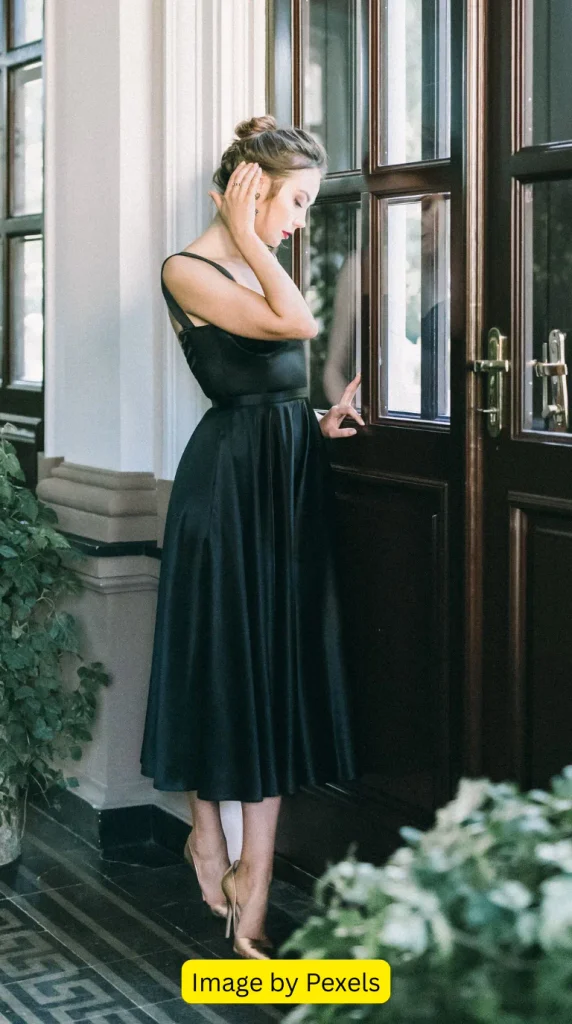
The first mistake happens before you even choose a dress: assuming that every formal wedding has the same expectations.
Black tie, black tie optional, and formal attire are related but not identical dress codes.
Traditional black tie generally calls for elevated eveningwear. For women, a floor-length gown is the safest and most traditional choice, although a sophisticated formal midi can sometimes work depending on the invitation, venue, and overall event.
Black tie optional gives guests slightly more flexibility, while formal attire can encompass a broader range of polished dresses.
Better approach
Read the exact wording on the invitation and check the wedding website if the couple provides additional guidance.
If the invitation says black tie and you’re uncertain, choosing a refined floor-length gown is usually the easiest way to avoid looking underdressed.
Mistake #2: Choosing a Casual Dress
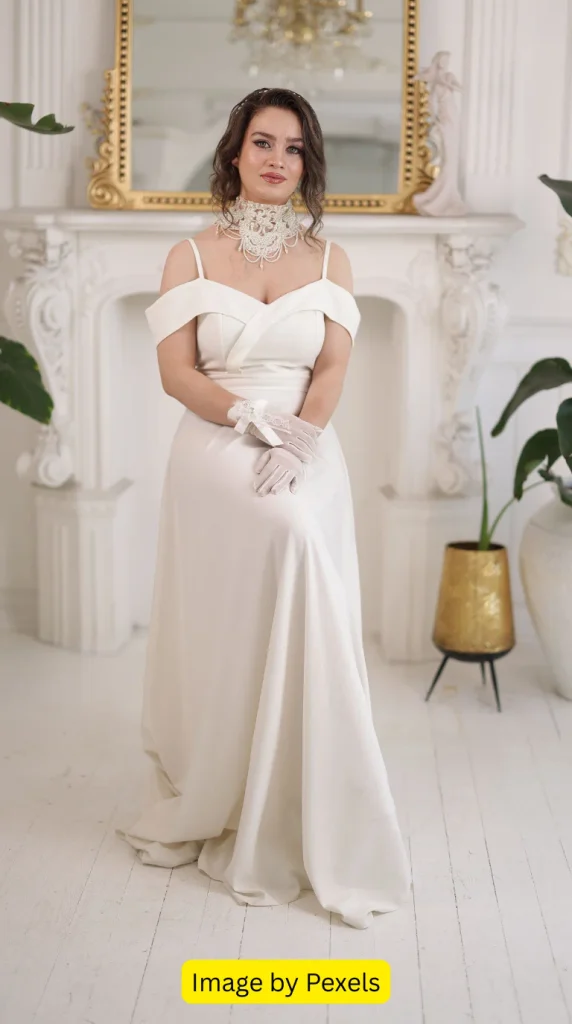
A dress can be attractive without being formal enough for a black tie celebration.
Casual cotton dresses, simple daytime sundresses, basic jersey styles, beach cover-ups, and relaxed shirt dresses can look beautiful in the right setting but may feel too informal for a traditional black tie reception.
The problem is not necessarily the length. Fabric, construction, silhouette, finishing, and styling all influence how formal a dress appears.
Better approach
Look for details that naturally communicate evening formality:
- Elegant draping
- Refined tailoring
- Floor-length or sophisticated formal proportions
- Satin, silk, velvet, crepe, chiffon, or other elevated fabrics
- Intentional evening details
- A polished overall silhouette
The goal is not to make the outfit extravagant. It is to make sure the dress belongs in the same visual setting as the dress code.
Mistake #3: Assuming a Short Dress Is Always Appropriate
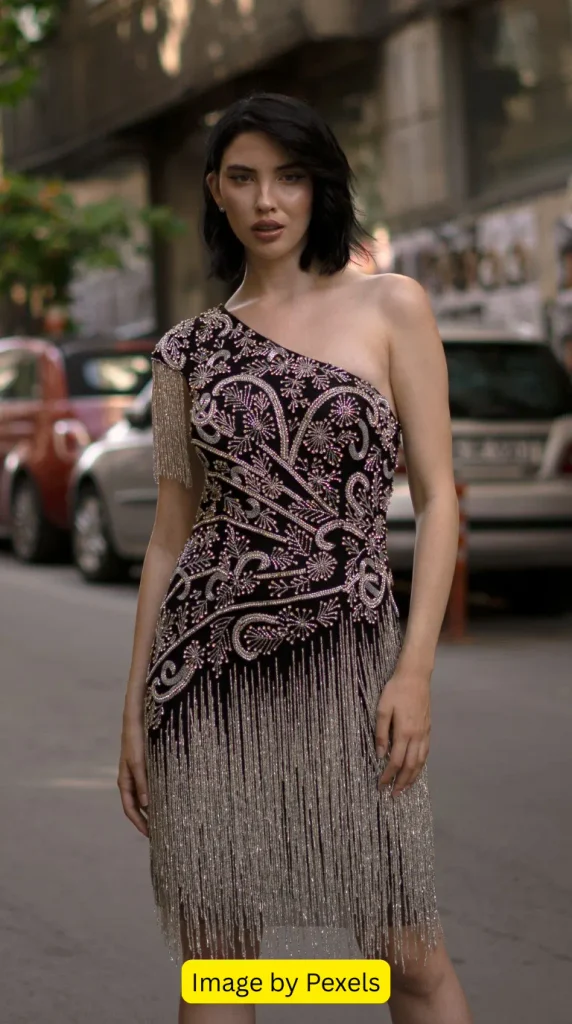
One of the trickier black tie decisions involves dress length.
A sophisticated formal midi dress is not automatically inappropriate, but a very short cocktail dress is much harder to justify when the invitation clearly specifies traditional black tie.
This is where guests sometimes confuse dressy with black tie. A cocktail dress can be elegant and still fall below the expected level of formality.
Better approach
If you’re considering a shorter dress, evaluate the entire design:
| Detail | More formal | Less formal |
|---|---|---|
| Length | Floor-length or refined midi | Very short |
| Fabric | Satin, silk, velvet, crepe | Casual jersey or cotton |
| Shape | Structured or elegant | Relaxed or beachy |
| Finish | Refined details | Everyday styling |
| Accessories | Evening-focused | Casual |
If you’re unsure, a long formal gown remains the safest choice.
Mistake #4: Ignoring the Wedding Venue
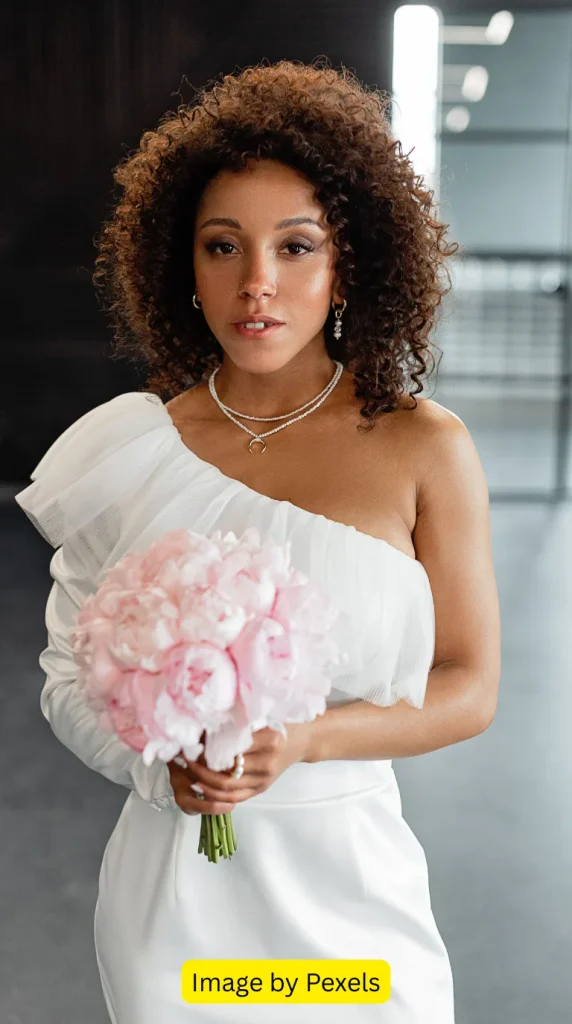
A black tie dress code does not mean you should completely ignore the location.
A ballroom wedding, garden reception, coastal celebration, and luxury hotel event can all be black tie while presenting different practical challenges.
For example, a dramatic floor-length gown may work beautifully in a ballroom but require more thought when the ceremony includes grass, sand, stairs, or an outdoor pathway.
Better approach
Think about both formality and practicality.
Ask yourself:
- Will I be walking on grass?
- Will there be stairs?
- Is part of the event outdoors?
- Will temperatures change after sunset?
- Is the reception indoors or outside?
- Will I need a wrap or jacket?
- Are very high heels realistic for the venue?
Your dress should respect the black tie code while still working with the environment.
Mistake #5: Prioritizing Trends Over Formality
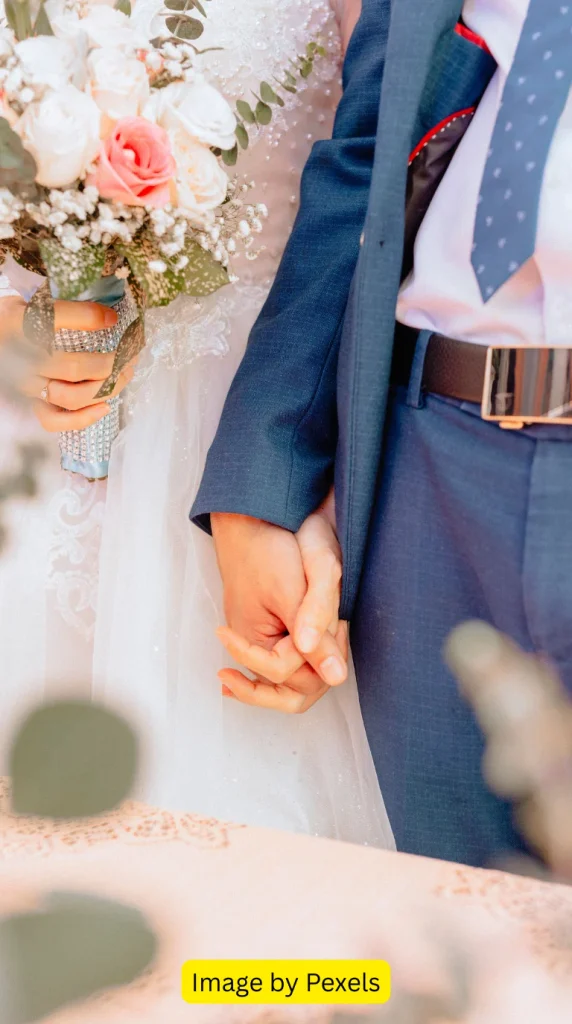
Fashion trends can be fun, but a black tie wedding is not the place to assume that every current trend will automatically look appropriate.
Extremely casual silhouettes, novelty details, overly exaggerated cutouts, or designs that feel more suited to nightlife than wedding celebrations can make an outfit feel disconnected from the event.
This does not mean you need to dress in an old-fashioned way.
Better approach
Choose a classic formal foundation and introduce trends selectively.
For example, you might choose:
- A current neckline
- Modern draping
- Contemporary sleeve details
- A fresh color
- Minimalist jewelry
- A modern clutch
The dress can feel current without losing the elegance expected from black tie attire.
Mistake #6: Choosing Fabric Without Considering Formality
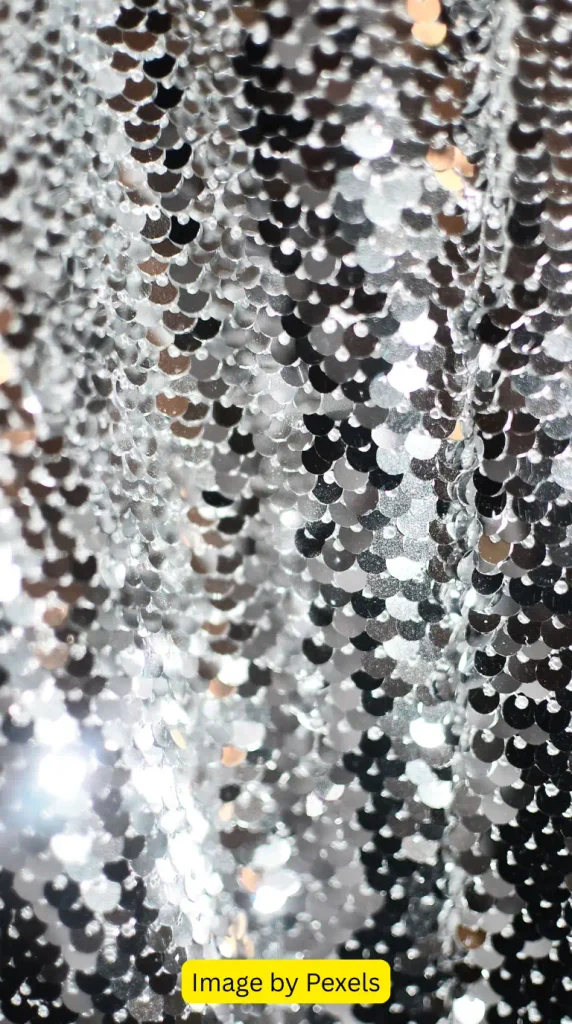
Fabric has a major influence on how a dress reads.
Two dresses can have nearly identical silhouettes while looking completely different because one uses a refined evening fabric and the other uses a casual material.
For black tie weddings, fabric should support the level of formality.
Better approach
Consider the overall effect of materials such as:
| Fabric | Formal impression | Best consideration |
|---|---|---|
| Satin | Polished and glamorous | Evening weddings |
| Silk | Luxurious and fluid | Elegant formal settings |
| Velvet | Rich and sophisticated | Cooler seasons |
| Chiffon | Soft and graceful | Movement and layering |
| Crepe | Sleek and refined | Minimalist silhouettes |
| Linen | Relaxed | Better suited to less formal settings |
| Lightweight cotton | Casual to semi-formal | Usually not ideal for traditional black tie |
This does not mean a particular fabric is universally right or wrong. Construction and styling matter too.
Mistake #7: Choosing Beautiful but Uncomfortable Shoes
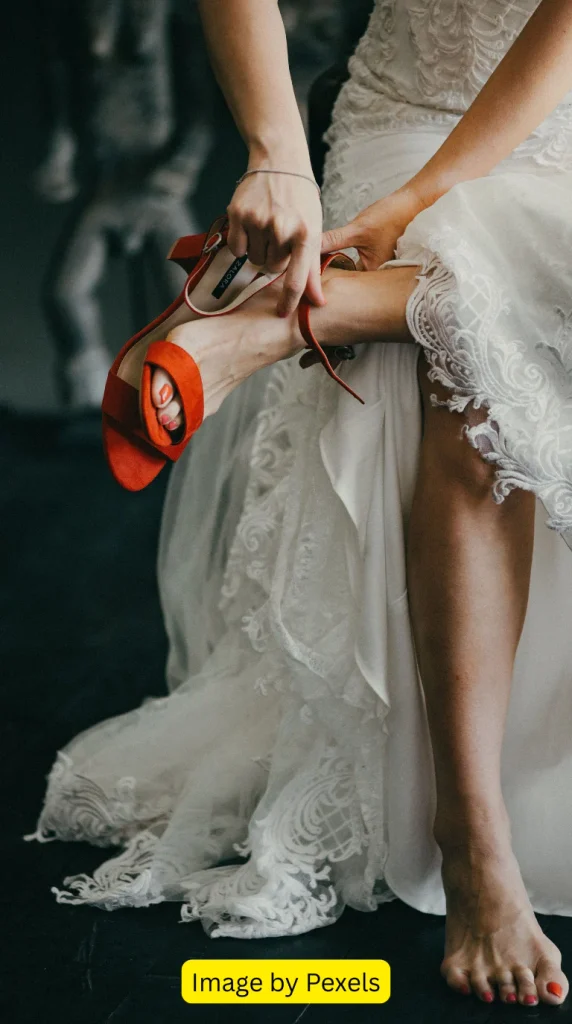
An elegant dress cannot save an outfit if the shoes make it impossible to walk, stand, or dance comfortably.
Weddings often involve several hours of movement. Guests may walk between venues, stand during photographs, navigate stairs, and spend much of the reception on their feet.
Better approach
Choose formal footwear that you can realistically wear for several hours.
Good options can include:
- Satin pumps
- Pointed-toe heels
- Refined strappy sandals
- Low formal heels
- Elegant block heels
If you’re wearing new shoes, test them at home before the wedding.
Walk around in them. Sit down. Use stairs if possible. Make sure the straps do not rub and the heel does not become unstable.
Comfort is not a compromise to elegance. It helps you carry the outfit with more confidence.
Mistake #8: Over-Accessorizing the Outfit
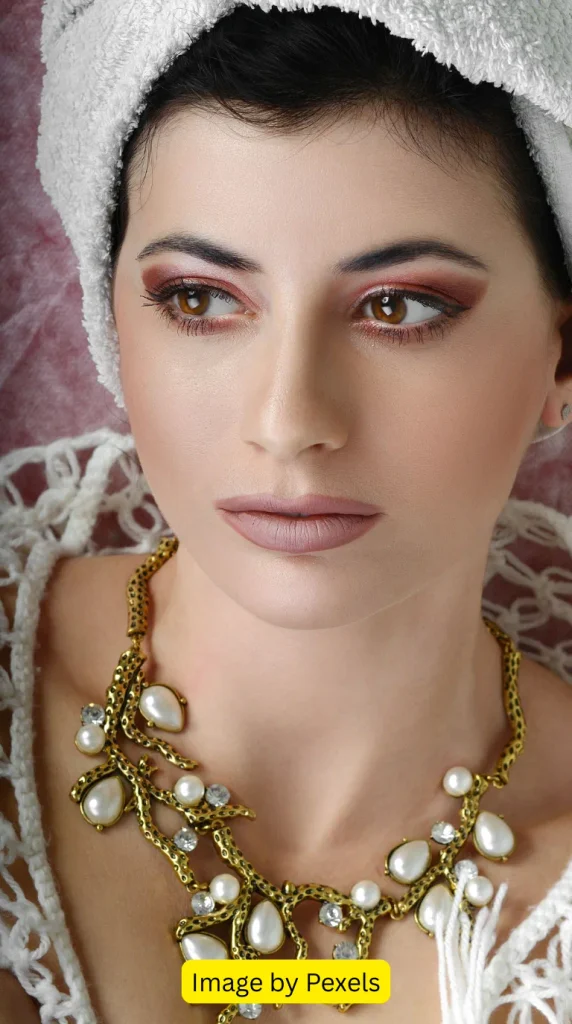
A black tie wedding gives you permission to wear beautiful accessories, but that doesn’t mean every accessory needs to make a statement.
Large earrings, a statement necklace, embellished shoes, a heavily decorated clutch, sparkling bracelets, and dramatic hair accessories can compete with one another.
Better approach
Choose one primary statement element and let the remaining accessories support it.
For example:
Statement earrings + simple necklace + understated clutch
or
Embellished gown + delicate jewelry + clean shoes
or
Minimalist gown + striking earrings + refined clutch
The goal is visual balance rather than maximum sparkle.
Mistake #9: Underestimating the Importance of Fit
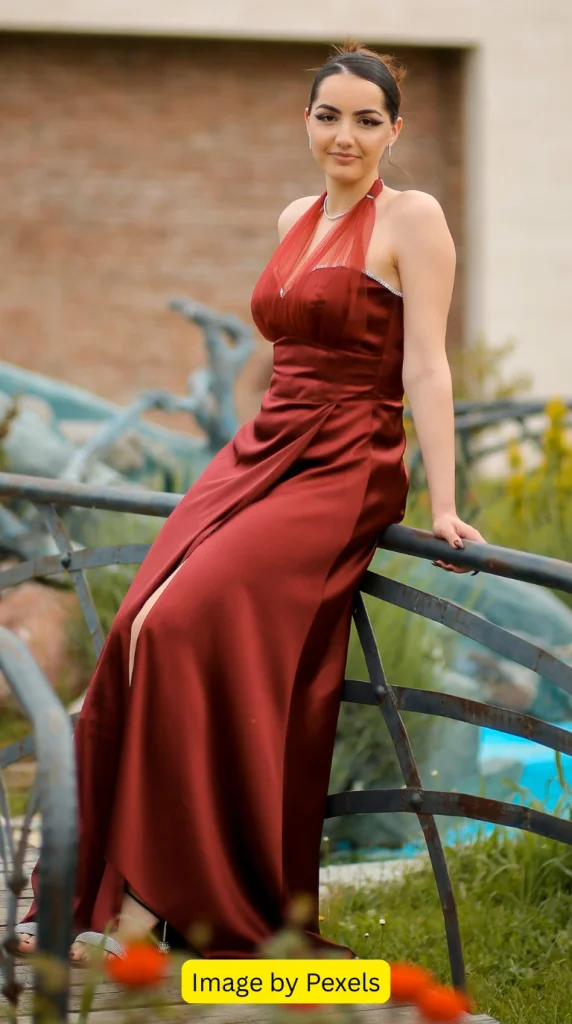
A formal dress can be expensive, beautifully made, and still look unfinished if it does not fit properly.
Common problems include:
- A hem that drags on the floor
- Straps that slip
- A neckline that shifts
- Fabric pulling across the body
- Sleeves that restrict movement
- A waistline sitting in the wrong place
Better approach
Treat alterations as part of buying the dress, not as an optional final step.
A well-fitted dress should allow you to sit, walk, stand, and move without constantly adjusting it.
If the gown needs alterations, arrange them early enough to leave time for a second fitting.
Mistake #10: Forgetting an Evening Layer
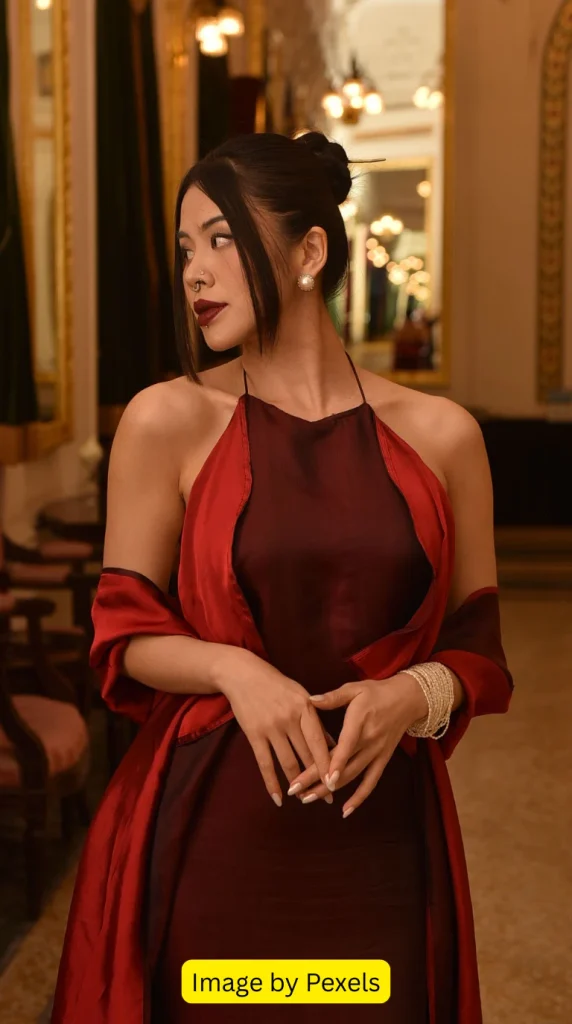
Outdoor ceremonies and evening receptions can become surprisingly cool, even when the daytime temperature is comfortable.
Throwing a casual cardigan over a formal gown can also disrupt the look you’ve carefully created.
Better approach
Plan your outer layer at the same time as your dress.
Depending on the season and venue, consider:
- An elegant shawl
- A formal wrap
- A tailored evening jacket
- A sophisticated cape
- A velvet stole
- A polished formal coat
The outer layer should look like part of the outfit rather than something grabbed at the last minute.
Mistake #11: Choosing a Dress That Feels Too Revealing for the Event
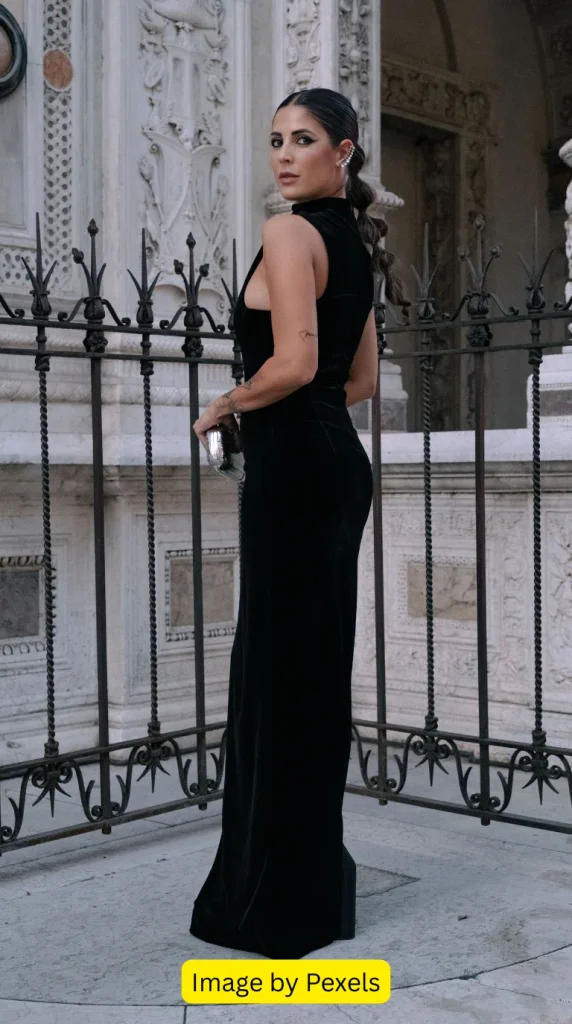
Formalwear can absolutely be feminine, modern, and glamorous. The issue is balance.
A combination of an extremely low neckline, dramatic cutouts, very high slit, sheer panels, and a body-conscious silhouette can make an outfit feel more suited to another type of evening event.
Better approach
If one feature is particularly dramatic, allow the rest of the design to remain relatively restrained.
For example:
Deep neckline + simple silhouette
or
High slit + elegant neckline
or
Open back + understated front
This creates sophistication without making every element compete for attention.
Mistake #12: Wearing Something That Looks Too Bridal
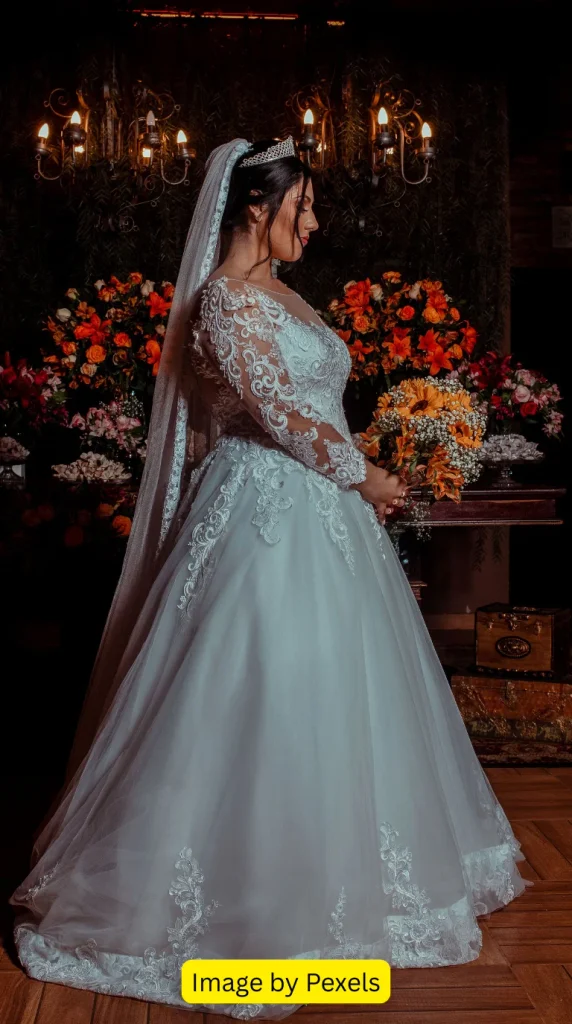
Guests should look elegant without creating confusion about who is getting married.
White and other extremely bridal-looking shades can be risky, particularly when combined with a traditional bridal silhouette, train, veil-like details, or heavily embellished wedding-gown styling.
Better approach
If you’re unsure about a pale dress, consider whether the complete design could reasonably be mistaken for bridalwear.
You can also choose a different color family altogether, such as:
- Emerald
- Navy
- Burgundy
- Plum
- Deep rose
- Champagne-inspired tones where appropriate
- Black
- Rich jewel tones
Always consider the couple’s specific preferences first.
Mistake #13: Ignoring Color Context
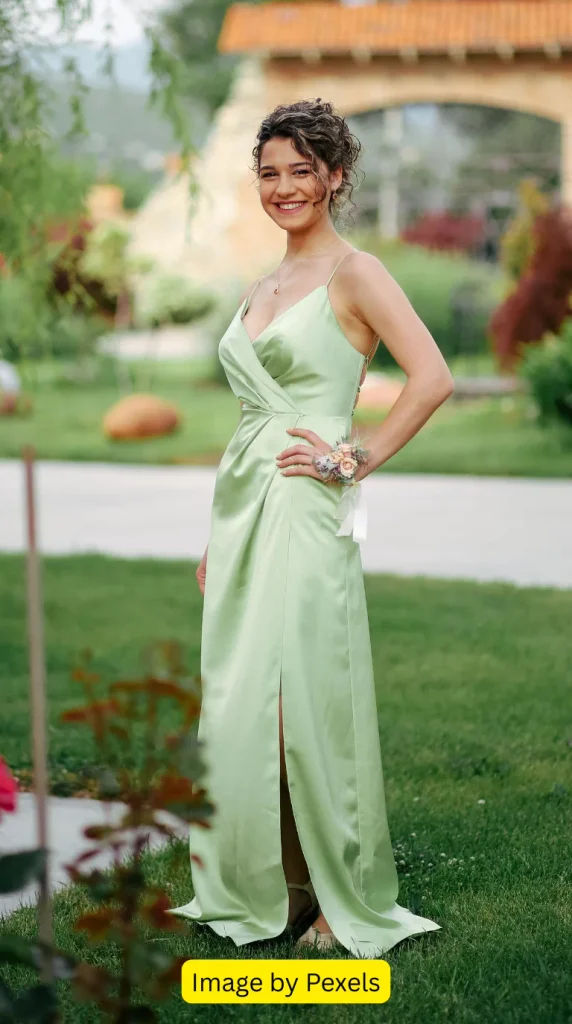
There is no universal rule that every black tie wedding requires dark colors.
Black, jewel tones, sophisticated neutrals, metallics, and carefully chosen lighter shades can all work depending on the event.
The mistake is choosing a color without considering the invitation, season, venue, or whether the shade looks excessively bridal or distracting.
Better approach
Think about color as part of the entire event.
| Color direction | Often works well for |
|---|---|
| Black | Classic evening weddings |
| Navy | Elegant and versatile celebrations |
| Emerald | Jewel-tone formalwear |
| Burgundy | Fall and winter events |
| Deep plum | Evening and cooler-season weddings |
| Soft metallics | Glamorous formal receptions |
| Pastels | Appropriate when the venue and invitation support them |
Color should complement the celebration rather than become the entire focus.
Mistake #14: Carrying an Everyday Handbag
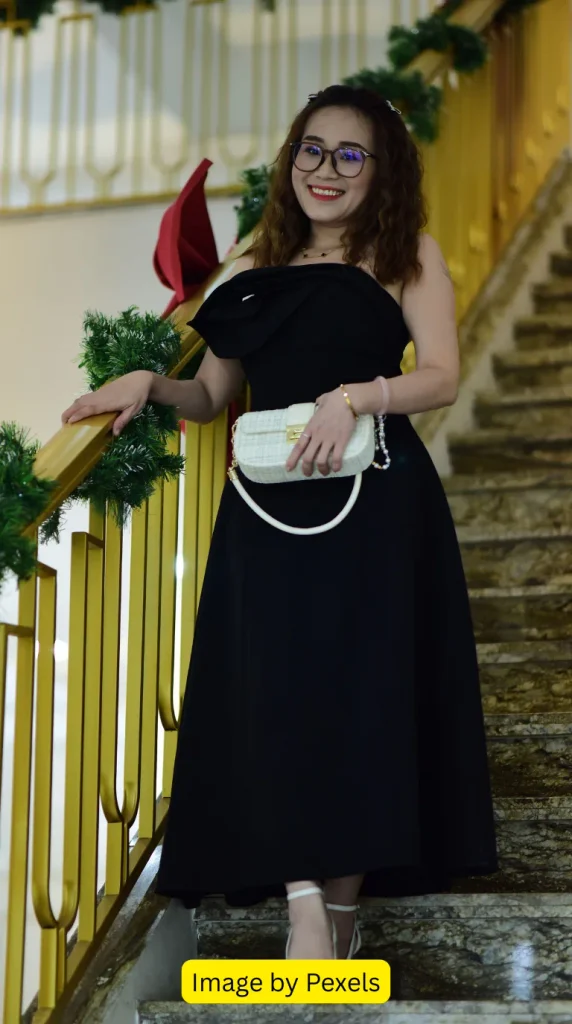
A beautiful gown paired with a large everyday handbag can immediately make the outfit feel less cohesive.
Large work totes, oversized casual shoulder bags, backpacks, and heavily branded everyday bags generally do not complement traditional eveningwear.
Better approach
Choose a compact evening bag that holds the essentials.
A clutch or small structured bag can carry:
- Phone
- Card holder
- Lip product
- Keys
- Small essentials
If you need more storage, choose a refined small shoulder or crossbody style rather than bringing your everyday work bag.
Mistake #15: Styling Each Piece Separately
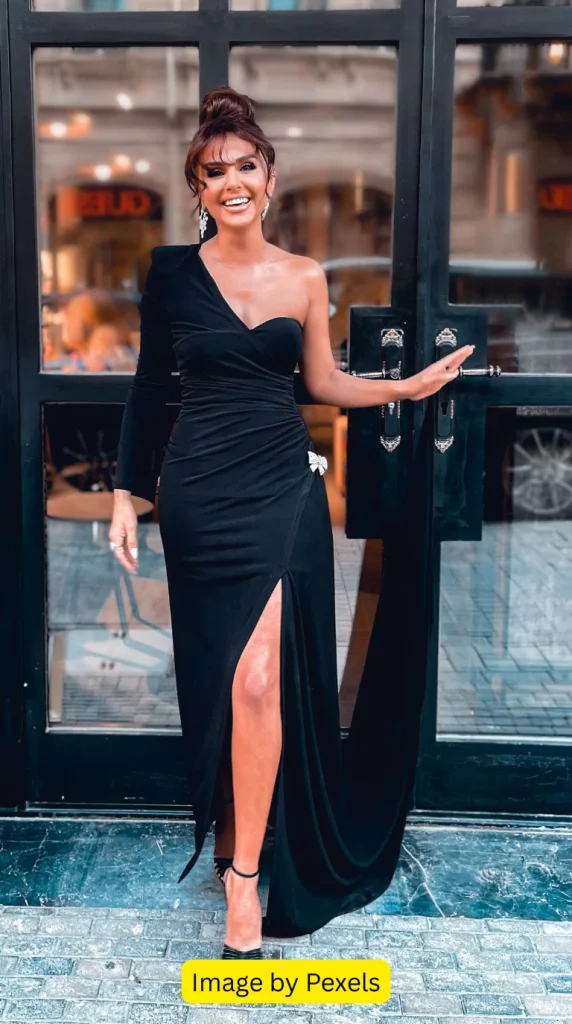
Another common mistake is choosing a beautiful dress, beautiful shoes, beautiful jewelry, and beautiful handbag without checking whether they actually work together.
The individual pieces can be attractive while the complete outfit feels visually busy.
Better approach
Build the outfit as one complete look.
Check:
Dress → shoes → handbag → jewelry → outer layer → hair → makeup
Ask whether each element supports the others.
If the dress is heavily embellished, simplify the jewelry.
If the gown is minimalist, you have more freedom with accessories.
If the neckline is dramatic, choose jewelry accordingly.
Good styling is often about proportion rather than adding more pieces.
Mistake #16: Leaving Alterations and Shopping Until the Last Minute
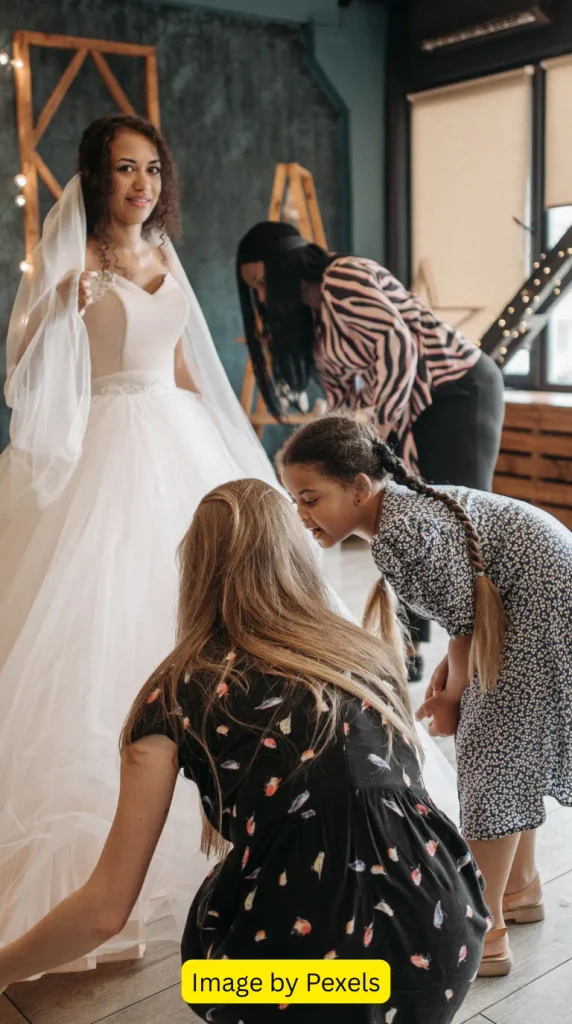
Last-minute shopping creates unnecessary pressure.
You may find the perfect dress but discover that it needs alterations, the correct shoes are unavailable, or the accessories do not arrive in time.
Better approach
Give yourself enough time to:
- Choose the dress.
- Order or purchase it.
- Try it on properly.
- Arrange alterations.
- Select shoes.
- Choose jewelry and a bag.
- Plan an outer layer if necessary.
- Test the complete outfit.
- Steam or press the dress before the event.
Planning early also gives you time to change direction if something does not work.
Mistake #17: Never Testing the Complete Outfit
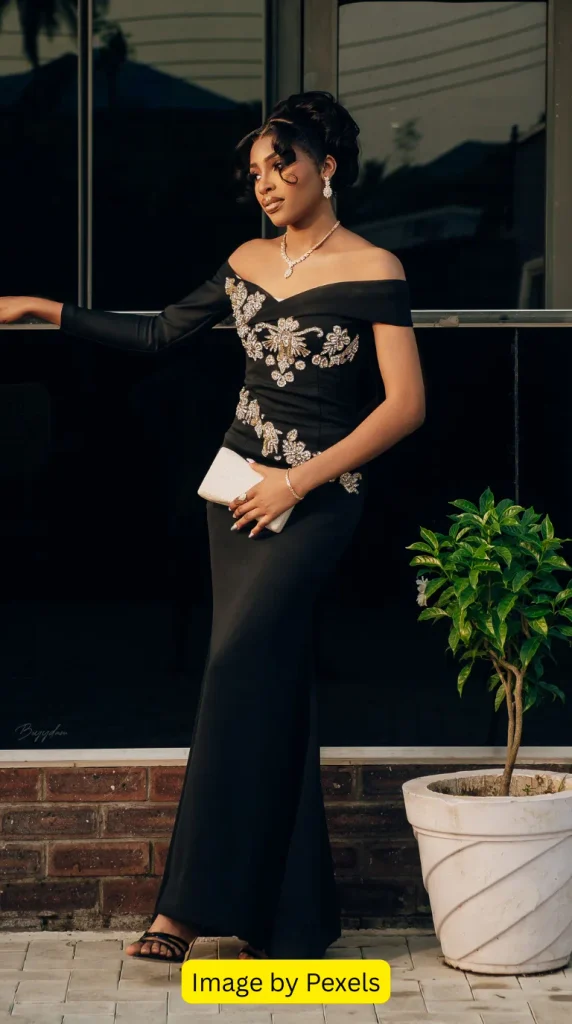
Trying on the dress by itself is not enough.
A gown may look perfect while standing in front of a mirror but behave differently once you add shoes, jewelry, shapewear, a clutch, or an outer layer.
Better approach
Do a complete outfit test before the wedding.
Wear:
- The actual dress
- The shoes
- The intended undergarments
- Jewelry
- Handbag
- Outer layer
- Any accessories
Then walk, sit, bend carefully, use stairs, and move around.
Check whether the hem catches on your shoes, whether the neckline stays in place, and whether you can comfortably carry everything you need.
Mistake #18: Dressing Only for Photographs
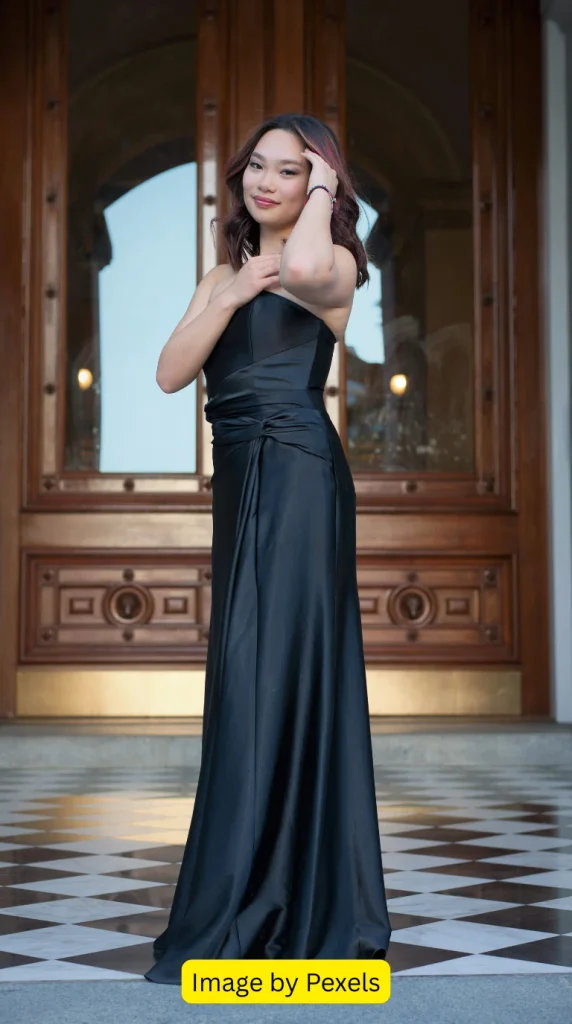
Wedding photographs matter, but an outfit should work in real life too.
A dress that looks dramatic in photographs but requires constant adjusting can become frustrating after several hours.
Similarly, extremely uncomfortable shoes may look beautiful in pictures but make the reception much less enjoyable.
Better approach
Choose an outfit that works both visually and practically.
Prioritize:
- Good fit
- Comfortable movement
- Secure construction
- Appropriate footwear
- Weather suitability
- Easy sitting and walking
The best formal outfit should allow you to participate in the celebration rather than constantly manage your clothing.
Mistake #19: Assuming Expensive Automatically Means Elegant
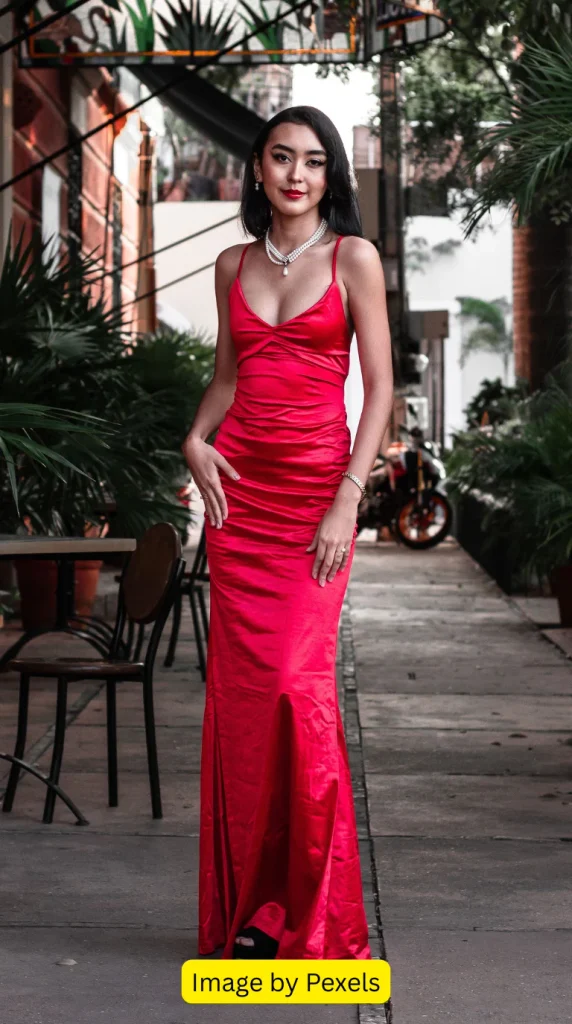
Price and elegance are not the same thing.
A very expensive dress can look poorly styled if the fit is wrong, the fabric wrinkles easily, or the accessories clash.
At the same time, a reasonably priced gown can look polished when the silhouette, fit, fabric, and styling are carefully chosen.
Better approach
Focus on the qualities that create a refined appearance:
- Fit
- Fabric
- Construction
- Proportion
- Color
- Styling
- Condition of the garment
If you’re shopping on a budget, prioritize the dress’s overall shape and fit before spending heavily on accessories.
Mistake #20: Forgetting the Couple’s Specific Instructions
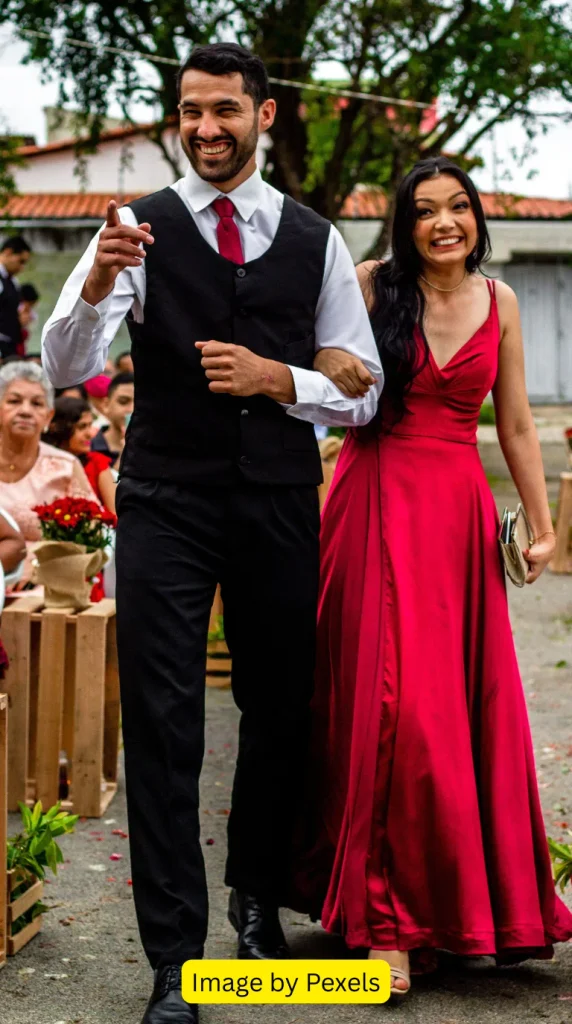
The dress code on the invitation is the starting point, not always the entire story.
Some couples include additional instructions on their wedding website or invitation, such as outdoor ceremony details, requested colors, cultural considerations, venue information, or guidance about what guests should expect.
Ignoring those details can create an avoidable problem.
Better approach
Check the invitation and wedding website shortly before the event.
Look for:
- Dress-code wording
- Ceremony location
- Reception location
- Outdoor or indoor details
- Weather considerations
- Requested colors
- Special guest instructions
When the couple provides specific guidance, follow it even if it differs slightly from general fashion advice.
A Quick Black Tie Mistakes Checklist
Before leaving for the wedding, run through this checklist:
| Check | Question |
|---|---|
| Dress code | Does my outfit match the invitation? |
| Length | Is the dress formal enough for the event? |
| Fabric | Does the material look appropriate for eveningwear? |
| Fit | Can I sit, walk, and move comfortably? |
| Shoes | Can I wear them for several hours? |
| Bag | Is it an evening-appropriate size and style? |
| Jewelry | Does it complement rather than compete with the dress? |
| Color | Could it look bridal or unnecessarily distracting? |
| Weather | Do I need a wrap, jacket, or other layer? |
| Venue | Can I comfortably navigate the location? |
| Alterations | Is the dress properly adjusted? |
| Preparation | Is everything ready before the wedding day? |
Black Tie Wedding Guest Mistakes: What Matters Most?
You do not need to avoid every fashion trend or build an extremely expensive wardrobe to dress successfully for black tie.
The most important principle is intentionality.
Your dress should reflect the formality of the invitation. Your accessories should support the dress. Your shoes should allow you to enjoy the event. Your fit should be comfortable. And your choices should take the venue, season, weather, and couple’s instructions into account.
When those elements work together, the outfit feels polished without looking forced.
Frequently Asked Questions
What is the biggest black tie wedding guest mistake?
The biggest mistake is usually misunderstanding the required level of formality. If the invitation says black tie, treating the event like a standard cocktail or semi-formal wedding can leave you noticeably underdressed.
When uncertain, an elegant floor-length gown is generally the safest traditional choice.
Can I wear a midi dress to a black tie wedding?
A sophisticated formal midi dress can sometimes work, depending on the wedding and the couple’s expectations. However, a floor-length gown remains the most reliable choice for traditional black tie.
The fabric, silhouette, construction, accessories, venue, and overall level of polish also matter.
Is black appropriate for a black tie wedding?
Yes. Black is one of the most classic choices for formal eveningwear and can look especially sophisticated when paired with elegant jewelry and refined accessories.
What should I do if my black tie dress is uncomfortable?
Do not wait until the wedding day to find out.
Wear the complete outfit beforehand and identify the problem. You may be able to adjust the straps, alter the hem, change the shoes, modify the undergarments, or choose a different accessory.
How early should I prepare my black tie wedding outfit?
Ideally, begin early enough to allow time for shopping, delivery, alterations, accessory selection, and a complete outfit test.
The exact timing depends on whether the dress requires custom alterations or special ordering, so leaving everything until the final few days is best avoided.
Can I wear flats to a black tie wedding?
Yes, if the flats have a polished formal appearance and complement the gown. Elegant embellished flats or refined pointed-toe styles can be practical alternatives to heels, particularly when the venue requires substantial walking.
What handbag should I carry to a black tie wedding?
A compact clutch or refined small evening bag is usually the easiest choice. It should complement the dress without looking like an everyday work or travel bag.
How can I look elegant without spending a lot?
Prioritize fit, silhouette, fabric, and styling rather than price alone. A well-fitted, simple formal dress can look more polished than an expensive gown that does not fit correctly.
Final Thoughts
Avoiding Black Tie Wedding Guest Mistakes does not require complicated fashion rules.
Start with the invitation, choose a level of formality that matches the event, and then build the rest of the outfit around fit, comfort, venue, weather, and proportion.
Give yourself time for alterations and accessories. Test the complete outfit before the wedding. Choose shoes you can actually wear for several hours. Keep your handbag refined and your accessories balanced.
Most importantly, remember that elegant wedding guest dressing is not about competing for attention. It is about looking polished, feeling comfortable, and respecting the formality of the celebration.
When every part of your outfit has been considered—from the gown and shoes to the final accessories—you can arrive at the wedding feeling prepared rather than worried about whether you got the dress code right.