
Soft colors can make a wedding guest outfit feel romantic, fresh, and effortlessly polished. From blush pink and lavender to sage green, powder blue, butter yellow, and dusty peach, pastel shades offer plenty of ways to dress beautifully without relying on bold prints or heavy embellishment.
The best Pastel Wedding Guest Dress is not simply the palest color you can find. The shade, fabric, silhouette, and level of formality should all work together.
A flowing chiffon dress may be perfect for a daytime garden ceremony, while a structured satin gown in a deeper pastel can feel much more appropriate for an elegant evening reception.
These 21 ideas cover different pastel colors, silhouettes, fabrics, and styling directions so you can find an option that fits the wedding rather than simply following a seasonal trend.
1. Blush Satin Elegance
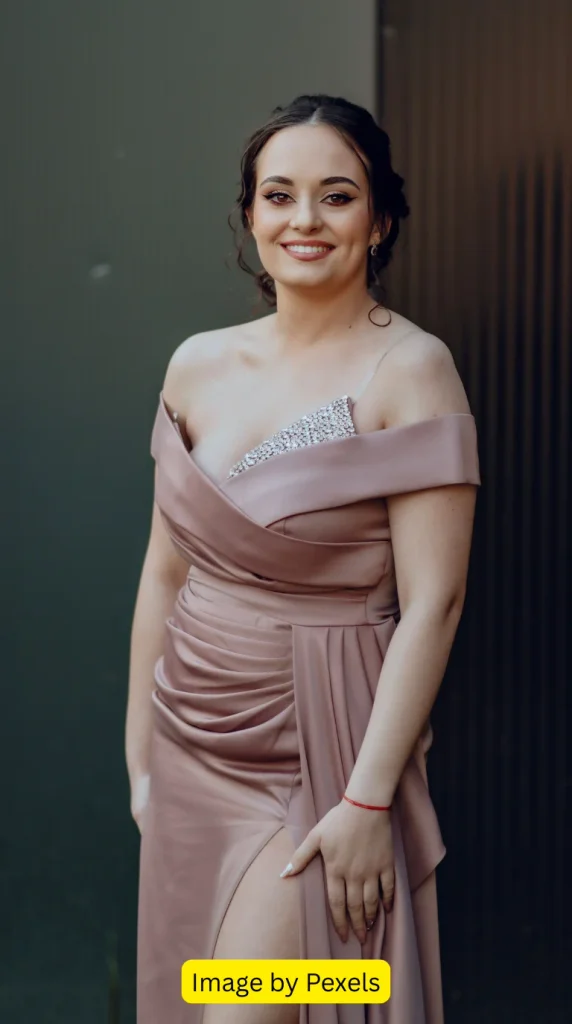
Blush pink is one of the easiest pastel shades to dress up because it combines softness with a naturally romantic appearance.
A satin gown or midi dress gives the color enough sophistication for formal celebrations. Look for a clean silhouette rather than excessive embellishment, allowing the subtle sheen of the fabric to create visual interest.
Nude heels, pearl earrings, and a small evening bag can complete the look without competing with the blush tone.
Best for: Formal daytime weddings, garden venues, elegant evening receptions.
Watch out for: Extremely pale blush shades that could photograph too similarly to white.
2. Lavender Garden Romance
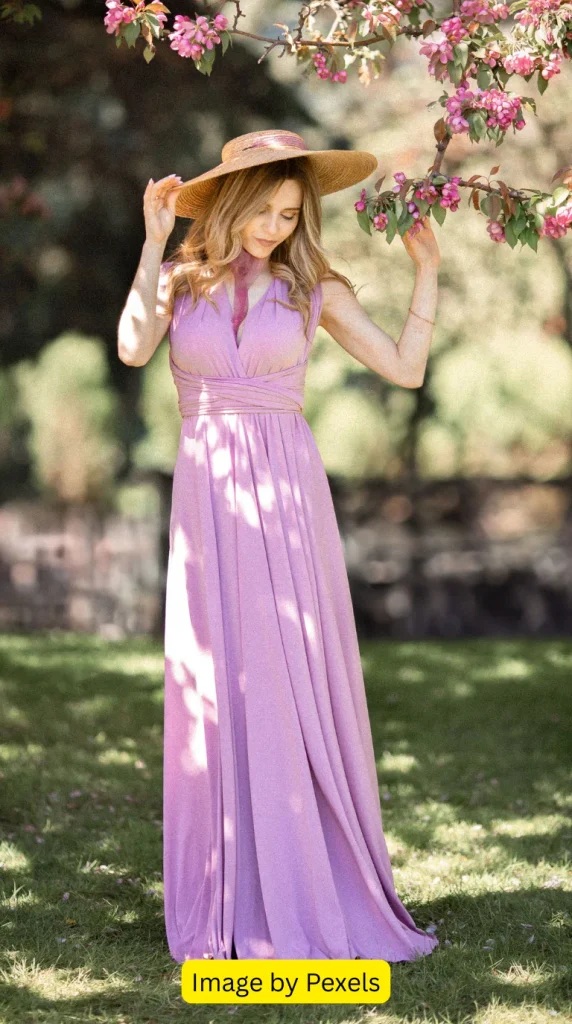
Lavender has a distinctly romantic quality that works particularly well for spring and summer weddings.
A flowing chiffon dress can make the shade feel light and graceful, while a more structured crepe silhouette creates a polished appearance for formal invitations.
Silver, pearl, or crystal accessories complement lavender beautifully without making the outfit look overly coordinated.
Best for: Gardens, vineyards, spring weddings, daytime ceremonies.
3. Sage Green Sophistication
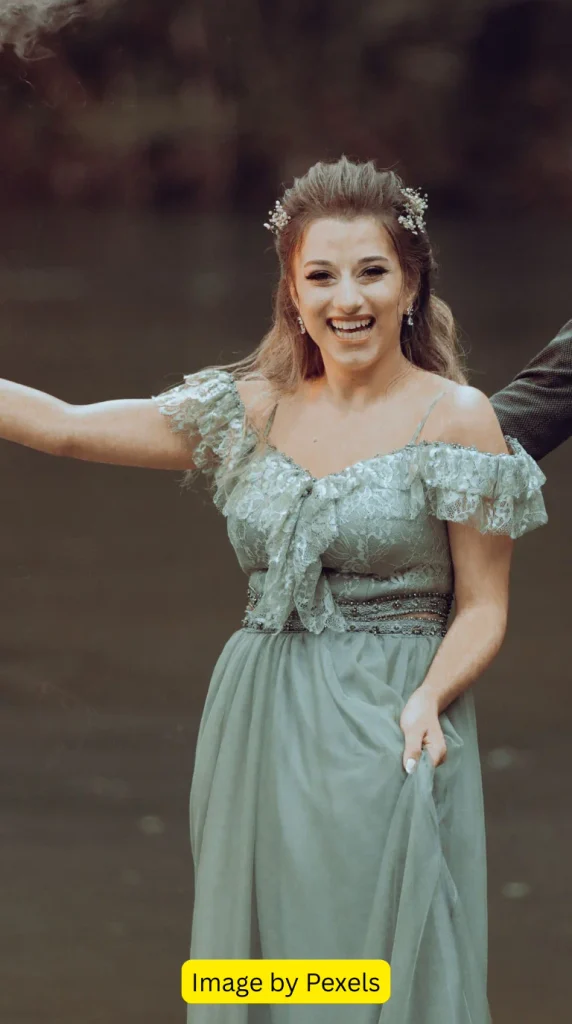
Sage green offers a more muted alternative to traditional pink and blue pastels.
The gray-green undertone gives it an elegant, understated quality that works well with minimalist silhouettes. A satin, crepe, or structured chiffon dress can take the shade from relaxed daytime dressing to sophisticated evening wear.
Gold jewelry adds warmth, while nude or champagne footwear keeps the palette refined.
Best for: Countryside weddings, vineyards, estates, modern venues.
4. Powder Blue Satin
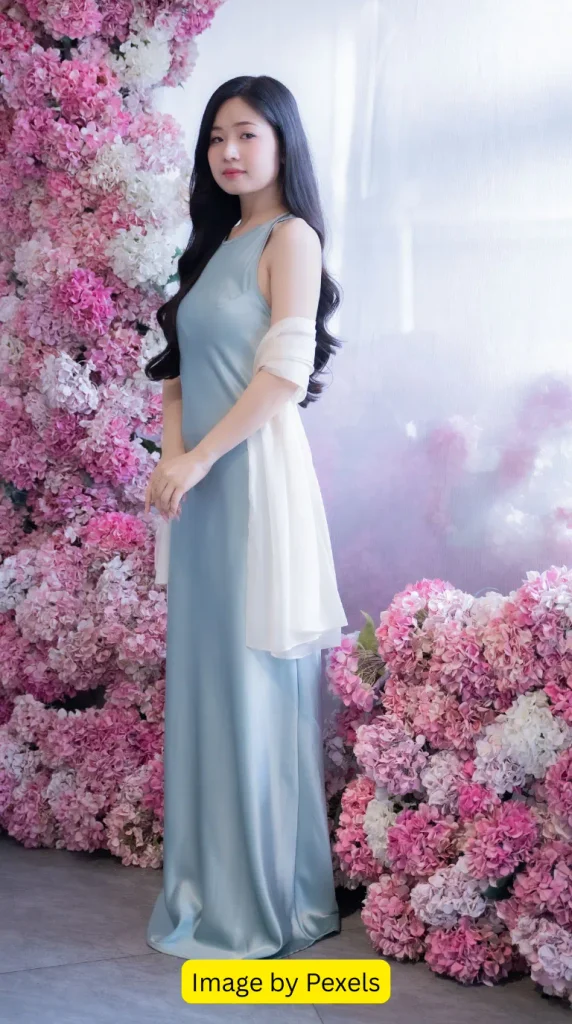
Powder blue creates a cool, polished appearance without feeling overly dramatic.
A satin dress with a simple neckline allows the color to remain the focus. For evening celebrations, choose a floor-length version; for daytime events, a midi silhouette can feel lighter.
Silver heels and delicate crystal jewelry reinforce the cool color palette.
Best for: Waterfront venues, formal hotels, evening receptions.
5. Butter Yellow Glow
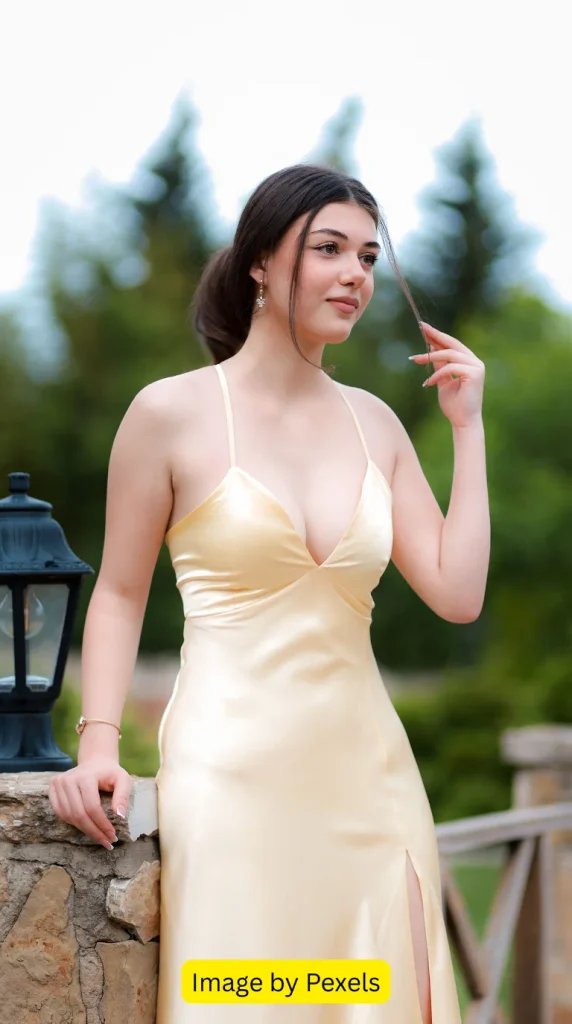
Butter yellow brings warmth and personality to pastel dressing without the intensity of a bright yellow.
The shade works particularly well with soft chiffon, crepe, or lightweight satin. Gold jewelry complements the warmth, while nude footwear keeps the overall appearance sophisticated.
Because yellow can vary significantly in intensity, look for a muted buttery tone rather than an extremely bright shade if the wedding is formal.
Best for: Spring and summer weddings, gardens, vineyards, outdoor celebrations.
6. Dusty Rose Romance
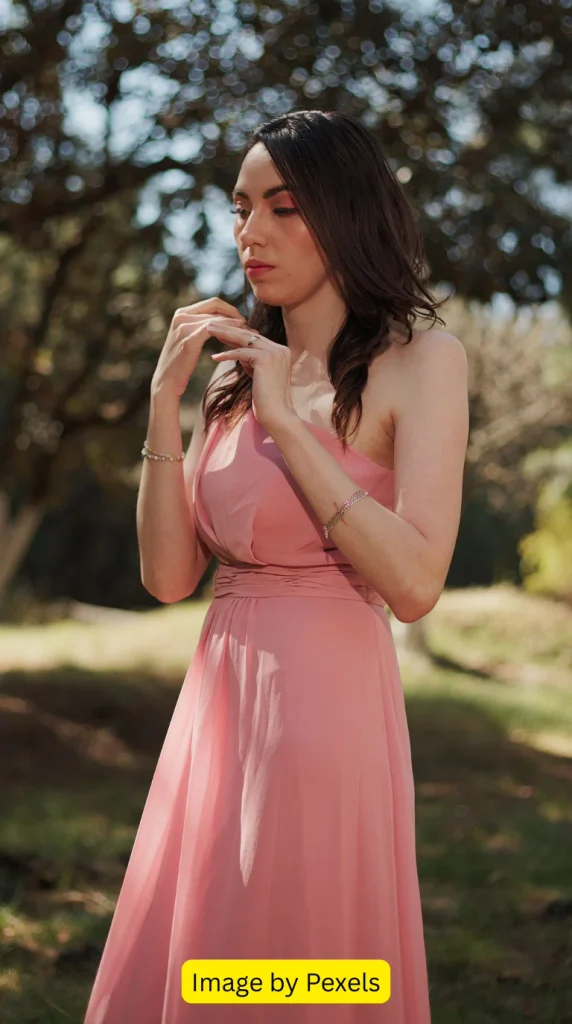
Dusty rose is a more mature alternative to traditional pastel pink.
Its muted quality makes it particularly easy to style for formal weddings. A floor-length crepe gown creates a sophisticated appearance, while a flowing midi dress feels more relaxed.
Pair dusty rose with champagne, nude, gold, or soft metallic accessories.
Best for: Romantic weddings, château venues, formal daytime receptions.
7. Mint Green Freshness
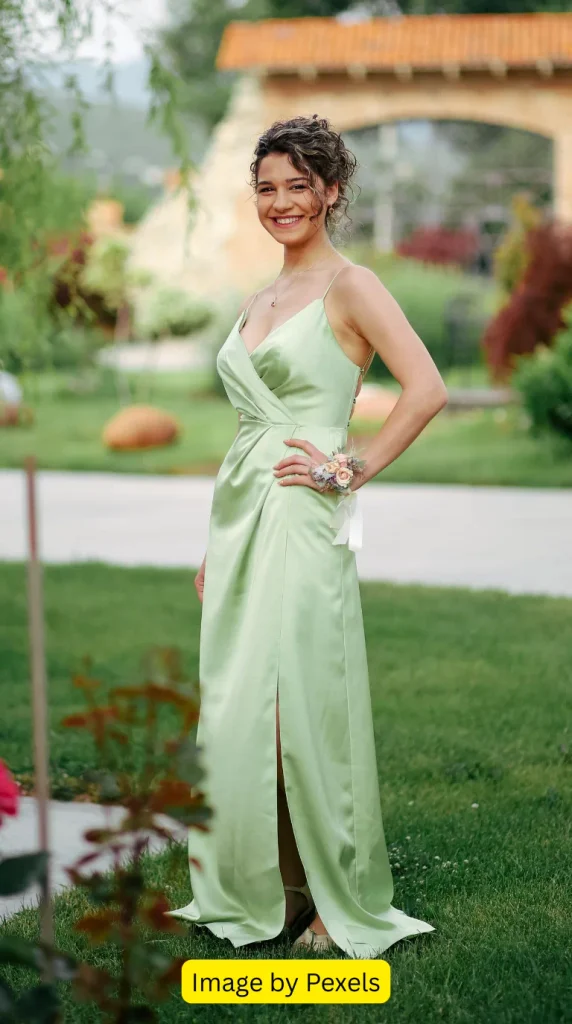
Mint green brings a fresh, airy quality to wedding guest dressing.
Choose a softly structured dress if you want the color to feel sophisticated rather than overly youthful. Pleated chiffon, satin, and crepe all work well with this shade.
Silver accessories create a cool finish, while gold can make the color feel warmer.
Best for: Spring weddings, garden ceremonies, daytime celebrations.
8. Soft Peach Elegance
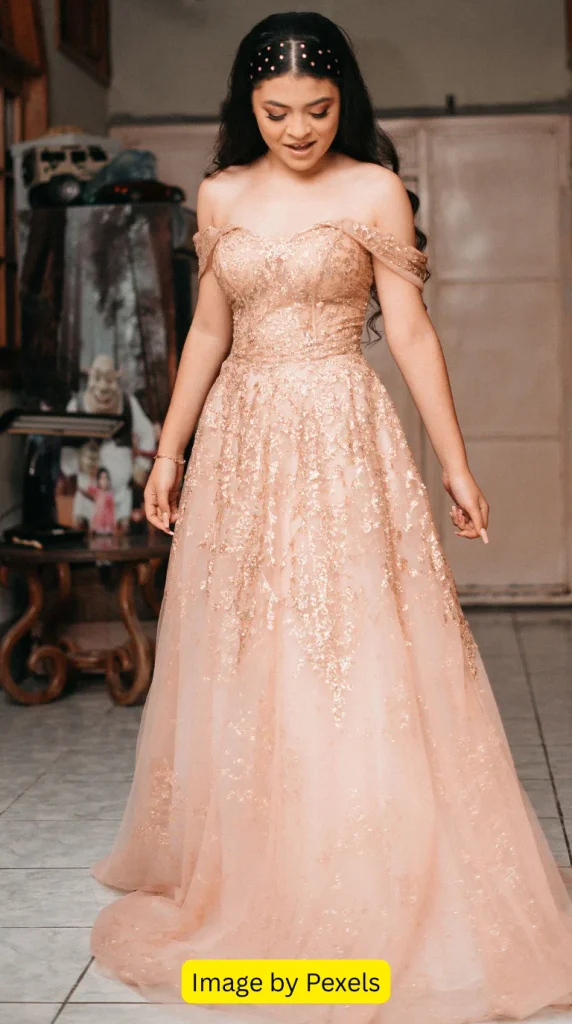
Peach adds warmth to the pastel palette and works especially well for outdoor celebrations.
A flowing chiffon dress can emphasize its romantic side, while a satin gown gives it a more glamorous appearance.
Choose accessories based on the undertone of the peach. Warm golds and champagne tones generally complement warmer peach shades beautifully.
Best for: Summer weddings, sunset receptions, gardens, vineyards.
9. Periwinkle Blue Beauty
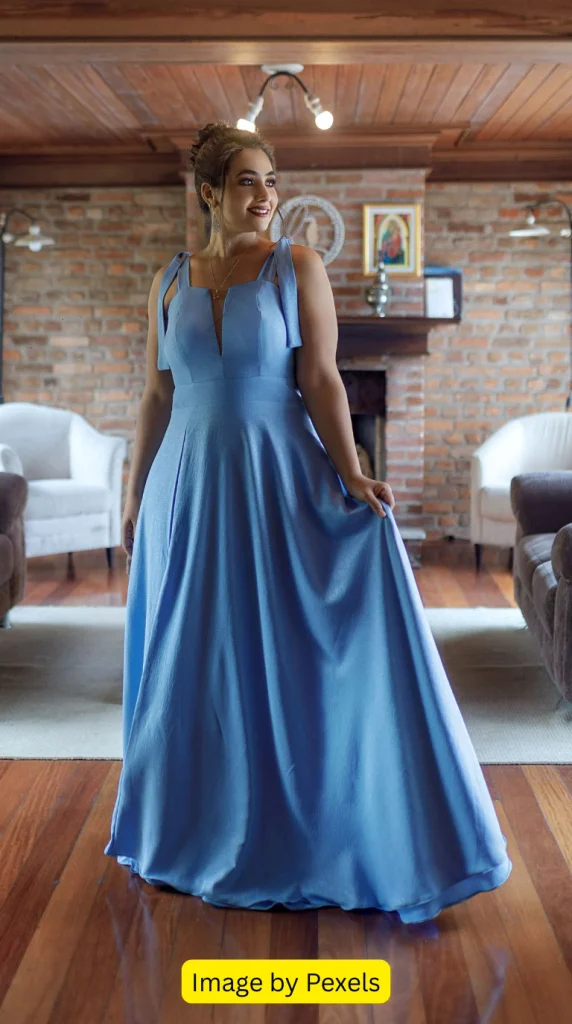
Periwinkle sits between blue and lavender, giving it a distinctive appearance that feels slightly more unexpected.
A simple floor-length dress allows the unusual color to stand out. Silver accessories emphasize its cooler side, while pearl jewelry keeps the look classic.
This is a useful choice when you want a pastel outfit that feels different from the usual blush or powder blue.
Best for: Formal daytime weddings, garden venues, spring celebrations.
10. Pale Pistachio Charm
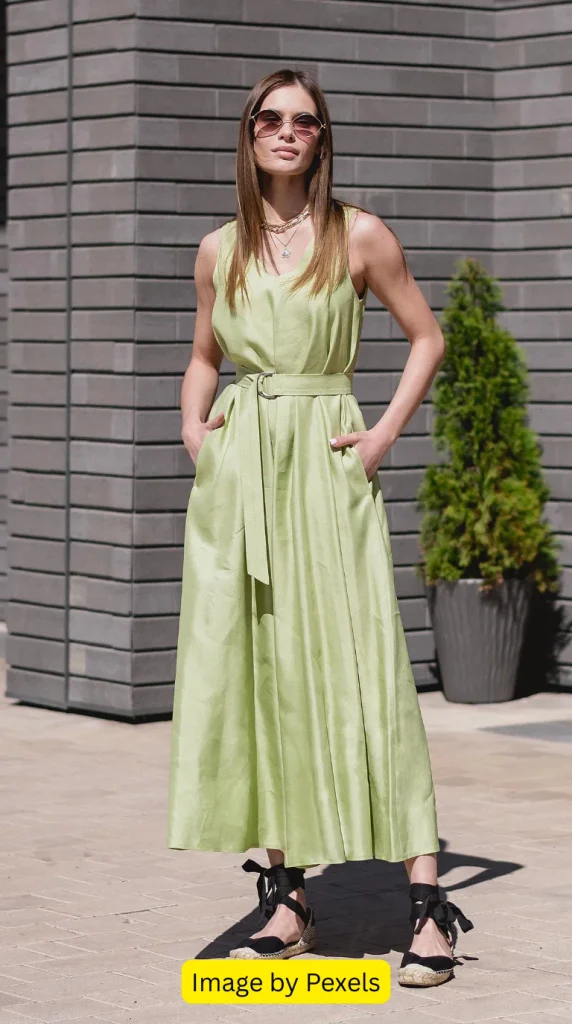
Pistachio is a softer green with a warmer, slightly yellow undertone than traditional sage.
A flowing dress in this shade can create a fresh appearance without becoming overly bright. Keep the accessories simple so the unusual color remains the visual focus.
Warm metallics, nude shoes, and cream accessories can all work well.
Best for: Countryside weddings, daytime ceremonies, summer receptions.
11. Lilac Satin Gown
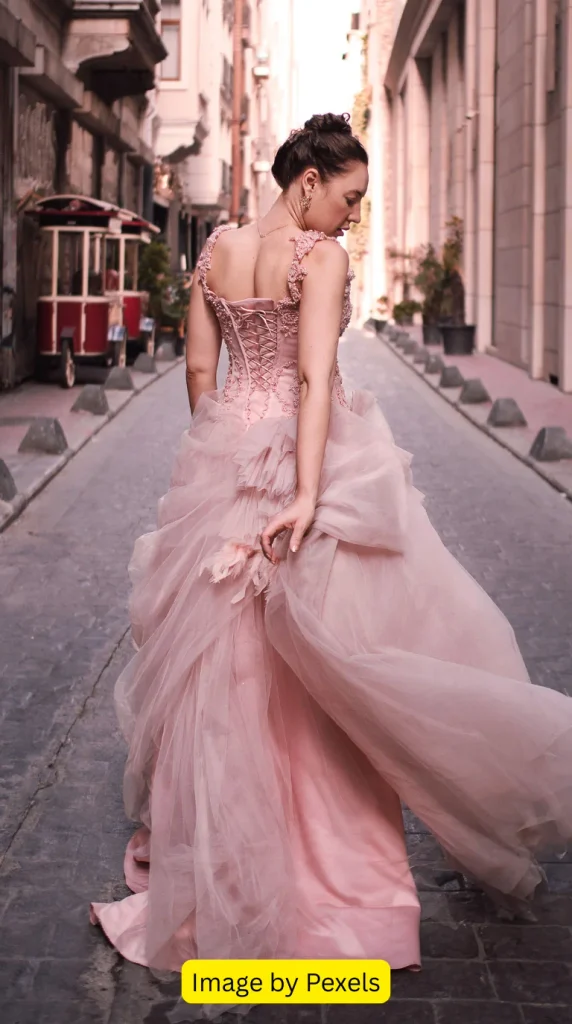
Lilac becomes particularly elegant when paired with a luxurious fabric.
A satin gown in a muted lilac shade can work beautifully for an evening wedding, especially when the silhouette is long and streamlined.
Choose silver or crystal accessories for a cooler appearance, or add subtle champagne accents for warmth.
Best for: Evening weddings, formal receptions, luxury hotels.
12. Pale Coral Statement
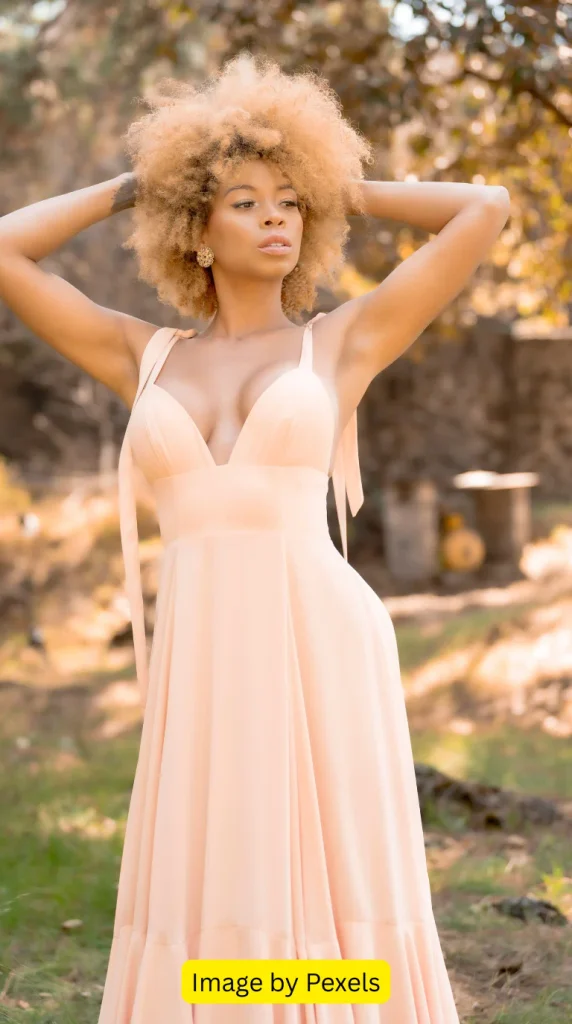
Pale coral gives pastel dressing a little more energy than blush or lavender.
The warm pink-orange undertone can brighten the overall appearance without becoming as intense as traditional coral.
A clean A-line or softly draped silhouette keeps the color elegant. Neutral accessories prevent the warm shade from becoming visually overwhelming.
Best for: Summer weddings, outdoor receptions, destination celebrations.
13. Blue-Grey Refinement
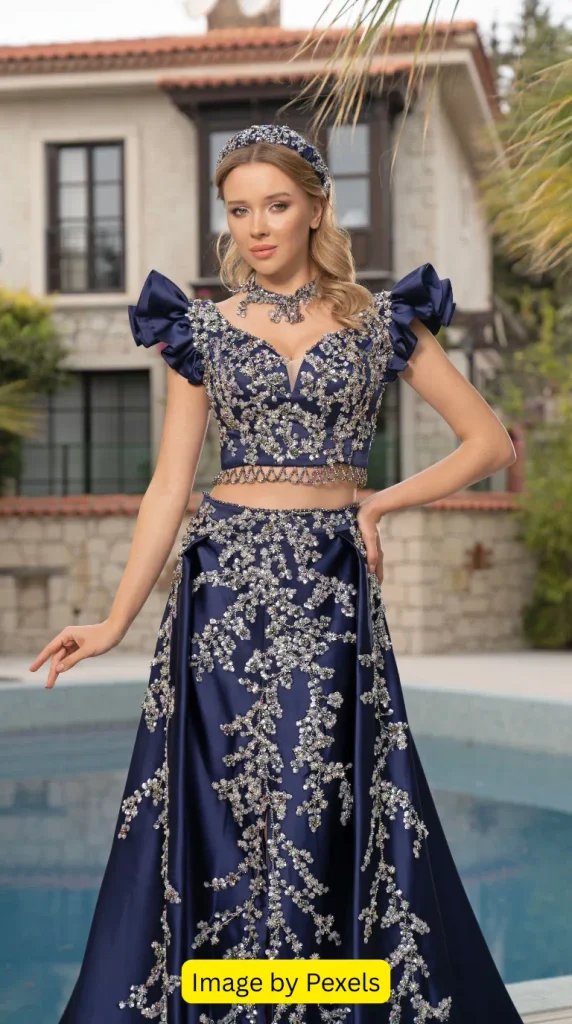
Pastels don’t always have to look obviously colorful.
A blue-grey dress offers a sophisticated, subdued interpretation of pastel dressing. The muted tone works particularly well with satin, crepe, and tailored silhouettes.
Silver jewelry reinforces the cool palette, while black accessories can create a sharper evening look.
Best for: Formal evening weddings, city venues, elegant hotels.
14. Champagne Blush Sophistication
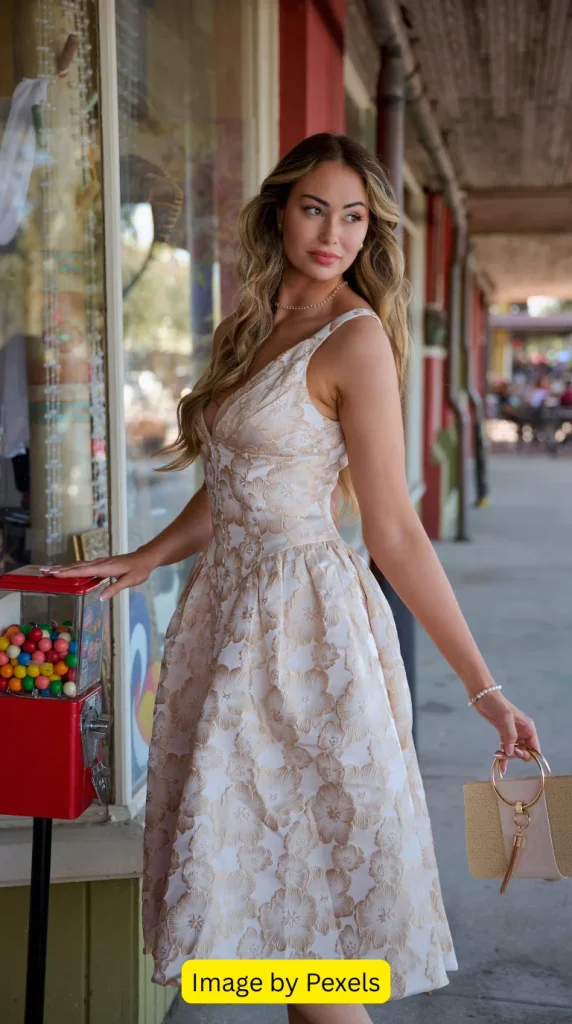
A champagne-blush dress combines warm beige with a subtle pink undertone.
The result is softer than traditional beige but more sophisticated than an extremely pale pink. Satin or silk-like fabrics can make this color especially elegant.
Because champagne and blush can photograph very lightly, check the exact shade carefully before wearing it to a wedding.
Best for: Formal receptions, luxury venues, evening weddings.
Important: Avoid shades that are close enough to bridal white to create confusion.
15. Soft Mauve Elegance
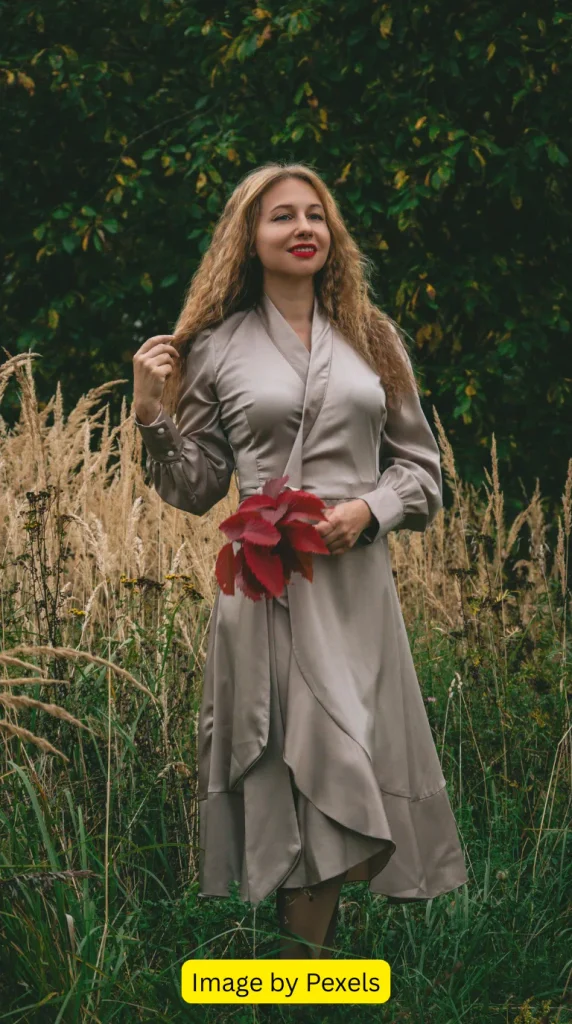
Mauve is technically deeper than many traditional pastels, but a softened mauve can work beautifully within a pastel-inspired wedding wardrobe.
Its slightly dusty purple-pink character gives it more depth than pale blush while remaining romantic.
A long-sleeve crepe dress or flowing chiffon gown can make the shade feel sophisticated rather than overly sweet.
Best for: Fall-to-spring weddings, formal venues, evening celebrations.
16. Pastel Floral Dress
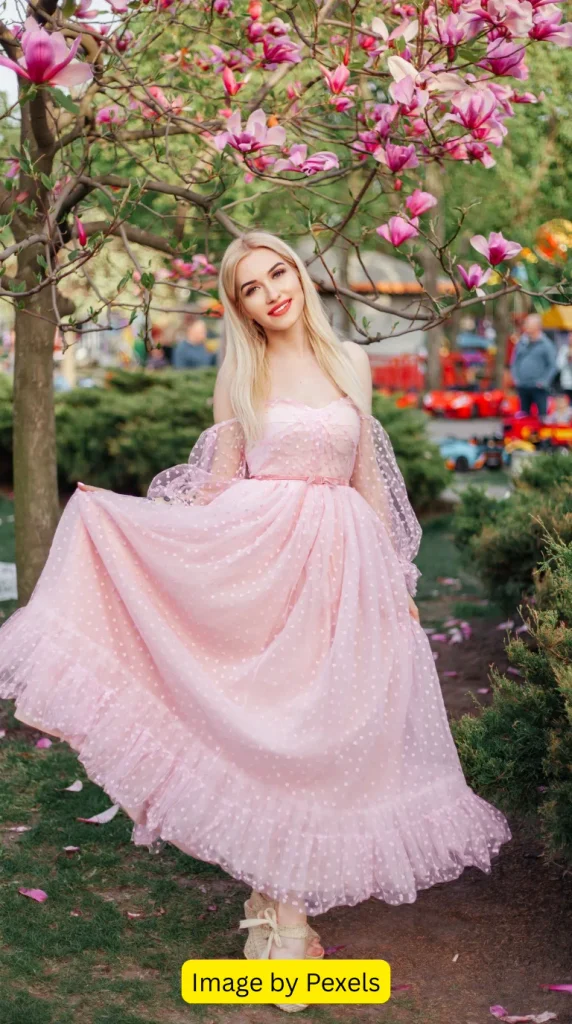
Pastels can also appear through the print rather than the entire base color.
Choose a dress with delicate flowers in combinations such as lavender and sage, blush and blue, or peach and soft green.
Keep the floral scale appropriate to the occasion. Small or medium prints generally feel more refined for formal celebrations than oversized, high-contrast patterns.
Best for: Gardens, daytime weddings, spring and summer celebrations.
17. Pastel Pleated Midi
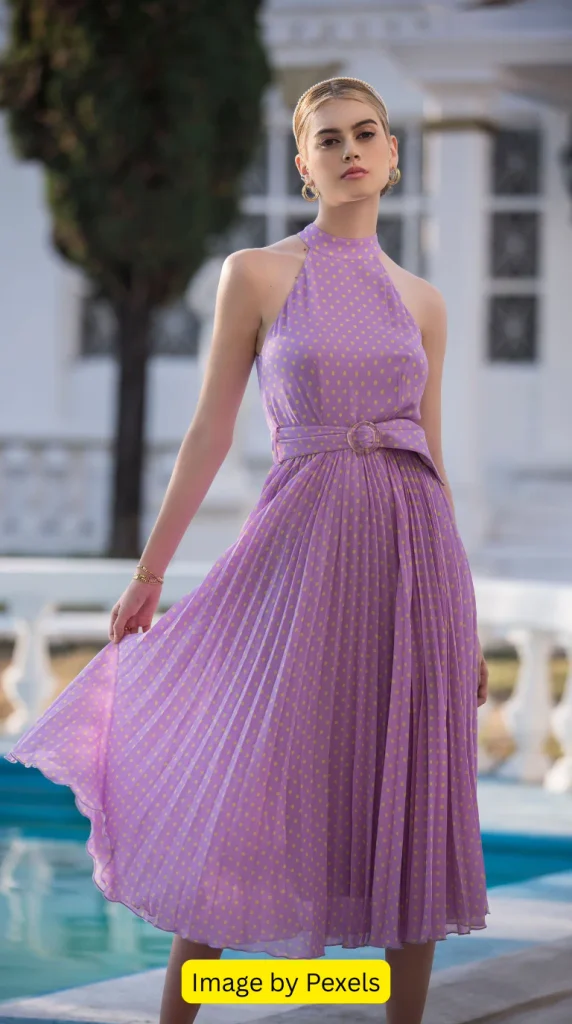
Pleating adds texture and movement without requiring embellishment.
A pastel pleated midi dress can be an excellent middle ground when you want something more polished than a casual sundress but less formal than a floor-length gown.
Choose a structured bodice and refined neckline for a more elevated appearance.
Best for: Cocktail-to-formal weddings, daytime receptions, garden venues.
18. Pastel One-Shoulder Gown
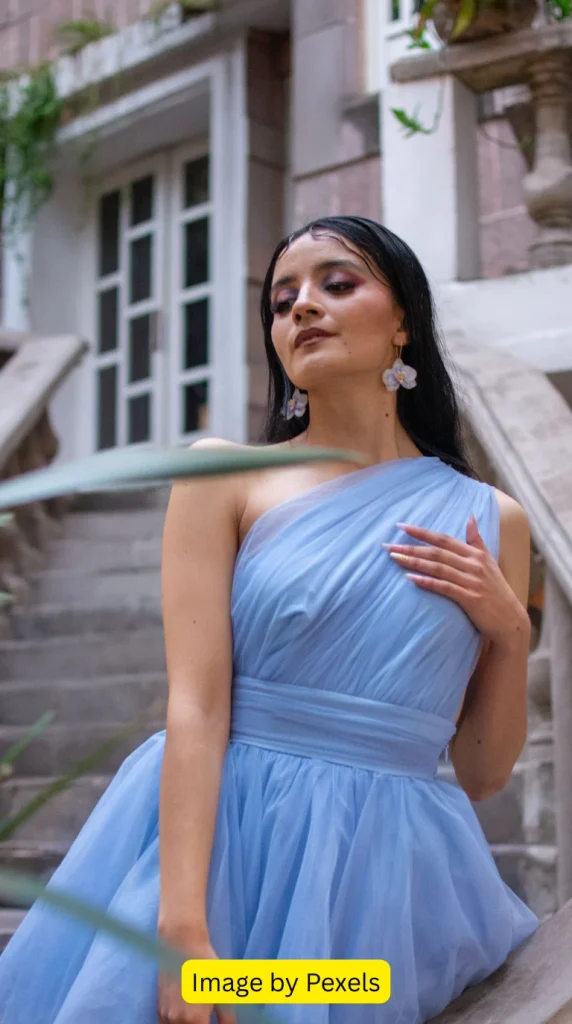
A one-shoulder neckline gives a pastel dress a distinctly modern direction.
The asymmetrical neckline creates visual interest while allowing the soft color to remain elegant rather than overly delicate.
Satin and crepe work particularly well because they provide enough structure to support the neckline.
Best for: Evening weddings, formal receptions, contemporary venues.
19. Pastel High-Neck Dress
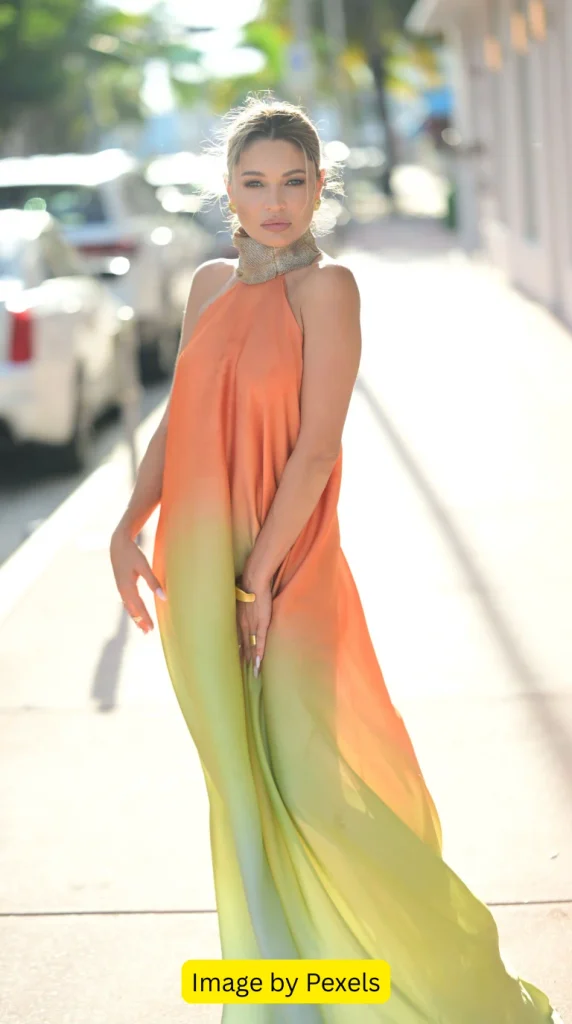
For guests who prefer additional coverage, a high-neck pastel dress can feel graceful and contemporary.
A simple neckline works particularly well when combined with a flowing skirt or softly defined waist.
Instead of adding a large necklace, let the neckline remain clean and use earrings or a bracelet as the main jewelry detail.
Best for: Formal daytime weddings, religious ceremonies, sophisticated indoor venues.
20. Pastel Draped Gown
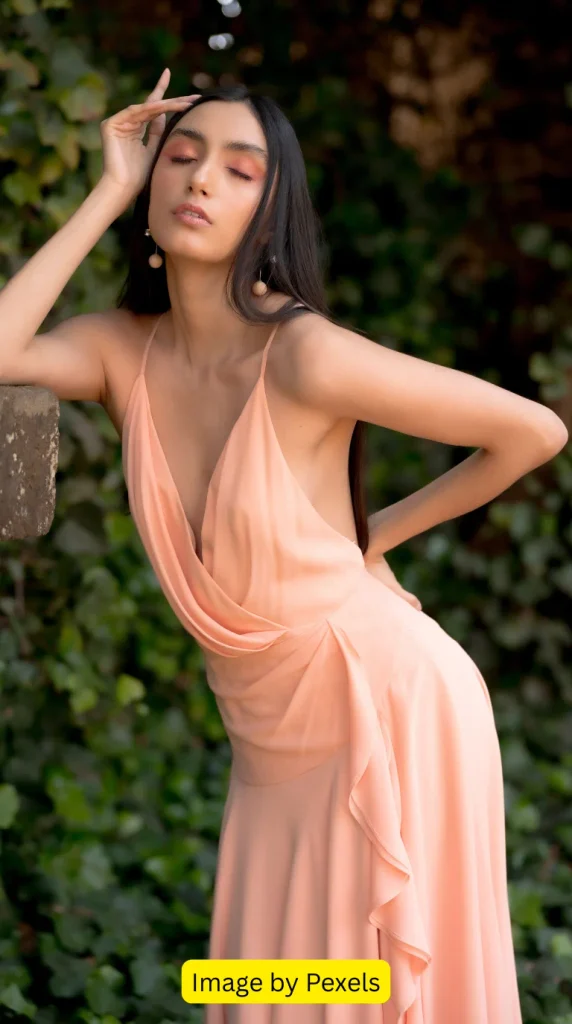
Draping can transform a simple pastel color into a more luxurious evening look.
Look for controlled folds around the waist, shoulder, or neckline rather than excessive ruching. Satin and crepe are particularly effective because they hold elegant draping while maintaining a polished silhouette.
This style is ideal when you want your dress to feel visually interesting without relying on sequins or heavy decoration.
Best for: Black-tie weddings, evening receptions, upscale venues.
21. Monochrome Pastel Look
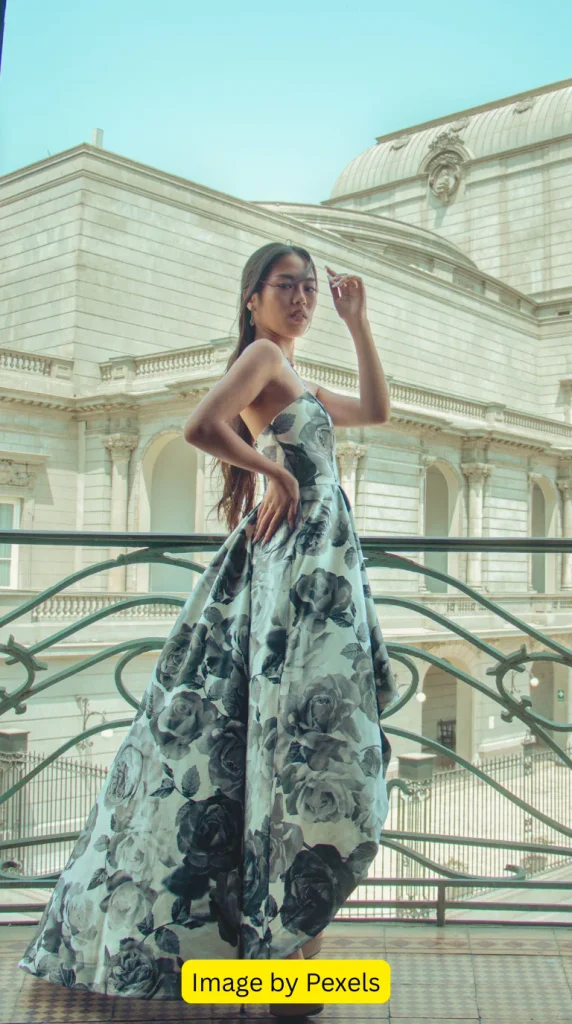
Instead of matching a pastel dress with contrasting accessories, build the entire outfit around one color family.
For example, a dusty pink dress can be paired with blush-toned shoes and a slightly deeper rose handbag. A lavender dress can be styled with lilac accessories and silver jewelry.
The key is variation rather than exact matching. Different tones and textures prevent the outfit from looking overly coordinated.
Best for: Minimalist dressers, modern venues, formal celebrations.
How to Choose the Right Pastel Shade
Pastel colors can look very different depending on their undertones and the lighting at the venue.
Rather than choosing a shade simply because it is trending, consider how it works with your natural coloring and the atmosphere of the wedding.
| Pastel shade | Overall effect | Pairs well with |
|---|---|---|
| Blush pink | Romantic and soft | Nude, pearl, gold |
| Lavender | Feminine and cool | Silver, crystal, pearl |
| Sage | Muted and sophisticated | Gold, nude, cream |
| Powder blue | Fresh and elegant | Silver, pearl, nude |
| Butter yellow | Warm and cheerful | Gold, champagne, tan |
| Peach | Warm and romantic | Gold, nude, cream |
| Mint | Fresh and delicate | Silver, nude, white-metal tones |
| Mauve | Refined and slightly deeper | Silver, rose gold, nude |
| Periwinkle | Distinctive and cool | Silver, pearl, soft gold |
These are starting points rather than strict rules. Your preferred jewelry metal, footwear, and overall styling can change the effect considerably.
Pastels for Warm Skin Undertones
Warm undertones often pair beautifully with pastels that contain yellow, peach, or golden elements.
Consider:
- Butter yellow
- Peach
- Warm blush
- Pistachio
- Soft coral
- Warm champagne
Gold jewelry can reinforce the warmth, although cooler metals can also create an intentional contrast.
Pastels for Cool Skin Undertones
Cooler undertones often work naturally with blue, purple, pink, and gray-based pastels.
Consider:
- Lavender
- Lilac
- Powder blue
- Periwinkle
- Blue-grey
- Cool blush
Silver, crystal, and pearl accessories can emphasize the cool quality of these colors.
Pastels for Neutral Undertones
Neutral undertones offer considerable flexibility.
You can experiment with both warm and cool pastel families, including:
- Sage
- Dusty rose
- Powder blue
- Lavender
- Peach
- Soft yellow
When choosing between two similar shades, compare them near your face in natural daylight. The better option will usually make your complexion look more even rather than noticeably dull or overly flushed.
Pastels for Daytime Weddings
Daytime weddings generally allow softer and lighter styling.
Consider:
- Midi dresses
- Chiffon
- Pleated fabrics
- Floral prints
- Soft tailoring
- Block heels
- Simple jewelry
The venue and invitation still determine the dress code. A daytime wedding can be formal, so don’t assume that a light-colored dress should automatically be casual.
Pastels for Evening Weddings
Pastel colors can absolutely work after sunset.
The easiest way to make them feel more formal is to choose a luxurious fabric and sophisticated silhouette.
Satin, silk, crepe, elegant draping, floor-length gowns, and refined accessories can transform a soft color into an evening-appropriate look.
Lavender satin, dusty rose crepe, powder blue silk, or champagne-blush gowns can all create a polished appearance when the dress code allows them.
Are Pastel Dresses Appropriate for Black Tie?
Yes, a pastel color can work for black tie, but the silhouette and fabric matter more than the color alone.
A floor-length satin, silk, or refined crepe gown in lavender, powder blue, blush, or another sophisticated pastel can look formal.
A lightweight sundress in the same color would not necessarily meet a black-tie dress code.
When black tie is specified, prioritize:
- Formal length
- Elevated fabric
- Sophisticated construction
- Polished accessories
- Appropriate evening footwear
The pastel shade is simply the color choice.
Can You Wear a Pastel Dress to a Wedding?
Absolutely, but there is one important consideration: how close the shade appears to white.
Very pale blush, champagne, ivory, cream, and extremely diluted pinks can sometimes photograph much lighter than expected.
If you’re unsure, choose a clearly colored pastel such as lavender, sage, powder blue, butter yellow, dusty rose, or peach.
Also consider the couple’s preferences if the invitation includes specific guidance about colors.
How to Accessorize a Pastel Dress
Pastels already have a soft visual quality, so accessories don’t need to be complicated.
For a romantic look
Try:
- Pearls
- Delicate gold jewelry
- Nude heels
- Small satin clutch
For modern styling
Try:
- Sculptural earrings
- Metallic sandals
- Structured handbag
- Minimal jewelry
For formal evening dressing
Try:
- Crystal earrings
- Satin or metallic clutch
- Refined heels
- One noticeable jewelry piece
The goal is to create contrast and definition without covering the dress in competing details.
What Shoes Look Best With Pastel Dresses?
Neutral footwear is usually the easiest option, but you don’t have to stay with nude.
Consider:
- Nude
- Champagne
- Silver
- Gold
- Soft metallics
- Blush
- Tan
For a pastel dress with cool undertones, silver can create a seamless finish. Warmer shades such as peach and butter yellow often work beautifully with gold or champagne.
Venue matters too. A beautiful stiletto may not be practical for a garden, vineyard, or cobblestone setting.
Pastel Wedding Guest Dress Mistakes to Avoid
Pastels can be extremely flattering, but a few styling mistakes can make an otherwise beautiful outfit feel less polished.
Choosing a dress that is too pale
A color that looks pink or champagne online may appear nearly white in daylight or photographs.
Ignoring the dress code
Pastel does not automatically mean casual. Choose the silhouette and fabric according to the invitation.
Matching every accessory
A pastel dress does not need perfectly matching shoes, bag, jewelry, and hair accessories.
Using too many soft details
Ruffles, bows, lace, pearls, florals, and pastel color can become excessive when combined. Choose a clear focal point.
Forgetting the venue
A delicate high heel may be impractical for grass or cobblestones, while a very casual sandal may not suit an elegant hotel reception.
Quick Pastel Dress Decision Guide
| If the wedding is… | Consider… |
|---|---|
| Garden daytime | Lavender chiffon, blush floral, mint pleats |
| Vineyard | Sage, peach, dusty rose |
| Beach or coastal | Powder blue, soft peach, mint |
| Formal hotel | Satin blush, lilac gown, blue-grey |
| Black tie | Floor-length pastel satin, silk, or crepe |
| Modern city venue | Monochrome pastel, one-shoulder gown |
| Religious ceremony | High-neck pastel, long sleeves, elegant midi |
| Evening reception | Satin lavender, dusty rose, champagne-blush |
Final Thoughts
A Pastel Wedding Guest Dress can be romantic, sophisticated, modern, or dramatic depending on the color, fabric, silhouette, and accessories you choose.
Blush and dusty rose offer timeless romance. Lavender and lilac bring a cooler, more delicate quality. Sage and pistachio create understated sophistication, while butter yellow and peach add warmth. Powder blue and periwinkle offer a fresh alternative when you want something less traditional.
The most important rule is to choose the pastel according to the wedding’s dress code, venue, time of day, and overall formality.
And before choosing an especially pale shade, check how it looks in natural light and photographs. A pastel should look like a deliberate color choice—not something that could be mistaken for bridalwear.