
Yes, you can wear a midi dress to some black tie weddings, but it depends on how formal the event is and how the dress is styled. For a traditional evening black tie wedding, a floor-length gown remains the safest and most conventional choice. A midi dress can be appropriate when the invitation allows some flexibility, the event takes place earlier in the day, or the dress has a distinctly formal finish.
The important point is that dress length alone does not determine whether an outfit looks formal enough. Fabric, construction, silhouette, fit, shoes, accessories, and overall polish all contribute to the final level of formality.
If you already own a midi dress or prefer one to a gown, use the guidelines below to decide whether it can work for your wedding invitation.
The Short Answer
A formal midi dress can work for a black tie wedding, but it carries more risk than a floor-length gown when the dress code is strict.
For a traditional evening celebration that specifically says Black Tie, choose a floor-length dress when possible. It aligns more closely with the classic expectation and requires less interpretation.
A midi becomes easier to justify when:
- The invitation says Black Tie Optional
- The wedding has a modern or less traditional dress code
- The celebration takes place during the daytime or early evening
- The couple provides more relaxed guidance
- The midi dress has an unmistakably formal design
- The entire outfit is styled with elegant evening accessories
When in doubt, check the invitation and any wedding website information before choosing your outfit.
When a Midi Dress Can Work
A midi dress is not automatically too casual for a wedding. The question is whether the complete outfit communicates the level of formality expected by the hosts.
Black Tie Optional
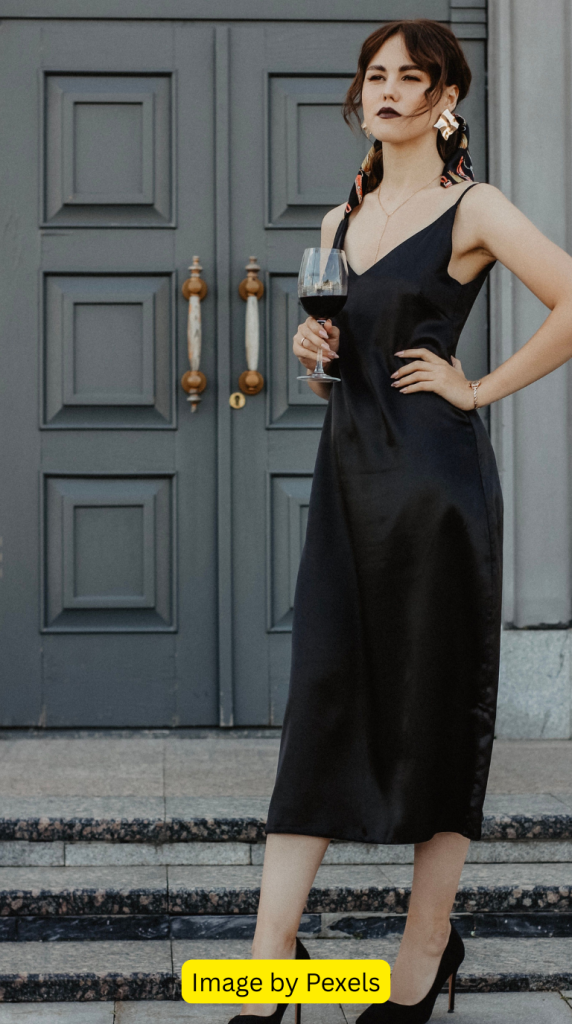
Black Tie Optional gives guests more flexibility than strict black tie. A floor-length gown is still an appropriate choice, but a highly polished midi dress may also fit the occasion.
Look for elevated materials, refined tailoring, sophisticated shoes, and evening-appropriate accessories rather than casual fabrics or everyday styling.
Flexible Wedding Dress Codes

Some couples use black tie language while creating a wedding atmosphere that is contemporary rather than traditionally formal.
If the invitation, wedding website, venue, or other instructions suggest flexibility, a formal midi may be reasonable. The couple’s stated guidance should take priority over assumptions based only on the venue.
Daytime Celebrations
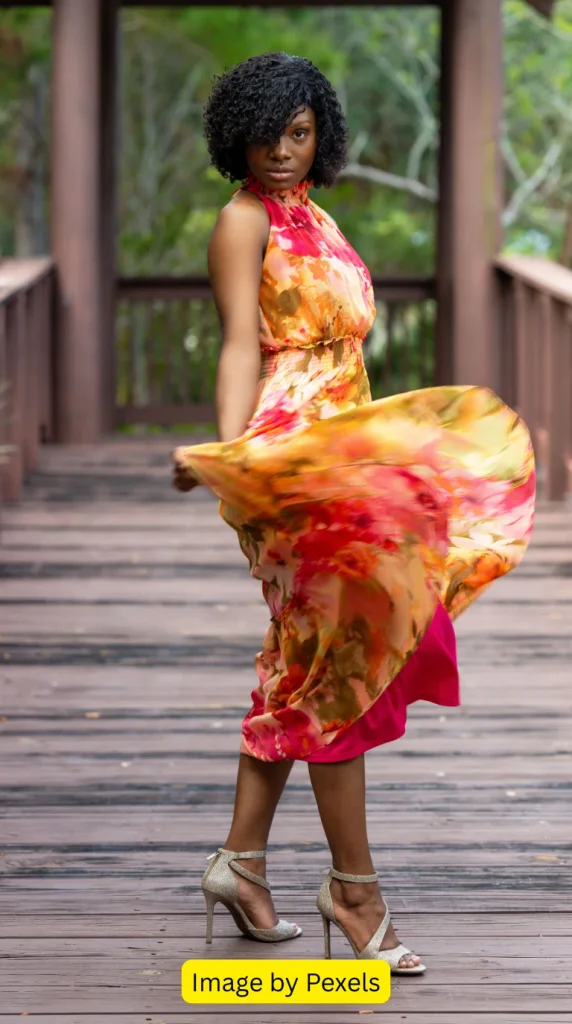
Time of day can affect how formal a wedding feels. A daytime celebration may allow a little more flexibility than a traditional evening black tie reception.
That does not mean a casual midi suddenly becomes black tie appropriate. Choose a structured, polished design with sophisticated accessories if you decide to wear a shorter silhouette.
When You Already Own a Formal Midi
If you have a midi dress you love, evaluate the actual garment before buying something new.
Ask:
- Is the fabric elegant enough for the occasion?
- Does the silhouette look polished rather than casual?
- Is the fit refined?
- Can it be styled with formal shoes and accessories?
- Does the finished outfit look appropriate for the invitation?
If the answer is yes to most of these questions, the dress may work for a flexible black tie event.
When to Choose Floor Length
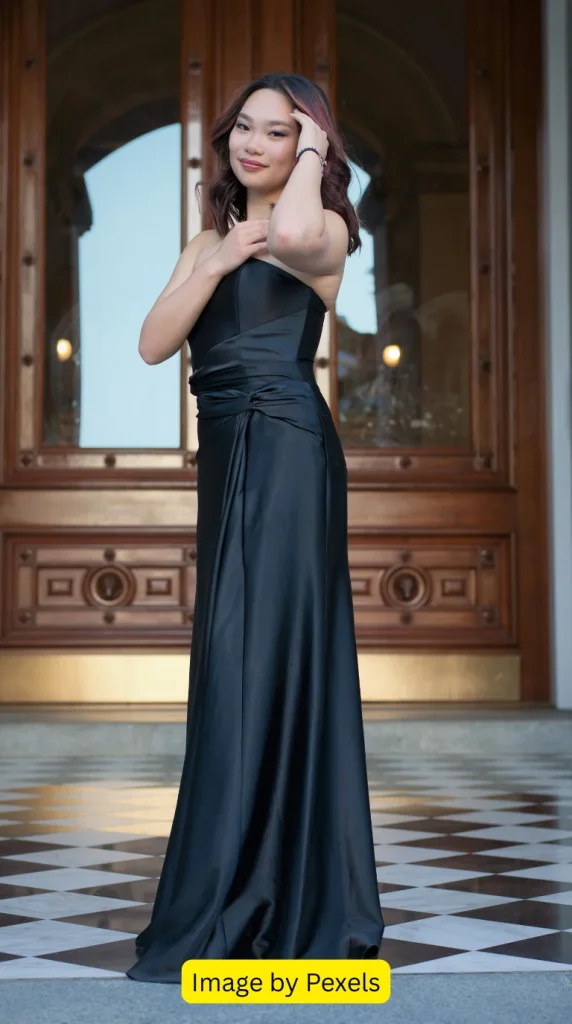
There are situations where a floor-length gown is the clearer choice.
Choose floor length when:
- The invitation explicitly says Black Tie
- The wedding is an evening formal reception
- The venue has a highly formal atmosphere
- The couple’s wedding website shows traditional black tie expectations
- You are unsure how strictly the dress code will be interpreted
- You want the least ambiguous option
A floor-length dress communicates formal evening dressing immediately. With a midi, more of the formality has to come from the fabric, construction, styling, and overall finish.
For a strict black tie wedding, that distinction matters.
What Makes a Midi Dress Look Formal?
The length of a midi dress is only one part of the equation. A well-designed midi can look considerably more formal than a poorly styled floor-length dress.
Fabric

Fabric has a major effect on the impression of an outfit.
Materials with an elegant drape, subtle sheen, rich texture, or structured finish can make a midi feel more evening appropriate.
Depending on the season and design, consider fabrics such as:
- Satin
- Silk
- Velvet
- Chiffon
- Crepe
- High-quality structured fabrics
The goal is not simply to choose an expensive-looking material. The fabric should suit the dress design and the overall formality of the wedding.
Construction
Look for details that make the dress feel intentionally formal.
A structured neckline, clean seams, thoughtful draping, elegant pleating, or carefully tailored construction can elevate a midi silhouette.
Avoid designs that look primarily intended for everyday wear.
Silhouette
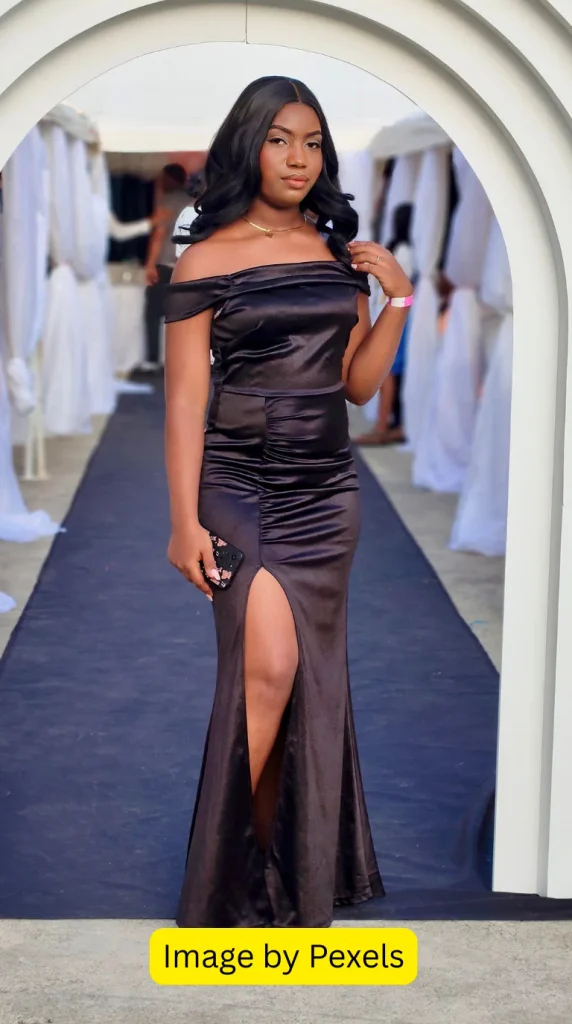
A sophisticated silhouette can help a midi feel more formal.
Consider:
- Clean column shapes
- Refined A-line silhouettes
- Elegant wrap designs
- Structured fit-and-flare styles
- Draped evening silhouettes
The best choice depends on your proportions and personal style, but the overall shape should look polished rather than casual.
Fit
A formal dress should look intentional.
A midi that is excessively loose, visibly stretched, poorly altered, or uncomfortable can undermine an otherwise elegant design.
If necessary, professional alterations can make a significant difference to the finished appearance.
Shoes
Shoes can change the formality of the entire outfit.
Elegant pumps, refined heeled sandals, or sophisticated evening shoes generally work better than casual footwear.
Choose shoes that complement the dress rather than competing with it.
Accessories
Accessories should reinforce the formal character of the outfit.
Consider:
- A structured clutch
- Delicate jewelry
- Statement earrings
- An elegant bracelet
- A refined evening wrap when appropriate
You do not need to wear every accessory at once. A few intentional pieces can look more polished than an overloaded combination.
Midi vs Floor Length
The easiest way to make a decision is to compare the two silhouettes based on the event rather than treating one length as universally correct.
| Factor | Formal Midi | Floor-Length Dress |
|---|---|---|
| Traditional black tie | More interpretation required | Most conventional |
| Black tie optional | Can work | Excellent fit |
| Formal evening wedding | Depends on design | Strong choice |
| Daytime formal wedding | Can be practical | May still work |
| Styling flexibility | High | High |
| Risk of looking too casual | Higher | Lower |
| Formality communicated by length | Moderate | Strong |
This does not mean every floor-length dress is formal enough or every midi is too casual. The complete outfit still matters.
How to Style a Formal Midi
If you decide that a midi is appropriate for your event, style it as a complete evening outfit rather than treating it like an everyday dress.
Choose Elegant Shoes
A polished pair of heels can immediately make the outfit feel more formal.
Pointed-toe pumps, delicate sandals, or other refined evening shoes can work depending on the dress and venue.
Add Intentional Jewelry
Choose jewelry that complements the neckline and fabric.
Statement earrings can work beautifully with a simple neckline, while a delicate necklace may be more appropriate for a dress with detailed construction.
Carry a Small Clutch
A compact evening clutch usually looks more appropriate than a large everyday handbag.
Choose a shape and material that complement the dress without overwhelming it.
Keep the Finish Polished
Hair, makeup, nails, and other finishing details contribute to the overall impression.
The goal is not to create an elaborate look. It is to make sure every part of the outfit feels intentional and coordinated.
If You Already Own a Midi
Before purchasing a new dress, put your existing midi through a simple formality test.
Step 1: Check the Invitation
Read the exact dress-code wording first.
If the invitation says strict Black Tie, recognize that floor length is the safer traditional choice.
Step 2: Examine the Dress
Look at the fabric, neckline, construction, silhouette, and fit.
Ask whether the dress looks like an evening garment or an everyday dress.
Step 3: Build the Complete Outfit
Add your shoes, jewelry, clutch, and other accessories.
Sometimes a dress that looks fairly simple on its own becomes much more formal as part of a carefully coordinated outfit.
Step 4: Consider the Setting
Think about the time, venue, and overall wedding atmosphere.
These details can help you determine how strictly to interpret the dress code.
Step 5: Ask If You Are Still Unsure
If the invitation leaves room for interpretation, asking the couple or wedding party is better than guessing.
A simple question about whether a formal midi is acceptable can prevent unnecessary uncertainty.
Common Midi Dress Mistakes
A midi can work for a formal wedding, but some styling choices can make it appear too casual.
Choosing an Everyday Fabric
Cotton, casual jersey, lightweight daytime fabrics, or visibly casual materials may not create the right impression for a formal evening wedding.
Wearing Casual Shoes
Even an elegant midi can look considerably less formal when paired with casual footwear.
Using an Everyday Handbag
A large work bag or casual shoulder bag can undermine an otherwise polished outfit.
Overloading Accessories
More jewelry does not automatically make an outfit more formal. Too many competing pieces can make the look appear less refined.
Ignoring the Invitation
The dress itself should never be evaluated separately from the dress code.
If the invitation clearly requests traditional black tie, choosing a midi simply because it looks elegant may still be a questionable interpretation of the hosts’ expectations.
Treating Length as the Only Rule
The opposite mistake is assuming that anything shorter than floor length is automatically inappropriate.
Formality is influenced by the complete outfit, not just the hemline.
A Simple Midi Dress Checklist
Before wearing a midi to a black tie wedding, ask yourself:
- Does the invitation allow flexibility?
- Is the wedding formal enough for this particular dress?
- Does the fabric look elevated?
- Is the construction polished?
- Is the fit flattering and intentional?
- Are the shoes formal?
- Do the accessories suit an evening occasion?
- Does the complete outfit look more formal than everyday?
- Have the couple provided any additional guidance?
If several answers are uncertain, a floor-length dress is the simpler choice for a traditional evening black tie wedding.
Final Takeaway
A midi dress can work for a black tie wedding, but it depends on the dress code and the complete outfit.
For traditional evening black tie, a floor-length gown remains the safest and most conventional option. A formal midi becomes more reasonable when the invitation allows flexibility, the event is less traditional, or the couple’s guidance supports a shorter silhouette.
If you choose a midi, focus on the details that communicate formality: elegant fabric, refined construction, polished fit, sophisticated shoes, and carefully selected accessories.
The key is not simply asking, “Is a midi long enough?” Instead, ask whether the entire outfit communicates the level of formality requested by the hosts.
FAQs
Is a midi dress too short for black tie?
Not necessarily, but a midi requires more consideration than a floor-length gown. For traditional evening black tie, floor length remains the safest choice.
Can I wear a satin midi dress to a black tie wedding?
A well-designed satin midi can look formal, but fabric alone does not determine whether the outfit meets the dress code. Consider the silhouette, construction, shoes, accessories, venue, and invitation wording as well.
Can a midi dress work for black tie optional?
Yes. Black Tie Optional provides more flexibility, and a sophisticated formal midi can be appropriate when styled for the occasion.
What shoes should I wear with a formal midi?
Elegant pumps, refined heeled sandals, or other polished evening shoes are generally suitable. Choose footwear that complements the dress and venue.
Can I wear a black midi dress to a black tie wedding?
Yes. Black is a natural color choice for formal evening dressing, but the dress should still have an appropriately polished design and styling.
Should I choose a midi or floor-length dress?
For strict traditional evening black tie, floor length is the safer conventional option. A midi may work when the dress code or event provides greater flexibility.