
Choosing the right fabric can make a formal dress look polished, luxurious, and appropriate for the occasion. Two dresses can have a similar silhouette but create completely different impressions because of their fabric, weight, texture, and drape.
For a black-tie wedding, the fabric should generally feel refined enough for an evening celebration while still being practical for the venue, season, and length of the event. Satin can create a glossy, glamorous effect, while crepe offers a smoother and more understated finish. Velvet feels rich and substantial, whereas chiffon creates softness and movement.
This guide covers 18 formal dress fabrics worth considering for weddings and other upscale occasions. Instead of simply listing materials, each option explains what makes it distinctive, when it works best, and what to consider before choosing it.
Satin
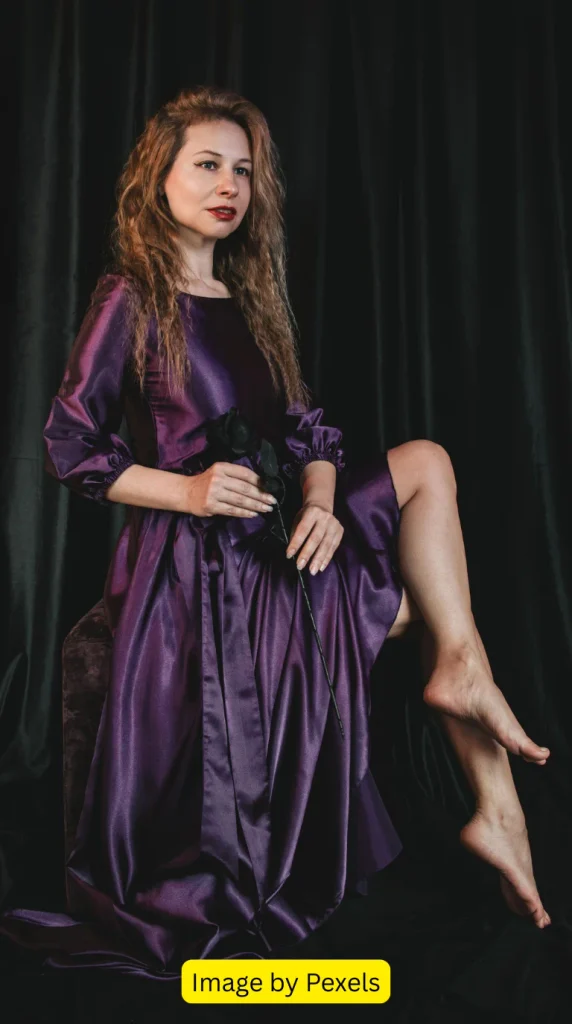
Satin is one of the most recognizable choices for formal evening dresses because of its smooth surface and noticeable sheen. It catches light beautifully and can make a simple silhouette look more luxurious.
The fabric works particularly well with floor-length gowns, draped designs, slip silhouettes, column dresses, and softly structured styles. Its fluid appearance can create elegant movement without requiring extensive embellishment.
Best for: Evening weddings, glamorous venues, minimalist gowns, and elegant draped silhouettes.
Consider: Satin can show wrinkles, folds, and fit issues more readily than textured fabrics, so careful tailoring and storage matter.
You can also read our guide related to Satin Wedding Guest Dresses before choosing your final look.
Silk
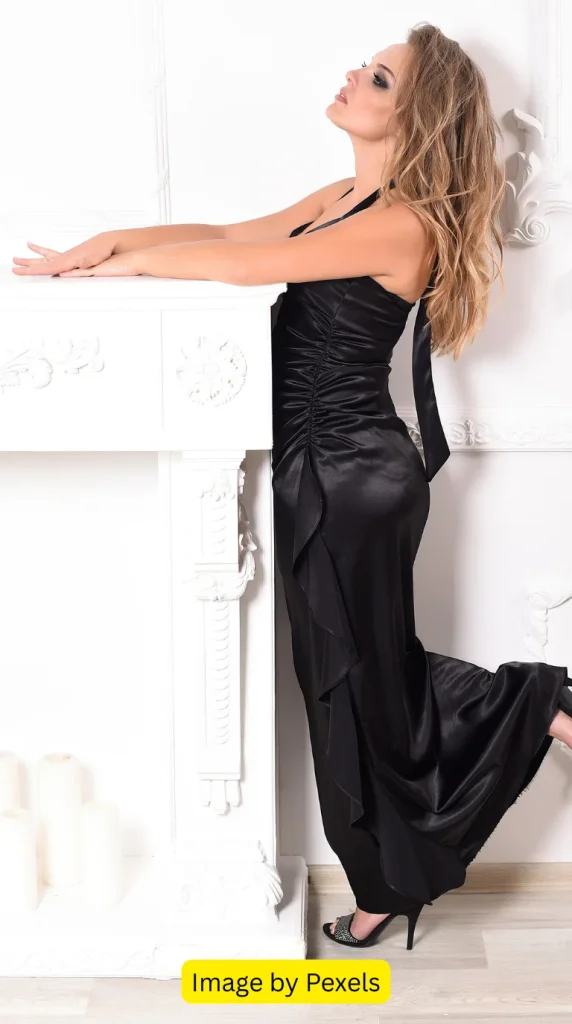
Silk offers a naturally luxurious appearance with a soft hand feel and elegant drape. Depending on the weave and finish, silk can range from fluid and delicate to more structured.
For formal wedding guest dresses, silk works especially well when the goal is understated luxury rather than heavy decoration. A simple silk gown can look sophisticated with minimal jewelry and classic footwear.
Best for: Upscale evening weddings, refined minimalist looks, and guests who prefer natural luxury.
Consider: Different silk weaves behave very differently, so check the specific fabric rather than judging all silk dresses the same way.
Chiffon
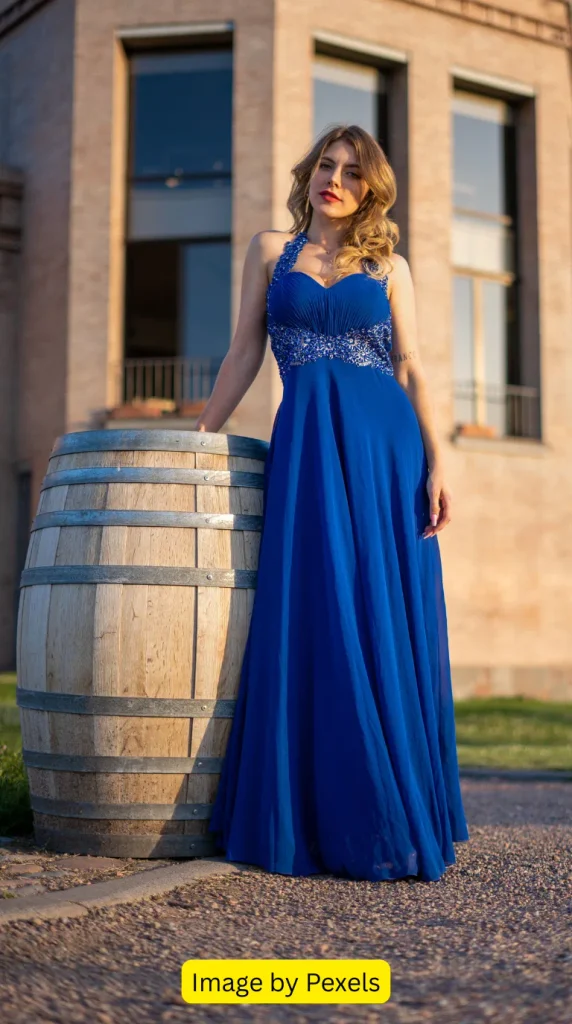
Chiffon is lightweight, airy, and known for its soft movement. It is frequently used for flowing formal dresses, layered skirts, sleeves, overlays, and draped details.
Because chiffon is relatively light, it can create an elegant appearance without the visual weight of heavier formal fabrics. Multiple layers may be used to provide additional coverage and structure.
Best for: Romantic weddings, flowing silhouettes, warm seasons, and dresses with movement.
Consider: Chiffon is delicate and often benefits from a lining or layered construction.
Velvet
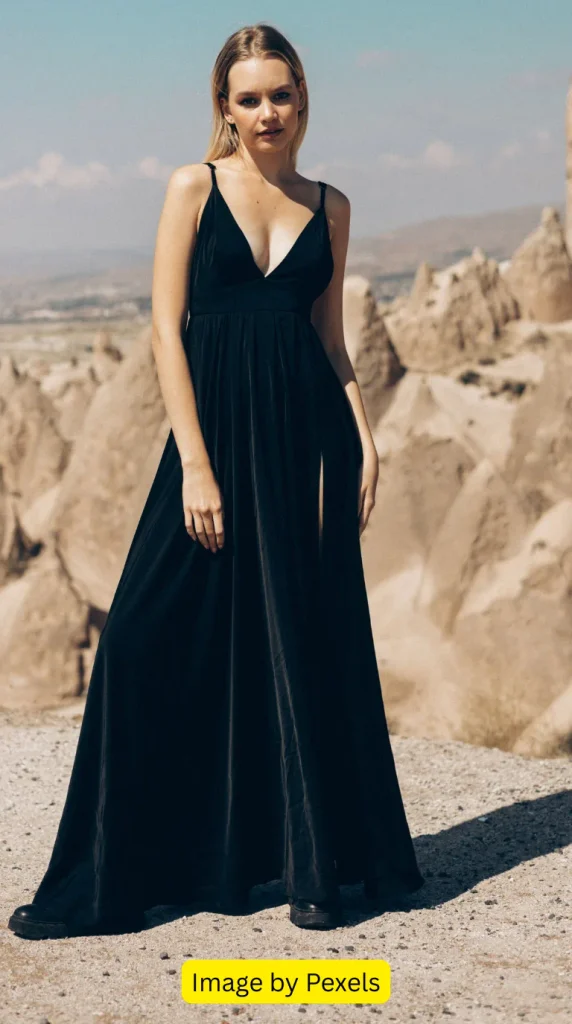
Velvet has a dense, soft surface that gives formalwear a rich and dramatic appearance. Its texture absorbs and reflects light differently from smooth fabrics, making it especially striking in evening settings.
Deep shades such as burgundy, emerald, navy, and black work naturally with velvet’s luxurious character. Long sleeves and floor-length silhouettes can make velvet particularly effective for winter weddings.
Best for: Fall and winter weddings, evening receptions, grand venues, and dramatic formal looks.
Consider: Velvet can feel warm, so it may be less comfortable for hot-weather celebrations.
Crepe
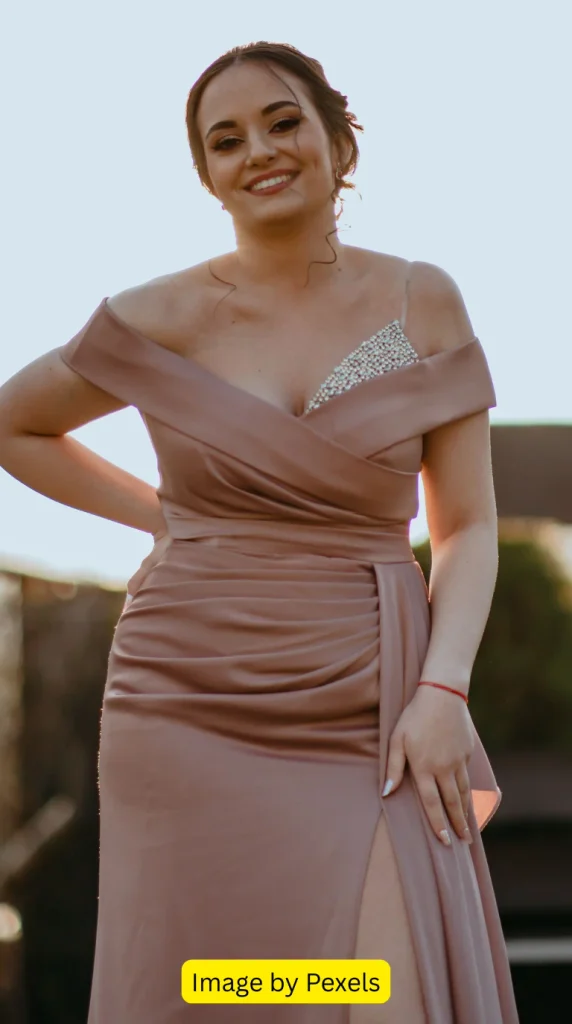
Crepe has a relatively matte appearance and a smooth, fluid drape that makes it a strong choice for understated formalwear. Unlike highly glossy fabrics, it creates elegance through its clean surface and tailored construction.
Crepe works particularly well with column, sheath, A-line, and structured floor-length silhouettes. It is also useful when you want the dress design rather than fabric shine to be the main visual feature.
Best for: Minimalist formalwear, sophisticated evening dresses, and clean silhouettes.
Consider: Some crepes are heavier or more structured than others, so fabric weight can significantly affect the finished dress.
Georgette
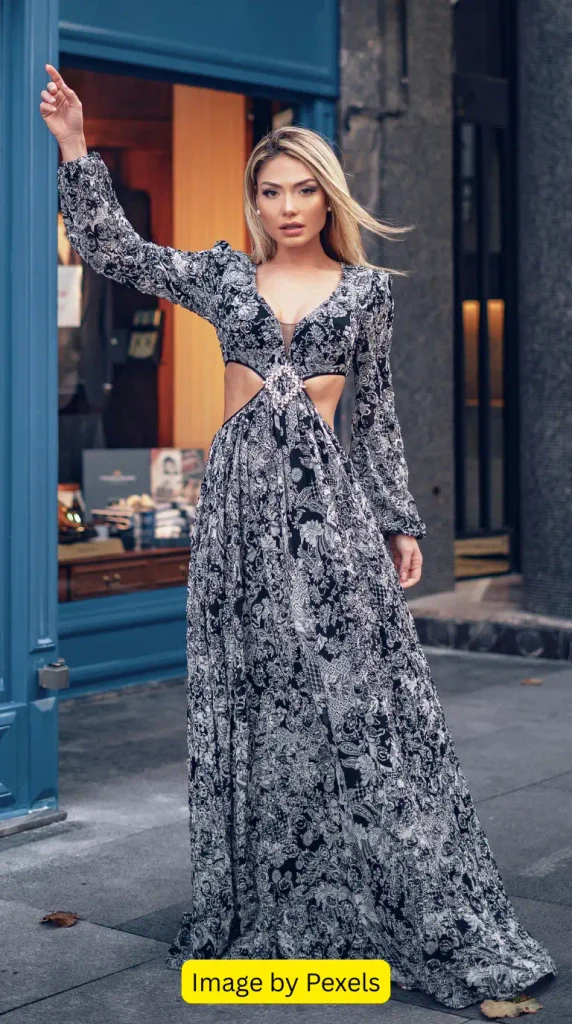
Georgette is a lightweight fabric with a slightly textured surface and soft drape. It has more visual texture than satin while retaining the fluid movement associated with lightweight formal fabrics.
It can work beautifully for flowing dresses, sleeves, layered skirts, and softly gathered details. The subtle texture also makes it an appealing option when you want movement without a glossy finish.
Best for: Romantic formal dresses, flowing designs, and spring or summer weddings.
Consider: Lightweight georgette may require lining depending on its opacity and construction.
Organza
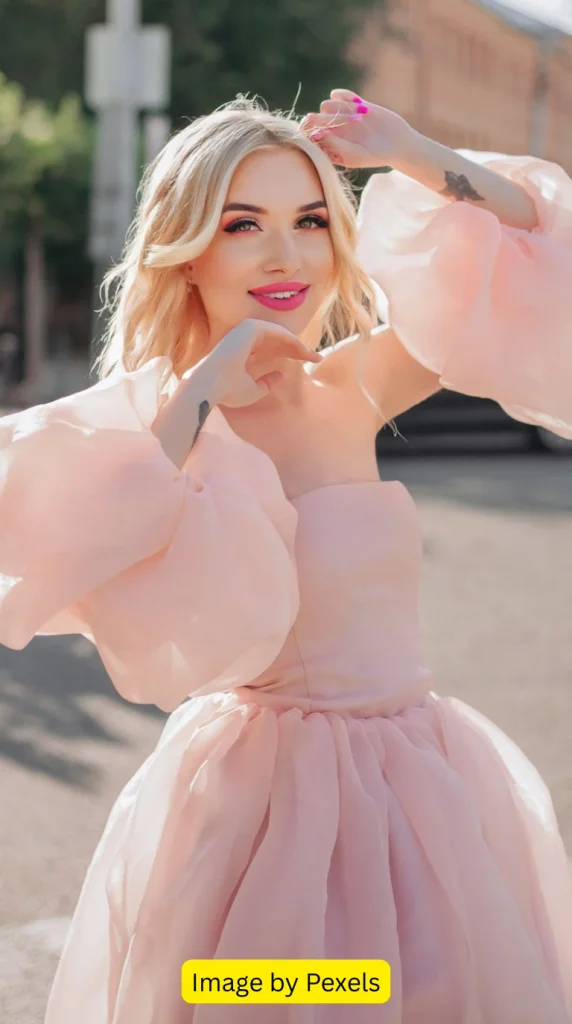
Organza is lightweight but comparatively crisp, giving it more structure than chiffon or georgette. This makes it useful for creating volume, defined sleeves, overlays, bows, and fuller skirts.
An organza skirt can create a dramatic formal effect without relying entirely on heavy fabric. It is especially effective when used strategically rather than throughout an extremely structured gown.
Best for: Statement sleeves, fuller skirts, overlays, and modern formal silhouettes.
Consider: Its crisp structure can feel less fluid than chiffon or silk.
Taffeta
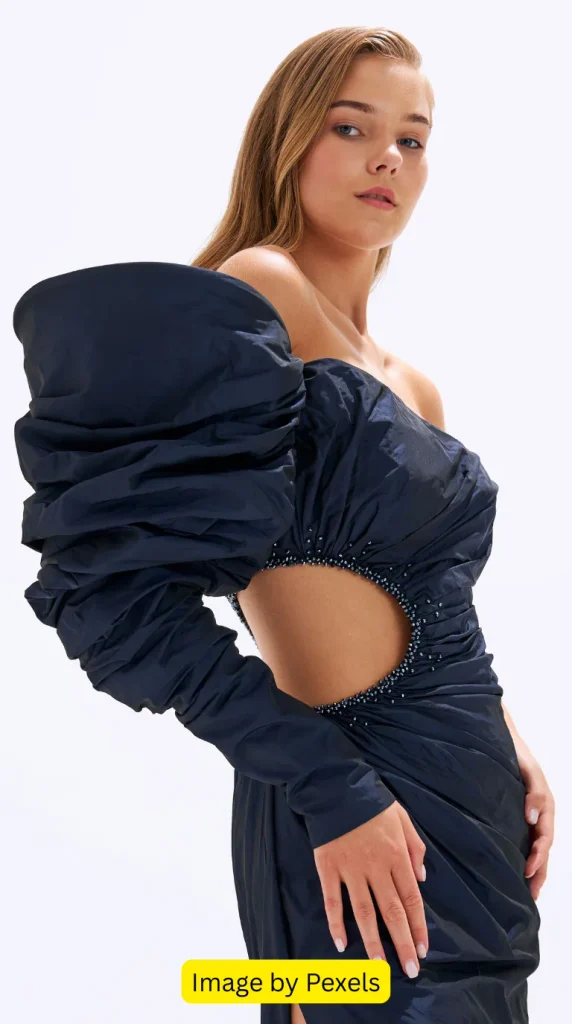
Taffeta is known for its crisp structure and subtle sheen. It holds its shape well, making it particularly useful for dresses with volume, defined pleats, sculpted skirts, and architectural silhouettes.
For a black-tie wedding, taffeta can create a polished and traditional appearance without requiring extensive embellishment.
Best for: Ballgown-inspired silhouettes, structured skirts, formal evening weddings, and dramatic shapes.
Consider: Taffeta has more structure than fluid fabrics, so it may not be the best choice for someone seeking a soft, flowing dress.
Lace
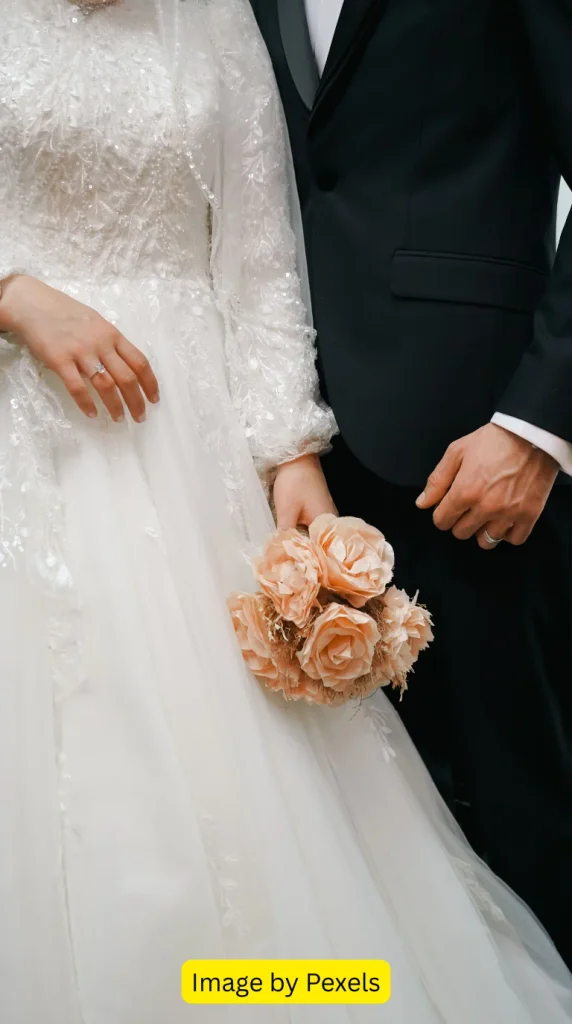
Lace adds pattern and texture rather than relying on shine. It can appear romantic, sophisticated, vintage-inspired, or modern depending on its scale, pattern, and placement.
For wedding guest dresses, lace can be used across the entire dress or as a detail on sleeves, bodices, necklines, or overlays. A lace dress with a clean silhouette can feel formal without appearing overly embellished.
Best for: Romantic weddings, elegant evening dresses, sleeves, overlays, and textured formalwear.
Consider: Large or highly decorative lace patterns can become the dominant feature, so accessories may need to remain simple.
Mikado
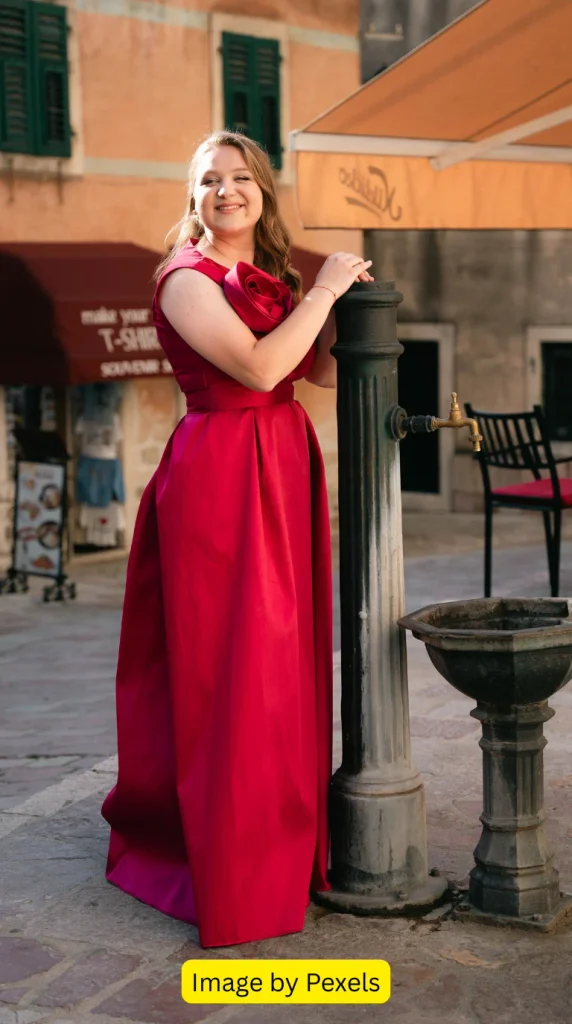
Mikado is a substantial fabric often associated with polished formal gowns. It has more body than lightweight silk fabrics and can hold structured shapes particularly well.
Its relatively smooth finish provides a sophisticated foundation for A-line gowns, architectural silhouettes, and dramatic skirts.
Best for: Structured formal gowns, grand venues, sophisticated evening weddings, and polished silhouettes.
Consider: Its heavier structure may be more comfortable in cooler weather than during hot outdoor events.
Charmeuse
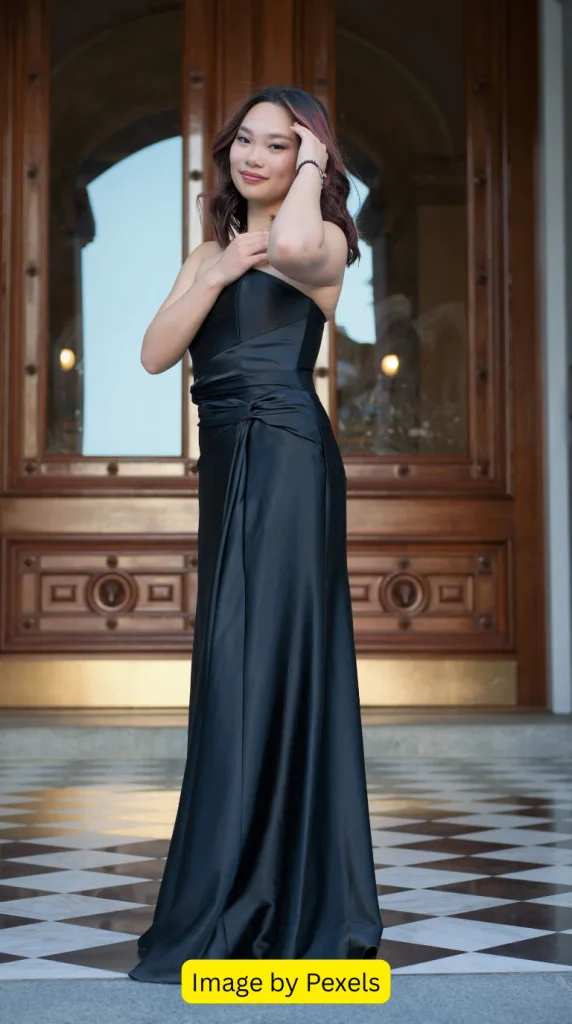
Charmeuse has a smooth, fluid surface with a soft sheen. It is often associated with elegant slip dresses and softly draped silhouettes because it moves naturally with the body.
This fabric can create a sophisticated look without extensive decoration. A simple charmeuse gown paired with refined accessories can feel particularly elegant for an evening reception.
Best for: Slip dresses, draped gowns, minimalist styling, and evening celebrations.
Consider: Its fluid nature means that fit and construction are especially important.
Jersey
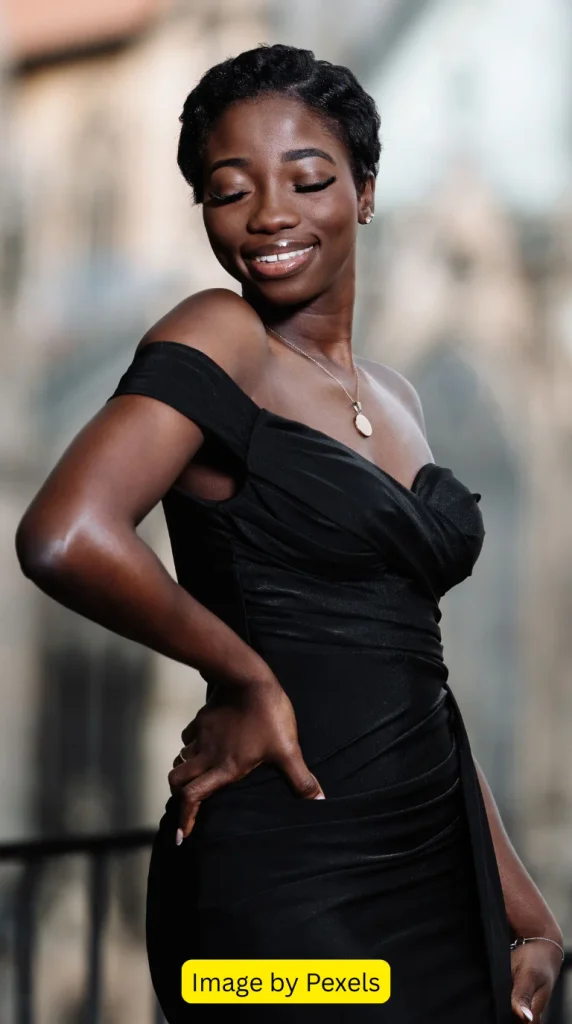
Jersey is a knitted fabric known for its stretch and comfortable movement. While lightweight casual jersey is not appropriate for every black-tie setting, high-quality formal jersey can be used for elegant gowns.
Its flexibility can make it appealing for long celebrations where ease of movement matters. Draped jersey designs can also create graceful lines without restrictive construction.
Best for: Comfortable formal dresses, draped silhouettes, travel-friendly outfits, and long receptions.
Consider: Choose a substantial, high-quality formal jersey rather than thin casual jersey.
Brocade
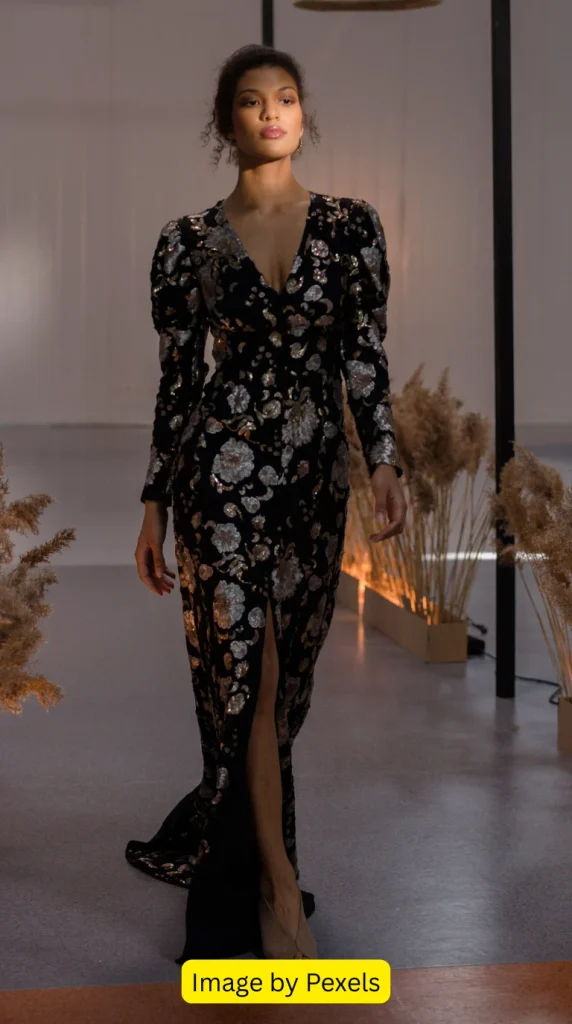
Brocade is a woven fabric with raised or decorative patterns that create visual richness. Its textured appearance can make a relatively simple dress feel elaborate without requiring additional embellishment.
Brocade is particularly well suited to cooler seasons and formal venues where a richer, more traditional aesthetic feels appropriate.
Best for: Winter weddings, historic venues, traditional formalwear, and statement textures.
Consider: Because brocade can be visually strong, simpler accessories usually create better balance.
Jacquard
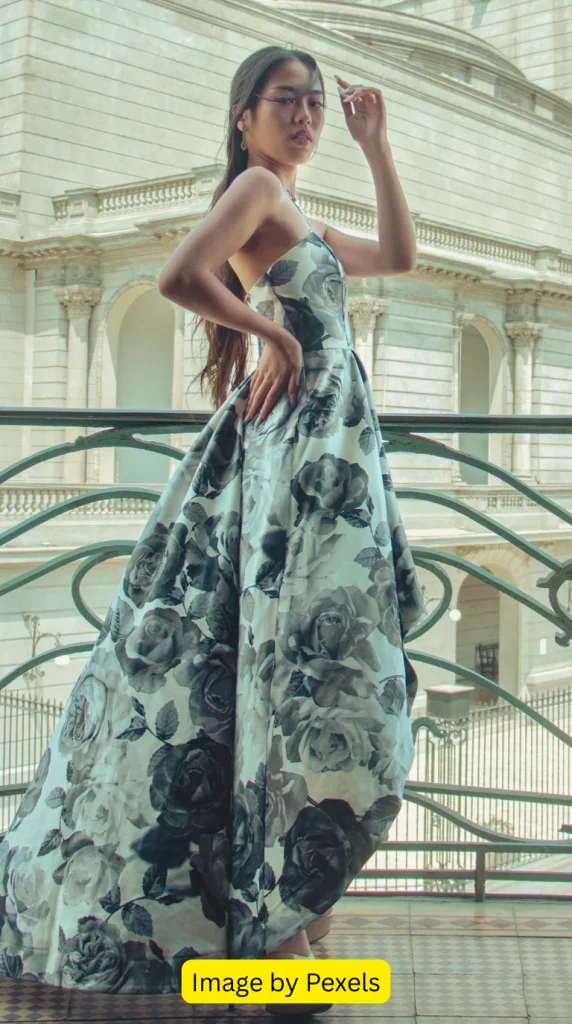
Jacquard refers to woven fabrics featuring intricate patterns incorporated directly into the textile. The result can range from subtle tonal designs to highly decorative motifs.
Unlike printed patterns, jacquard texture and pattern are part of the fabric itself, giving formal dresses a dimensional appearance.
Best for: Sophisticated patterned gowns, formal daytime-to-evening events, and guests who want texture without sequins.
Consider: Let the fabric pattern guide the rest of the outfit. Busy accessories can compete with the dress.
Sequined Fabric
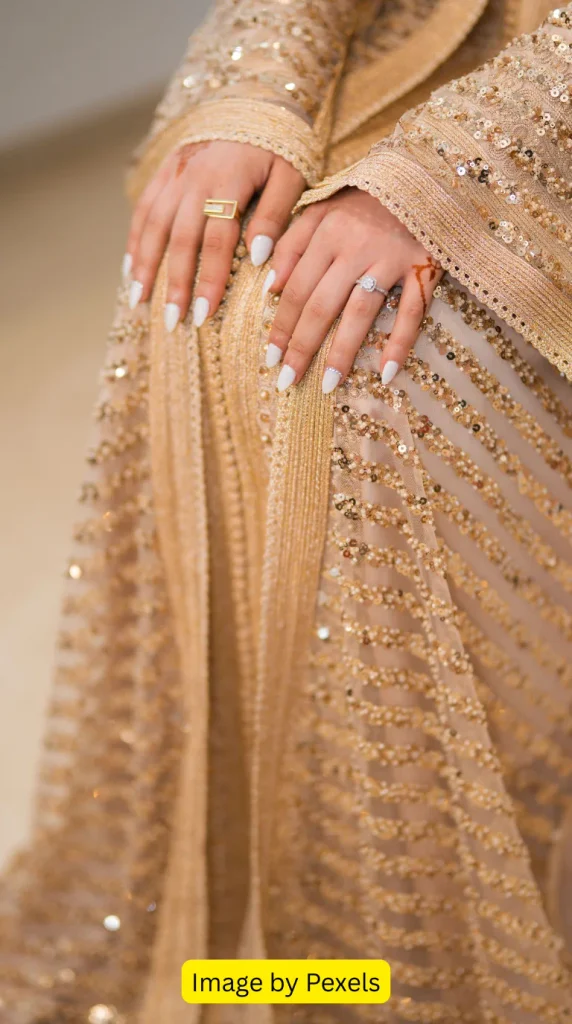
Sequined fabrics use attached reflective embellishments to create sparkle and movement. They can be especially effective for evening black-tie weddings where the lighting naturally emphasizes their reflective surface.
A fully sequined gown can make a dramatic statement, while strategically sequined panels can provide glamour without covering the entire dress.
Best for: Evening receptions, glamorous venues, holiday weddings, and statement formalwear.
Consider: If the dress is heavily sequined, keep jewelry and other accessories restrained.
Metallic Fabric
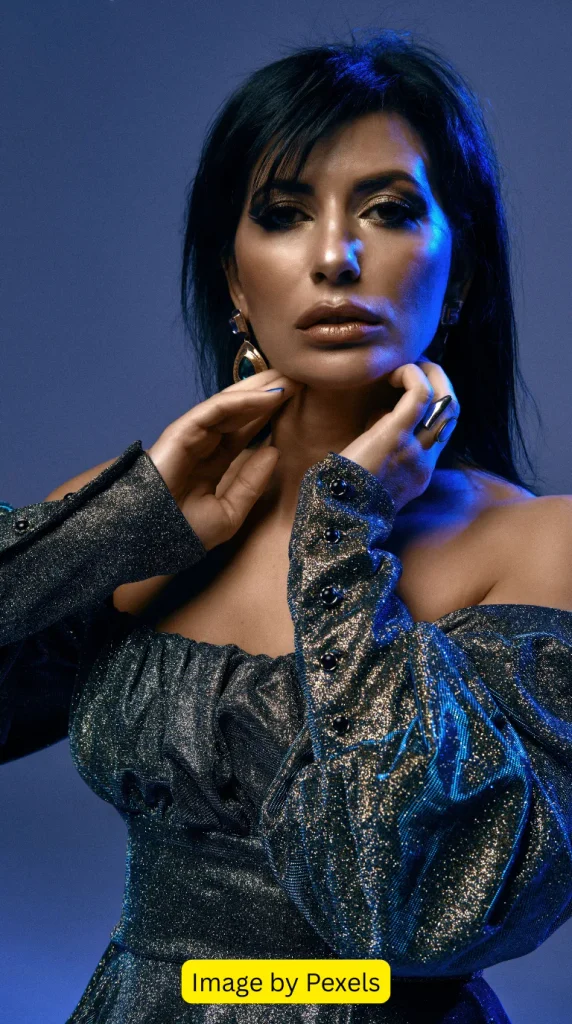
Metallic fabrics incorporate reflective fibers, finishes, or surfaces that create a noticeable glow. Gold, silver, bronze, and softer metallic shades can bring a festive quality to formalwear.
A metallic dress does not necessarily need additional sparkle. A clean silhouette can allow the fabric itself to provide enough visual interest.
Best for: Evening celebrations, festive weddings, modern formalwear, and statement gowns.
Consider: Metallic finishes can be visually strong, so consider the wedding’s overall formality before choosing an especially reflective design.
Mesh and Illusion Fabric
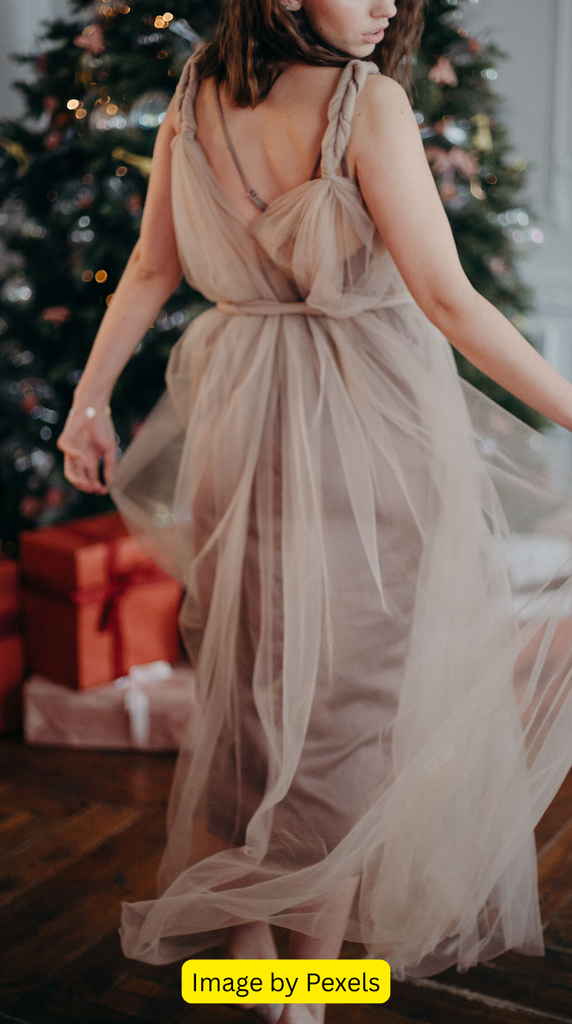
Mesh and illusion fabrics are often used strategically rather than as the primary visible fabric. They can create sheer sleeves, necklines, panels, overlays, and sophisticated layering.
When thoughtfully constructed, these details can add visual dimension while maintaining an elegant overall appearance.
Best for: Sleeved gowns, illusion necklines, layered designs, and contemporary formalwear.
Consider: Check the level of sheerness carefully, particularly for a conservative ceremony or a wedding with specific dress expectations.
Stretch Satin
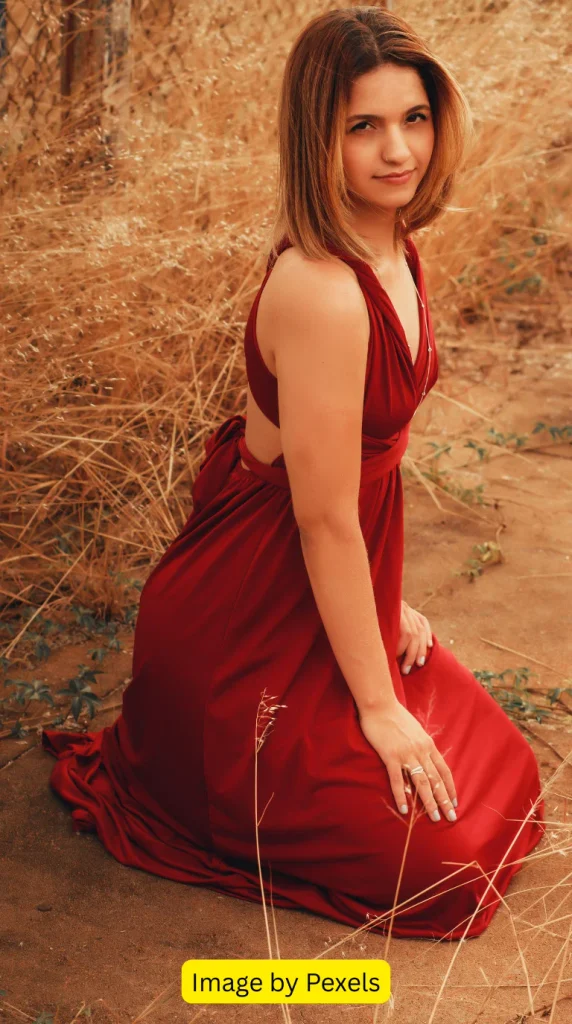
Stretch satin combines the smooth appearance of satin with some added flexibility. This can make it appealing for fitted formal dresses where movement and comfort are important.
The finish can range from subtle to highly glossy depending on the specific fabric, so it is worth checking photographs in different lighting before purchasing.
Best for: Fitted gowns, evening weddings, sleek silhouettes, and guests prioritizing ease of movement.
Consider: Stretch does not replace good tailoring. A dress should still fit comfortably without pulling or creating unwanted tension across seams.
How to Choose the Right Formal Dress Fabric
The most beautiful fabric is not necessarily the best fabric for every wedding. Consider the event as a whole before making your choice.
Start With the Dress Code
A black-tie wedding generally calls for a polished, elevated appearance. Floor-length gowns are a traditional option, although sophisticated formal dresses in other lengths can sometimes work depending on the invitation and setting.
The fabric should support the formality of the silhouette rather than make the outfit appear unnecessarily casual.
Consider the Season
Fabric weight can make a major difference in comfort.
For warmer celebrations, lightweight options such as chiffon, georgette, and certain silk fabrics can feel more comfortable.
For cooler weddings, velvet, brocade, taffeta, and heavier mikado can provide a richer seasonal appearance.
For more detailed guidance on choosing fabrics specifically for hot-weather weddings, see our guide to the best fabrics for hot-weather weddings.
Think About the Venue
The venue can influence how a fabric looks and feels.
A structured mikado gown may suit a grand ballroom particularly well, while flowing chiffon can complement a romantic outdoor setting. Velvet can feel naturally appropriate in a historic estate or winter reception.
The goal is not to match the venue literally, but to choose a fabric whose weight and visual character make sense for the environment.
Match Fabric to Silhouette
Fabric and silhouette should work together.
- Satin: Excellent for draping and fluid gowns
- Crepe: Strong choice for clean, streamlined shapes
- Chiffon: Works beautifully with flowing layers
- Velvet: Suits structured or body-skimming winter designs
- Taffeta: Ideal for volume and defined shapes
- Mikado: Excellent for structured formal gowns
- Organza: Useful for controlled volume and dramatic details
- Jersey: Comfortable for softly draped silhouettes
Consider Comfort
A beautiful dress still needs to be wearable for several hours.
Think about whether you will be sitting, walking, dancing, traveling, or spending time outdoors. Heavy fabrics can feel warm, while delicate fabrics may require more careful handling.
Also check the lining, stretch, seams, closures, and overall construction rather than judging comfort from the outer fabric alone.
Formal Dress Fabric Comparison
| Fabric | Appearance | Weight | Drape | Best Season | Formality |
|---|---|---|---|---|---|
| Satin | Smooth and glossy | Medium | Fluid | Fall–Spring | High |
| Silk | Soft and luxurious | Light–Medium | Excellent | Spring–Fall | High |
| Chiffon | Soft and airy | Light | Flowing | Spring–Summer | High |
| Velvet | Rich and textured | Heavy | Soft | Fall–Winter | Very high |
| Crepe | Smooth and matte | Medium | Fluid | Year-round | High |
| Georgette | Slightly textured | Light | Soft | Spring–Summer | High |
| Organza | Sheer and crisp | Light | Structured | Spring–Fall | High |
| Taffeta | Crisp with subtle sheen | Medium–Heavy | Structured | Fall–Winter | Very high |
| Lace | Textured and patterned | Varies | Moderate | Year-round | High |
| Mikado | Smooth and substantial | Heavy | Structured | Fall–Winter | Very high |
| Charmeuse | Smooth and softly shiny | Light | Very fluid | Spring–Fall | High |
| Jersey | Smooth and flexible | Light–Medium | Soft | Year-round | Medium–High |
| Brocade | Rich and patterned | Heavy | Structured | Fall–Winter | Very high |
| Jacquard | Textured and patterned | Varies | Moderate | Fall–Winter | High |
| Sequins | Reflective and sparkling | Varies | Varies | Fall–Winter | Very high |
| Metallic | Shimmering | Varies | Varies | Year-round | High |
| Mesh | Sheer and lightweight | Light | Varies | Year-round | High |
| Stretch Satin | Smooth and glossy | Medium | Fluid | Year-round | High |
Which Fabrics Look Most Luxurious?
Luxury does not come from shine alone. A fabric can look expensive because of its texture, drape, structure, color, and construction.
Satin and silk provide classic smoothness, while velvet creates richness through texture. Mikado and taffeta create a more structured formal effect. Crepe offers understated sophistication, while jacquard and brocade create visual interest through woven patterns.
The quality of the garment matters just as much. Poor tailoring can make an expensive fabric look less polished, while a well-constructed dress in a relatively simple material can look remarkably elegant.
Which Fabrics Are Best for Evening Weddings?
For evening black-tie weddings, satin, silk, velvet, crepe, charmeuse, mikado, sequins, and metallic fabrics can all work well depending on the season and dress design.
Darker shades often emphasize the richness of velvet and satin, while jewel tones can make silk, crepe, and other smooth fabrics especially striking.
For a classic appearance, choose a refined silhouette and let the fabric provide the texture or sheen.
Which Fabric Is Best for a Comfortable Formal Dress?
There is no single fabric that is most comfortable for everyone. Comfort depends on temperature, construction, lining, fit, and personal preference.
For softness and movement, chiffon, silk, georgette, and jersey can be appealing. Stretch satin can provide additional flexibility in fitted styles, while crepe can offer a balance of structure and movement.
If the event will last several hours, pay attention to the entire dress rather than the fabric label alone.
How to Make a Simple Fabric Look More Elegant
You do not need a heavily embellished dress to achieve a formal appearance.
A simple fabric can look sophisticated when paired with:
- A well-proportioned silhouette
- Clean tailoring
- Elegant footwear
- A refined clutch
- Jewelry appropriate to the neckline
- A polished hairstyle
- Thoughtful color coordination
For example, a simple crepe gown can look exceptionally elegant with a structured clutch and refined jewelry. Likewise, a minimalist satin dress may need little more than understated earrings and formal heels.
The key is balance. When the fabric already provides strong visual interest, additional embellishment should be intentional rather than excessive.
Common Fabric Mistakes to Avoid
Choosing a beautiful fabric is only part of creating a successful formal look. Avoid these common mistakes:
Ignoring the weather: A heavy velvet dress may look stunning but feel uncomfortable at a warm outdoor wedding.
Choosing fabric based only on photographs: Online images can make textures and colors appear different from real life.
Overlooking transparency: Lightweight fabrics may require appropriate lining, particularly in bright lighting.
Ignoring wrinkles: Some smooth fabrics reveal creases more easily than textured materials.
Choosing the wrong silhouette: A fabric that looks beautiful in one shape may not behave the same way in another.
Adding too many competing details: Sequins, metallic fabric, dramatic jewelry, and elaborate accessories can overwhelm one another.
Forgetting movement: Make sure the dress allows comfortable walking, sitting, and dancing.
Final Thoughts
The right formal dress fabric can influence almost every part of a wedding guest outfit, from how the dress moves to how it looks under evening lighting. Satin offers smooth shine, velvet provides rich texture, chiffon creates softness, crepe delivers understated polish, and structured fabrics such as taffeta and mikado create dramatic silhouettes.
Rather than choosing a fabric simply because it looks luxurious, consider the wedding dress code, season, venue, silhouette, comfort, and amount of embellishment. When those elements work together, even a relatively simple dress can look elegant and completely appropriate for a black-tie celebration.