
Finding a formal dress that offers comfortable coverage without looking dated should not be difficult. The best modest formal dresses combine thoughtful silhouettes, beautiful fabrics, and modern details to create an outfit that feels polished without relying on revealing cuts or excessive decoration.
Modest does not have to mean plain or overly traditional. A flowing chiffon skirt, sculpted crepe bodice, elegant cape, statement sleeve, or rich velvet finish can make a fully covered outfit feel fashion-forward. The key is balance: choose a silhouette that suits the occasion, a fabric that works with the season, and details that make the dress feel intentional.
This guide focuses on versatile formalwear for weddings, galas, evening receptions, formal dinners, charity events, and other occasions where an elevated dress code calls for a sophisticated appearance. Whether you prefer sleeves, higher coverage, flowing layers, or minimalist tailoring, these ideas show how to create a modern formal look while staying comfortably covered.
1. Satin A-Line Elegance
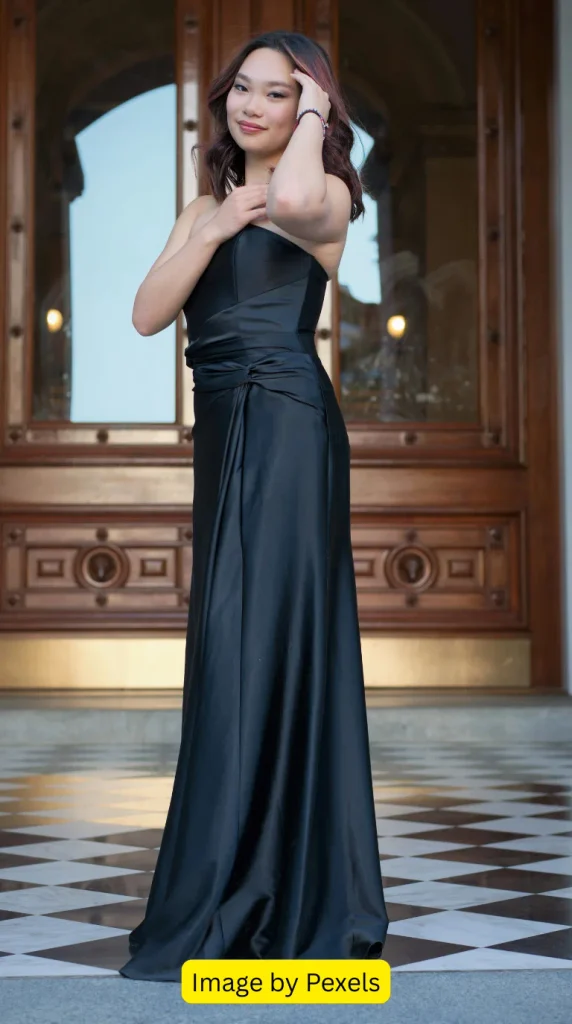
A satin A-line gown is one of the easiest ways to achieve polished formal style without complicated embellishments. The smooth fabric creates subtle shine, while the gently flared skirt provides comfortable movement.
Choose a bateau or softly rounded neckline if you prefer additional coverage. Long or three-quarter sleeves can make the look more appropriate for cooler seasons, while a sleeveless version paired with a matching wrap can work for warmer occasions.
Keep the accessories restrained. Pointed-toe pumps, delicate earrings, and a structured clutch allow the satin to provide most of the visual interest.
Best for: Weddings, evening receptions, formal dinners
Style tip: Let the clean A-line silhouette remain the focal point.
2. Burgundy Velvet Gown
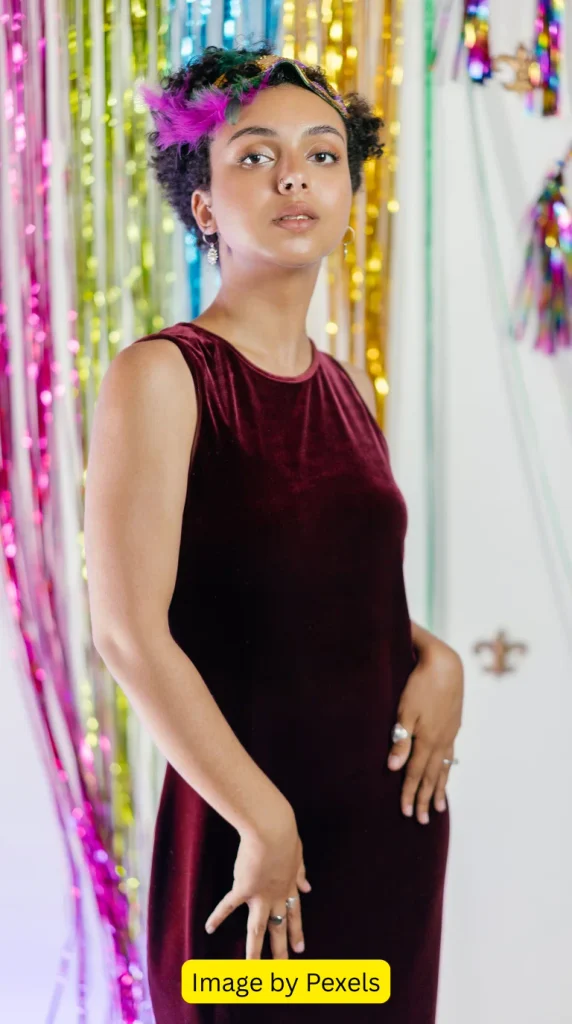
Velvet gives a modest formal outfit instant depth. Its plush texture feels luxurious without requiring sequins or elaborate decoration, making it especially effective for autumn and winter events.
A floor-length burgundy gown with a modest neckline creates a rich, sophisticated appearance. A gently fitted bodice and flowing skirt provide shape while maintaining comfortable coverage.
Pair the dress with simple metallic jewelry and closed-toe pumps. Because velvet already has substantial texture, avoid adding too many competing accessories.
Best for: Winter weddings, galas, evening celebrations
Style tip: Choose deep jewel tones when you want velvet to feel especially dramatic.
3. Flowing Chiffon Dress
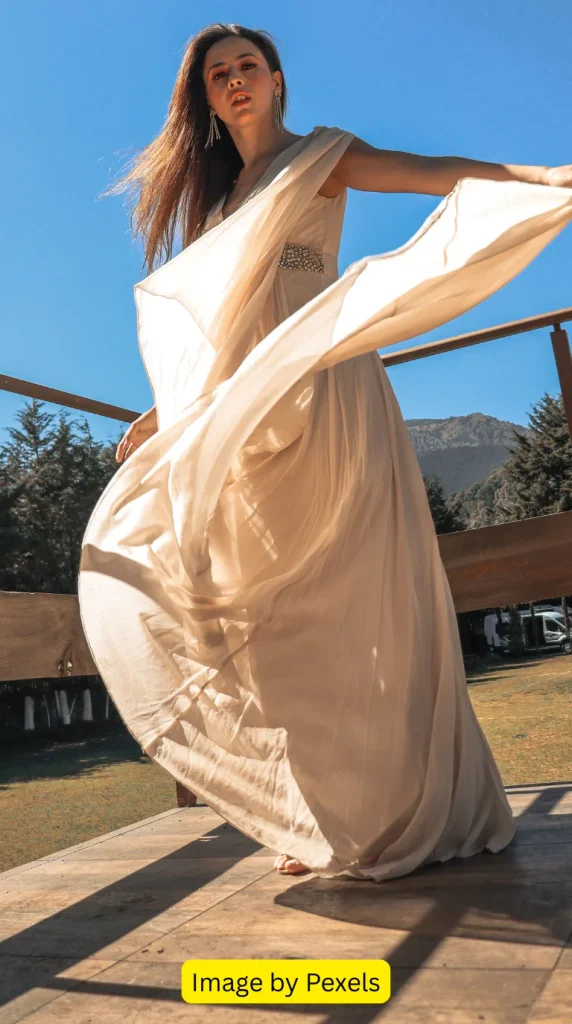
Chiffon is ideal when you want a formal dress that feels light and graceful. Multiple layers can create movement while maintaining an elegant, covered silhouette.
A full-length chiffon gown with sleeves and a softly flowing skirt works beautifully for weddings and outdoor formal celebrations. Dusty blue, mauve, sage, and deeper berry tones can all create different moods without changing the basic silhouette.
Finish with delicate earrings, low-profile heels, and a compact clutch. Avoid overly heavy jewelry so the lightweight fabric remains the star.
Best for: Spring and summer formal events
Style tip: Look for lined chiffon when you want coverage without sacrificing the fabric’s movement.
4. Sculpted Crepe Gown
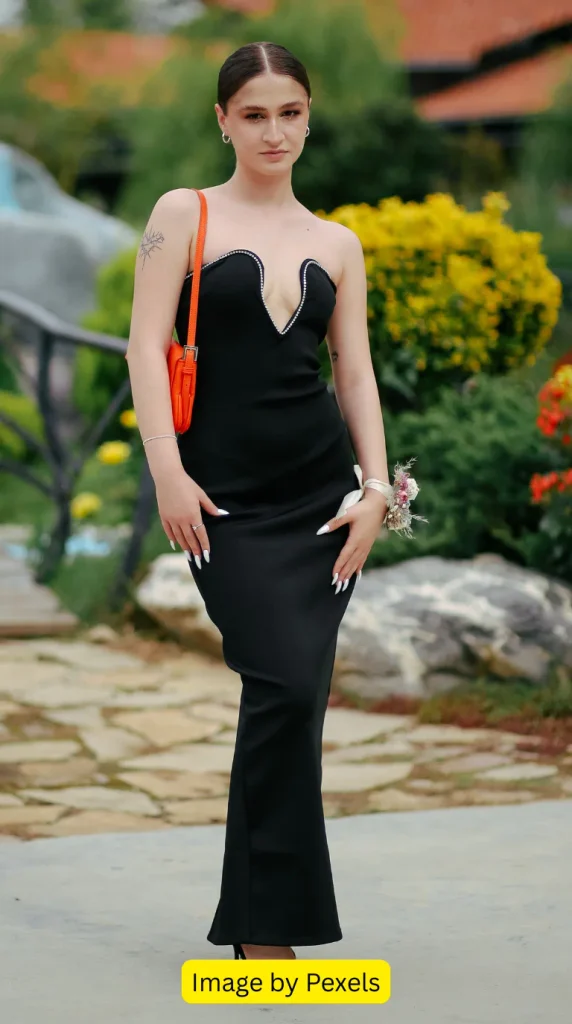
Crepe offers a more structured alternative to flowing fabrics. Its smooth finish and elegant drape make it particularly effective for minimalist formalwear.
A floor-length crepe gown with a clean neckline and tailored waist can look sophisticated without lace, sequins, or heavy embellishment. Three-quarter or full-length sleeves add coverage while keeping the silhouette streamlined.
For accessories, choose one refined focal point such as sculptural earrings or a metallic clutch.
Best for: Formal dinners, galas, evening receptions
Style tip: Prioritize fit and tailoring because simple crepe designs depend on clean construction.
5. Pleated Maxi Gown
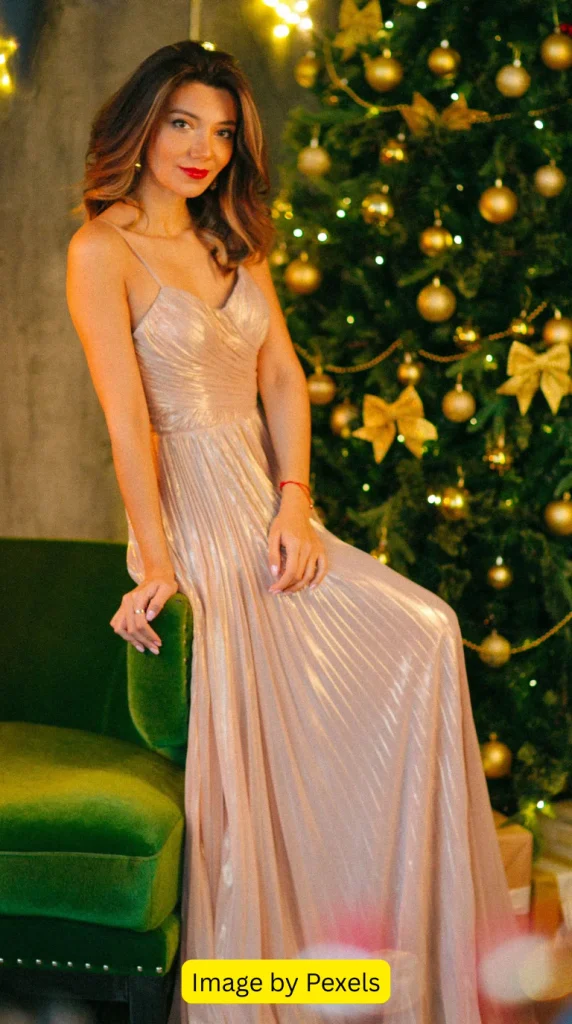
Pleats introduce texture and movement without making a formal dress feel heavily decorated. A floor-length pleated gown can look romantic while remaining comfortably covered.
A defined waist and flowing skirt create a balanced silhouette, while bishop or bracelet-length sleeves add softness. Blush, dusty rose, champagne, and muted mauve work especially well when you want a delicate appearance.
Gold accessories complement warmer colors, while silver works beautifully with cooler shades.
Best for: Weddings, formal receptions, garden celebrations
Style tip: Choose fine pleats when you want movement without excessive volume.
6. Lace-Sleeve Formal Dress
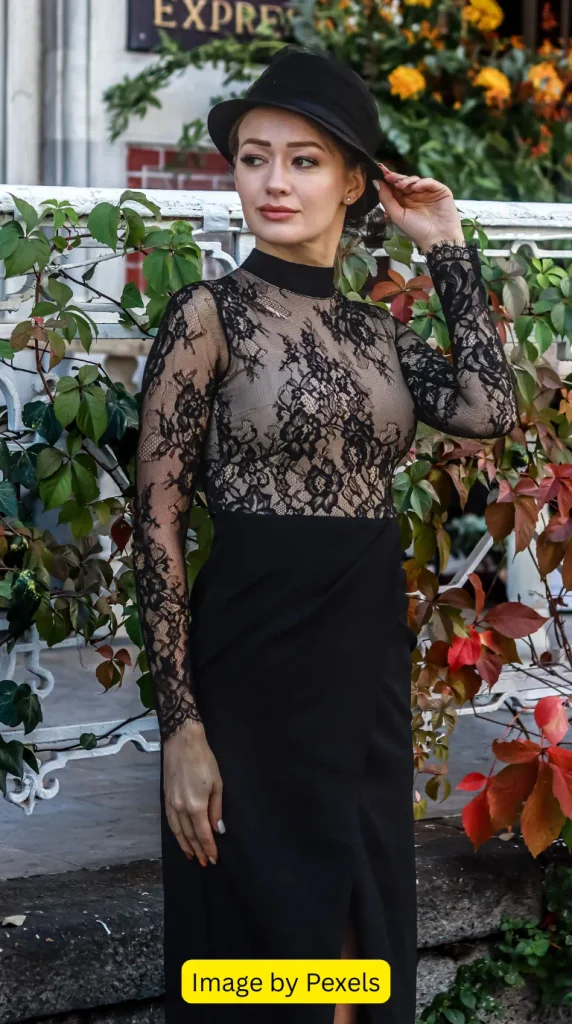
Lace sleeves can provide coverage while adding texture and visual interest. Instead of choosing a heavily embellished gown, let the lace become the primary decorative element.
A smooth skirt paired with floral lace sleeves creates an appealing contrast. Navy, plum, emerald, and black are particularly elegant for evening occasions.
Keep the jewelry simple, especially around the neckline. Small earrings and a clean clutch are enough to finish the look.
Best for: Evening weddings, formal receptions, seasonal celebrations
Style tip: A lined lace bodice provides more coverage while preserving the texture of the sleeves.
7. Soft Neutral Gown
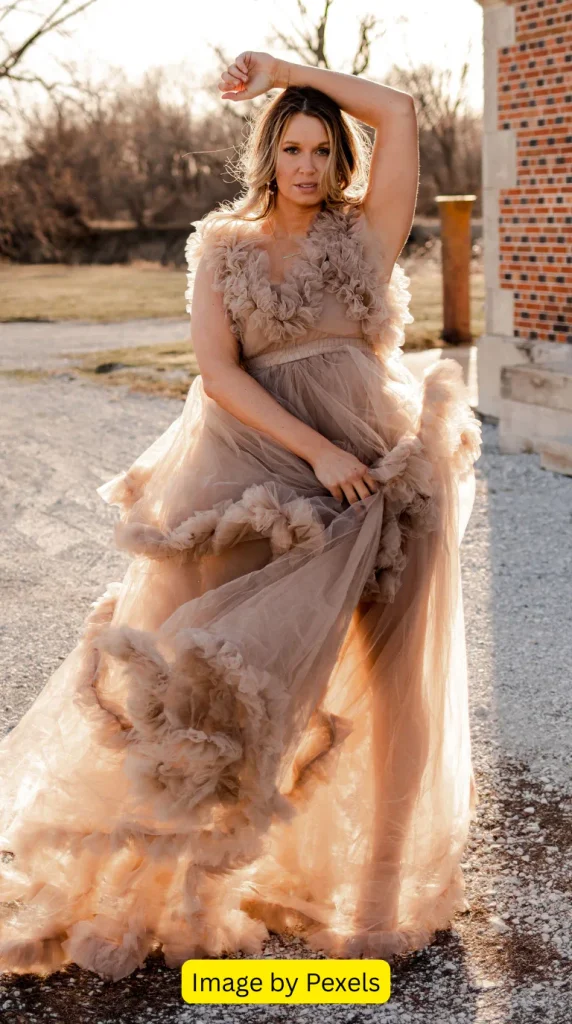
Neutral colors can make modest formalwear feel exceptionally modern because they put the emphasis on silhouette and fabric rather than bold decoration.
Try champagne, taupe, stone, mocha, soft beige, or muted greige in a floor-length gown. Satin creates subtle shine, while crepe or matte fabrics create a quieter aesthetic.
Metallic shoes or a small crystal clutch can introduce just enough contrast without disrupting the minimalist palette.
Best for: Formal dinners, daytime celebrations, weddings
Style tip: Use texture to keep a neutral monochromatic outfit from appearing flat.
8. Cape-Sleeve Statement Gown
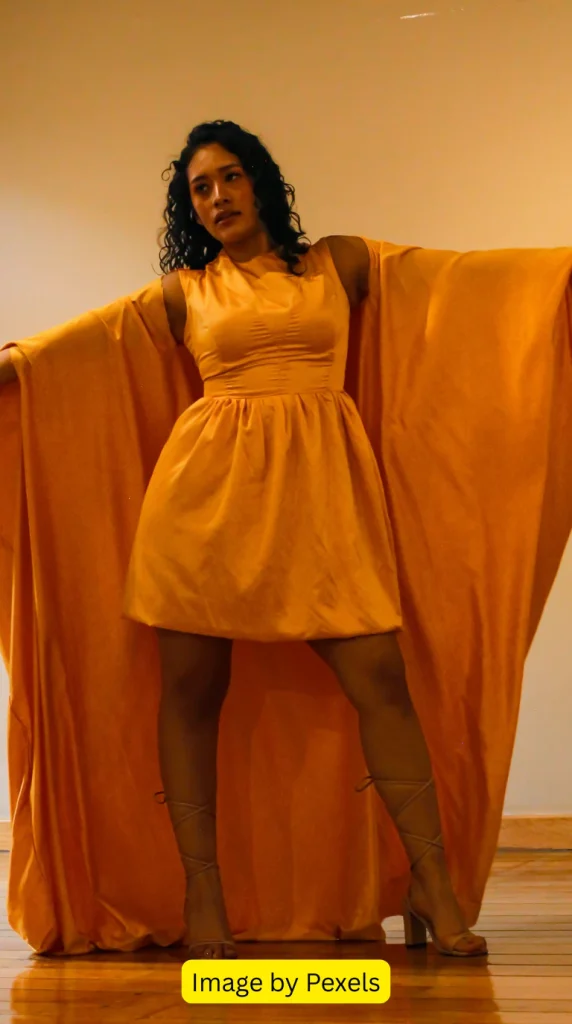
A cape detail is an elegant way to add coverage while creating movement. The attached layer can extend over the shoulders and arms while giving a simple gown a dramatic finish.
Choose a streamlined dress underneath so the cape does not make the entire outfit feel overly voluminous. Satin, crepe, and chiffon all work particularly well with this design.
Because the cape provides a strong visual element, understated jewelry is usually enough.
Best for: Galas, evening weddings, formal celebrations
Style tip: Keep the dress underneath relatively simple so the cape remains intentional rather than overwhelming.
9. Monochrome Formal Look
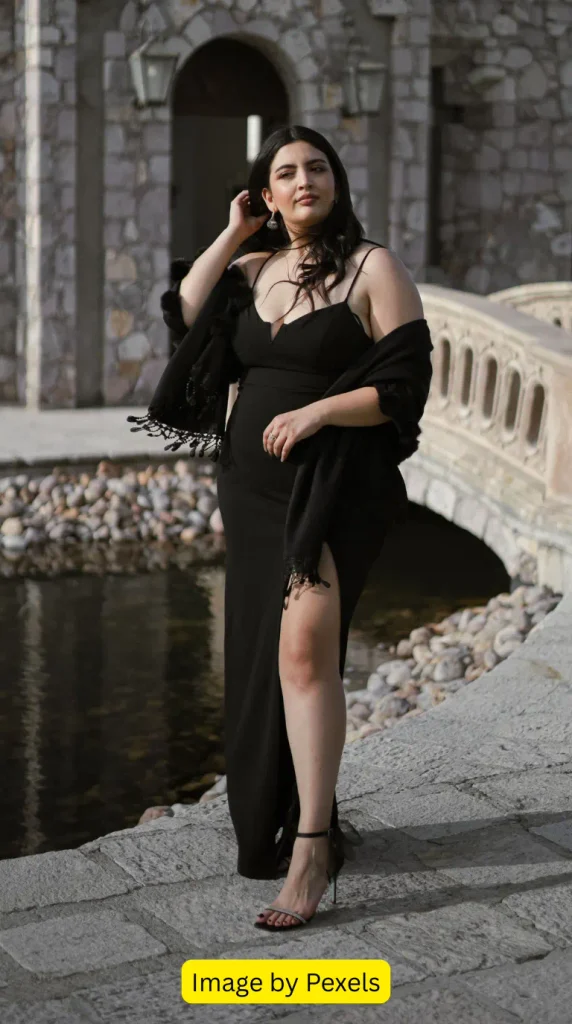
A monochrome dress and accessory combination creates a clean visual line and gives modest formalwear a distinctly modern character.
Choose one dominant color such as navy, black, chocolate brown, burgundy, or deep green. Matching or closely coordinating shoes and a clutch make the outfit feel cohesive.
You can add dimension through different textures. For example, a matte crepe gown can be paired with satin shoes and a smooth leather clutch.
Best for: Evening receptions, galas, formal dinners
Style tip: Vary texture rather than color when you want a monochromatic outfit to remain interesting.
10. Statement Sleeve Gown
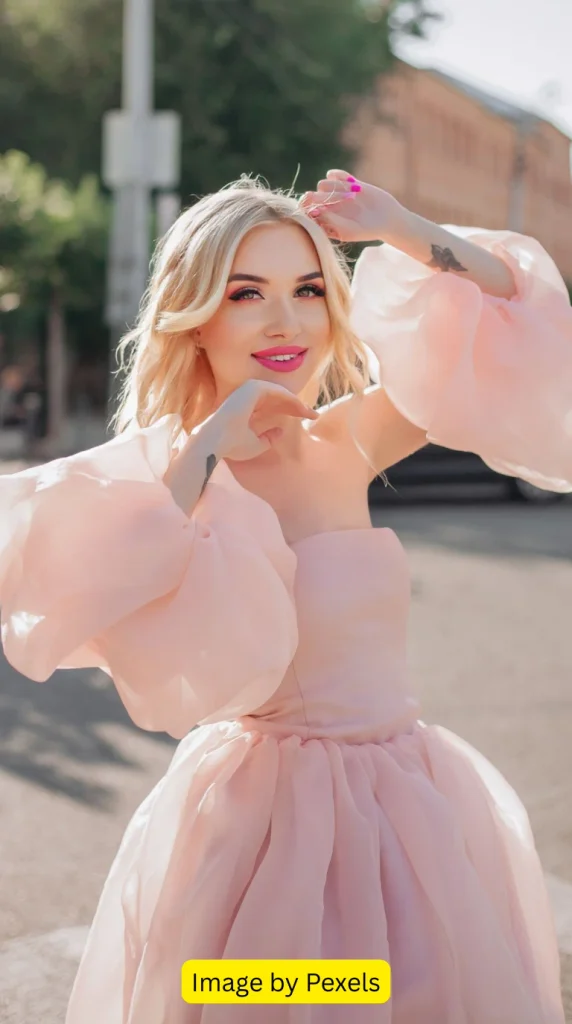
Statement sleeves are an effective way to make a covered dress feel fashion-forward. Instead of relying on a low neckline or dramatic slit, the sleeves become the design feature.
Puff sleeves, balloon sleeves, gathered shoulders, and softly flared cuffs can all add personality to a floor-length gown. Keep the bodice and skirt relatively clean so the proportions remain balanced.
Minimal earrings and a structured clutch work particularly well with dramatic sleeves.
Best for: Fashion-forward weddings, formal parties, evening events
Style tip: If the sleeves are voluminous, choose a more streamlined skirt.
11. Classic Navy Satin
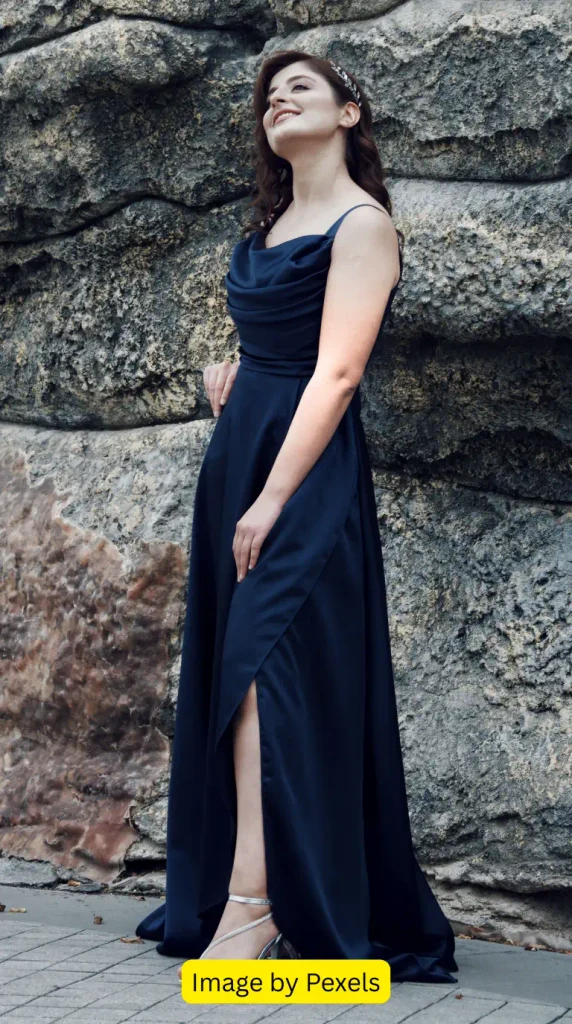
Navy offers a softer alternative to black while retaining the sophistication expected from formalwear. In satin, the color becomes especially rich because the fabric reflects light across the gown.
A full-length navy dress with a modest neckline and elegant sleeves creates a versatile foundation. Silver jewelry and pointed heels provide a crisp finish.
The same dress can be restyled with different accessories for multiple formal occasions.
Best for: Weddings, formal dinners, evening receptions
Style tip: Choose a deep navy rather than a very bright blue when you want a more traditional evening appearance.
12. Romantic Blush Layers
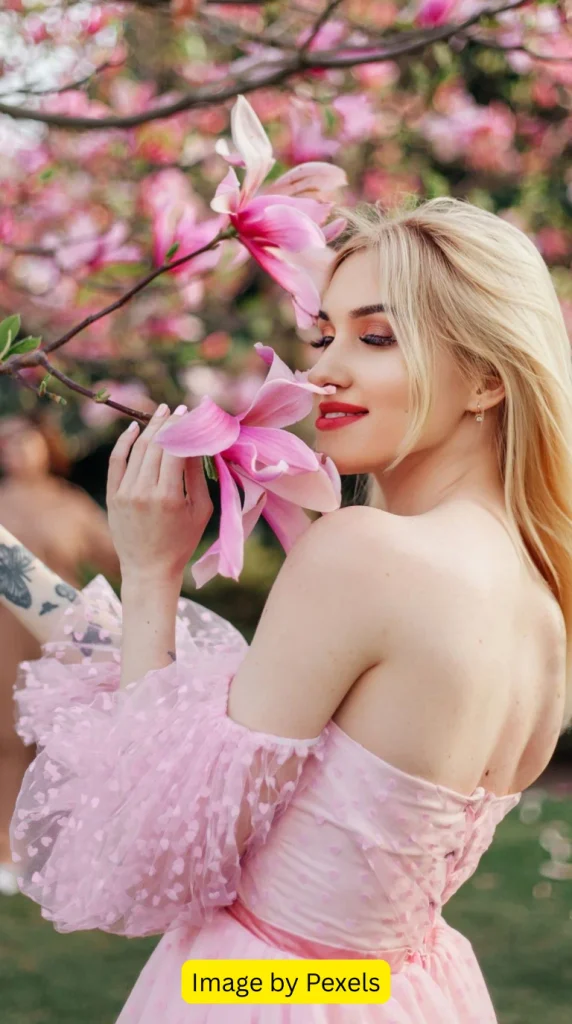
Layered chiffon in blush or dusty pink creates a softer interpretation of formalwear. The flowing layers give the gown movement while maintaining a graceful full-length silhouette.
A modest neckline and sleeves keep the design balanced. Pearl earrings, champagne-toned shoes, and a small clutch reinforce the romantic color palette.
This style works particularly well when you want femininity without relying on elaborate embellishments.
Best for: Spring weddings, daytime formal events, romantic celebrations
Style tip: Choose muted blush tones when you want the color to feel sophisticated rather than overly sweet.
13. Elegant Wrap-Inspired Gown
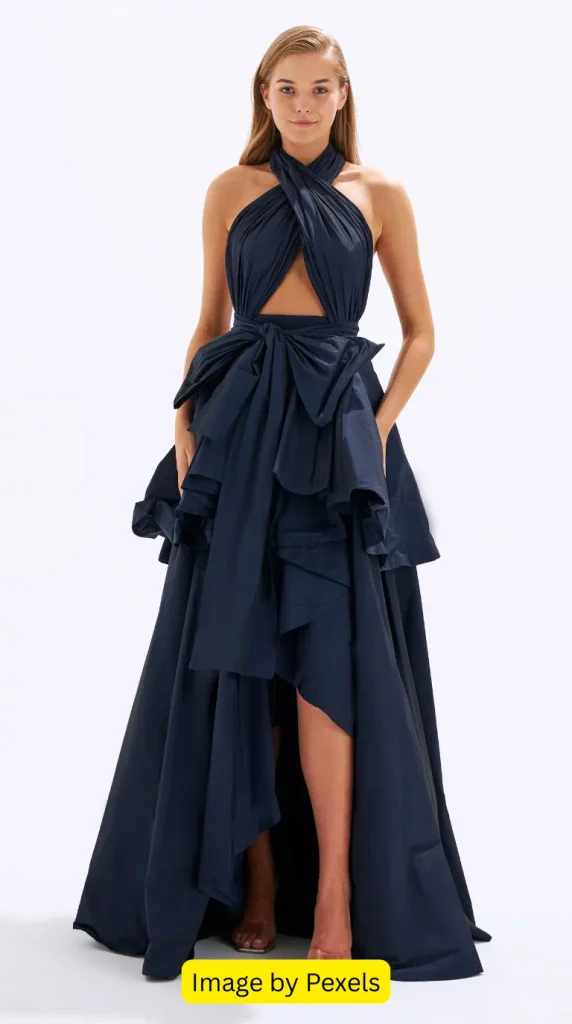
A wrap-inspired design can provide a graceful sense of waist definition while maintaining a flowing skirt. Look for versions with secure construction and an appropriately covered neckline.
Long sleeves or a coordinating shoulder detail can increase coverage while keeping the design polished. Satin and crepe are particularly effective because they hold the drape of the silhouette beautifully.
Add simple metallic jewelry and classic pumps for a refined finish.
Best for: Formal dinners, weddings, evening receptions
Style tip: If the neckline is adjustable, check that it remains secure and comfortable while moving or sitting.
14. Structured Waist Gown
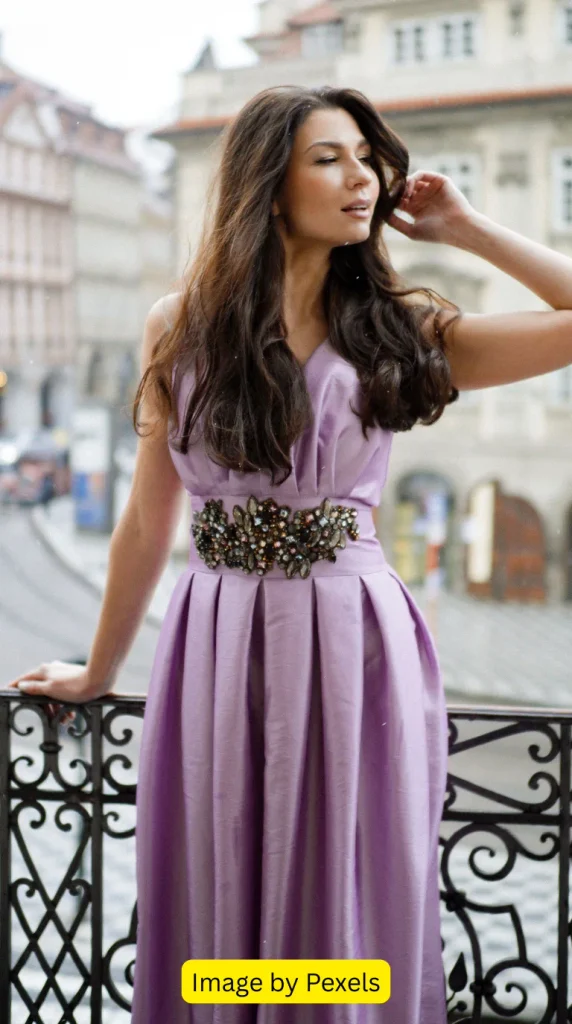
A carefully tailored waist can give a formal dress definition without requiring a body-hugging silhouette. Look for subtle waist seams, a shaped bodice, or a softly belted construction.
Pair the structured upper portion with a flowing skirt for contrast. This creates a balanced silhouette while preserving ease of movement.
A simple pair of earrings and a compact clutch keeps the overall appearance sophisticated.
Best for: Weddings, galas, formal evening events
Style tip: Focus on comfortable tailoring rather than choosing a dress simply because it is highly fitted.
15. Subtle Metallic Embellishment
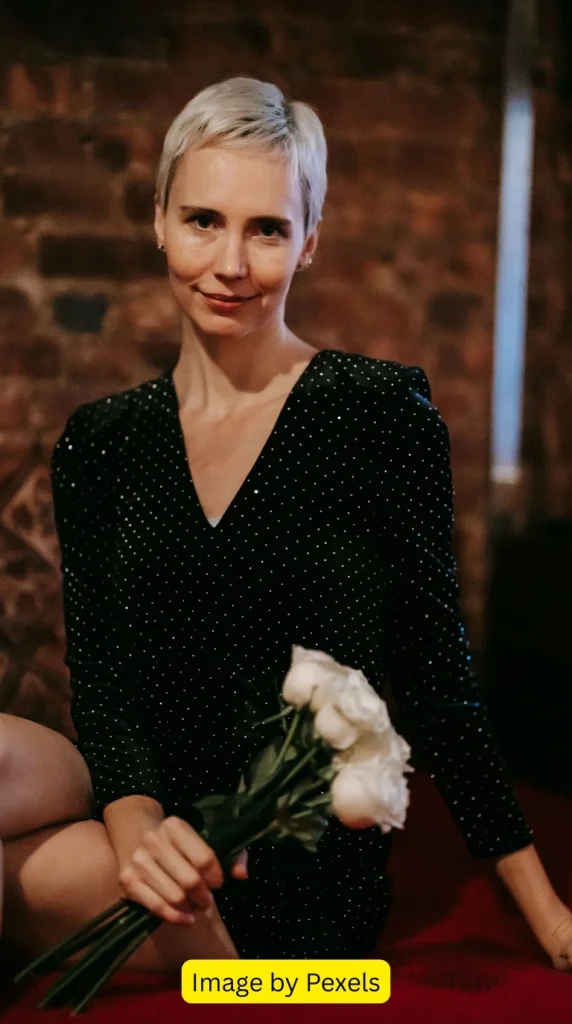
Modest formalwear does not need to be completely plain. Small metallic details around the cuffs, neckline, waist, or bodice can add light-catching interest without overwhelming the gown.
Silver embroidery works beautifully with navy, charcoal, and cool jewel tones, while gold details complement burgundy, champagne, brown, and warm neutrals.
Keep the rest of the accessories understated so the embellishment remains intentional.
Best for: Evening weddings, galas, holiday formal events
Style tip: Choose one metallic finish and repeat it subtly through your accessories.
16. Timeless Black Gown
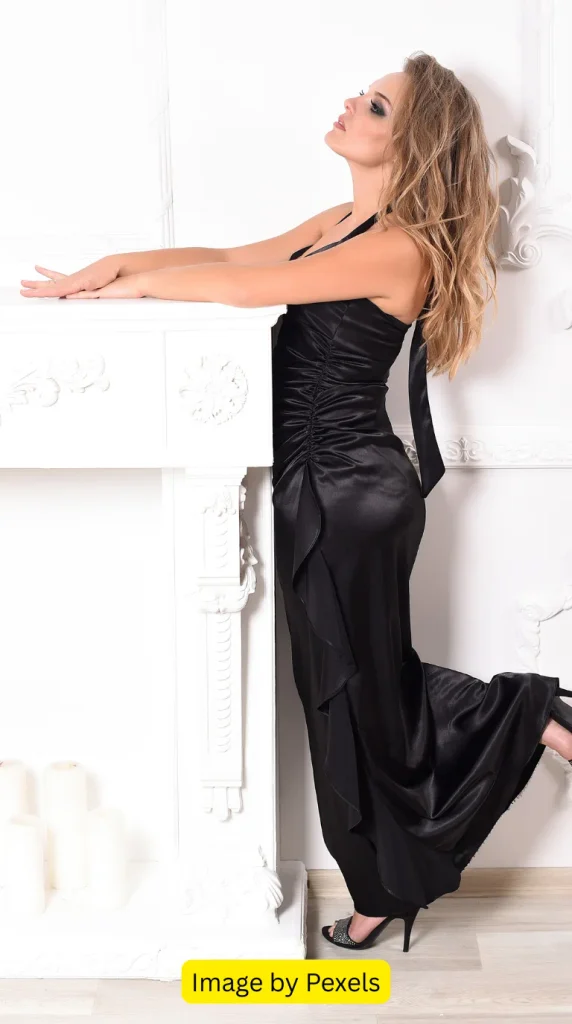
A black floor-length gown remains one of the most versatile options in a formal wardrobe. Its simplicity allows you to decide how modern, romantic, dramatic, or minimalist the final outfit should feel.
Choose satin for subtle shine, crepe for clean structure, or velvet for a richer seasonal look. Sleeves and a higher neckline can provide additional coverage without making the design feel dated.
Pearls, silver jewelry, or metallic accessories can each create a different effect.
Best for: Nearly any formal evening occasion
Style tip: Use fabric texture and accessories to give a simple black gown personality.
17. Soft Draped Gown
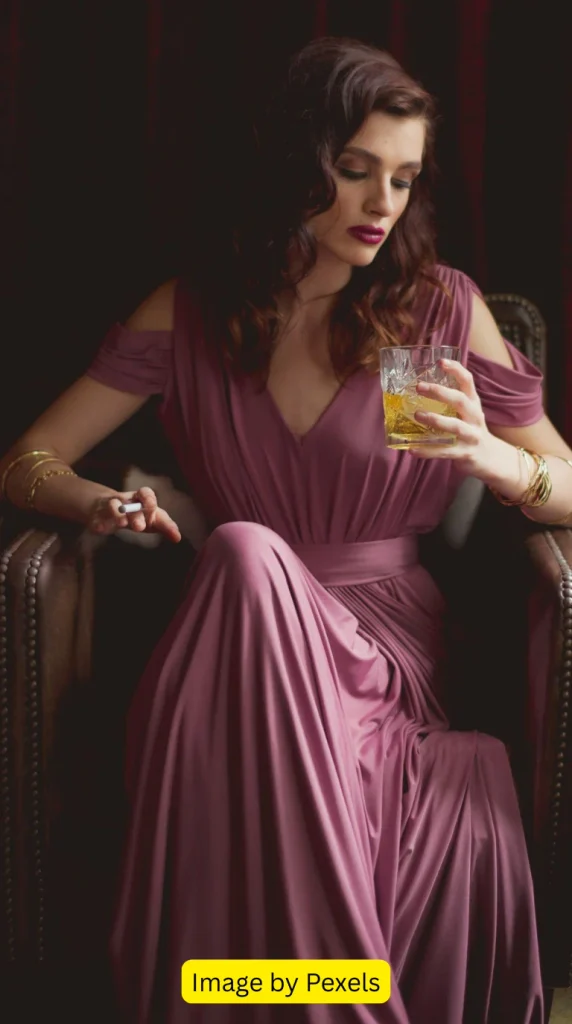
Soft draping can make a covered formal dress feel relaxed and elegant rather than rigid. Draped fabric across the bodice, sleeves, or skirt introduces movement while maintaining a sophisticated silhouette.
Choose a floor-length design with controlled draping rather than excessive gathers. This helps the dress maintain a polished shape from every angle.
Neutral heels and delicate jewelry complete the look without adding unnecessary visual weight.
Best for: Formal receptions, weddings, evening celebrations
Style tip: Look for intentional draping that follows the construction of the dress rather than loose excess fabric.
18. Jewel-Tone Column Dress
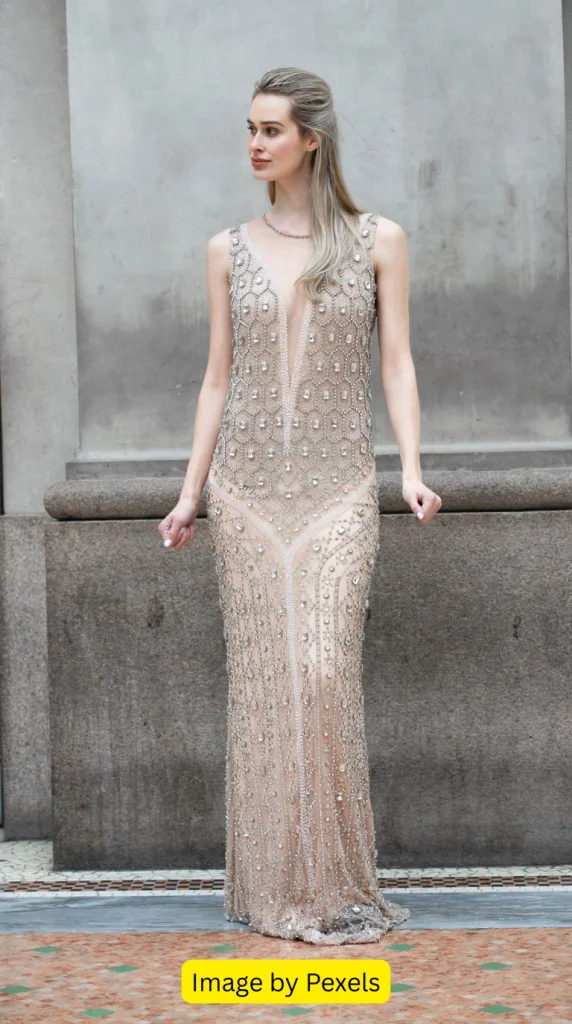
A column silhouette provides a streamlined alternative to fuller formal gowns. When paired with a rich jewel tone, it can feel striking without requiring revealing details.
Emerald, sapphire, ruby, amethyst, and deep teal all work beautifully for evening occasions. Choose a modest neckline and sleeves if additional coverage is important.
Because the silhouette and color already make an impact, keep the accessories clean and proportional.
Best for: Evening weddings, galas, formal dinners
Style tip: A slightly fluid column dress can provide more comfortable movement than an extremely fitted version.
19. Flowing Sleeve Gown
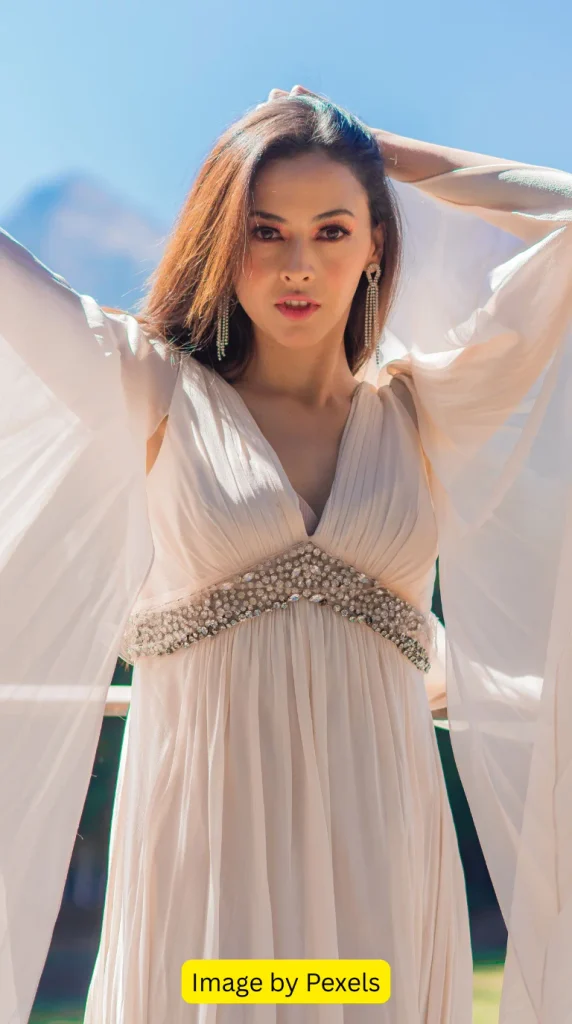
Long, flowing sleeves add softness and movement to a formal silhouette. They can make a simple gown feel distinctive while naturally increasing coverage through the arms.
Look for sleeves made from chiffon, georgette, or another lightweight material if you want movement without excessive weight. A more structured bodice underneath keeps the overall silhouette controlled.
A simple clutch and understated earrings provide the finishing touches.
Best for: Romantic weddings, formal evening events, transitional seasons
Style tip: Balance flowing sleeves with a relatively clean skirt.
20. Minimalist Long-Sleeve Gown
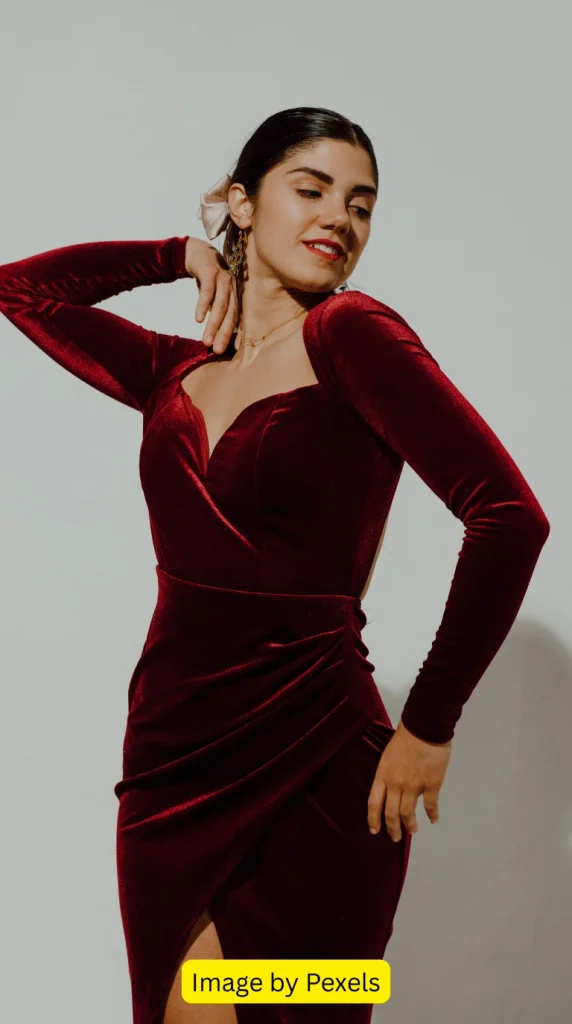
A minimalist long-sleeve gown proves that covered formalwear does not need elaborate decoration. Clean construction, a beautiful fabric, and thoughtful proportions can be enough.
Choose crepe, satin, or another fabric with an elegant drape. A simple neckline and full-length skirt keep the design versatile, while subtle waist shaping can add structure.
This type of dress is particularly useful when you want one formal piece that can be styled differently for several events.
Best for: Weddings, formal dinners, professional galas
Style tip: Invest in quality fit and fabric rather than excessive decoration.
21. Modern Modest Statement Dress
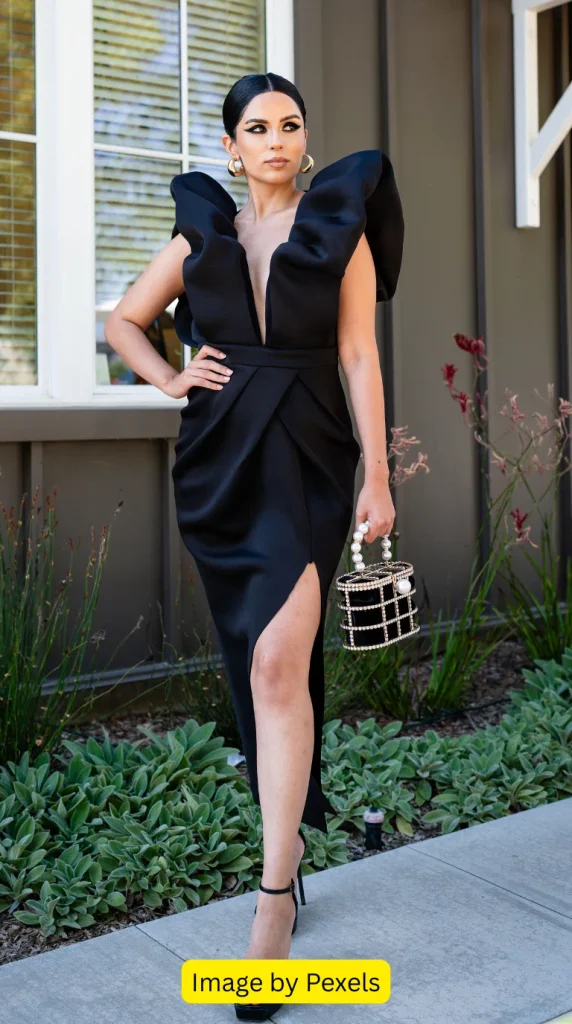
The strongest modern modest formalwear combines coverage with one memorable design feature. That feature might be an architectural sleeve, sculptural draping, a cape, an unusual fabric, tonal embellishment, or a beautifully constructed skirt.
The rest of the outfit should remain relatively clean. This creates the visual balance that makes contemporary modest fashion feel intentional rather than overly conservative.
Choose accessories that support the statement detail rather than competing with it.
Best for: Major celebrations, galas, weddings, formal evening events
Style tip: Let one distinctive feature define the outfit and keep everything else refined.
How to Choose a Modern Modest Formal Dress
The best dress depends on more than the amount of coverage. Consider the overall silhouette, fabric, neckline, sleeves, event setting, season, and how comfortably you can move in the design.
Start With the Silhouette
A-line gowns are versatile and easy to style, while column silhouettes create a more streamlined appearance. Flowing gowns emphasize movement, and structured styles provide a more tailored effect.
Choose the shape that makes you feel comfortable and suits the formality of the event rather than following a trend simply because it is popular.
Consider the Fabric
Fabric dramatically changes how a modest gown looks.
- Satin: Smooth, polished, and subtly luminous.
- Crepe: Structured, understated, and modern.
- Chiffon: Lightweight, flowing, and romantic.
- Velvet: Rich, textured, and particularly suited to cooler weather.
- Lace: Detailed, feminine, and useful for adding texture.
- Georgette: Softly flowing with slightly more structure than chiffon.
For warm weather, prioritize breathable construction and avoid excessive layers. For colder celebrations, velvet, heavier crepe, and layered designs can provide a more substantial feel.
Choose the Right Coverage
Modest dressing can mean different things to different people. You might prioritize full-length sleeves, a higher neckline, a floor-length hem, a lined bodice, or simply a silhouette that does not feel overly exposed.
Check the dress from several angles before purchasing. Pay attention to the neckline, back, skirt slit, lining, and transparency rather than judging coverage from the front alone.
Keep the Styling Modern
Coverage alone does not determine whether a dress feels contemporary. Modern styling often comes from clean tailoring, interesting fabric, controlled proportions, and intentional accessories.
A covered gown can feel current with:
- Sculptural earrings
- A sleek clutch
- Pointed pumps
- Metallic shoes
- Minimal jewelry
- A polished updo
- Soft waves
- Tonal accessories
- Modern tailoring
The goal is not to add more details. Often, removing unnecessary decoration creates the more sophisticated result.
What Colors Work Best for Modest Formalwear?
There is no single color that defines elegant modest formalwear. Choose according to the season, venue, dress code, and personal preference.
For timeless elegance: black, navy, charcoal, and deep brown.
For rich evening style: emerald, burgundy, sapphire, plum, and deep teal.
For softer looks: blush, dusty rose, sage, champagne, taupe, and muted blue.
For minimalist dressing: monochrome neutrals such as beige, stone, mocha, or greige.
If the dress has dramatic sleeves, texture, or embellishment, a solid color can help keep the overall outfit balanced.
How to Accessorize a Modest Formal Dress
Accessories should complement the dress rather than compensate for its simplicity.
For a heavily textured dress such as velvet or lace, choose understated jewelry. For a minimalist crepe gown, a sculptural earring or refined clutch can create a stronger focal point.
Match metallic finishes when possible. Silver jewelry generally pairs naturally with cool colors, while gold works beautifully with warm neutrals and rich earth tones.
Your shoes should also suit the venue. Heels may work well for a ballroom, while a lower heel or elegant flat can be more practical for an outdoor celebration.
Common Mistakes to Avoid
Even an elegant dress can become difficult to wear when practical details are overlooked.
Choosing Coverage Without Considering Comfort
A high neckline or long sleeve is only useful if you can comfortably wear it for several hours. Check the fabric, sleeve construction, neckline fit, and overall mobility.
Adding Too Many Accessories
A covered gown does not need layers of jewelry to look formal. If the dress already features lace, velvet, pleats, metallic details, or statement sleeves, keep the accessories simpler.
Ignoring the Dress Code
Modest and formal are not interchangeable with every dress code. Always check the invitation before choosing the dress length, fabric, color, and overall level of formality.
Forgetting the Venue
A heavily layered velvet gown may feel uncomfortable at a warm outdoor event, while a lightweight chiffon dress may not provide enough warmth for a winter evening.
Buying Without Checking the Lining
Coverage can vary significantly between dresses made from the same fabric. Check whether the bodice and skirt are lined and whether lighter fabrics become transparent under strong lighting.
Frequently Asked Questions
What makes a formal dress modest?
A modest formal dress generally provides more coverage through features such as a longer hemline, higher neckline, sleeves, a covered back, or a less revealing silhouette. The exact definition depends on personal preferences and the occasion.
Can modest formal dresses still look fashionable?
Absolutely. Modern tailoring, luxurious fabrics, statement sleeves, elegant draping, monochrome styling, and sophisticated accessories can make a covered dress feel contemporary and fashion-forward.
What is the best fabric for a modest formal dress?
There is no single best fabric. Satin and crepe work well for polished structured looks, chiffon is excellent for flowing silhouettes, velvet suits cooler weather, and lace adds texture while maintaining an elegant appearance.
Are long-sleeve dresses always considered modest?
Not necessarily. Sleeve length is only one part of overall coverage. Neckline depth, back coverage, skirt length, transparency, and slits can all affect how covered a dress feels.
Can I wear a modest dress to a formal wedding?
Yes, provided the dress meets the wedding’s stated dress code. A modest dress can be completely appropriate for formal weddings when its length, fabric, silhouette, and styling match the required level of formality.
How can I make a simple modest dress look more luxurious?
Focus on fabric quality, tailoring, and accessories. Satin, velvet, polished crepe, refined jewelry, elegant shoes, and a structured clutch can elevate a simple silhouette without making the outfit overly decorated.
Final Thoughts
Modern modest formalwear is about finding the right balance between coverage, comfort, elegance, and personal style. A full-length gown does not have to look traditional, and a covered neckline does not mean sacrificing fashion.
From flowing chiffon and rich velvet to clean crepe, satin, statement sleeves, and contemporary monochrome styling, there are many ways to create a polished formal outfit that feels current.
The most versatile choice is usually a dress with a silhouette and fabric you genuinely feel comfortable wearing. When the fit, coverage, accessories, and occasion all work together, modest formal dresses can look just as sophisticated, luxurious, and fashion-forward as any other formalwear style.