
Finding lightweight formal dresses for a warm-weather wedding or special event can be harder than it sounds.
A dress may look beautiful online but feel completely different after several hours in the heat. Heavy lining, multiple layers, restrictive waistbands, synthetic fabrics, or excessive embellishment can turn an elegant outfit into something you spend the entire evening adjusting.
The better approach is to think beyond appearance.
For a summer formal event, the fabric, lining, silhouette, neckline, fit, and even the shoes can affect how comfortable you feel. A flowing chiffon dress may be easier to wear outdoors than a heavily structured gown, while a simple silk dress can look luxurious without needing layers of decoration.
This guide focuses on the practical side of choosing formalwear for warm weather. You’ll find lightweight dress ideas for weddings, evening celebrations, garden events, outdoor receptions, and other occasions where you want to look polished without feeling weighed down.
The goal isn’t to find the thinnest possible dress.
It’s to find a formal dress that looks refined, moves comfortably, photographs well, and remains wearable as the temperature rises.
What Makes a Formal Dress Lightweight?
“Lightweight” doesn’t necessarily mean that a dress is physically very thin.
A dress can feel relatively light because it uses a breathable fabric, has minimal lining, avoids excessive layers, or has a relaxed silhouette.
When shopping, look at the complete construction rather than the fabric name alone.
Pay attention to:
- Fabric weight: Lightweight chiffon and georgette generally feel less substantial than thick satin or velvet.
- Lining: A lightweight outer fabric can still feel warm if it has several heavy layers underneath.
- Silhouette: Loose or flowing shapes usually allow more movement than extremely fitted designs.
- Embellishment: Beading, sequins, and extensive appliqué can add considerable weight.
- Sleeves: Sheer or short sleeves may feel more comfortable than heavy full-length construction.
- Fit: A dress that clings tightly can feel warmer than one that allows some airflow.
- Construction: Fewer unnecessary layers often mean greater comfort.
A useful rule is to judge the dress as a whole rather than assuming that a particular material will automatically keep you cool.
Best Lightweight Fabrics for Formal Dresses
Different fabrics provide different combinations of airflow, movement, structure, and formality.
| Fabric | Heat Comfort | Movement | Formality | Best For |
|---|---|---|---|---|
| Chiffon | Excellent | Excellent | High | Outdoor weddings |
| Silk | Excellent | Excellent | Very High | Evening events |
| Georgette | Excellent | Very Good | High | Garden celebrations |
| Lightweight Satin | Good | Very Good | Very High | Evening receptions |
| Crepe | Good | Good | High | Formal dinners |
| Organza | Good | Structured | High | Statement silhouettes |
| Tulle | Moderate | Airy | Very High | Layered formal looks |
| Velvet | Low in heat | Moderate | Very High | Cool indoor venues |
Chiffon
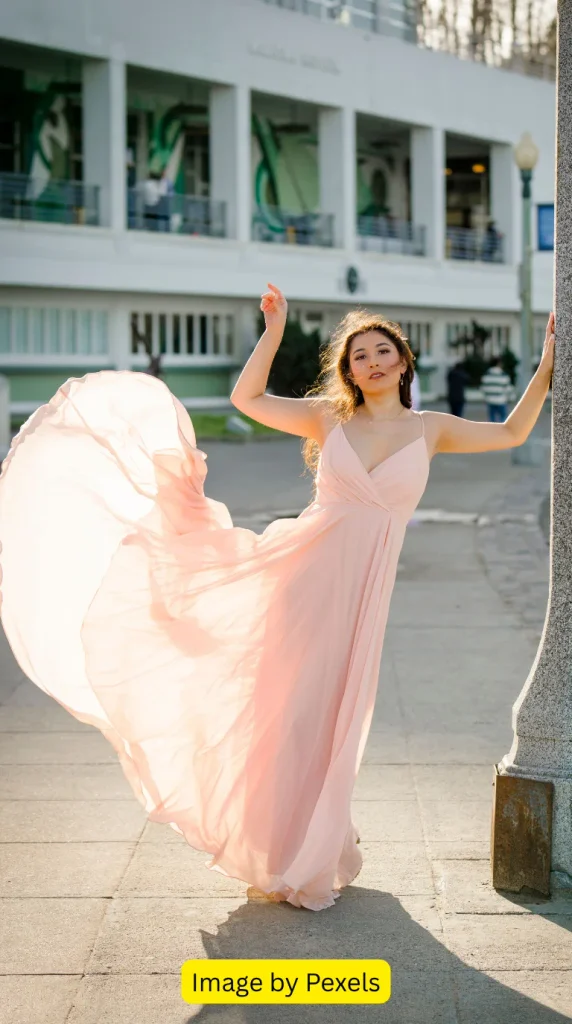
Chiffon is one of the easiest fabrics to consider when comfort is a priority.
Its flowing structure creates movement without making a gown feel visually heavy. It can work particularly well for outdoor weddings because the fabric responds beautifully to a light breeze.
The main thing to check is the lining. Multiple layers underneath can make an otherwise airy chiffon dress feel much warmer.
Silk
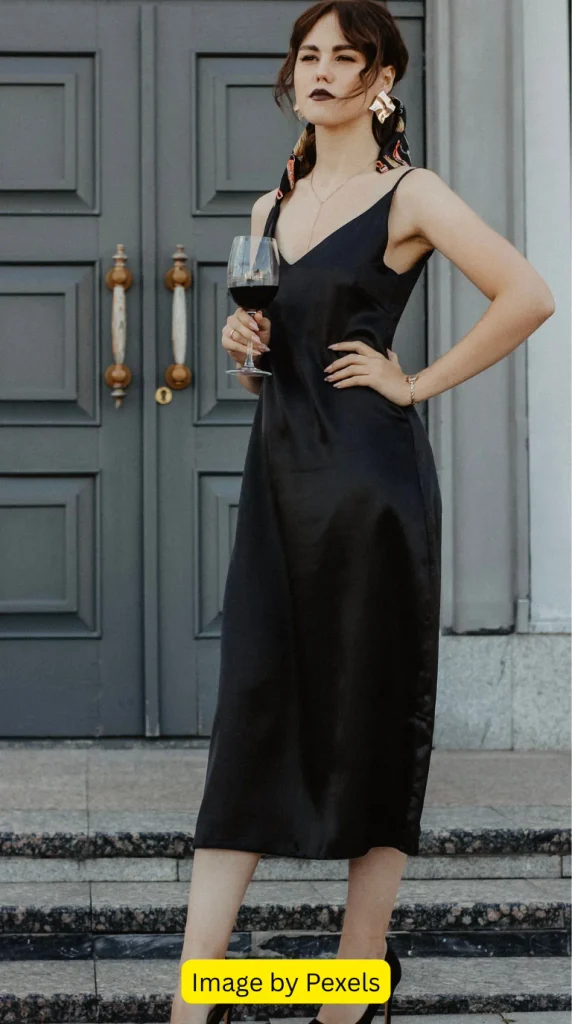
Silk has a naturally luxurious appearance and graceful drape.
A simple silk gown can look exceptionally formal without relying on heavy embellishment. This makes it useful when you want an elegant outfit with a relatively uncomplicated construction.
Georgette
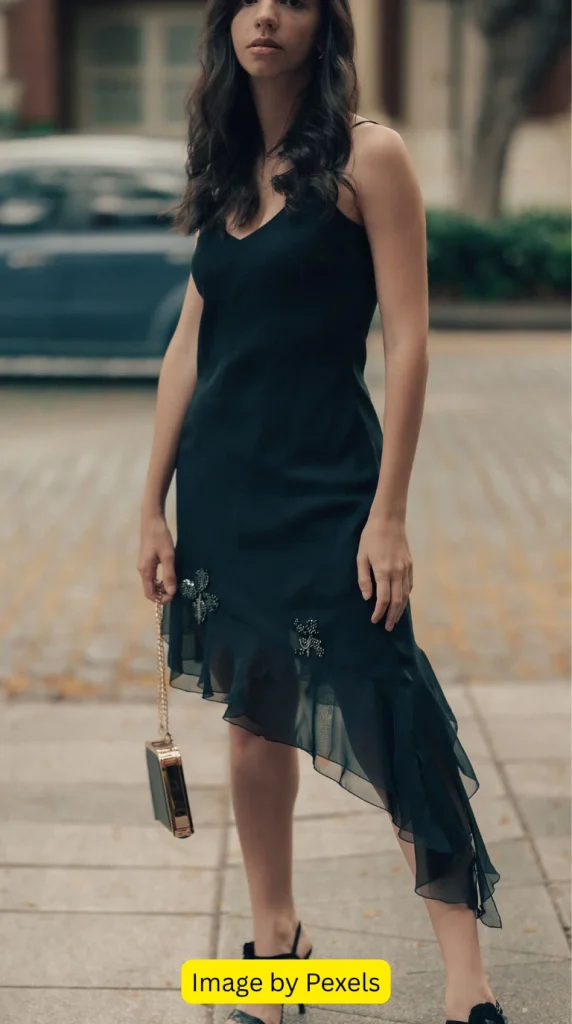
Georgette has a soft, slightly textured appearance and tends to create beautiful movement.
It works particularly well for flowing silhouettes, gathered waists, and dresses designed for outdoor celebrations.
Lightweight Satin
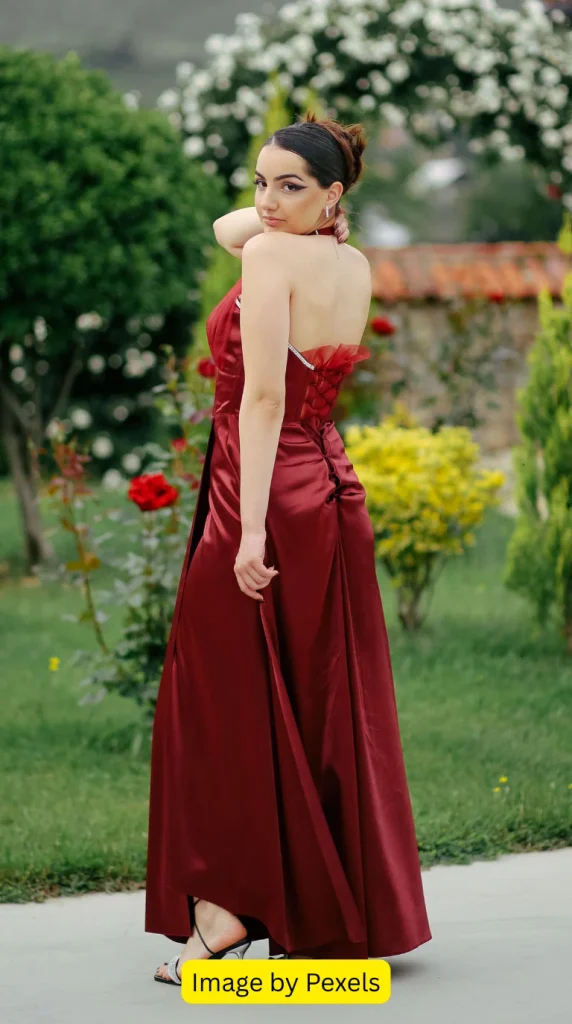
Satin is associated with polished eveningwear because of its smooth, luminous surface.
For warm weather, look for lightweight versions and relatively simple construction. A fluid satin dress can feel much easier to wear than a heavily structured satin gown.
Crepe
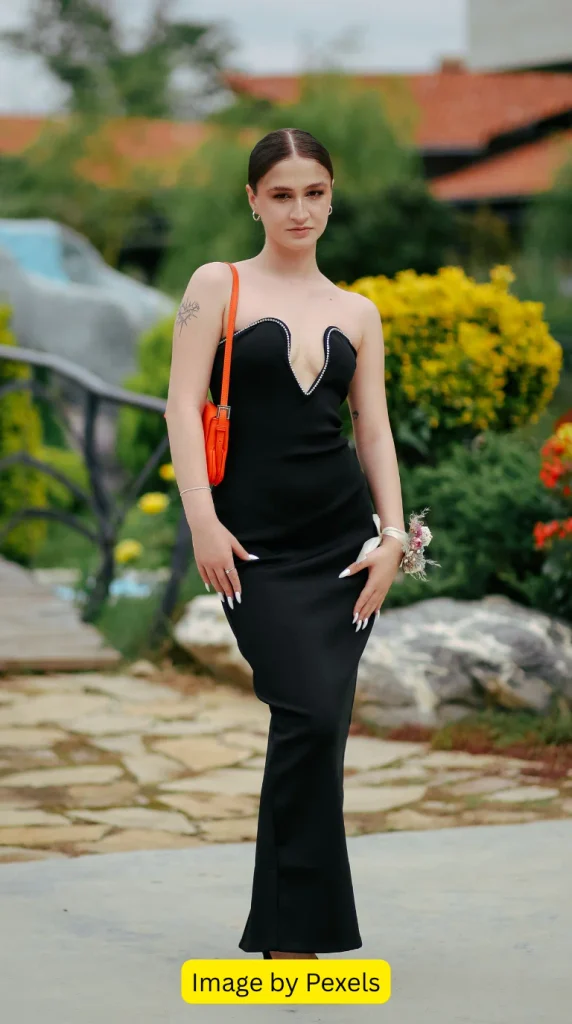
Crepe provides more structure than chiffon while maintaining a relatively clean, elegant appearance.
It’s especially useful for minimalist column dresses, fitted bodices, and modern formal silhouettes.
Lightweight Fabric Comparison: Which Should You Choose?
The “best” fabric depends on the conditions you’ll actually encounter.
| If You Prioritize… | Consider First | Why |
|---|---|---|
| Maximum airflow | Chiffon | Light and flowing |
| Luxurious simplicity | Silk | Elegant drape with little decoration needed |
| Outdoor movement | Georgette | Soft movement and comfortable structure |
| Evening glamour | Lightweight Satin | Smooth finish and subtle shine |
| Clean tailoring | Crepe | Holds a polished shape |
| Dramatic volume | Organza | Lightweight structure |
| Romantic layers | Tulle | Airy visual texture |
Don’t treat this table as a guarantee of temperature performance. The lining, weather, fit, and dress construction can matter just as much as the fabric itself.
Lightweight Formal Dress Silhouettes
The silhouette can change how warm and comfortable a dress feels even when two dresses use the same fabric.
A-Line
An A-line dress gradually widens from the bodice toward the hem.
This creates plenty of movement without requiring a very oversized skirt.
It’s one of the most versatile choices for formal events because it can look elegant without feeling restrictive.
Empire Waist
An empire waist sits higher on the torso, allowing the fabric below it to fall freely.
This can be particularly comfortable when you don’t want a dress tightly fitted around your natural waist.
Flowing chiffon, georgette, and lightweight silk work especially well with this shape.
Wrap Silhouette
A wrap dress creates an adjustable waist and naturally flowing skirt.
For formal events, look for a floor-length or elevated maxi version with sophisticated fabric and refined construction.
The adjustable nature can also make the fit more forgiving throughout a long celebration.
Column
A column silhouette creates a long, straight visual line.
It works particularly well in silk, crepe, and lightweight satin.
Because the dress is more fitted through the body, pay attention to ease of movement. A side slit can make a substantial difference.
Flowing Maxi
A formal maxi dress with a loose, graceful skirt can be an excellent warm-weather choice.
Look for elevated fabrics and sophisticated necklines so the dress maintains its formal character rather than appearing like casual resortwear.
Halter
A halter neckline can provide a more open upper-body design while maintaining an elegant appearance.
Pairing the neckline with a flowing skirt creates a particularly useful combination for summer events.
Off-Shoulder
An off-shoulder neckline exposes the shoulders while keeping the rest of the gown formal.
It’s especially effective when paired with chiffon, silk, or lightweight satin.
Dress Silhouette Comparison
| Silhouette | Airflow | Ease of Movement | Formal Look | Best Feature |
|---|---|---|---|---|
| A-Line | Excellent | Excellent | Very High | Versatility |
| Empire Waist | Excellent | Excellent | High | Relaxed waist |
| Wrap | Very Good | Excellent | High | Adjustable fit |
| Flowing Maxi | Excellent | Excellent | High | Natural movement |
| Halter | Very Good | Very Good | Very High | Open neckline |
| Off-Shoulder | Very Good | Good | Very High | Shoulder detail |
| Column | Moderate | Moderate | Very High | Sleek shape |
| Mermaid | Lower | Lower | Very High | Dramatic silhouette |
The more fitted silhouettes aren’t necessarily bad choices. They simply require more attention to fit and construction if you’ll be wearing them during a hot-weather event.
18 Lightweight Formal Dress Ideas
These looks are designed around different combinations of fabric, silhouette, and styling rather than simply changing the color of the same dress.
1. Airy Chiffon A-Line
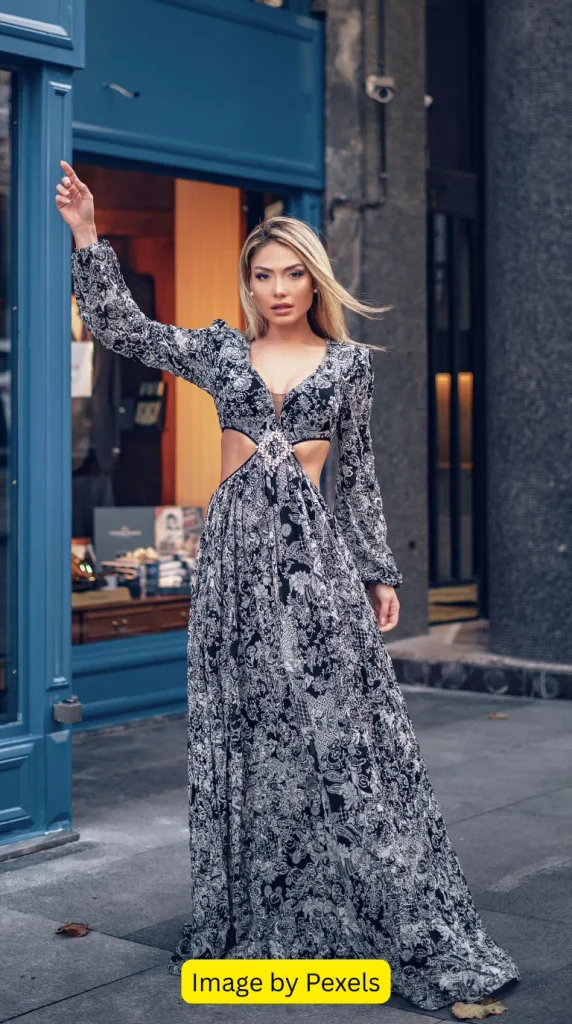
A flowing chiffon A-line gown is one of the safest starting points when both elegance and comfort matter.
The fitted bodice gives the outfit structure, while the wider skirt creates movement and reduces the feeling of being wrapped in fabric.
Soft blue, lavender, blush, sage, and muted neutral tones can work beautifully for summer celebrations.
Add delicate earrings and comfortable formal sandals for a polished outdoor look.
Best for: Garden weddings, estate celebrations, daytime-to-evening events.
2. Silk Slip Dress
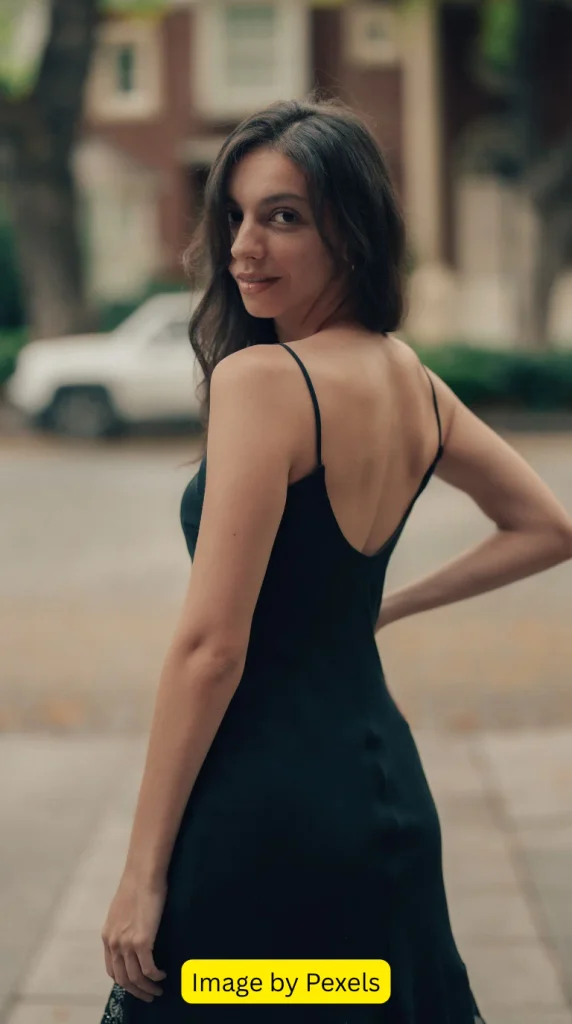
A silk slip dress demonstrates how little you need to create a formal appearance.
The fabric provides natural drape and subtle luxury, while the uncomplicated silhouette keeps the outfit visually light.
For an evening event, black, navy, champagne, or deep jewel tones can create a sophisticated finish.
Keep the accessories intentional rather than excessive. A small clutch and delicate jewelry are usually enough.
Best for: Evening receptions, rooftops, city weddings.
3. Soft Georgette Maxi
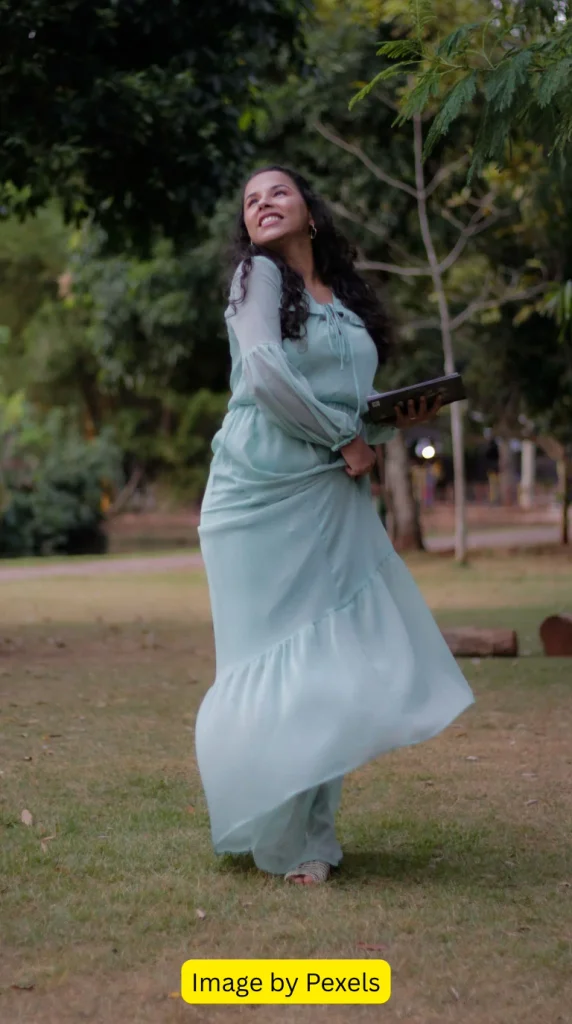
Georgette works beautifully when you want a flowing dress with a little more texture than traditional chiffon.
A softly gathered waist can define the silhouette while allowing the skirt to move freely.
Choose a sophisticated print or solid color depending on the formality of the event.
Best for: Outdoor weddings, vineyards, garden receptions.
4. Lightweight Satin Bias Cut
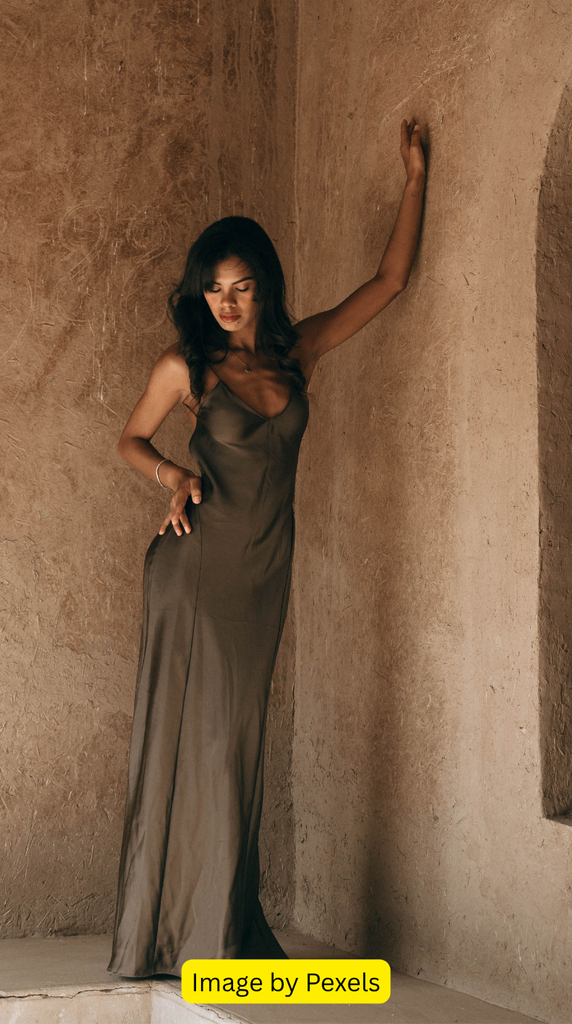
A bias-cut satin dress follows the body’s natural lines without requiring extensive structure.
The subtle shine gives it an unmistakably evening feel, while the fluid construction keeps the overall look simple.
A metallic clutch and understated earrings can provide enough polish without overwhelming the dress.
Best for: Evening weddings, formal dinners, hotel receptions.
5. Empire-Waist Chiffon
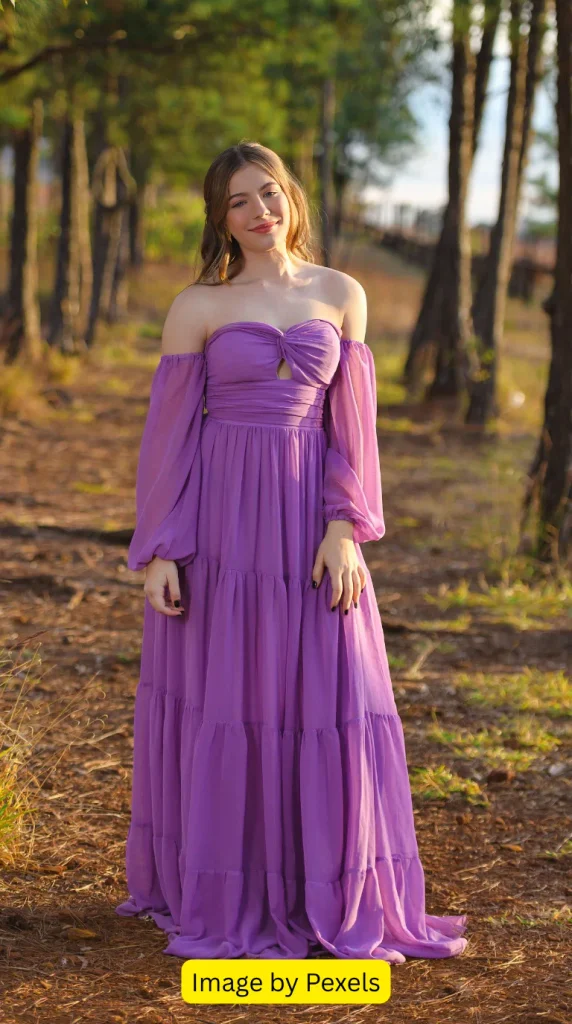
An empire-waist gown can be particularly comfortable when you dislike fitted waistbands.
The higher waistline allows the skirt to fall freely, creating an elongated and romantic appearance.
Choose a floor-length version with refined details so the silhouette remains appropriate for formal occasions.
Best for: Outdoor ceremonies, long receptions, guests who prefer relaxed waistlines.
6. Pleated Georgette Gown
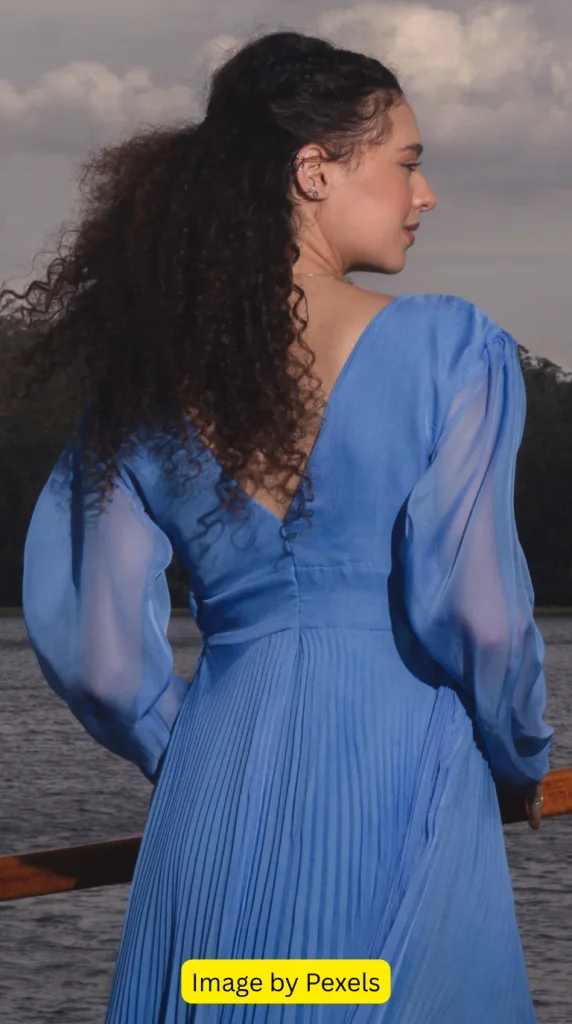
Pleats add texture without requiring heavy embellishment.
A softly pleated georgette gown can move beautifully when walking and create subtle dimension in photographs.
The folds also allow the dress to retain a polished shape without feeling overly structured.
Best for: Garden venues, sunset weddings, formal outdoor events.
7. Minimalist Crepe Column
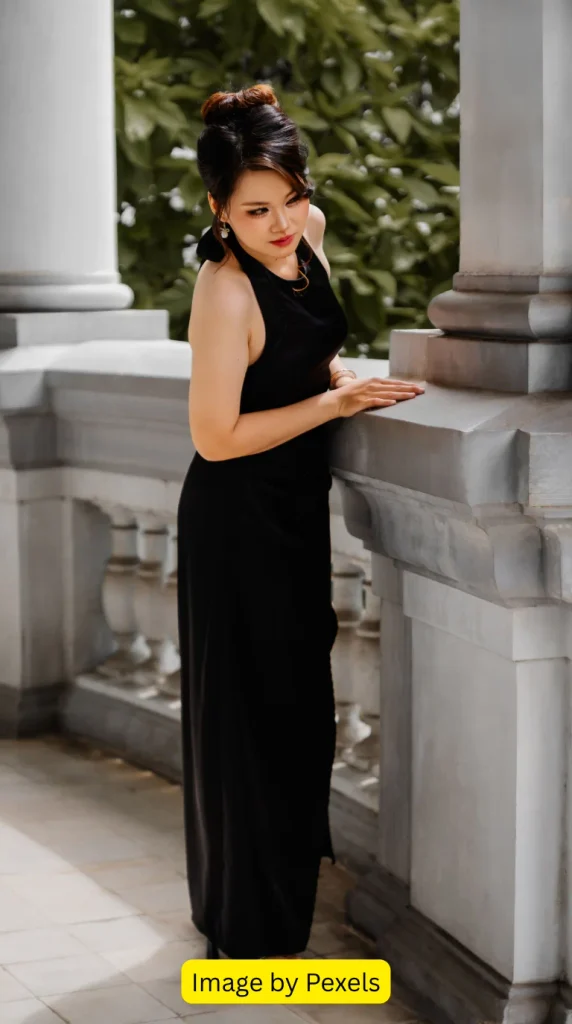
If flowing dresses aren’t your style, a minimalist crepe column can provide a completely different direction.
The clean silhouette creates sophistication through tailoring rather than decoration.
A side slit can improve mobility, while simple earrings and a structured clutch complete the look.
Best for: Modern weddings, formal dinners, luxury hotels.
8. Off-Shoulder Chiffon
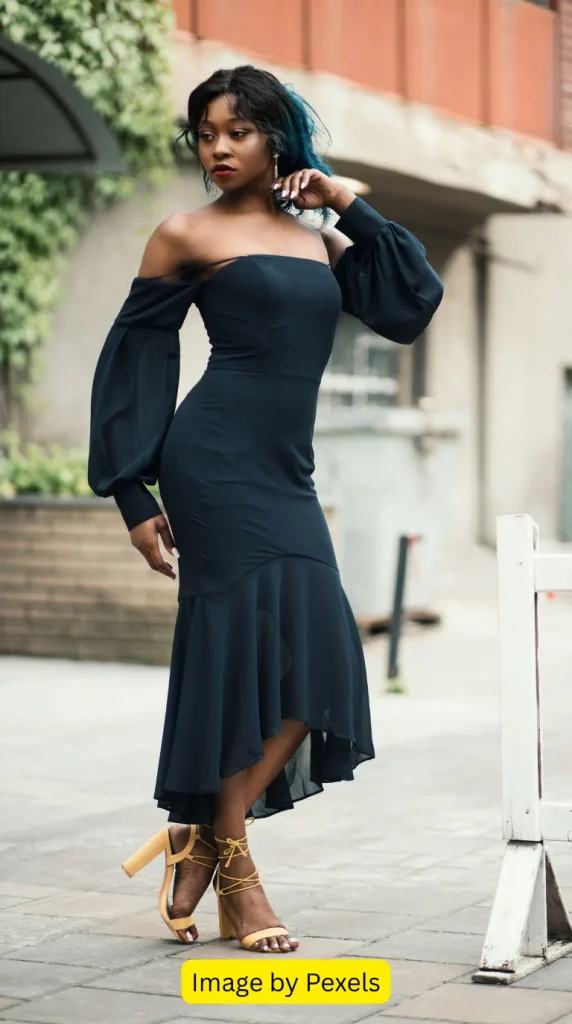
An off-shoulder chiffon gown combines an open neckline with a flowing skirt.
The result feels romantic without requiring layers of lace or embellishment.
A soft updo can emphasize the neckline, while pearls or delicate crystal earrings add a refined finishing touch.
Best for: Romantic weddings, garden estates, evening celebrations.
9. Halter Silk Gown
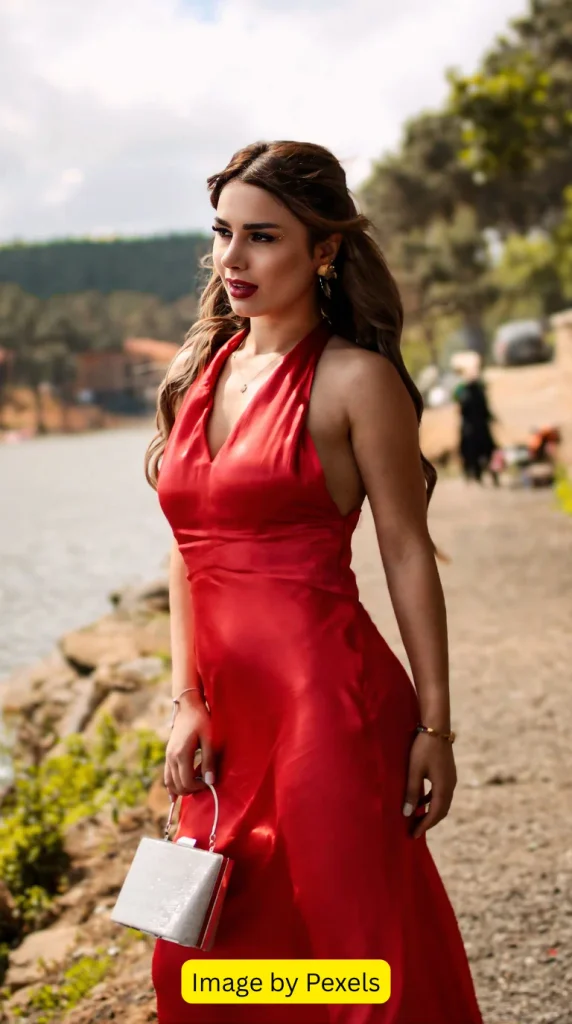
A silk halter gown creates an elegant neckline while leaving the shoulders more open.
A flowing skirt prevents the outfit from becoming too restrictive and creates movement as you walk.
This is a particularly good option if you want something sophisticated but less traditional than a strapless or long-sleeved gown.
Best for: Destination weddings, rooftop receptions, warm evening events.
10. Soft Wrap Gown
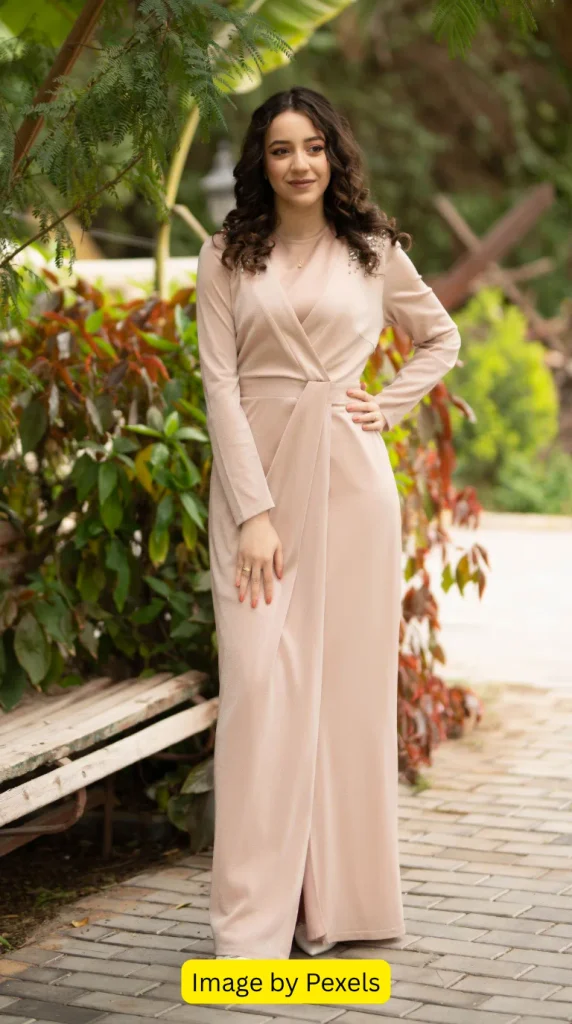
A formal wrap gown offers a combination of elegance and adjustability.
The waist can be defined without creating the rigid feeling of a heavily structured bodice.
Look for a floor-length version in chiffon, silk, or georgette.
A soft neutral or muted jewel tone can make the look feel sophisticated rather than casual.
Best for: Weddings where you’ll be moving between indoor and outdoor spaces.
11. Flowing One-Shoulder Dress
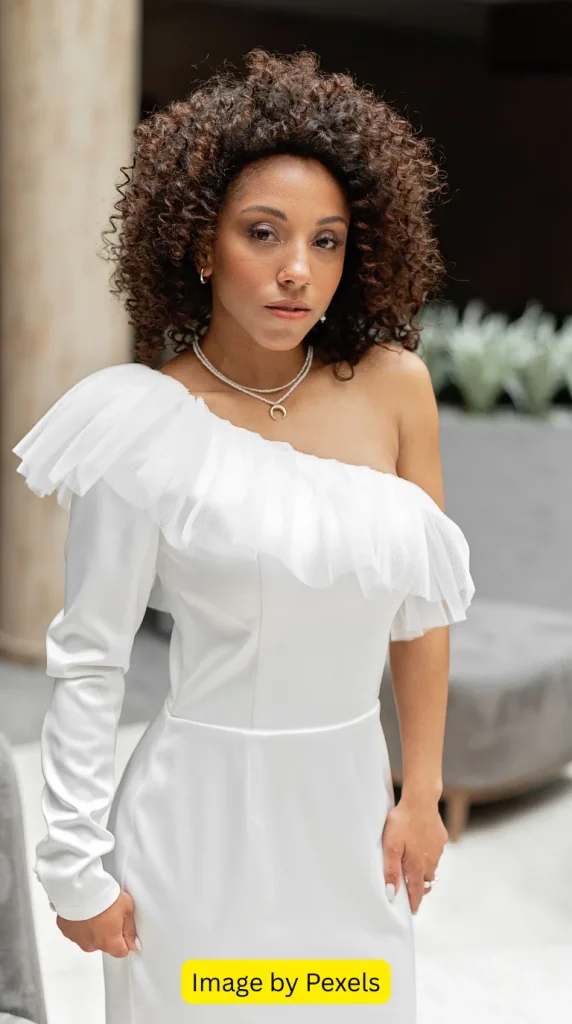
A one-shoulder gown creates visual interest through the neckline rather than excessive decoration.
Choose a flowing skirt to balance the asymmetrical upper section.
Because the neckline is already distinctive, skip a large necklace and focus on earrings or a bracelet instead.
Best for: Modern weddings, evening receptions, contemporary venues.
12. Lightweight Cape Gown
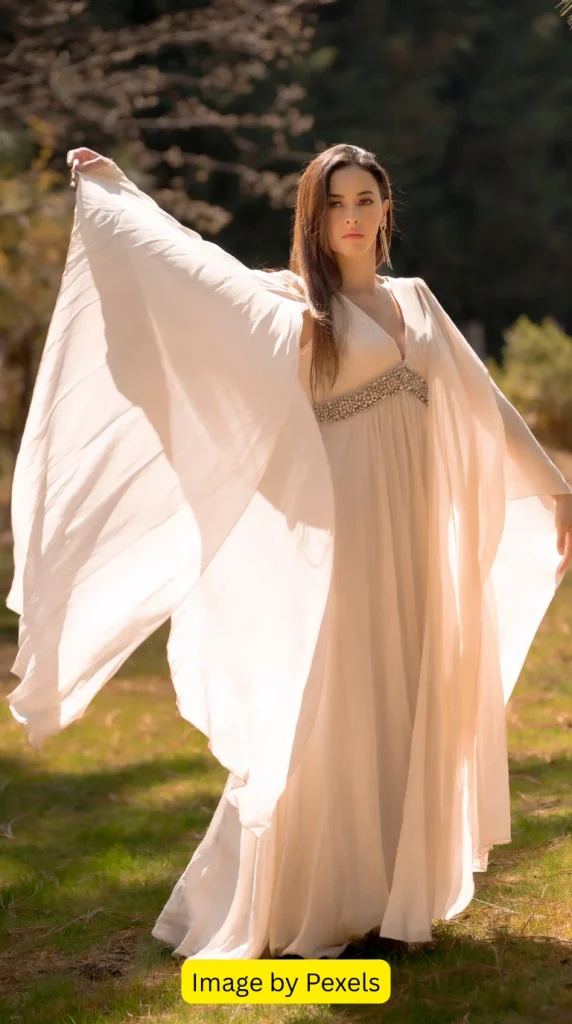
A cape detail can make a relatively simple dress look much more dramatic.
For summer, choose chiffon or another lightweight sheer material rather than a heavy cape.
The cape can also provide light shoulder coverage without adding a full sleeve.
Best for: Formal evening weddings, luxury hotels, estate receptions.
13. Romantic Lavender Gown
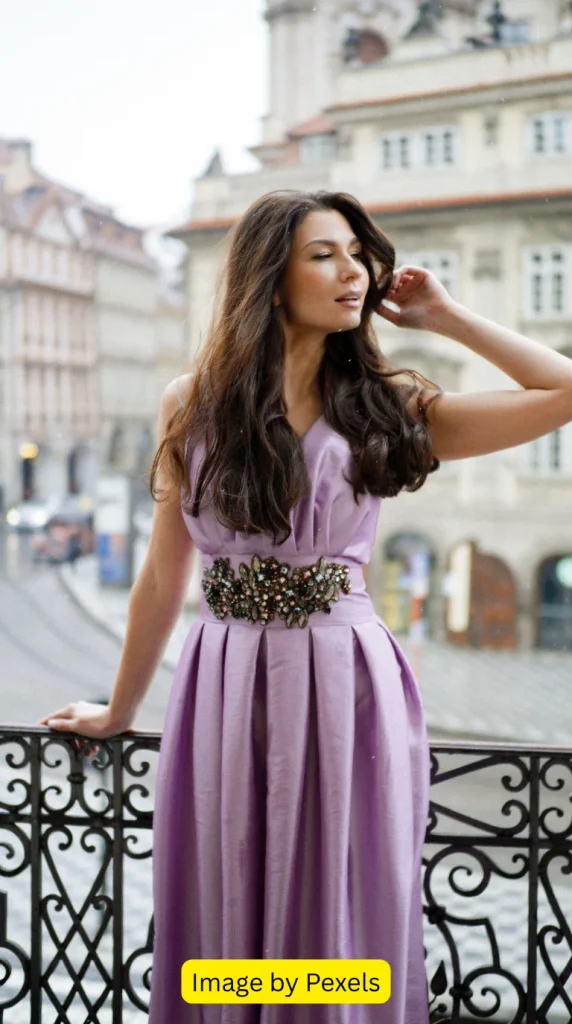
Lavender is a natural fit for warm-weather formalwear when you want color without choosing something extremely bold.
Pair a flowing skirt with soft draping or subtle pleats.
Silver or crystal accessories can complement the cool undertones, while a simple hairstyle keeps the look modern.
Best for: Garden weddings, romantic evening celebrations.
14. Champagne Silk Dress
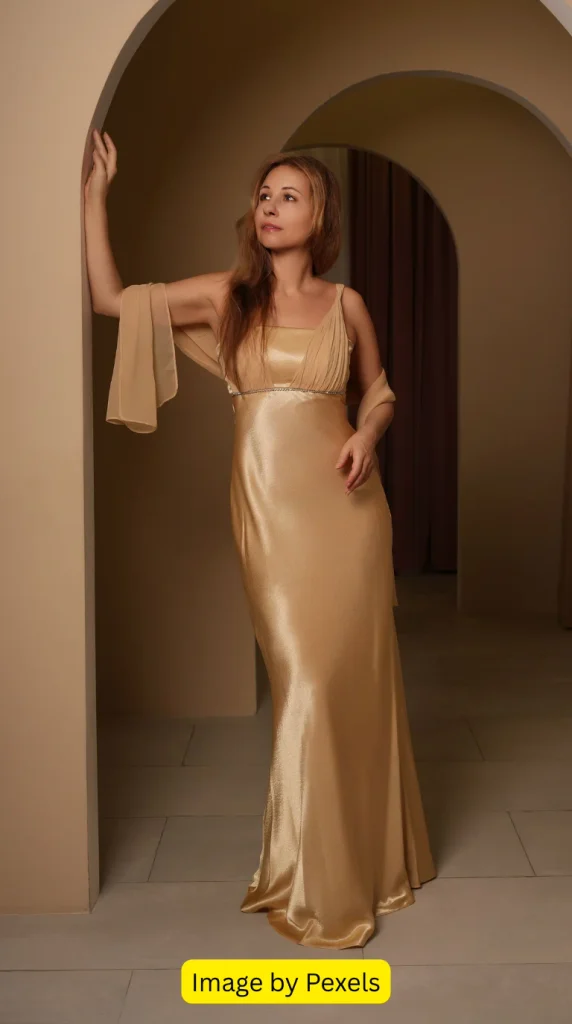
Champagne creates a soft, luminous appearance that works particularly well with silk or silk-blend fabrics.
Keep the silhouette clearly formal and consider the wedding’s dress code carefully when choosing very pale shades.
Gold accessories can reinforce the warmth of the color, while neutral footwear keeps the overall look understated.
Best for: Evening receptions, elegant estates, sunset celebrations.
15. Botanical Chiffon Gown
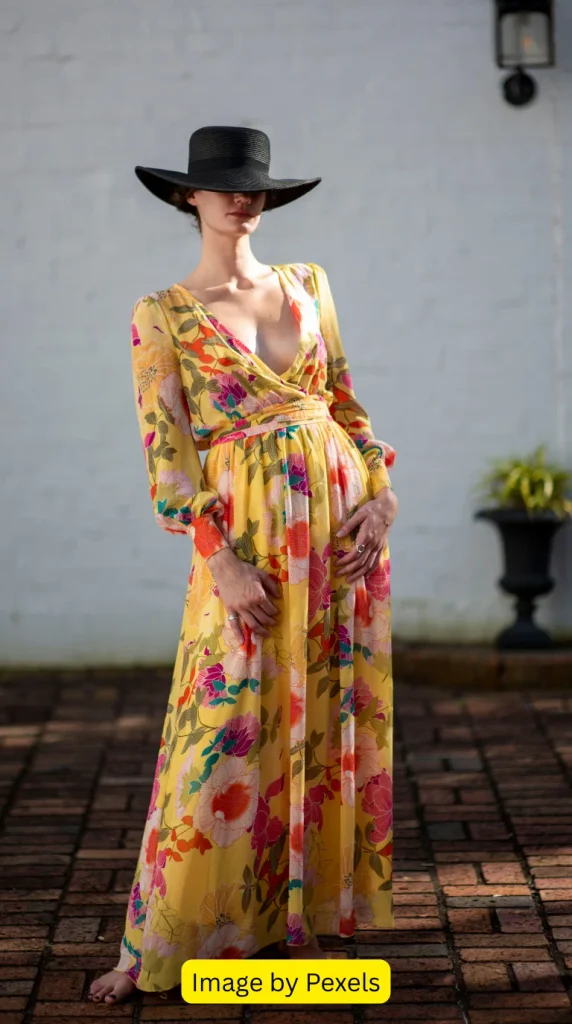
A botanical print can make a lightweight formal dress feel distinctly summery.
Look for sophisticated botanical patterns rather than bright, casual floral prints.
A dark background with subtle flowers can create a more evening-appropriate appearance, while muted botanical colors work beautifully for daytime celebrations.
Best for: Garden weddings, outdoor estates, vineyard venues.
16. Flowing Blue Maxi Gown
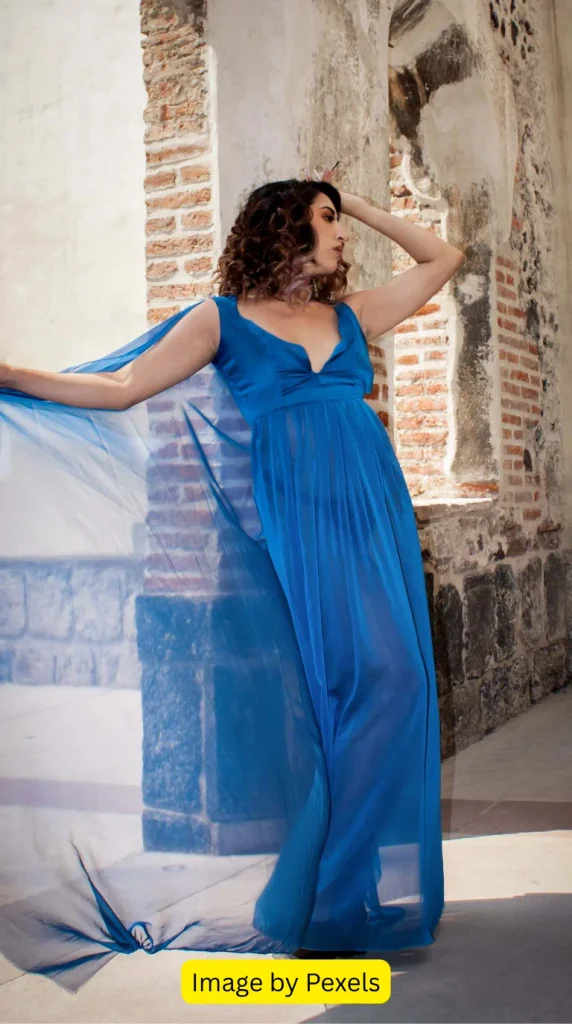
Soft blue is particularly effective for summer because it creates a fresh appearance without sacrificing sophistication.
Choose a floor-length silhouette with graceful movement and refined details.
Pearl accessories can emphasize the softness of the color, while silver jewelry creates a cooler, more contemporary effect.
Best for: Coastal weddings, garden receptions, summer evening events.
17. Lightweight Pleated Satin
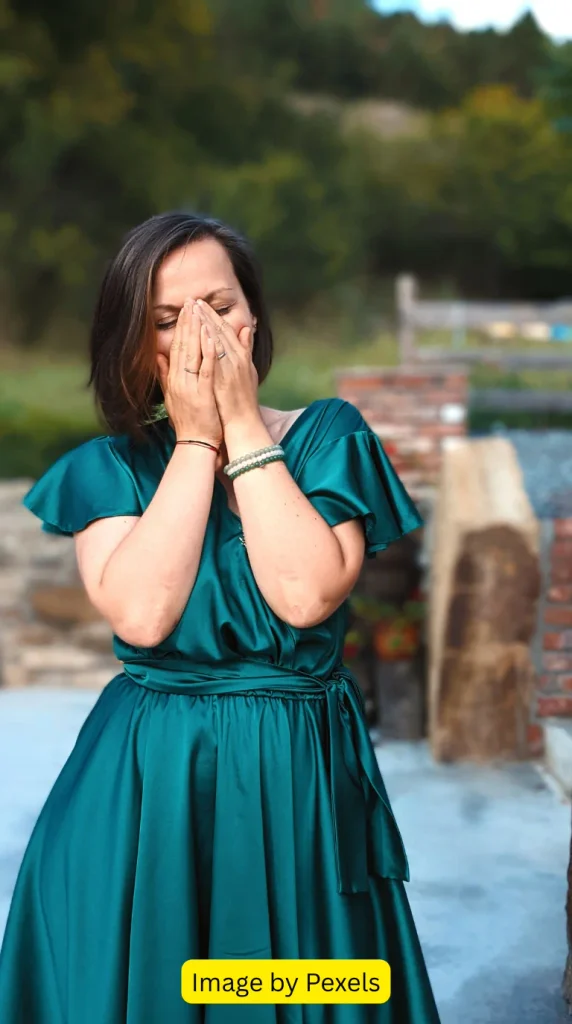
Pleating and satin create an interesting balance between texture and shine.
The pleats give the fabric movement, while the satin surface adds enough polish for formal occasions.
Choose a simple neckline so the texture remains the focal point.
Best for: Evening receptions, hotel weddings, formal dinners.
18. Soft Neutral Evening Gown
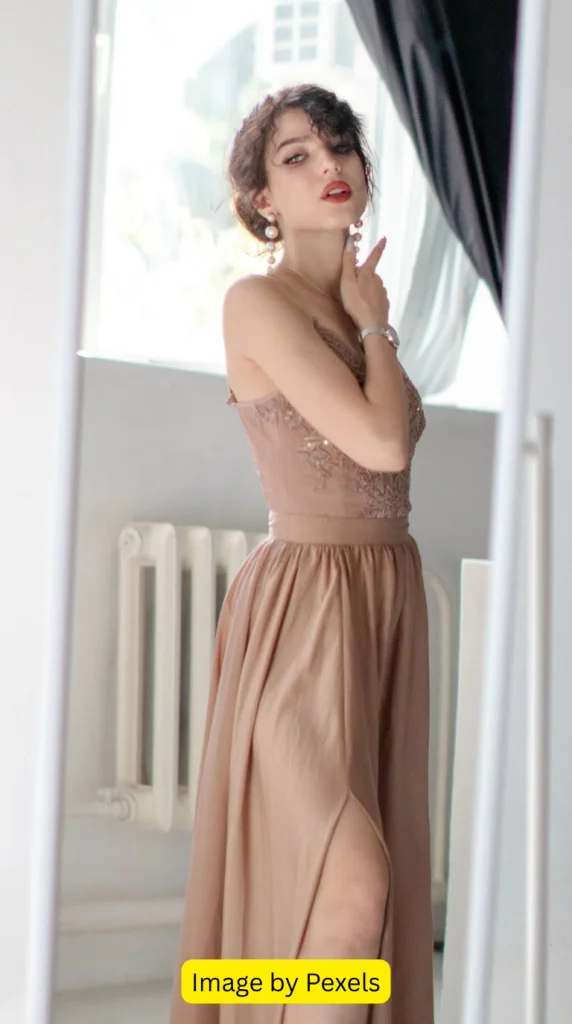
A neutral gown can look remarkably luxurious when the fabric and tailoring are excellent.
Taupe, dove gray, muted champagne, soft beige, and sophisticated blush can all create an understated appearance.
The trick is to keep the silhouette clearly formal and use accessories to provide definition.
Best for: Minimalist weddings, upscale venues, formal evening celebrations.
How to Choose a Lightweight Dress for a Hot Wedding
If the event is expected to be particularly warm, look beyond the dress’s appearance.
Check the lining
A dress described as chiffon or silk can still feel warm if it contains several layers of synthetic lining.
Whenever possible, check the product details for the lining material and construction.
Avoid unnecessary layers
Multiple underskirts, thick padding, heavy embellishment, and substantial overlays can increase the weight and warmth of a dress.
A simpler construction may actually look more luxurious because the fabric has room to move.
Consider the neckline
Open necklines can feel lighter during warm weather.
Halter, one-shoulder, off-shoulder, and sleeveless designs can all provide different ways to reduce coverage while remaining formal.
Think about movement
You aren’t going to stand still for the entire wedding.
You’ll likely walk between locations, sit through the ceremony, stand during photographs, eat dinner, and dance.
A dress that moves with you will generally be easier to enjoy.
Consider the time of day
A dress that works perfectly for an evening reception may feel uncomfortable during a 3 p.m. outdoor ceremony.
If the event begins in daylight, prioritize breathable construction from the beginning.
Lightweight Does Not Mean Casual
One common mistake is assuming that a lightweight dress automatically looks informal.
That’s not true.
Formality comes from the combination of silhouette, fabric quality, construction, length, tailoring, and styling.
For example, a simple silk floor-length gown can look more formal than a short dress covered in decorative details.
Likewise, a chiffon gown can look sophisticated when it has an elegant neckline, thoughtful draping, and polished accessories.
If you’re attending a formal wedding, focus on the overall presentation rather than simply asking whether the fabric feels light.
How to Style a Lightweight Formal Dress
Accessories can elevate a simple lightweight dress without making it feel heavy.
Jewelry
Delicate earrings, pearls, slim bracelets, and refined rings can add enough sparkle.
If the gown already has pleats, lace, crystals, or a dramatic neckline, avoid adding too many competing details.
Shoes
Formal sandals can work particularly well for summer events.
Metallic heels, elegant strappy sandals, satin pumps, and refined neutral shoes are all possibilities depending on the venue.
For outdoor weddings, stability should be part of your decision. Grass, gravel, and uneven paths can make narrow heels difficult to manage.
Clutch
A compact clutch is practical without overwhelming the outfit.
Metallic, neutral, black, or color-coordinated options are generally easy to pair with formalwear.
Hair
Your hairstyle can help create the feeling of a lighter outfit.
An updo or sleek ponytail can highlight halter and one-shoulder necklines, while soft waves can complement romantic flowing dresses.
How to Make a Lightweight Dress Look More Formal
Sometimes the dress itself is simple, but the occasion requires a more elevated appearance.
You can increase the formality through styling.
Try:
- Choosing floor-length over casual short silhouettes
- Adding refined jewelry
- Selecting elegant footwear
- Using a structured clutch
- Wearing polished hair and makeup
- Choosing sophisticated rather than casual colors
- Selecting high-quality fabrics with graceful drape
- Keeping the overall outfit coordinated
You don’t need sequins, rhinestones, or heavy embellishment to make a formal outfit look expensive.
Lightweight Dresses for Different Wedding Settings
Garden Weddings
Flowing chiffon, georgette, botanical prints, and soft colors work naturally with garden settings.
An A-line or flowing maxi silhouette provides movement without feeling restrictive.
Beach and Coastal Weddings
Silk, chiffon, and lightweight satin can move beautifully in coastal environments.
Choose footwear carefully if you’ll be walking across sand or uneven ground.
Outdoor Estate Weddings
Estate weddings offer more flexibility.
A flowing chiffon gown, elegant floral print, pleated design, or sophisticated neutral can all work depending on the dress code.
Indoor Summer Weddings
Air-conditioned indoor venues give you more freedom to choose fabrics that may be less comfortable outside.
Lightweight satin, crepe, and silk can all create a polished evening appearance.
Lightweight vs. Traditional Heavy Formalwear
A lighter dress isn’t automatically better for every event.
Heavy formalwear can provide structure, warmth, and dramatic volume. It may be perfectly appropriate for a cool ballroom or heavily air-conditioned venue.
The advantage of lightweight construction becomes most noticeable when the event involves heat, outdoor movement, long periods of standing, or changing temperatures.
Use the conditions of the actual event to guide your decision.
| Event Condition | Better Starting Point |
|---|---|
| Hot outdoor ceremony | Chiffon or georgette |
| Humid destination wedding | Silk or flowing chiffon |
| Sunset outdoor reception | Silk or lightweight satin |
| Air-conditioned ballroom | Crepe or lightweight satin |
| Long outdoor reception | Flowing A-line or maxi |
| Formal evening dinner | Silk, satin, or crepe |
| Uneven outdoor terrain | Flowing dress with practical footwear |
Common Mistakes When Buying Lightweight Formal Dresses
Choosing by fabric name alone
“Chiffon” doesn’t tell you everything.
The lining, number of layers, construction, and fit can completely change how a dress feels.
Ignoring the weather
Always consider where you’ll actually be wearing the dress.
A lightweight gown for an air-conditioned hotel doesn’t necessarily need the same construction as one for an outdoor garden ceremony.
Choosing a dress that is too fitted
A very fitted dress can restrict airflow and make movement uncomfortable.
If comfort is important, consider a silhouette with some freedom through the skirt.
Overlooking footwear
A breathable dress won’t solve the problem of uncomfortable shoes.
Your footwear needs to work with the venue as well as the outfit.
Buying without testing movement
Before the event, sit, walk, bend slightly, raise your arms, and move around in the dress.
This can reveal problems that aren’t obvious while standing in front of a mirror.
Frequently Asked Questions
What are the best lightweight formal dresses for hot weather?
Chiffon, silk, georgette, and lightweight satin dresses are strong options for warm-weather formal events. Flowing A-line, maxi, empire-waist, halter, and wrap silhouettes can provide additional movement and comfort.
What is the coolest fabric for a formal dress?
There isn’t one fabric that will feel coolest in every situation because lining, construction, fit, and weather all matter. Chiffon, silk, and georgette are generally useful starting points when breathability and movement are priorities.
Can a lightweight dress still be formal enough for a wedding?
Yes. Formality comes from the overall design, not simply from how heavy the dress is. A floor-length silk, chiffon, satin, or crepe gown can look highly formal while remaining relatively lightweight.
Are chiffon dresses good for summer weddings?
Yes. Chiffon is lightweight and naturally flowing, making it particularly useful for warm outdoor celebrations. Check the lining, however, because multiple layers can make a chiffon gown warmer than expected.
Is silk good for hot-weather formalwear?
Silk can be an excellent choice for warm-weather formalwear because it has a luxurious drape and doesn’t require extensive embellishment to look elegant. The specific weave, lining, and construction still matter.
Are satin dresses too hot for summer?
Not necessarily. Lightweight satin can work well for summer evening events, particularly indoors. Heavy satin or heavily lined construction may be less comfortable in direct heat.
What is the most comfortable formal dress silhouette?
A-line, empire-waist, wrap, and flowing maxi silhouettes are often good starting points when comfort and movement are priorities. The best choice ultimately depends on fit and personal preference.
Can you wear a lightweight maxi dress to a formal wedding?
Yes, provided the maxi dress has an appropriately formal silhouette, fabric, length, and styling. A simple casual maxi isn’t necessarily suitable for a formal dress code, but an elegant floor-length gown can be.
How can I make a lightweight dress look more elegant?
Focus on polished accessories, formal footwear, refined jewelry, a structured clutch, and a well-finished hairstyle. A simple high-quality fabric can look more sophisticated than a heavily decorated casual dress.
What should I look for in a lightweight formal dress?
Check the fabric, lining, number of layers, fit, neckline, embellishment, and silhouette. A dress can be labeled lightweight while still feeling warm if it has heavy lining or extensive construction.
Are lightweight dresses suitable for black-tie weddings?
Some lightweight dresses can absolutely work for black-tie events, particularly floor-length gowns made from chiffon, silk, lightweight satin, or crepe. The specific dress still needs to meet the formality of the invitation.
What shoes are best for a lightweight summer formal dress?
Elegant sandals, metallic heels, satin pumps, and refined dress shoes can all work. For outdoor events, prioritize stability and comfort because the venue may include grass, gravel, or uneven surfaces.
How can I stay cool in a formal dress?
Choose breathable or flowing fabrics, minimize unnecessary layers, select a comfortable silhouette, and consider the lining carefully. For outdoor events, also think about the time of day and expected weather conditions.
Final Thoughts
The best lightweight formal dresses don’t simply look beautiful in a photograph.
They should make sense for the conditions in which you’ll actually wear them.
For hot outdoor celebrations, flowing chiffon and georgette can provide movement without unnecessary weight. Silk offers understated luxury, while lightweight satin and crepe can create a more structured evening appearance.
The silhouette matters too. A-line, empire-waist, wrap, and flowing maxi designs are useful starting points when comfort is important, while halter, off-shoulder, column, and one-shoulder styles offer different ways to balance coverage and elegance.
Before buying, look beyond the fabric label. Check the lining, construction, amount of embellishment, fit, and length. Then think about the venue, weather, footwear, and how much movement the event will require.
Most importantly, don’t confuse lightweight with casual.
A thoughtfully constructed lightweight gown can look every bit as sophisticated as a heavier formal dress. In warm weather, it may simply be much easier to enjoy.
The best formal outfit is one that allows you to stop worrying about what you’re wearing and concentrate on the occasion itself.