
A black tie wedding dress should look elegant, but it should also let you move, sit, eat, and enjoy the evening without constantly adjusting it. If you are concerned about how a dress feels around your midsection, the most useful approach is not simply looking for a dress that is “loose” or “slimming.” Instead, pay attention to where the dress fits, how the fabric moves, where the waistline sits, and whether the construction gives you enough room to feel comfortable throughout the event.
This guide focuses on choosing a black tie wedding guest dress for midsection comfort. You’ll learn which silhouettes tend to give you more room, what to look for when trying on a dress, which details can make a difference, and how to avoid common fit problems without sacrificing a polished formal look.
What Makes a Black Tie Dress Comfortable Around the Midsection?
Midsection comfort is not determined by one particular dress style. Two dresses with a similar silhouette can feel completely different depending on their fabric, construction, waist placement, lining, and fit.
A comfortable formal dress should allow you to sit and move without excessive pulling across the stomach or waist. It should also stay in place without requiring you to constantly pull it down, smooth it out, or adjust the waistband.
When choosing a dress, think about movement and fit rather than simply size.
A dress can technically be the correct size and still feel uncomfortable if the waist is too structured, the fabric has little give, or the bodice is cut too closely around the midsection.
1. Start With the Waistline
The position and construction of the waistline can make a noticeable difference in how a formal dress feels around your middle.
Empire waist
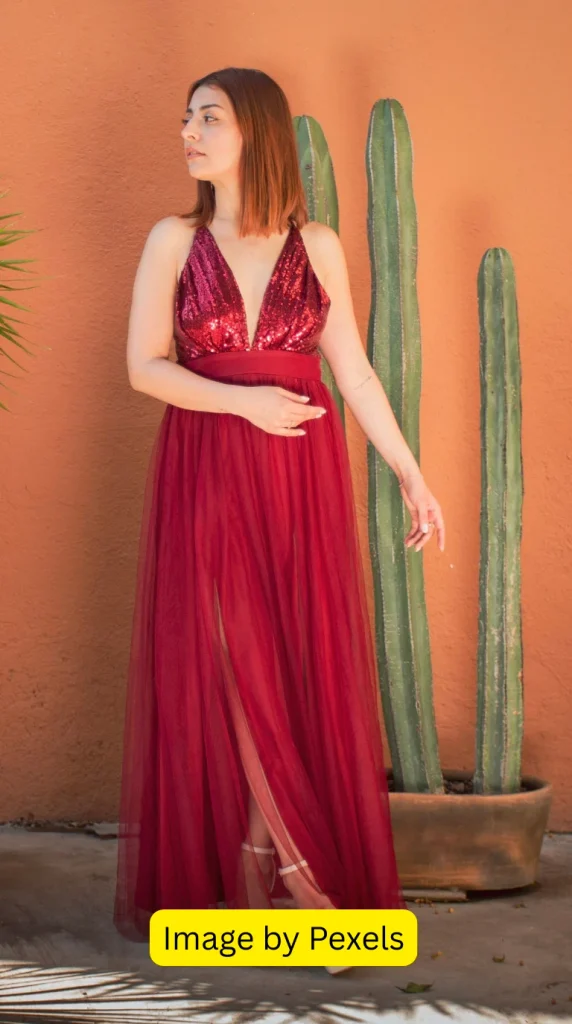
An empire waist sits higher than the natural waist, usually just below the bust.
This can provide more room through the stomach area because the skirt begins higher on the body rather than fitting closely around the natural waist.
It can be worth considering if you dislike a defined waistband or feel restricted by fitted dresses.
Natural waist

A dress that follows the natural waist can still be comfortable, particularly when the waistband is not overly rigid and the fabric has some movement.
Look for a waist that defines your shape without digging into your body when you sit down.
Drop or relaxed waist

Some formal dresses use a lower or less-defined waistline.
These styles can work well when you prefer a dress that does not create a strong horizontal break around your stomach.
The important consideration is proportion: the dress should still maintain a deliberate, polished silhouette rather than simply looking oversized.
2. Look for Fabrics That Move With You
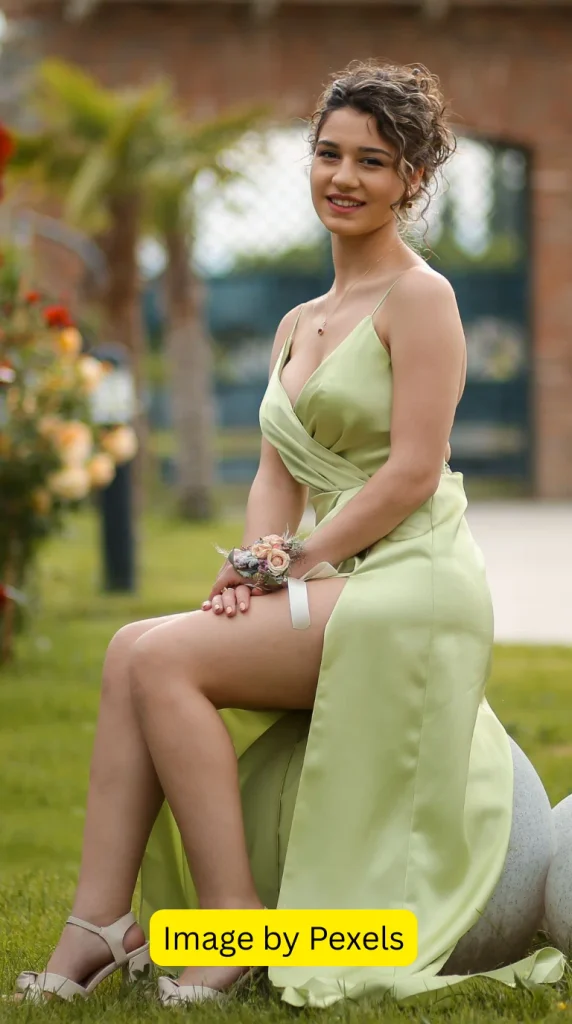
Fabric can completely change how a dress feels after several hours.
Very rigid fabrics can hold their shape beautifully, but they may feel restrictive if the dress is closely fitted through the midsection.
Fluid fabrics can provide more movement and may feel easier to wear when sitting, walking, or dancing.
Depending on the construction of the dress, materials such as chiffon, crepe, satin, and other draping fabrics can create very different results.
Don’t choose a fabric simply because it is considered flattering. Pay attention to how it behaves when you actually move.
A simple test
When trying on a dress, don’t just stand in front of the mirror.
Sit down.
Walk several steps.
Raise your arms.
Take a deep breath.
Turn from side to side.
If the fabric pulls noticeably across your stomach or the waistband becomes uncomfortable as soon as you sit, the dress may not be the right fit for an all-evening event.
3. Consider an A-Line Silhouette
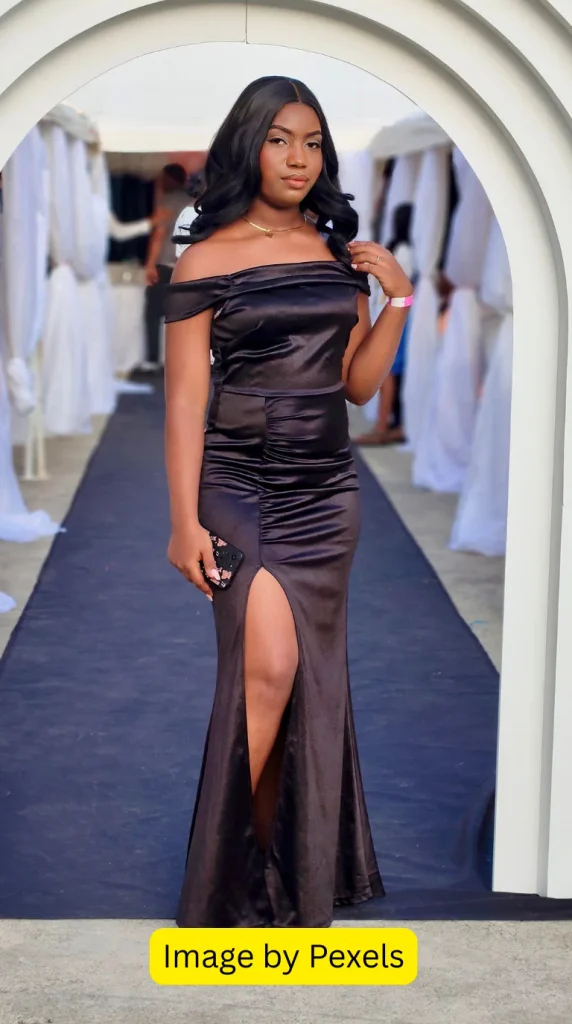
An A-line dress is fitted more closely toward the upper body and gradually becomes wider through the skirt.
That shape can provide more room below the waist than a dress that remains closely fitted from the bodice through the hips.
For a black tie wedding, an A-line silhouette can still look highly formal when paired with an elegant fabric, refined neckline, floor-length skirt, or other formal details.
The advantage is that you can have a defined shape without requiring the entire dress to fit closely around your midsection.
4. Try a Wrap or Faux-Wrap Design Carefully
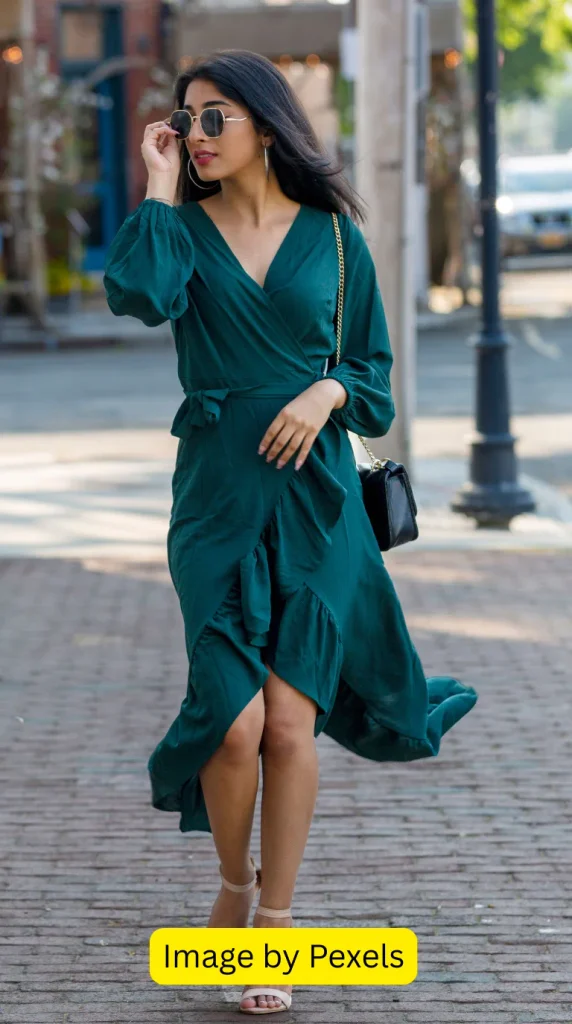
Wrap and faux-wrap dresses can offer useful flexibility because the design creates a visual diagonal rather than a straight horizontal line across the waist.
However, not every wrap-style dress will be comfortable.
Pay attention to where the wrap closes and whether the fabric pulls open when you sit or walk.
A faux-wrap design can be particularly practical when you like the appearance of a wrap dress but want a more secure construction.
5. Don’t Automatically Choose an Oversized Dress
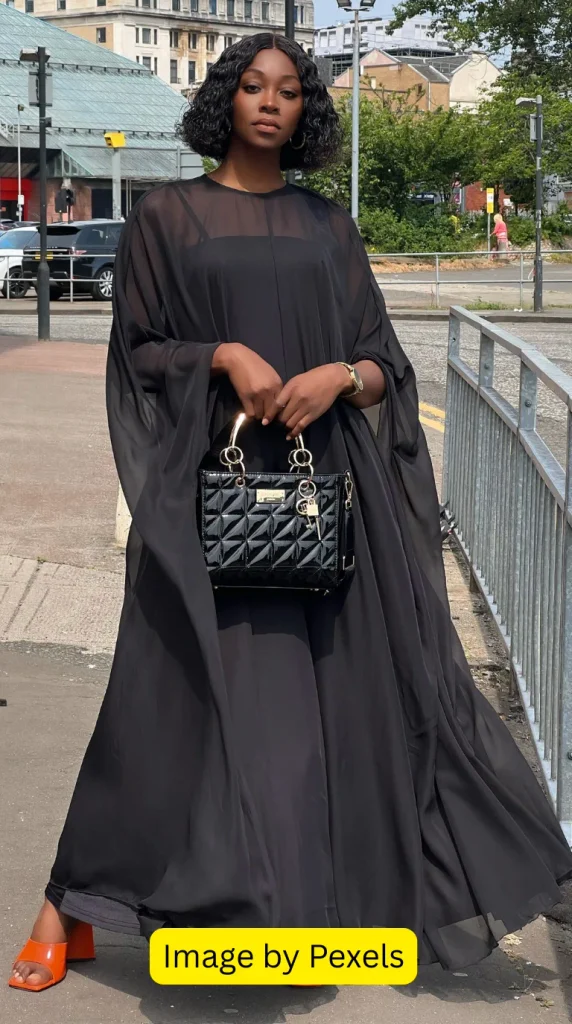
If you want more room around your midsection, buying a much larger dress may seem like the easiest solution.
It can actually create a different problem.
An oversized dress may fit loosely around the stomach but also become too wide at the shoulders, bust, or hips. The result can look less intentional and may require alterations elsewhere.
Instead, look for a dress that gives you room where you need it while maintaining structure where you want it.
This is one reason silhouette matters more than simply choosing a larger size.
6. Look for Strategic Draping
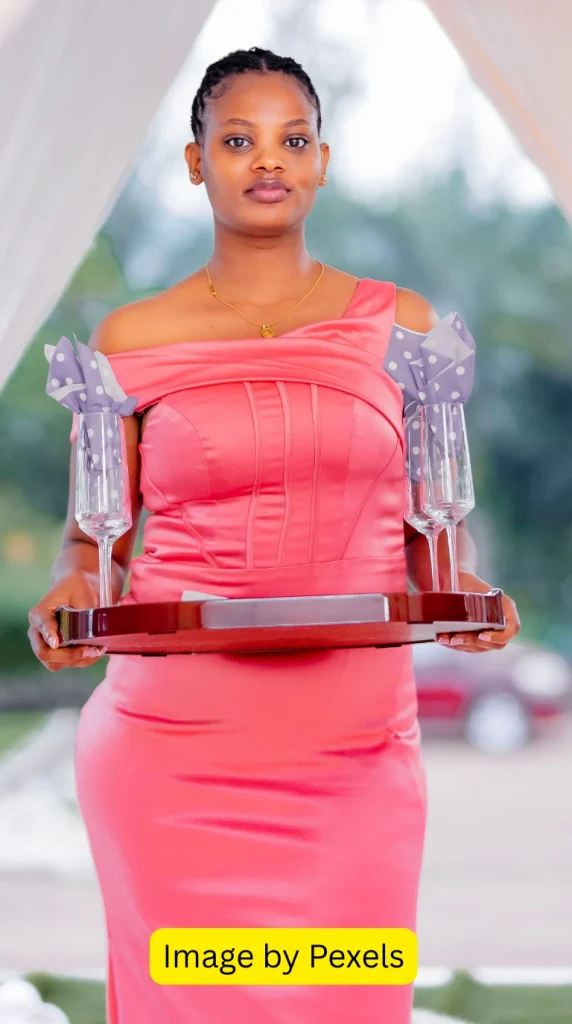
Draping can be useful when you want a softer fit around the middle.
Instead of fabric lying completely flat against the body, gathered or draped material creates movement and dimension.
This can also make a dress less dependent on a perfectly smooth, close-fitting surface through the midsection.
But there is an important distinction between intentional draping and excess fabric.
The draping should look like part of the design. If there is simply too much fabric because the dress is oversized, it may not create the polished effect you’re looking for.
7. Be Careful With Very Tight Waistbands
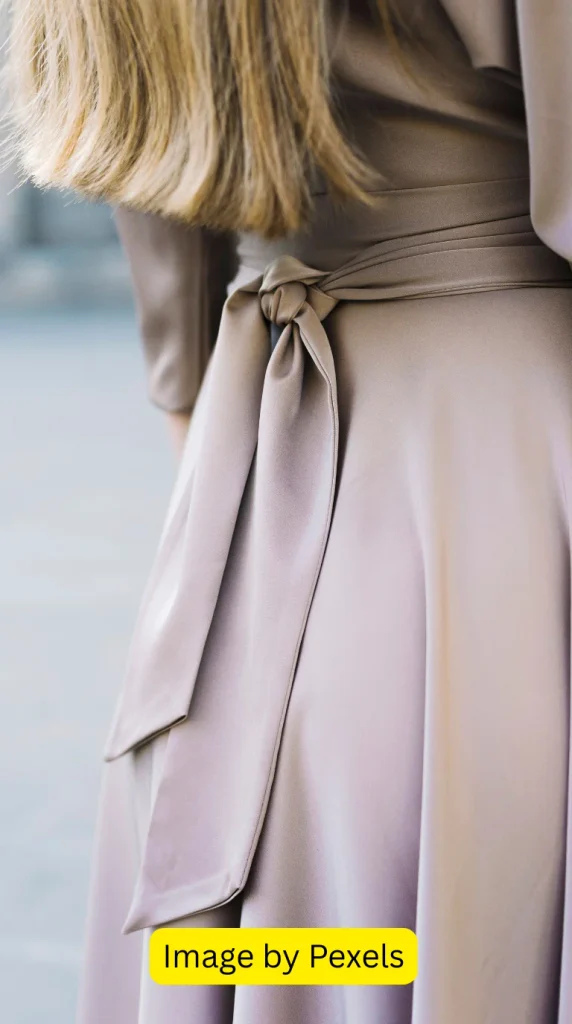
A structured waistband can create a beautiful silhouette while standing but become uncomfortable after several hours.
This matters particularly at weddings because you’re likely to spend time sitting at a table, eating, talking, walking, and possibly dancing.
Before choosing a dress with a defined waistband, check how it feels when seated.
If the waistband becomes noticeably tighter when you sit down, consider whether you would realistically want to wear it for the entire event.
8. Think About the Dress From the Side
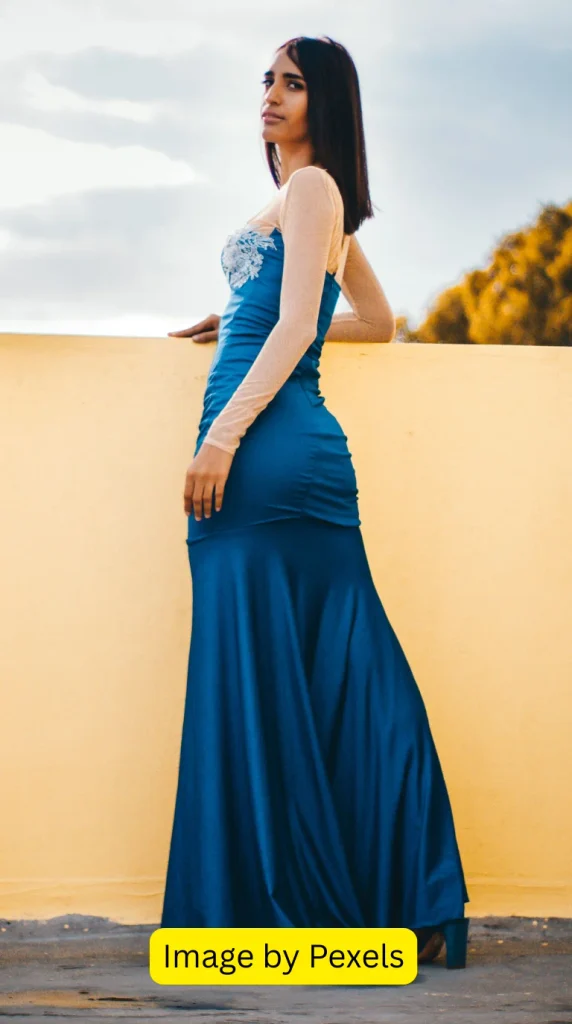
When choosing a dress for midsection comfort, don’t evaluate it only from the front.
Look at the side profile as well.
A dress that looks perfect from the front may pull across the stomach from the side. Conversely, a dress that looks relatively simple from the front may have a beautifully balanced silhouette when viewed from every angle.
Try turning sideways in the fitting room or checking photographs from different angles.
The goal isn’t to eliminate every natural curve. It is to make sure the dress falls the way you expect it to.
9. Pay Attention to Lining and Construction

Two dresses made from similar outer fabrics can feel very different because of what is underneath.
A lining that is too tight can make an otherwise fluid dress feel restrictive.
Similarly, internal seams, boning, waistbands, zippers, and structured panels can affect comfort even when the outer fabric looks soft.
When possible, check the inside of the dress as well as the outside.
Ask yourself:
- Does anything feel tight when I sit?
- Does the lining pull?
- Is the zipper creating pressure?
- Does the waistband stay comfortable?
- Can I move normally?
- Does the dress stay in place?
These practical questions are often more useful than judging the dress only by its appearance in a mirror.
10. Choose the Right Fit Before Worrying About Shapewear
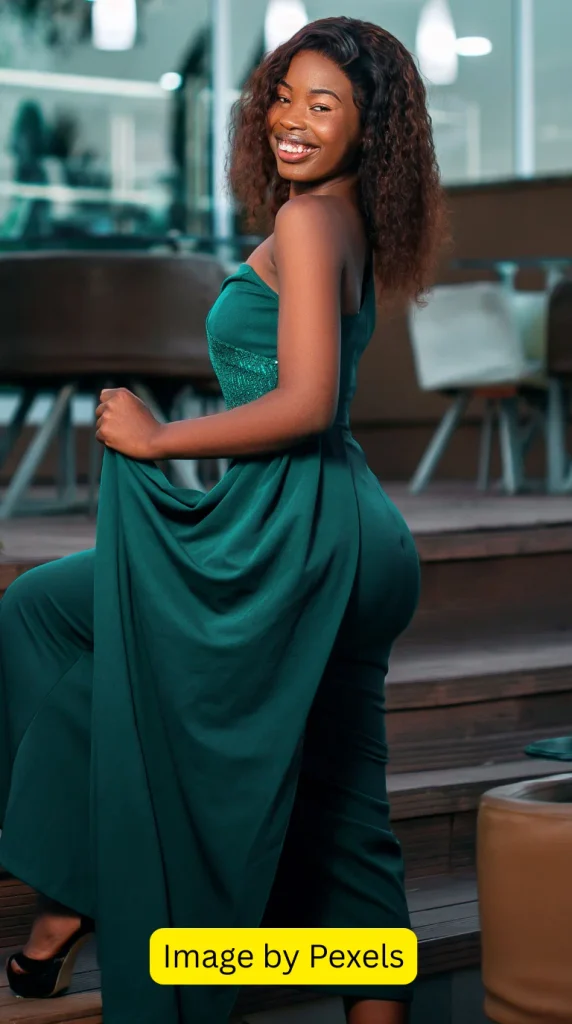
Shapewear can change how a dress sits, but it should not be used to compensate for a fundamentally uncomfortable dress.
Start with the dress itself.
If the waist is too tight, the fabric pulls, or you cannot sit comfortably, changing the undergarment may not solve the underlying problem.
A well-fitting dress should provide a reasonable level of comfort before you add any additional foundation garment.
If you choose to wear shapewear, make sure it allows you to breathe, sit, and move comfortably for the length of the event.
11. Consider What You’ll Actually Do at the Wedding
Your ideal dress depends partly on the event itself.
If you will spend most of the evening seated at a dinner table, test the dress while sitting.
If the wedding includes a lot of standing and walking, pay attention to whether the dress restricts your stride.
If dancing is likely, make sure the skirt and waist allow enough movement.
If the ceremony and reception will last several hours, comfort becomes even more important.
A dress that feels perfect for ten minutes in a fitting room may feel very different after five or six hours.
12. How to Choose Between a Fitted and Relaxed Dress

You don’t have to choose between a body-hugging dress and an extremely loose dress.
There is a middle ground.
A gently fitted dress can follow the body’s overall shape while providing enough ease around the waist and stomach.
A relaxed silhouette provides more room but can still look formal when its fabric and construction are refined.
When comparing the two, ask yourself which one allows you to move naturally without constantly thinking about the dress.
That is often the better choice for a long wedding day.
13. What to Look for When Shopping Online
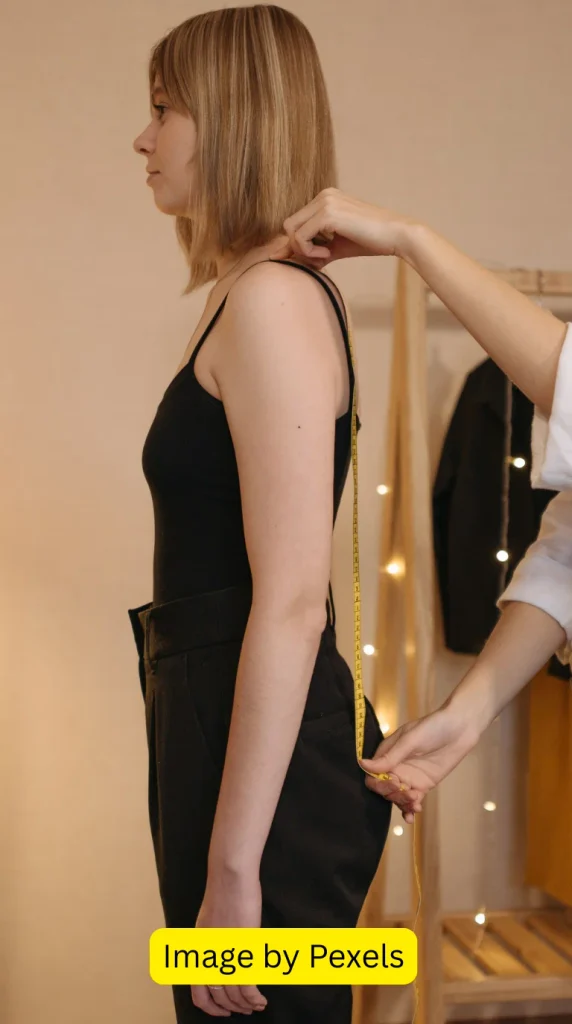
Shopping online makes fit more difficult because you cannot try the dress on before ordering.
Start by checking the garment measurements rather than relying only on the size label.
Pay particular attention to:
- Waist measurement
- Hip measurement
- Bust measurement
- Dress length
- Fabric composition
- Stretch or lack of stretch
- Lining
- Closure type
- Reviews mentioning fit
Customer reviews can also reveal practical information that a product description may not mention.
Look for comments about whether the dress runs small, whether the waist feels restrictive, whether the fabric has movement, and how it behaves when sitting.
If measurements fall between sizes, check the retailer’s specific size guide before deciding.
14. A Simple Midsection Comfort Checklist
Before buying a black tie wedding guest dress, ask:
Fit
- Does the dress sit comfortably around my waist?
- Is there enough room for normal movement?
- Does it pull when I sit?
Fabric
- Does the fabric move naturally?
- Is it too stiff for the way I plan to wear it?
- Does the lining feel comfortable?
Construction
- Is the waistband restrictive?
- Are seams or closures uncomfortable?
- Does the dress stay in place?
Movement
- Can I sit comfortably?
- Can I walk normally?
- Can I raise my arms?
- Can I dance if I want to?
Event
- Will I be wearing it for several hours?
- Will I spend much of the evening seated?
- Will the weather or venue make the dress feel warmer or more restrictive?
If the answer is yes to most of these questions, you’re evaluating the dress based on how it will actually perform at the wedding—not simply how it looks in a photograph.
15. The Most Important Rule: Choose Comfort Without Losing Structure
A comfortable black tie dress does not have to look casual.
You can choose a flowing skirt, softer waistline, strategic draping, or a less restrictive silhouette while still maintaining the polished appearance expected at a formal wedding.
The key is intentional structure.
Look for elegant fabric, thoughtful proportions, a well-constructed bodice, and a silhouette that gives you enough room to move.
You don’t need a dress that hides every curve or feels loose everywhere.
You need one that fits comfortably in the places where you need movement while maintaining the formal shape you want.
Quick Guide: Which Features May Help?
| If your main concern is… | Consider looking for… |
|---|---|
| Tightness around the waist | A softer or less restrictive waistline |
| Cling around the stomach | Fluid fabric or a less body-hugging silhouette |
| Sitting comfortably | Enough ease through the waist and abdomen |
| A defined shape without tightness | A-line or gently fitted silhouettes |
| More movement | Flowing skirt or fluid fabric |
| Less emphasis on the waist | Empire, relaxed, or softly defined waistlines |
| Online shopping uncertainty | Garment measurements and detailed fit reviews |
Final Takeaway
Choosing a black tie wedding guest dress for midsection comfort is less about finding one universally “flattering” style and more about understanding your own fit preferences.
Start with the waistline, fabric, silhouette, and construction. Then test how the dress behaves when you sit, walk, move, and spend time in it.
A dress can be elegant without being restrictive, and comfortable without looking oversized.
The best choice is the one that allows you to feel appropriately dressed for the occasion without spending the entire evening thinking about your clothes.
Related Reading
If your main goal is finding styles that create a more flattering appearance around the stomach area, see Formal Dresses to Hide Belly Fat: 17 Flattering Styles for Weddings & Formal Events.
If your priority is overall comfort, also consider exploring flowy formal silhouettes and modest formal dresses when deciding which construction works best for you.