
Finding a formal dress that makes you feel comfortable and confident should be about more than simply covering your arms. The right combination of sleeve design, neckline, fabric, silhouette, and fit can create balanced proportions while giving you the freedom to enjoy the occasion.
Whether you’re attending a wedding, black-tie celebration, gala, formal dinner, or evening reception, there are plenty of elegant options for fuller upper arms. You don’t need to hide your shape or follow rigid fashion rules. Instead, focus on the details that make a dress feel comfortable, polished, and right for you.
This guide features 18 flattering dress ideas for big arms, along with practical advice for choosing sleeves, necklines, fabrics, and silhouettes that work beautifully for formal occasions.
What to Look for in a Dress
Before choosing a specific style, consider how different design details affect the overall appearance of the outfit.
Choose Sleeves That Feel Comfortable
Sleeves don’t have to be loose to be flattering. The most important factor is comfortable fit.
Three-quarter sleeves, elbow-length sleeves, flutter sleeves, bishop sleeves, lace sleeves, and lightweight sheer sleeves can all provide coverage while maintaining an elegant shape.
Avoid sleeves that pull tightly across the upper arm or cut into the skin. A sleeve that fits smoothly will usually look more polished than one that is either too restrictive or excessively oversized.
Pay Attention to the Shoulder Line
The shoulder area can influence how balanced the entire dress appears.
Clean shoulder seams, softly structured sleeves, and carefully placed necklines can create a more proportional look. If your shoulders and upper arms are a concern, avoid adding unnecessary bulk directly around the shoulder unless that volume is an intentional part of the design.
Look for the Right Neckline
The neckline determines where attention naturally falls.
V-necks, scoop necks, square necks, sweetheart necklines, and elegant high necklines can all work beautifully depending on your preferred level of coverage.
If you want to draw attention toward your face and neckline, a defined neckline can help create a more balanced overall appearance.
Consider the Whole Silhouette
A dress doesn’t need to disguise one particular area. Instead, consider how the bodice, waist, skirt, and sleeves work together.
A-line, wrap, fit-and-flare, column, empire-waist, and flowing maxi silhouettes can all be flattering choices when the proportions and fit feel right.
18 Flattering Dresses for Big Arms
1. Flutter-Sleeve Chiffon Dress
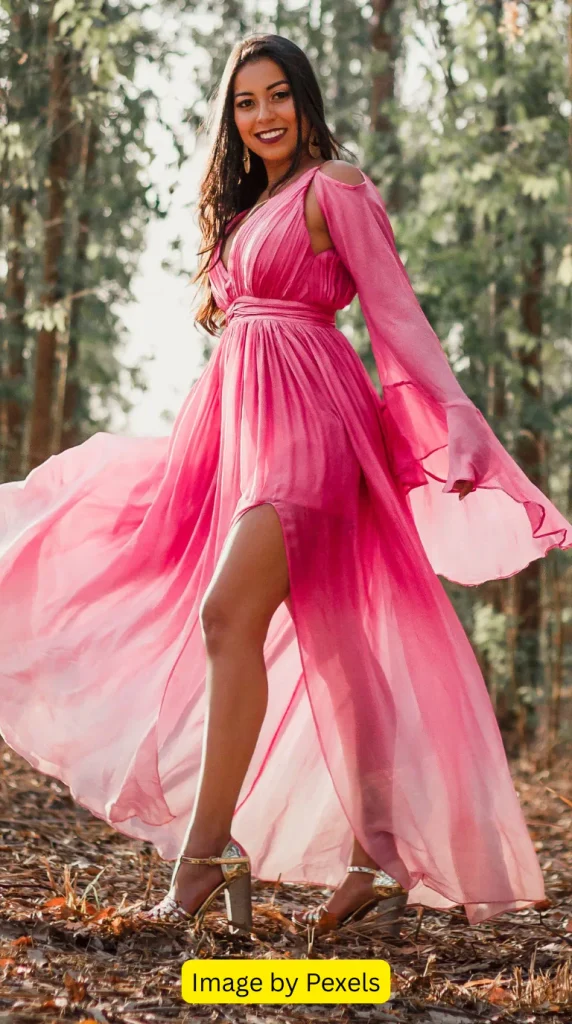
Flutter sleeves are an elegant choice when you want lightweight coverage and movement around the upper arm.
The soft fabric falls away from the body rather than gripping the arm, while chiffon gives the dress a graceful appearance. Pair the silhouette with a defined waist and flowing skirt for a balanced formal look.
Best for: spring and summer weddings, outdoor receptions, and daytime formal events.
Style it with: delicate earrings, simple heels, and a small structured clutch.
2. Three-Quarter Sleeve Wrap Dress
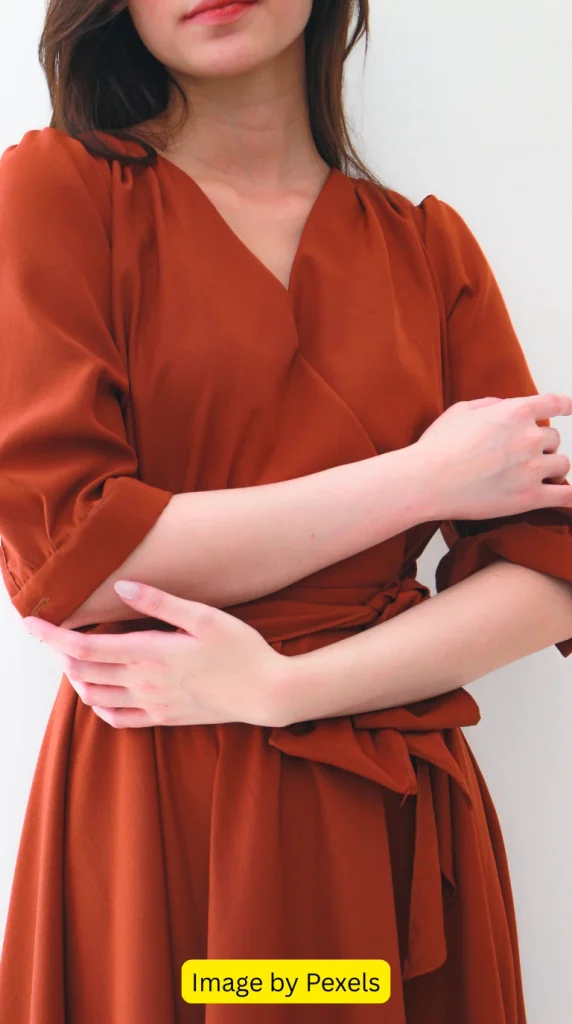
A wrap dress combines adjustable waist definition with comfortable arm coverage.
Three-quarter sleeves are particularly versatile because they cover much of the upper arm while leaving the wrist visible. The V-shaped neckline created by the wrap design also adds visual length to the upper body.
Choose a fabric with enough weight to drape smoothly without clinging excessively.
Best for: weddings, formal dinners, and semi-formal celebrations.
Style it with: pointed-toe pumps, a slim bracelet, and a structured handbag.
3. Long-Sleeve Satin Gown
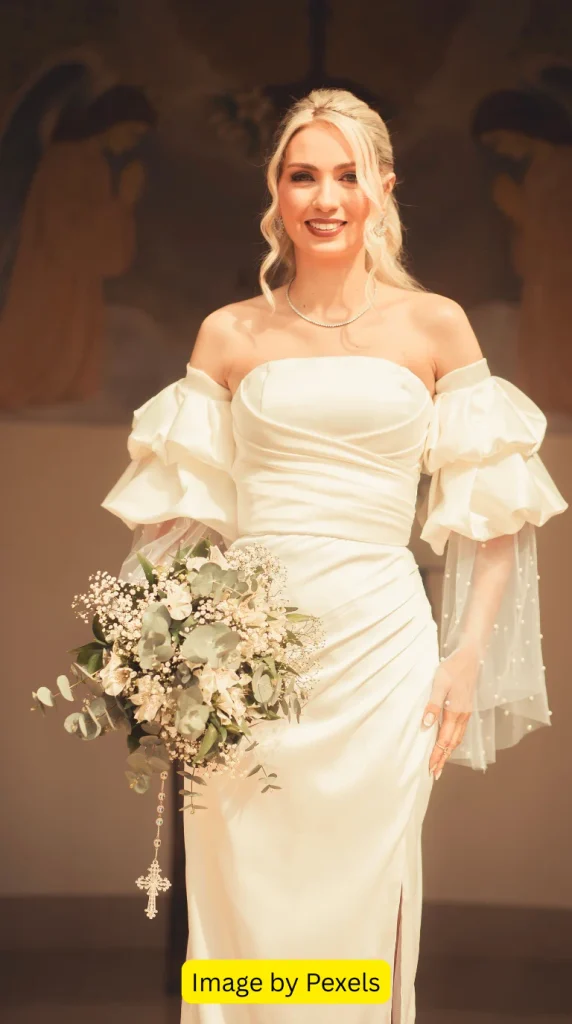
Satin can create a polished evening appearance without requiring elaborate embellishment.
A long-sleeve gown provides full arm coverage, while a simple neckline and clean silhouette keep the look sophisticated. Look for satin with a smooth finish and enough structure to maintain its shape.
Because satin reflects light, proper fit is especially important. Avoid fabric that pulls across the arms or bodice.
Best for: evening weddings, black-tie receptions, and formal galas.
Style it with: understated earrings, sleek heels, and a minimalist clutch.
4. Sheer Sleeve A-Line Dress
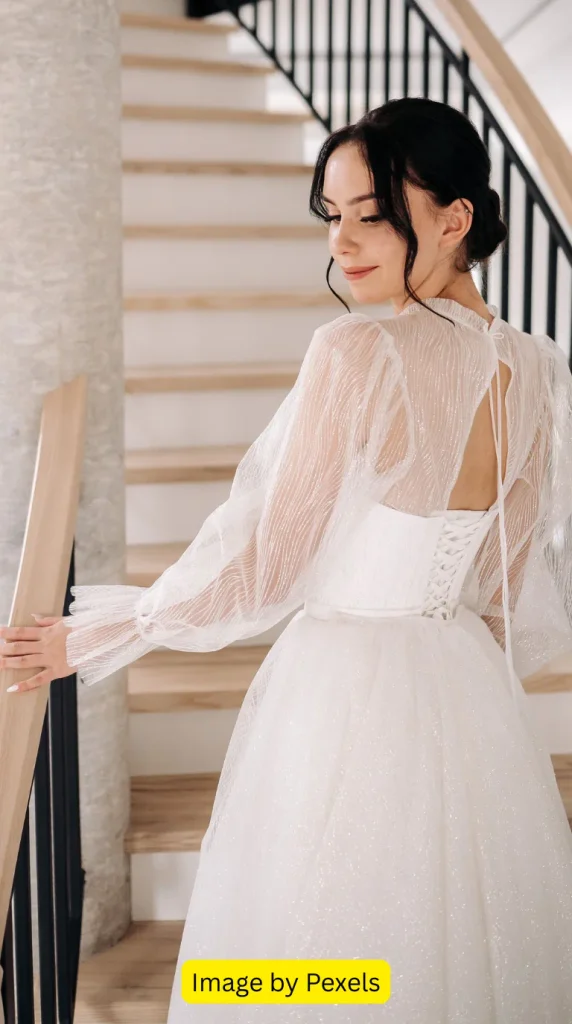
Sheer sleeves offer a useful middle ground between sleeveless designs and full opaque coverage.
A lightweight sleeve can provide visual coverage while keeping the outfit airy. Combined with an A-line skirt, the dress creates a flowing silhouette that works well for formal occasions.
Look for sheer details that feel intentional rather than overly embellished.
Best for: weddings, evening receptions, and elegant celebrations.
Style it with: metallic earrings, classic pumps, and a compact evening bag.
5. Lace-Sleeve Formal Dress
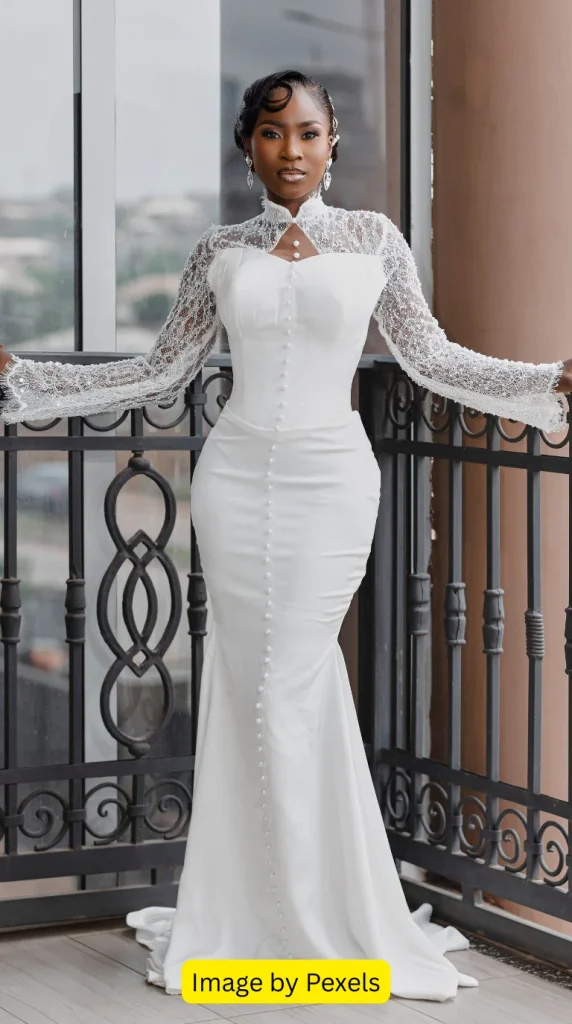
Lace can add texture and visual interest without relying on heavy fabric.
A dress with fitted lace sleeves and a simple bodice can create an elegant contrast. Floral lace is particularly appropriate for weddings, while darker lace can feel more dramatic for evening events.
Choose lightweight lace when possible so the sleeves remain comfortable for several hours.
Best for: romantic weddings, formal dinners, and evening receptions.
Style it with: pearl earrings, classic heels, and a satin clutch.
6. High-Neck Long-Sleeve Gown
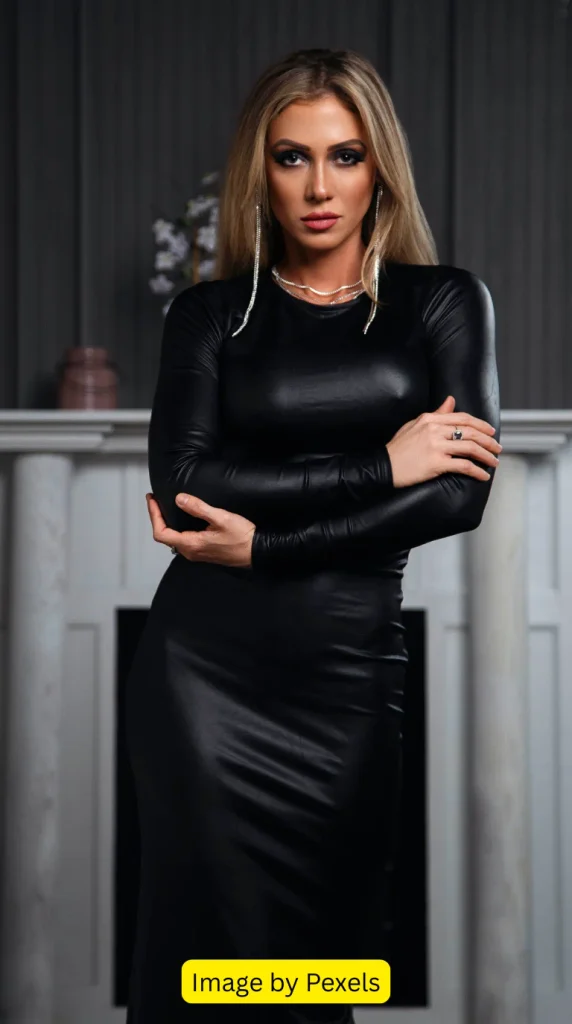
A high neckline can create a sophisticated, covered look while directing attention toward the face.
Pairing a high neck with long sleeves produces a cohesive silhouette that works particularly well with floor-length gowns. The rest of the dress can remain relatively simple so the neckline and overall shape don’t compete with one another.
This is an especially strong option when you prefer modest formalwear.
Best for: black-tie weddings, winter weddings, and formal evening events.
Style it with: drop earrings, a sleek updo, and pointed heels.
7. Fit-and-Flare Dress With Elbow Sleeves
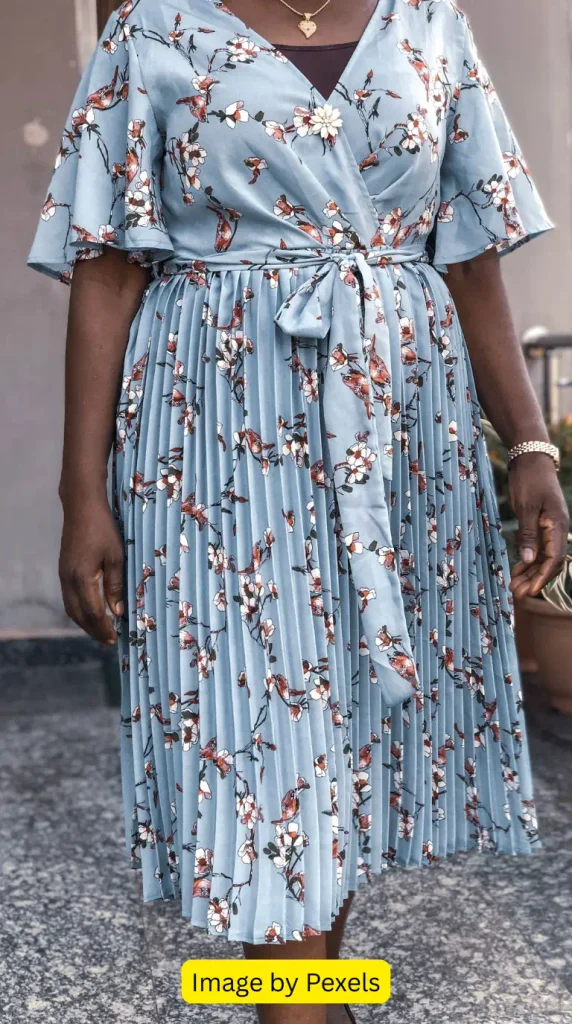
A fit-and-flare silhouette defines the waist before opening into a fuller skirt.
Elbow-length sleeves provide comfortable coverage while keeping the arms from appearing overwhelmed by fabric. The combination creates clear structure through the bodice and movement through the skirt.
Choose a dress with smooth tailoring rather than excessive ruching or bulky details.
Best for: weddings, receptions, and formal daytime celebrations.
Style it with: classic pumps, a small clutch, and simple jewelry.
8. Bishop-Sleeve Maxi Dress
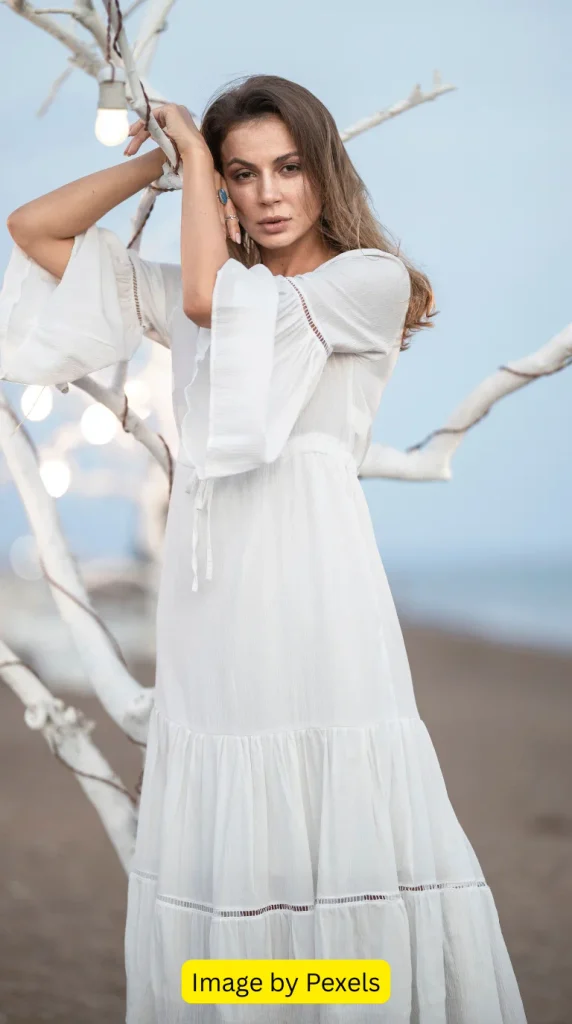
Bishop sleeves add volume lower on the arm rather than concentrating it around the shoulder.
When balanced with a defined waist, this creates an elegant silhouette with plenty of movement. The style works particularly well with chiffon, crepe, or other fabrics that drape naturally.
If the sleeves are already dramatic, keep the neckline and accessories relatively simple.
Best for: romantic weddings, garden receptions, and evening parties.
Style it with: delicate earrings, simple heels, and a small handbag.
9. Structured Sleeve Column Dress
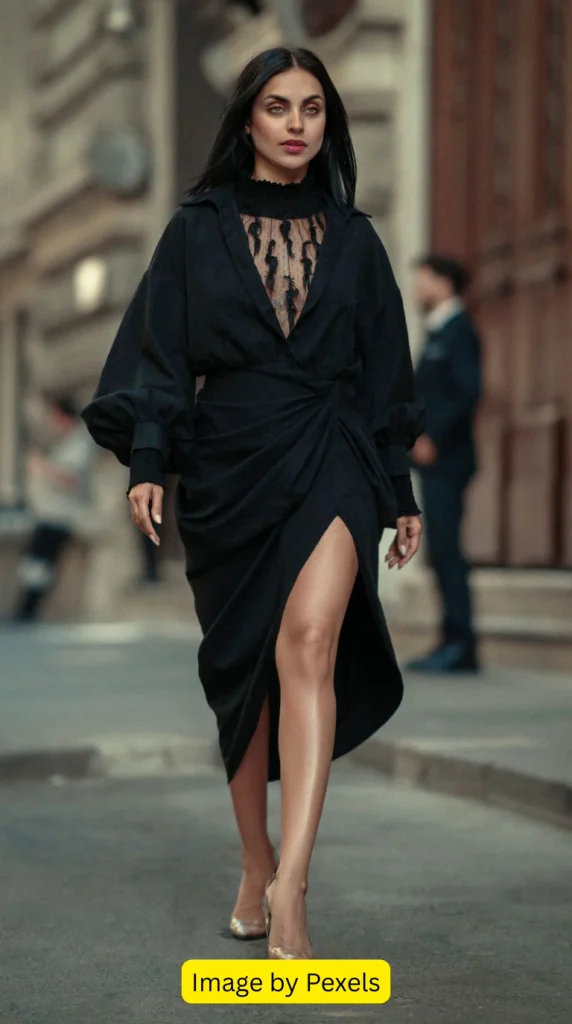
If you prefer a cleaner, more modern appearance, consider a column dress with carefully tailored sleeves.
The long, uninterrupted shape creates a streamlined appearance from shoulder to hem. Structured sleeves can provide coverage without relying on layers of fabric.
A column dress should fit comfortably through the shoulders and arms while maintaining enough room for natural movement.
Best for: black-tie weddings, galas, and sophisticated evening events.
Style it with: pointed heels, a structured clutch, and minimal jewelry.
10. Pleated Maxi With Soft Sleeves
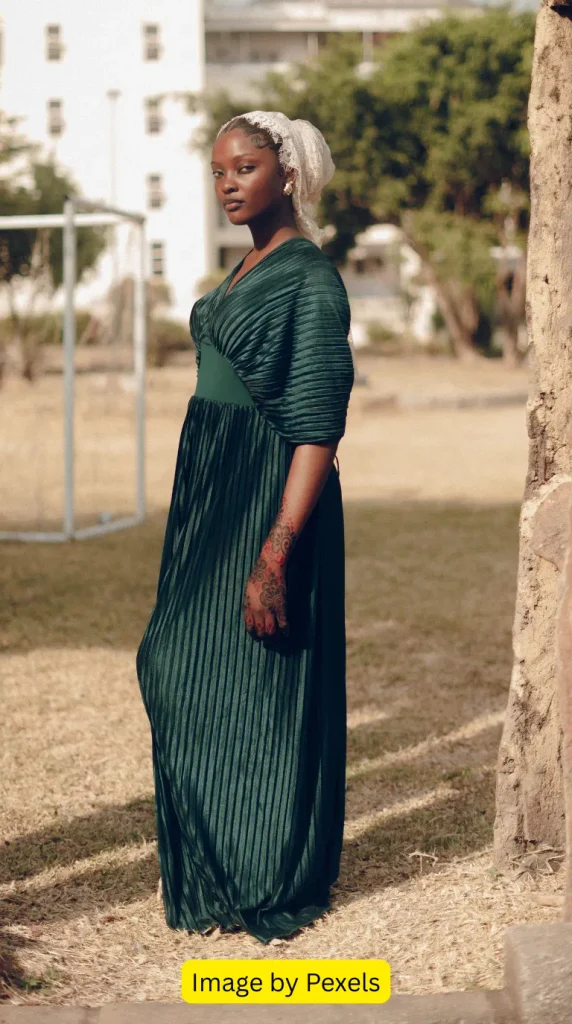
Pleats introduce vertical movement and texture into the dress without requiring heavy embellishment.
A pleated skirt paired with soft three-quarter or long sleeves creates an elegant formal silhouette. Look for fine pleating that moves naturally rather than very stiff pleats that add unnecessary volume.
A defined waist can help organize the silhouette and prevent the flowing fabric from looking shapeless.
Best for: weddings, formal dinners, and outdoor celebrations.
Style it with: neutral heels, delicate jewelry, and a streamlined clutch.
11. Square-Neck Dress With Flutter Sleeves
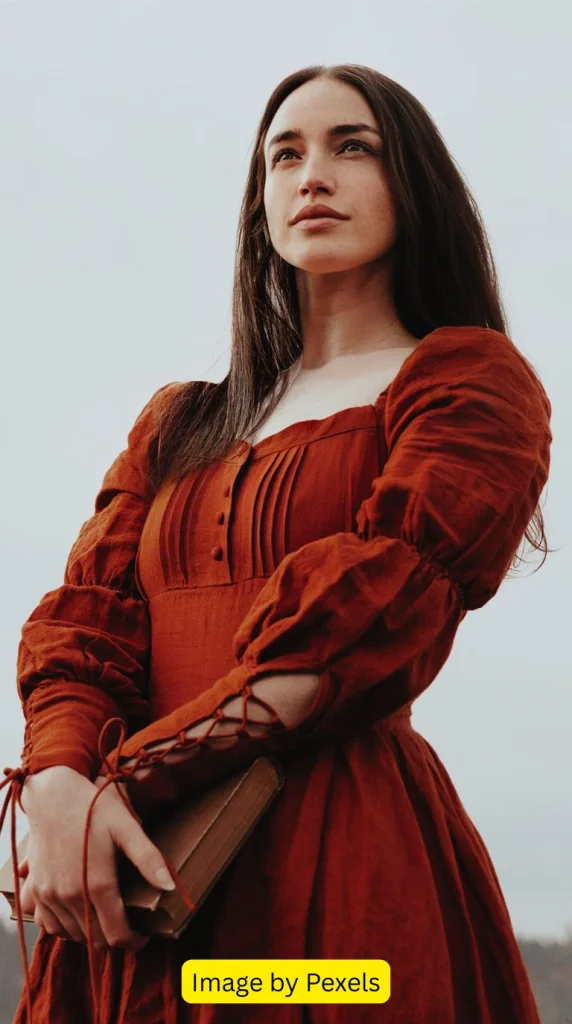
A square neckline creates a defined frame around the collarbone and upper chest.
When paired with flutter sleeves, it provides a feminine balance between structure and softness. The neckline can also give the dress a more architectural appearance without requiring dramatic embellishments.
An A-line or gently flared skirt works particularly well with this combination.
Best for: spring weddings, garden receptions, and elegant daytime events.
Style it with: small drop earrings, classic sandals, and a simple handbag.
12. Velvet Long-Sleeve Dress
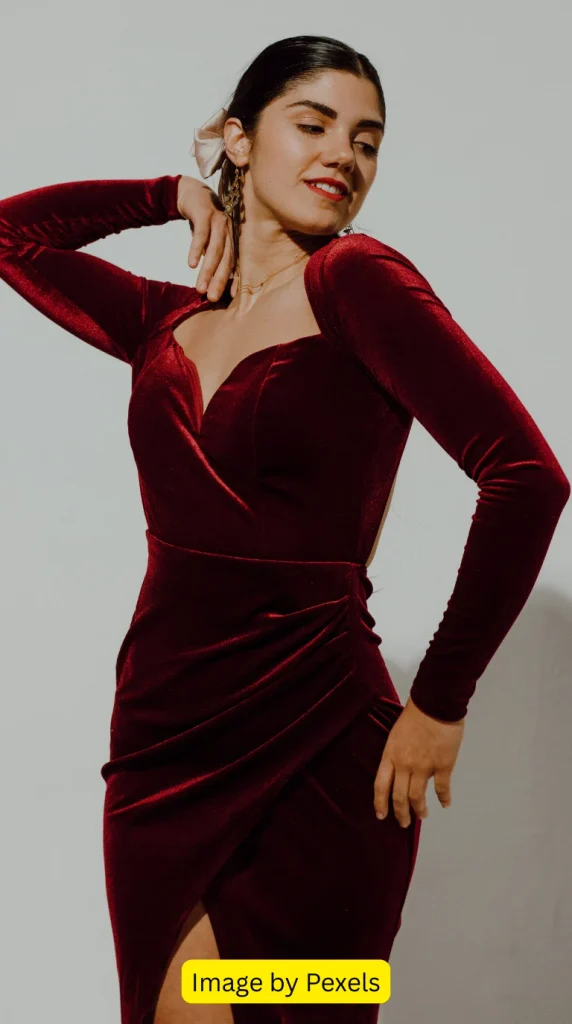
Velvet is naturally suited to cooler-season formal events because of its rich texture and substantial feel.
A long-sleeve velvet dress can provide comfortable coverage while creating a luxurious appearance. Deep jewel tones, classic black, navy, and burgundy work especially well with the fabric.
Keep the silhouette relatively clean because velvet already provides visual depth.
Best for: fall weddings, winter weddings, and evening black-tie events.
Style it with: crystal earrings, pointed heels, and a structured evening clutch.
13. V-Neck Chiffon Maxi
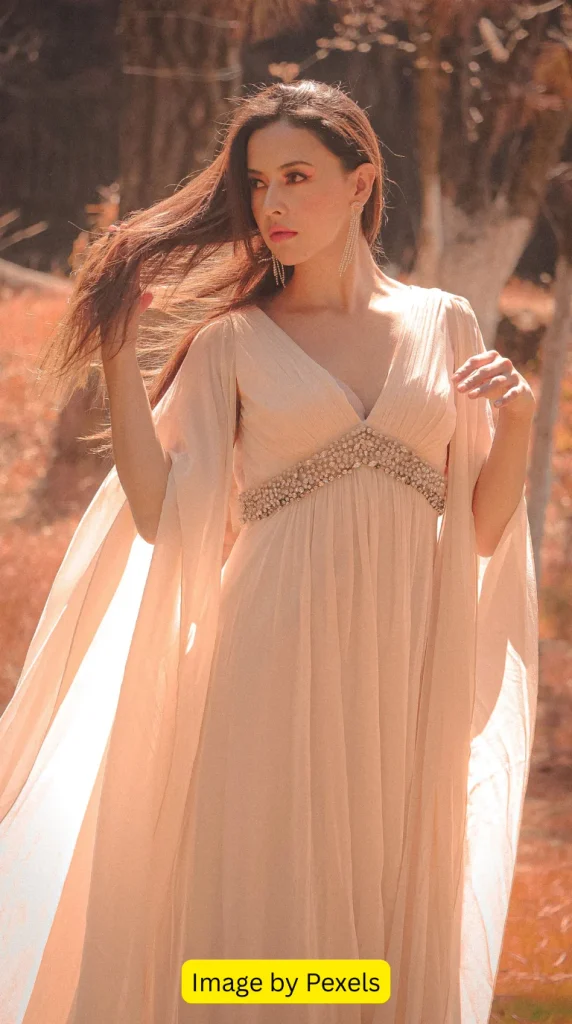
A V-neck creates a vertical line through the upper body, while flowing chiffon sleeves provide lightweight coverage.
This combination works particularly well when you want an airy formal dress rather than a heavily structured gown. A gently gathered waist can add definition without making the dress feel restrictive.
Choose a lining that provides enough coverage underneath the chiffon.
Best for: summer weddings, destination celebrations, and outdoor receptions.
Style it with: simple sandals or heels, fine jewelry, and a compact clutch.
14. Empire-Waist Formal Dress
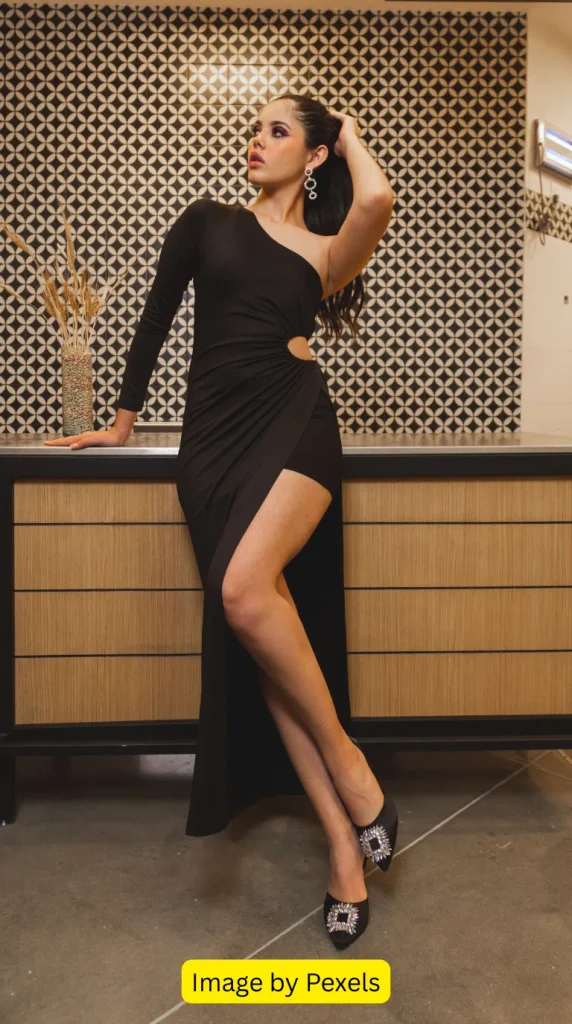
An empire waist sits higher than the natural waistline and allows the skirt to fall freely below it.
When combined with three-quarter or long sleeves, this can create a graceful, flowing silhouette. Lightweight fabrics such as chiffon are particularly effective because they maintain movement without creating a rigid shape.
The key is choosing a dress that still has intentional structure through the neckline and shoulders.
Best for: outdoor weddings, summer celebrations, and formal daytime events.
Style it with: understated heels, delicate earrings, and a small handbag.
15. Lace-Overlay A-Line Gown
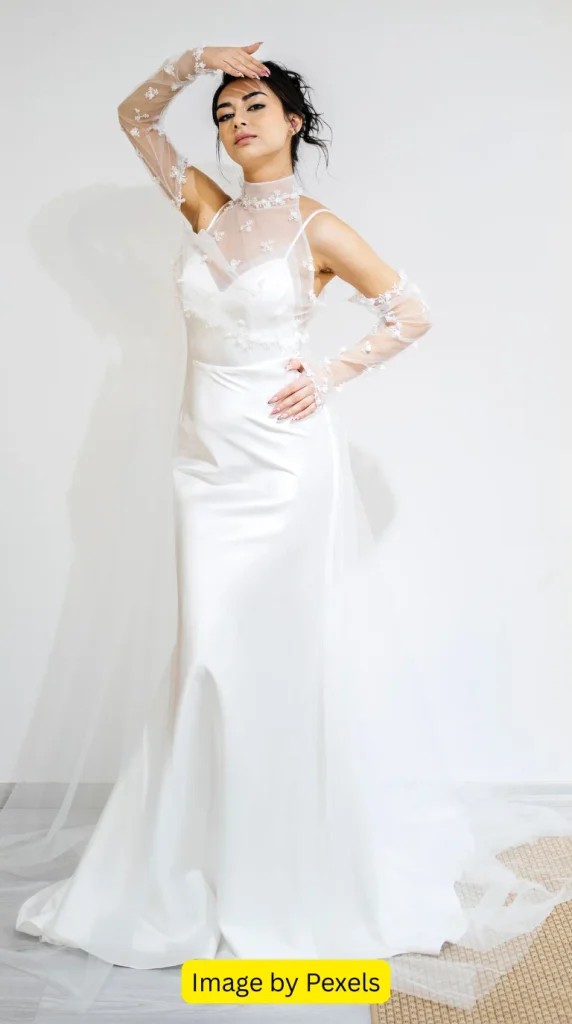
A lace overlay can add texture to an otherwise simple A-line gown.
Look for designs where the lace follows the shape of the bodice and sleeves without becoming excessively thick. A softly flared skirt keeps the overall appearance balanced.
This style is particularly effective when you want an elegant dress with more visual detail but don’t want heavy beading.
Best for: weddings, formal receptions, and romantic evening events.
Style it with: pearl or crystal jewelry, classic pumps, and a simple clutch.
16. Ruched-Waist Long-Sleeve Dress
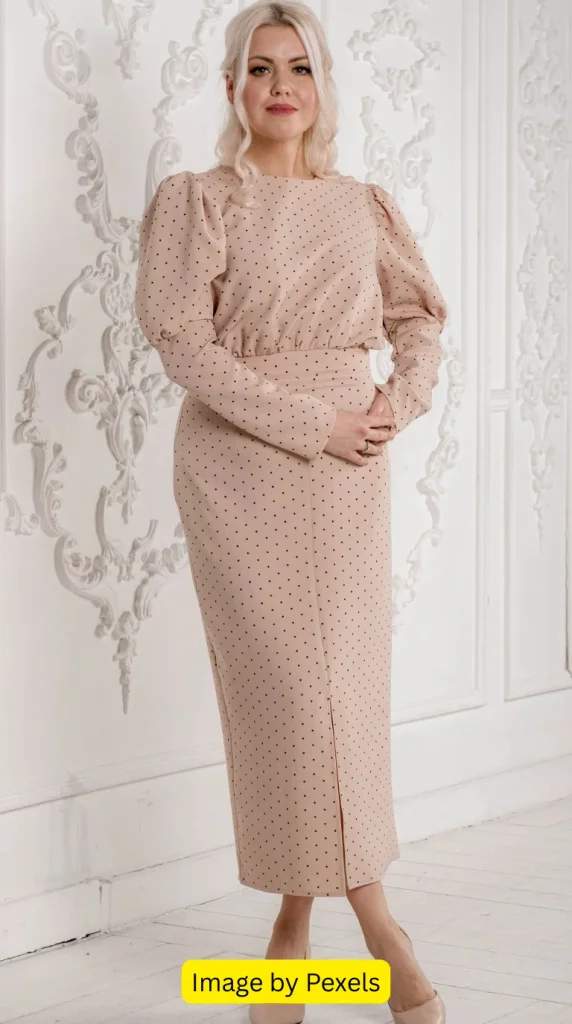
Strategic ruching can add texture and help create definition around the waist.
Rather than choosing ruching across the entire dress, look for styles where the gathering is concentrated around the waist or side seam. This keeps the design intentional and prevents excess fabric from accumulating around the arms.
A long sleeve with a smooth fit creates a clean contrast with the textured waist.
Best for: formal weddings, dinner events, and evening receptions.
Style it with: streamlined heels, small earrings, and a structured handbag.
17. One-Shoulder Dress With Draped Sleeve
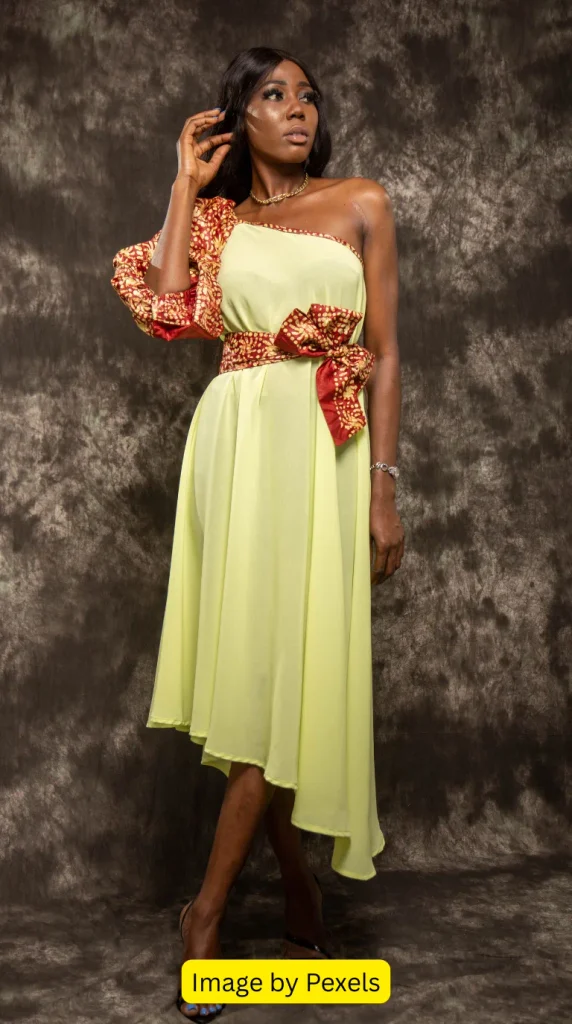
A one-shoulder design can work beautifully when the sleeve and neckline are proportioned thoughtfully.
Instead of adding volume across both shoulders, the asymmetrical neckline creates a strong visual line. A draped or extended sleeve on the covered side can provide additional arm coverage while maintaining the dramatic character of the dress.
This style is best when you want something more fashion-forward than a traditional long-sleeve gown.
Best for: evening weddings, galas, and sophisticated receptions.
Style it with: statement earrings, sleek heels, and minimal accessories.
18. Minimalist Crepe Gown With Long Sleeves
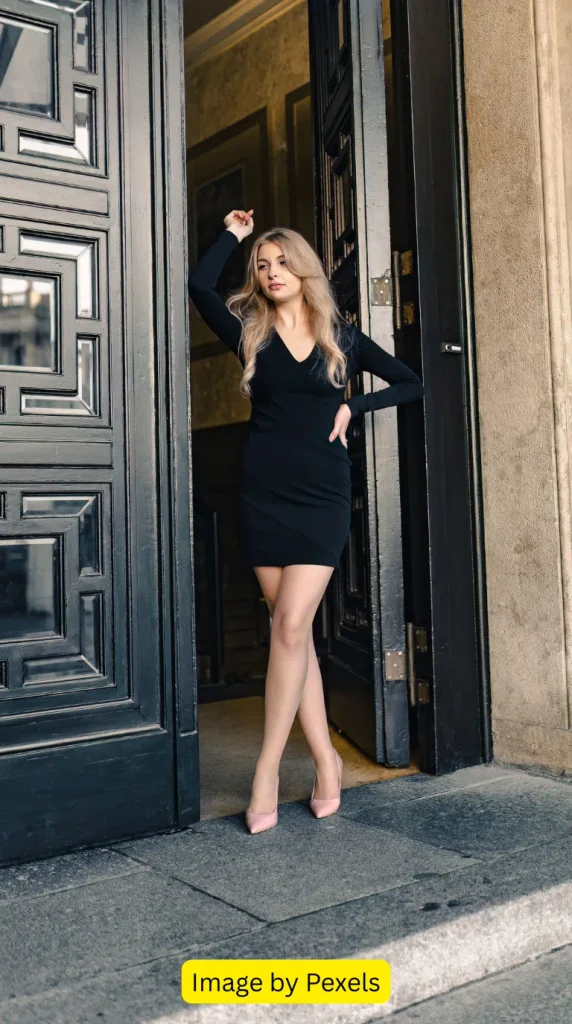
For a timeless formal look, a minimalist crepe gown with long sleeves is difficult to overlook.
Crepe typically has a smooth, elegant drape, while a simple floor-length silhouette keeps the focus on fit and proportions. Rather than relying on embellishments, this style works through clean construction and carefully placed seams.
Choose a gown that follows your natural shape without pulling across the arms, shoulders, or waist.
Best for: black-tie weddings, formal dinners, and evening galas.
Style it with: gold or silver earrings, pointed heels, and a polished clutch.
Best Sleeve Styles for Fuller Arms
There isn’t one universally flattering sleeve. The best choice depends on how much coverage you prefer and how the sleeve fits your individual proportions.
| Sleeve style | Why consider it | Best feature |
|---|---|---|
| Flutter sleeve | Adds soft movement | Lightweight coverage |
| Three-quarter sleeve | Covers much of the upper arm | Shows the wrist |
| Elbow sleeve | Creates a clean stopping point | Simple and versatile |
| Bishop sleeve | Adds movement below the upper arm | Romantic appearance |
| Sheer sleeve | Provides visual coverage | Lightweight finish |
| Lace sleeve | Adds texture | Feminine detail |
| Long fitted sleeve | Creates a continuous line | Full coverage |
| Bell sleeve | Adds movement toward the wrist | Bohemian elegance |
The most important consideration is where the sleeve ends and how it fits. A sleeve that ends at a comfortable, visually intentional point can look more polished than one that is simply longer.
Necklines That Can Balance the Upper Body
Your neckline can change the visual balance of the entire dress.
V-Neck
A V-neck creates a vertical line and naturally directs attention toward the center of the outfit.
Square Neck
Square necklines provide structure and frame the collarbone. They work particularly well with flutter, short, or fitted sleeves.
Scoop Neck
A scoop neckline offers a softer appearance and can work beautifully with flowing sleeves.
High Neck
High necklines are ideal if you prefer greater coverage. They work especially well with elegant long sleeves and floor-length silhouettes.
Sweetheart Neckline
A sweetheart neckline creates a curved shape across the chest and can provide a romantic contrast to structured or flowing sleeves.
Dress Silhouettes to Consider
The silhouette matters just as much as the sleeve.
A-line: Fitted through the upper body before gradually widening toward the hem.
Wrap: Creates adjustable waist definition while naturally forming a V-shaped neckline.
Fit-and-flare: Defines the waist before opening into a fuller skirt.
Column: Creates a long, streamlined appearance from shoulders to hem.
Empire waist: Places the waistline higher and lets the skirt flow freely below it.
Maxi: Provides a long vertical line and works with many different sleeve designs.
Rather than choosing a silhouette because it is supposed to “hide” a particular body part, consider which shape makes you feel most comfortable and allows you to move easily.
Fabrics That Work Well for Formal Dresses
Fabric can change how sleeves and silhouettes sit on the body.
Chiffon
Lightweight and fluid, chiffon is useful for flowing sleeves and soft skirts.
Crepe
Crepe has a smooth appearance and tends to create clean, elegant lines.
Satin
Satin provides a polished finish and works especially well for evening dresses. Because it reflects light, proper fit is important.
Velvet
Velvet adds depth and warmth, making it particularly suitable for fall and winter formalwear.
Lace
Lace adds texture and can provide sleeve coverage without requiring a heavy outer layer.
Jersey
A quality jersey can offer comfortable stretch, although very thin jersey may cling more than you prefer.
How to Get the Right Sleeve Fit
A flattering sleeve begins with proper measurements.
Before ordering a formal dress, check:
- Upper-arm circumference
- Shoulder width
- Sleeve length
- Bust measurement
- Natural waist measurement
- Overall dress length
Don’t rely solely on your usual dress size. Formalwear brands often use different sizing systems, so compare your measurements with the manufacturer’s size chart.
The sleeve should allow you to bend your arm, raise it slightly, and move naturally without pulling across the shoulder or upper arm.
If the dress fits beautifully everywhere except the sleeves, alterations may be possible depending on the construction.
How to Make a Formal Dress Feel More Comfortable
Comfort can make a significant difference during a long wedding or formal event.
Choose breathable fabrics for warm weather and more substantial fabrics for cold weather. Avoid sleeves that are so tight that they restrict movement.
If you’re attending a wedding where you’ll be sitting, standing, walking, and dancing for several hours, test the dress at home before the event.
Sit down, raise your arms, walk around, and check whether the neckline and sleeves remain comfortable.
A beautiful dress is much more useful when you can actually enjoy wearing it.
Accessories That Balance the Look
Accessories should complement the dress rather than compete with it.
If your dress has dramatic sleeves, keep the jewelry relatively simple. If the dress has a minimalist silhouette, you can use earrings, a necklace, or a clutch to introduce a little more visual interest.
Consider:
- Drop earrings with high necklines
- Delicate necklaces with V-necks
- Bracelets with three-quarter sleeves
- Structured clutches with flowing dresses
- Simple metallic heels with embellished gowns
- Pearl jewelry with lace or romantic dresses
You don’t need to draw attention away from your arms. The goal is to create a complete outfit that feels intentional from head to toe.
Dresses to Approach Carefully
There are no universal fashion rules about what someone with fuller arms can or cannot wear. However, some construction details may be less comfortable or less flattering depending on your preferences.
Be cautious with:
- Extremely tight sleeves that restrict movement
- Very stiff fabric across the upper arms
- Excessive shoulder volume when you already prefer a narrow shoulder line
- Sleeves that end at an awkward point
- Thin fabric that clings where you don’t want it to
- Poorly fitted armholes
- Excessive embellishment concentrated around the shoulders
Instead of automatically rejecting a style, consider whether a different fabric, sleeve length, or cut solves the problem.
How to Choose a Dress for Different Weddings
Your ideal dress should also suit the event itself.
| Wedding setting | Dress direction |
|---|---|
| Black-tie wedding | Floor-length gown with elegant sleeves |
| Evening wedding | Satin, crepe, chiffon, or velvet |
| Summer wedding | Lightweight chiffon or breathable fabrics |
| Winter wedding | Velvet, long sleeves, or heavier fabrics |
| Garden wedding | Floral, chiffon, lace, or flowing silhouettes |
| Hotel wedding | Polished A-line, column, or wrap styles |
| Outdoor reception | Comfortable fabrics and practical footwear |
| Formal dinner | Elegant midi or floor-length dress |
Always check the invitation before deciding on the final outfit. A flattering dress still needs to match the requested dress code.
Styling Tips for Black-Tie Events
If you’re attending a black-tie wedding, the dress should feel appropriately formal as well as flattering.
Floor-length gowns are generally the safest choice when the invitation explicitly calls for black tie. Rich fabrics such as satin, velvet, crepe, and refined chiffon can create an elevated appearance.
Keep accessories intentional rather than excessive. One elegant pair of earrings, a polished clutch, and formal shoes can be enough to complete the outfit.
For evening events, darker shades, jewel tones, and sophisticated neutrals are easy starting points, although the invitation and venue should always guide your final choice.
How to Feel Confident in Your Dress
The most flattering dress is ultimately the one that makes you feel comfortable being yourself.
You don’t need to make your arms appear smaller, and you don’t need to follow a strict set of rules about what you are “allowed” to wear.
If you love sleeveless dresses, wear one. If you prefer long sleeves, choose them. If you enjoy dramatic shoulders, off-shoulder necklines, or fitted silhouettes, those options can work too.
Use styling advice as a tool rather than a restriction.
The best outfit is one that fits well, suits the occasion, allows you to move comfortably, and makes you feel good when you look in the mirror.
Quick Shopping Checklist
Before buying a formal dress, ask yourself:
- Does the sleeve feel comfortable when I move?
- Does the dress fit properly through the shoulders?
- Can I sit and walk comfortably?
- Does the neckline feel secure?
- Is the fabric appropriate for the weather?
- Does the silhouette suit the event?
- Can I wear the shoes comfortably for several hours?
- Does the dress require alterations?
- Does the color work with my accessories?
- Most importantly, do I feel confident wearing it?
Final Thoughts
Finding a flattering formal dress for fuller arms doesn’t require hiding your body or limiting yourself to one particular silhouette. The most useful approach is to look at the entire design—sleeves, neckline, fabric, waist placement, skirt shape, and fit—and choose the combination that feels right for you.
From flutter-sleeve chiffon dresses and three-quarter-sleeve wraps to velvet gowns and minimalist crepe columns, there are plenty of elegant options for weddings, black-tie celebrations, and formal evenings.
Start with the level of coverage you prefer, choose a silhouette that makes you comfortable, and then refine the look with thoughtful accessories and a good fit. When those elements work together, your outfit can feel polished, sophisticated, and completely your own.