
A minimalist black tie dress proves that formalwear does not need heavy beading, dramatic embellishment, or an elaborate silhouette to look sophisticated. When the cut is considered, the fabric has beautiful movement, and the styling is restrained, simplicity can become the most luxurious detail.
For wedding guests, this approach is especially appealing when you want an outfit that feels polished without looking overly trendy. Quiet luxury is less about wearing the most expensive-looking dress and more about creating visual balance: an elegant silhouette, quality-looking fabric, thoughtful proportions, and accessories that support rather than compete with the dress.
The ideas below focus on different ways to achieve that understated aesthetic, from sleek column gowns and fluid slips to sculpted crepe, deep jewel tones, monochromatic styling, and subtle metallic accents.
What Makes a Dress Feel Minimalist?
Minimalist formalwear is not necessarily plain. The difference is in where the design puts the emphasis.
A minimalist black tie dress usually relies on one or more of these elements:
- A clean, uninterrupted silhouette
- High-quality-looking fabric
- Controlled draping or tailoring
- A restrained color palette
- One distinctive design feature rather than several
- Simple but intentional accessories
- Minimal decorative embellishment
- A polished overall proportion
The result should feel considered rather than unfinished.
For a wedding guest, that distinction is important. A minimalist gown should still look unmistakably formal enough for the invitation and venue.
1. Silk Satin Simplicity
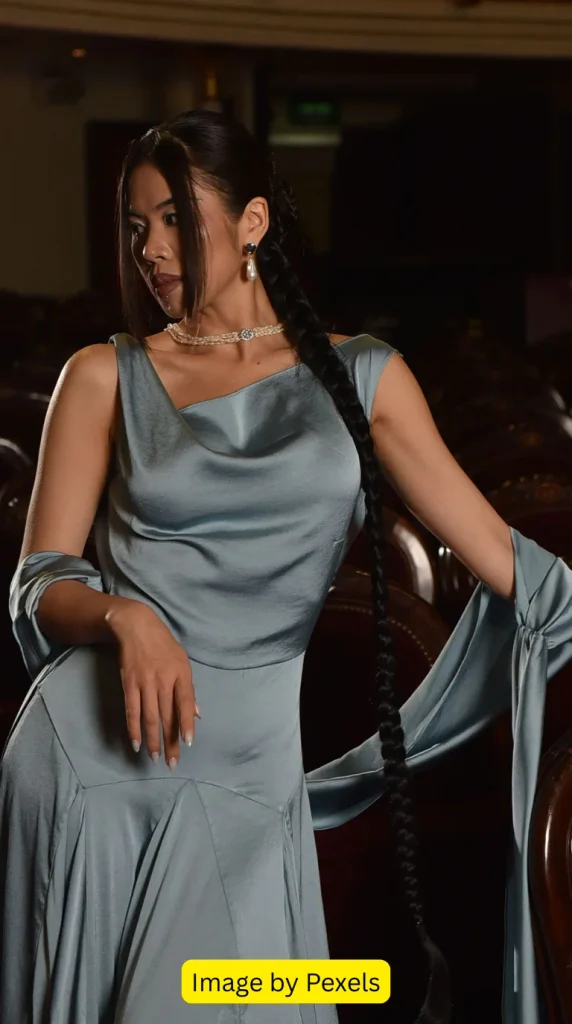
A fluid satin gown is one of the easiest ways to create a quiet-luxury effect without excessive decoration.
Look for a simple neckline, uninterrupted skirt, and enough structure through the bodice to prevent the dress from appearing too casual. The satin provides visual interest through its natural sheen and movement.
Style it with: pointed heels, a compact evening bag, and small earrings.
Best for: guests who want their fabric and silhouette to do most of the work.
2. Sleek Column Gown
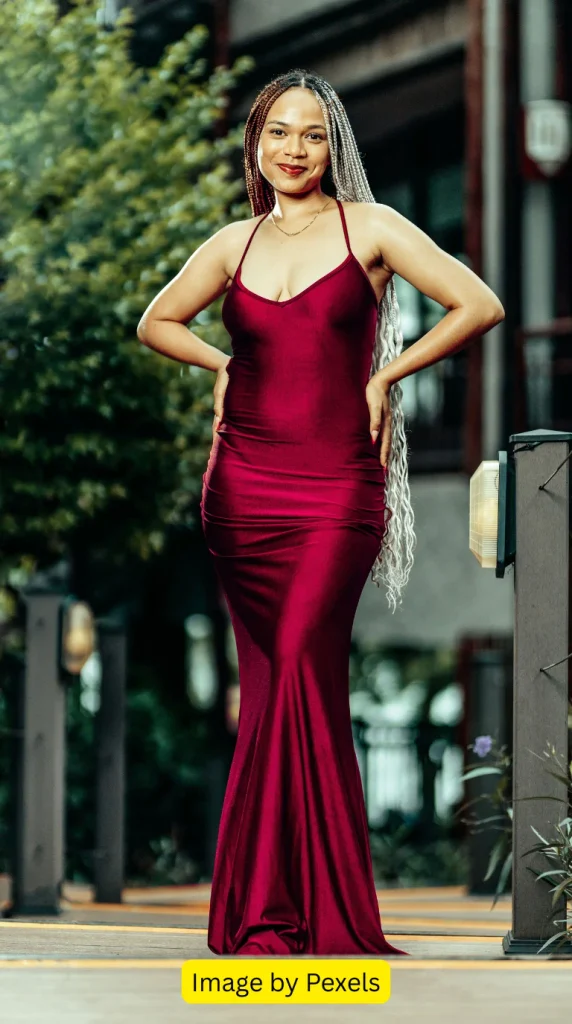
A column gown creates a long, uninterrupted line from the bodice toward the hem. That simplicity makes the silhouette particularly effective for minimalist dressing.
Instead of adding embellishment, focus on the fit. The shoulder line, waist placement, and hem should look intentional.
Style it with: a sleek clutch and understated jewelry.
Best for: formal evening venues and guests who prefer structured silhouettes.
3. Draped Neutral Gown
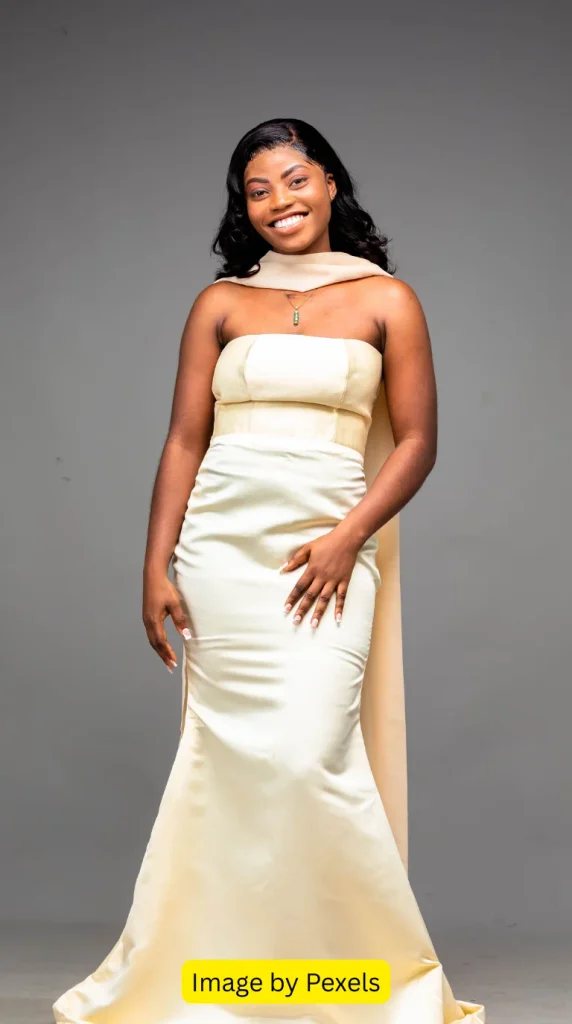
Draping adds movement without requiring sequins, embroidery, or ornate decoration.
Soft shades such as taupe, mocha, champagne, or muted stone can create a sophisticated palette, particularly when the dress has a beautifully controlled drape.
For a wedding guest, check the invitation and couple’s preferences before choosing extremely pale shades that could photograph similarly to bridal white.
Style it with: tonal shoes and delicate metallic jewelry.
Best for: guests who want softness without excessive detail.
4. Off-Shoulder Crepe
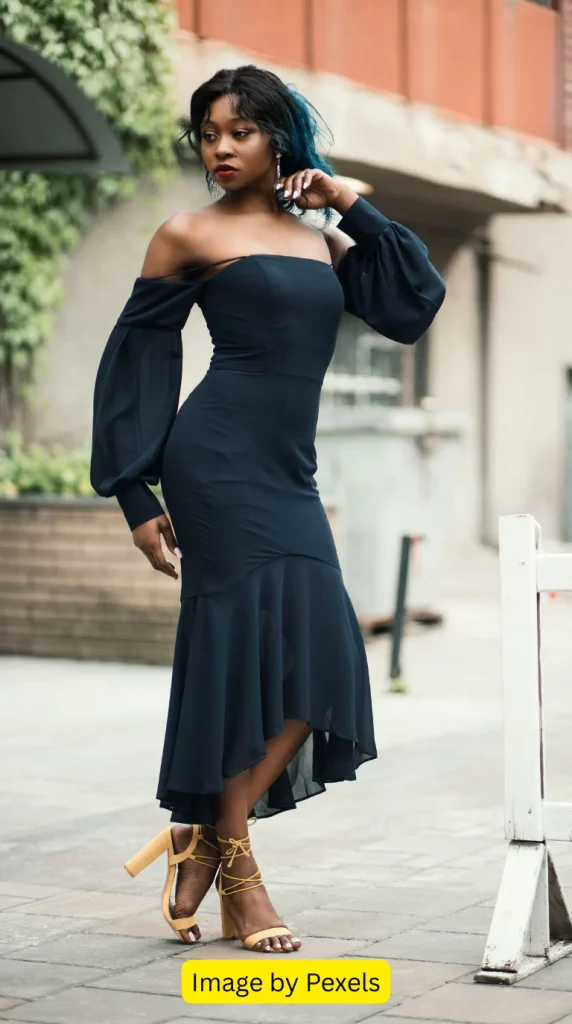
An off-shoulder neckline can become the single focal point of an otherwise simple gown.
Crepe works particularly well here because its relatively smooth surface keeps the dress visually clean while the neckline adds shape and interest.
Style it with: small drop earrings, a structured clutch, and simple heels.
Best for: evening weddings where you want a feminine detail without elaborate embellishment.
5. Monochrome Evening Look
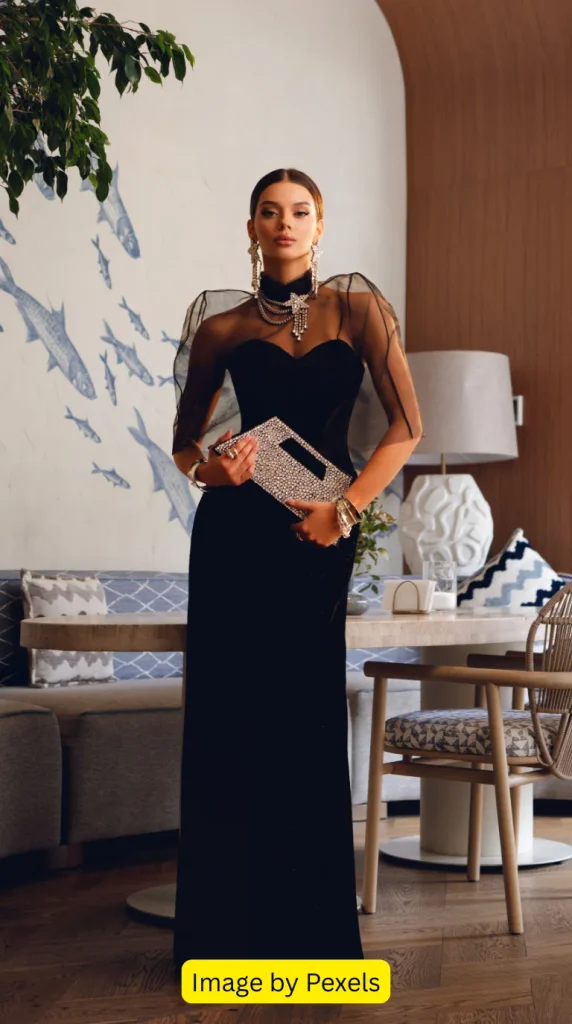
Minimalism extends beyond the dress itself. A monochromatic outfit can make the entire look feel more deliberate.
Choose a dress, shoes, bag, and outer layer within the same tonal family rather than introducing several competing colors.
Deep navy, chocolate, charcoal, black, and muted jewel tones work particularly well.
Style it with: tonal accessories and one subtle metallic detail.
Best for: guests who want a polished, editorial appearance.
6. Black Satin Gown
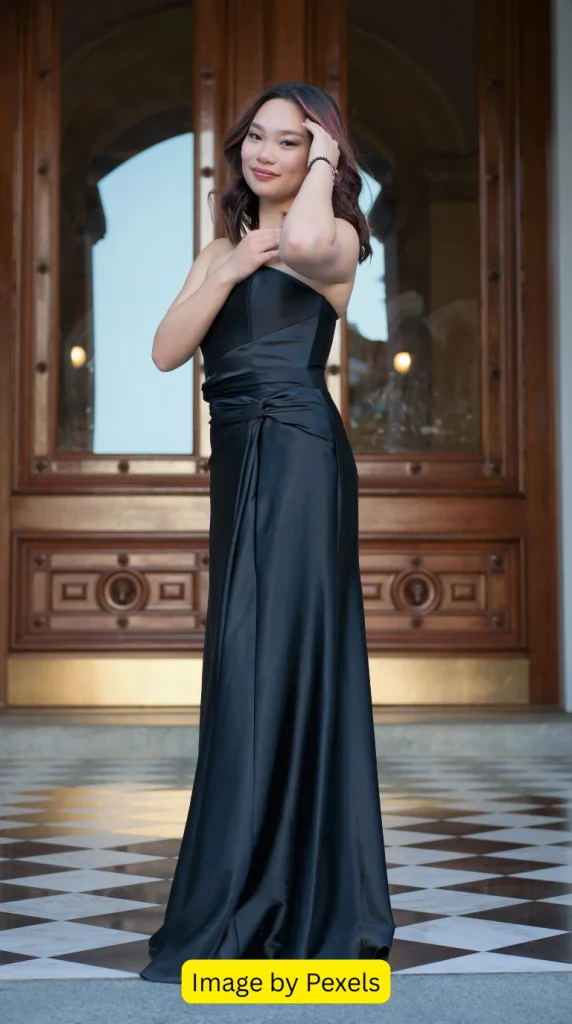
Black satin combines two classic elements of quiet luxury: a restrained color and a fabric with natural visual depth.
A cowl neckline, softly shaped waist, or subtle open back can provide enough interest without covering the dress in decoration.
Style it with: silver or diamond-look earrings, a compact black bag, and classic heels.
Best for: evening celebrations and guests who prefer timeless formalwear.
7. High-Neck Jewel-Tone Gown
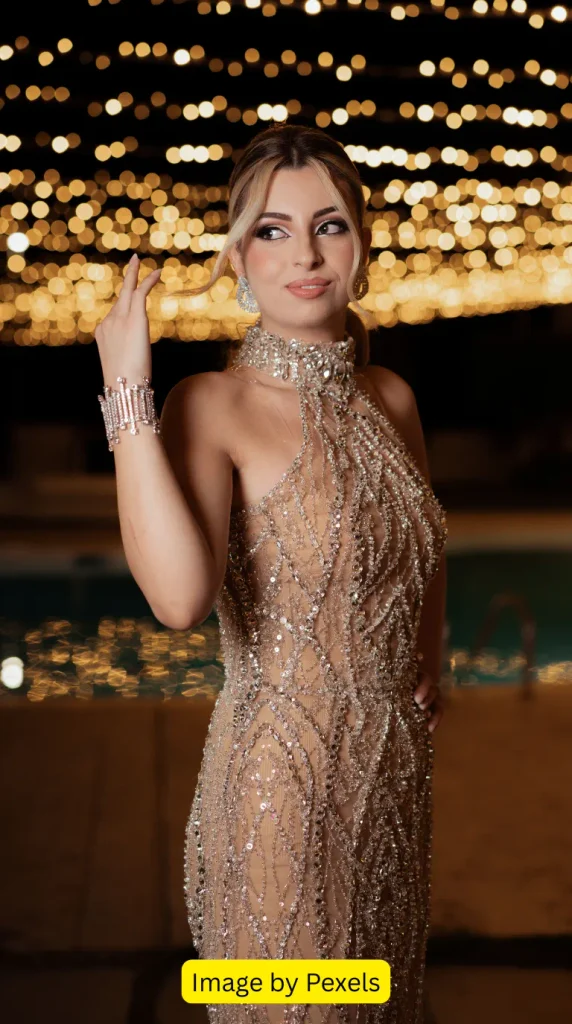
A high neckline creates a naturally polished appearance, especially when paired with a long, simple silhouette.
Instead of relying on jewelry around the neckline, let the color and construction provide the visual interest. Emerald, sapphire, burgundy, and deep teal are particularly effective choices.
Style it with: understated earrings and a sleek evening bag.
Best for: guests who prefer more coverage without sacrificing elegance.
8. Black-and-Cream Contrast
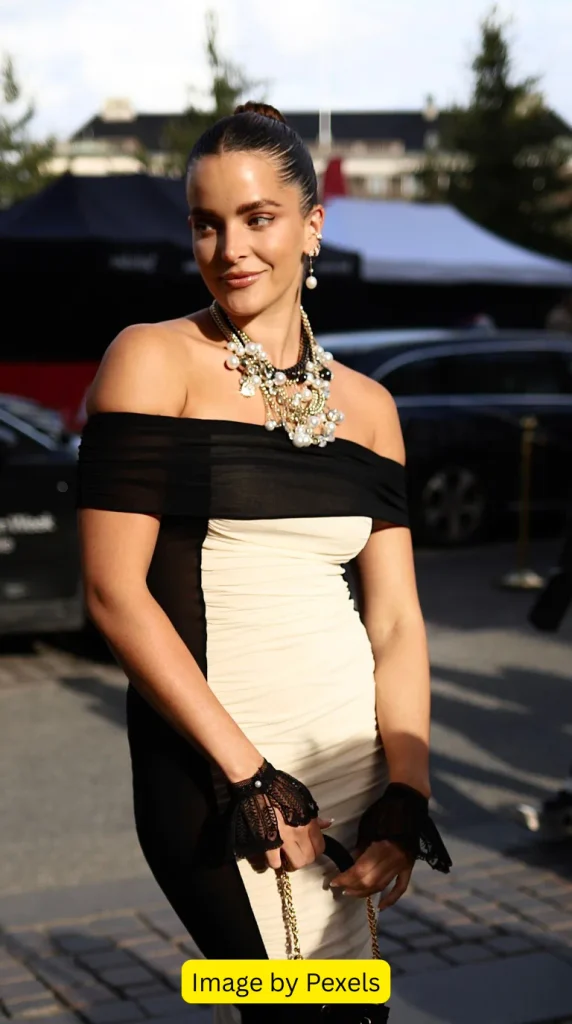
Contrast can make a minimalist outfit more interesting without adding embellishment.
A black gown paired with a sophisticated cream-toned wrap or jacket creates definition while keeping the overall palette controlled.
For weddings, choose outerwear in a shade that clearly functions as an accessory rather than resembling bridal attire.
Style it with: black heels and restrained jewelry.
Best for: cooler evening celebrations.
9. Fluid Draped Silk
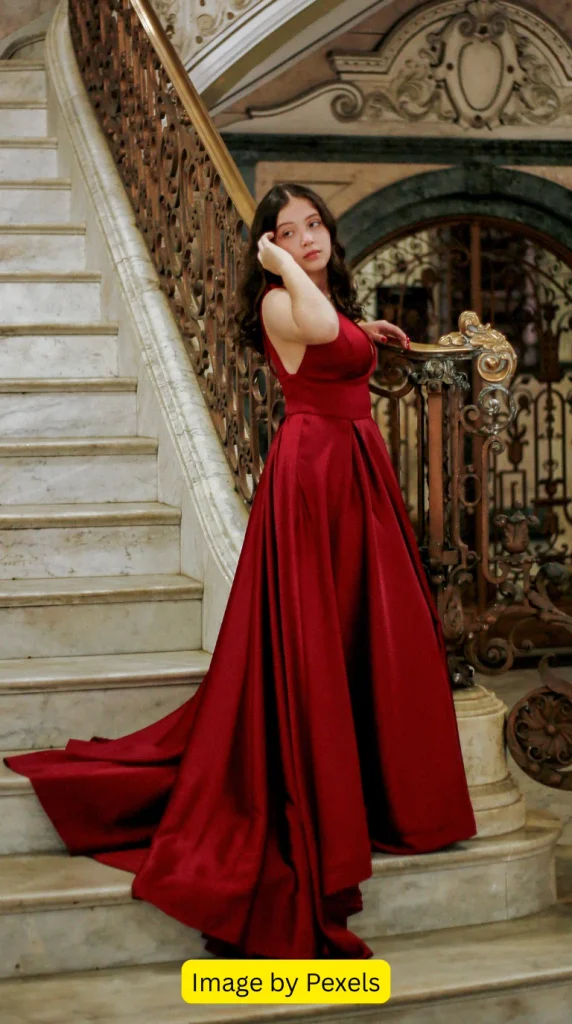
Draped silk creates movement through the construction of the dress itself.
Instead of embellishment, look for thoughtful folds around the neckline, waist, or skirt. The design should feel soft but still formal enough for a black-tie setting.
Style it with: minimal earrings and refined sandals or pumps.
Best for: guests who prefer fluid rather than highly structured silhouettes.
10. Defined-Waist Gown
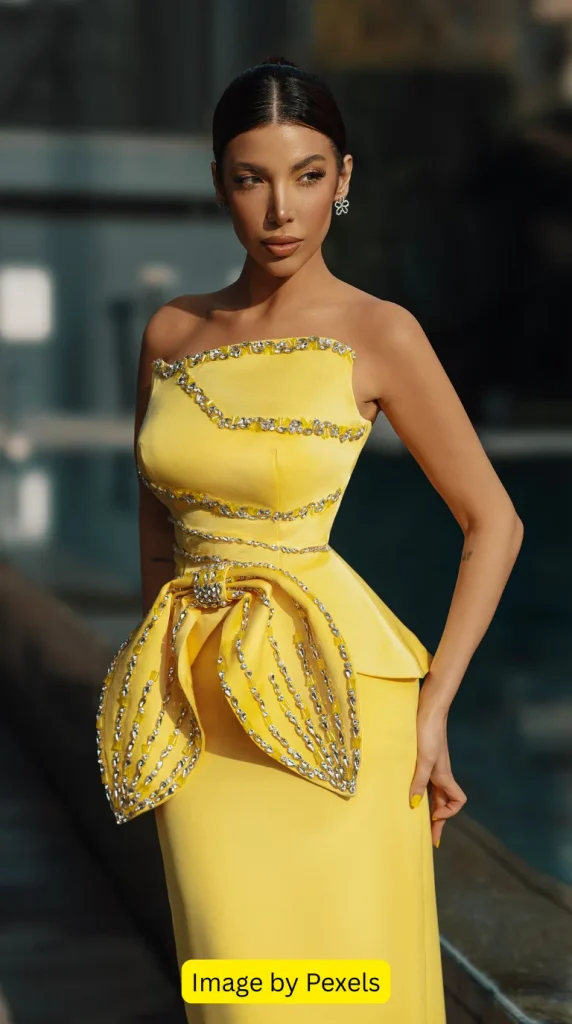
A defined waist can give a simple gown its entire shape.
Rather than adding bows, beading, or elaborate panels, look for a dress where the tailoring naturally creates proportion between the bodice and skirt.
Style it with: a small clutch and simple pointed heels.
Best for: guests who want structure while keeping the overall design understated.
11. Champagne-Tone Satin
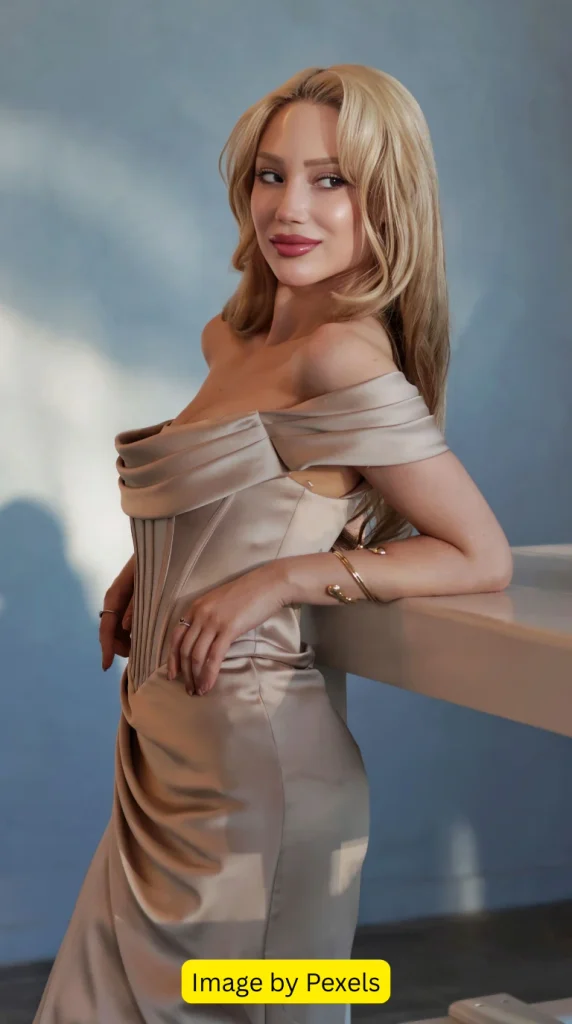
Champagne satin can create a softly luminous appearance without the high-shine effect of heavily embellished formalwear.
The key is restraint. Choose a sophisticated silhouette rather than combining the metallic-looking shade with extensive crystals or dramatic detailing.
Because champagne can photograph very pale, consider the wedding’s dress expectations before choosing this color.
Style it with: subtle gold jewelry and neutral shoes.
Best for: elegant evening receptions with a sophisticated dress code.
12. Long-Sleeve Crepe Gown
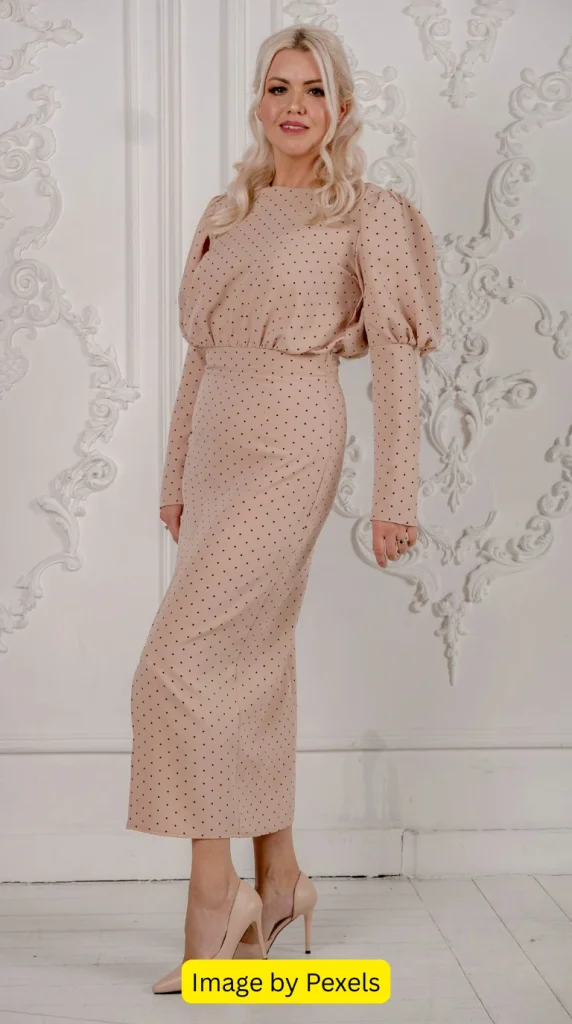
Long sleeves can create a strong sense of refinement when the rest of the dress remains clean.
Crepe is particularly effective because it gives the gown structure without requiring decorative surface details.
Style it with: statement earrings rather than a necklace and a compact evening bag.
Best for: fall and winter weddings or guests who prefer more coverage.
13. Square-Neck Silk Gown
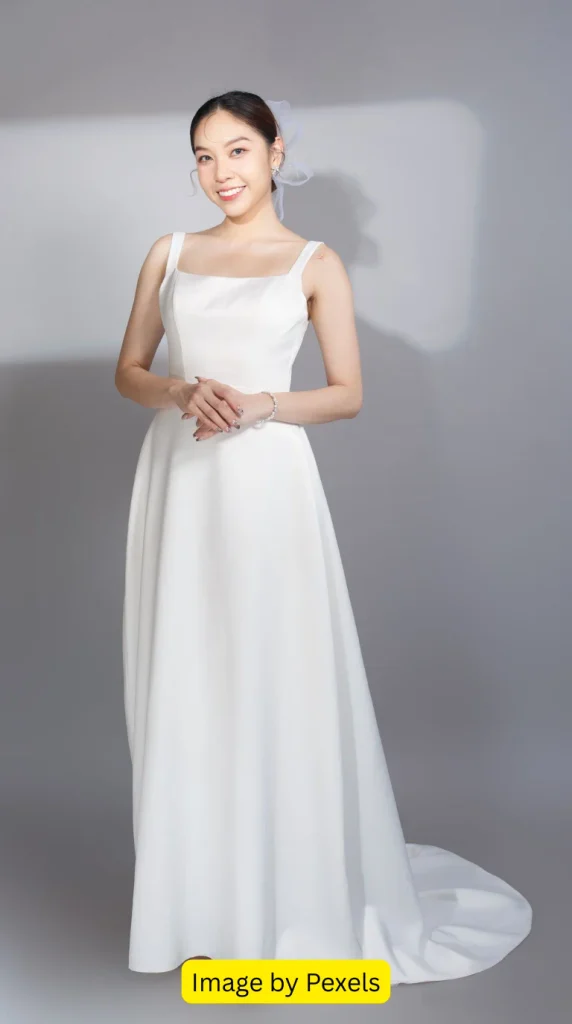
The square neckline provides architectural definition to a simple gown.
It frames the upper body clearly, allowing the rest of the dress to remain uncomplicated. This is a useful way to create visual interest without relying on embellishment.
Style it with: small earrings and a clean, structured handbag.
Best for: guests who like classic necklines with a modern edge.
14. Midnight Blue Satin
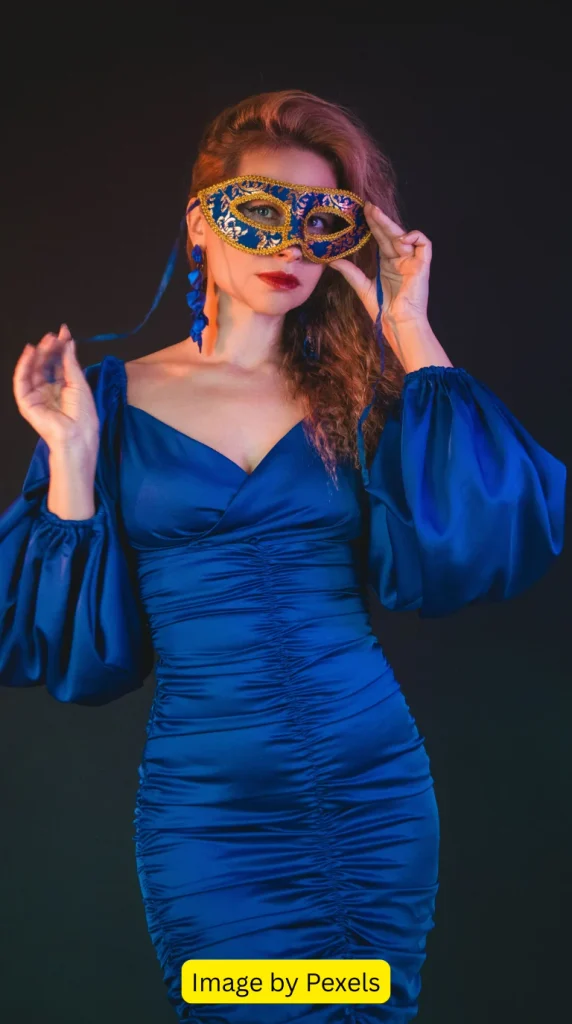
Midnight blue offers much of the sophistication of black while introducing more depth and color.
A simple satin silhouette lets the shade become the main feature. Keep the rest of the styling quiet so the color remains the visual anchor.
Style it with: silver-toned jewelry and dark heels.
Best for: guests who want an alternative to black without moving into bright color.
15. Tailored Evening Wrap
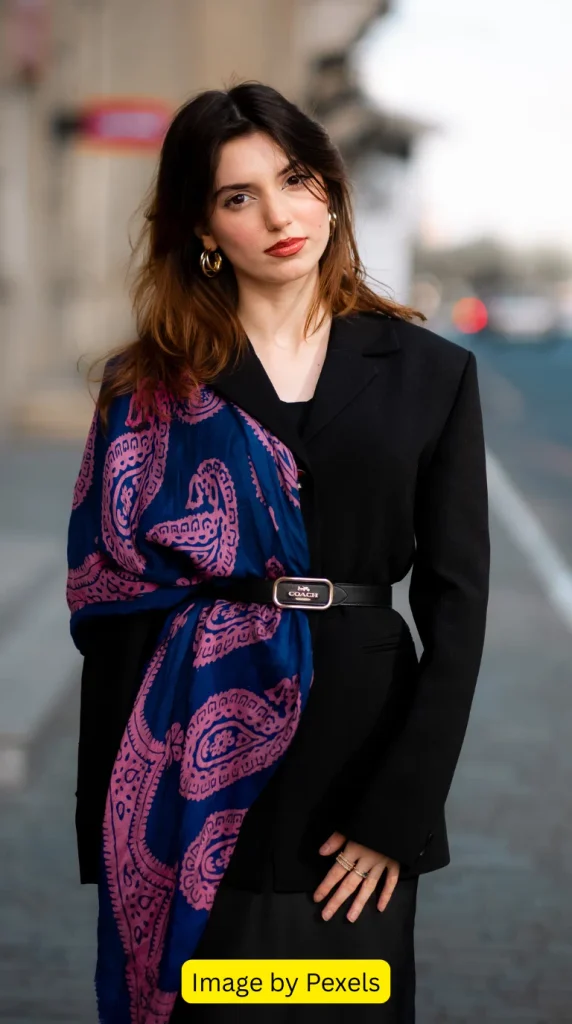
A beautifully tailored wrap can turn a simple gown into a complete formal look while also providing practical coverage.
Choose a wrap with a clean edge and refined fabric rather than excessive fringe, oversized decoration, or casual construction.
Style it with: a simple gown in a complementary or tonal shade.
Best for: outdoor evening receptions and cooler venues.
16. Sculpted Crepe Silhouette
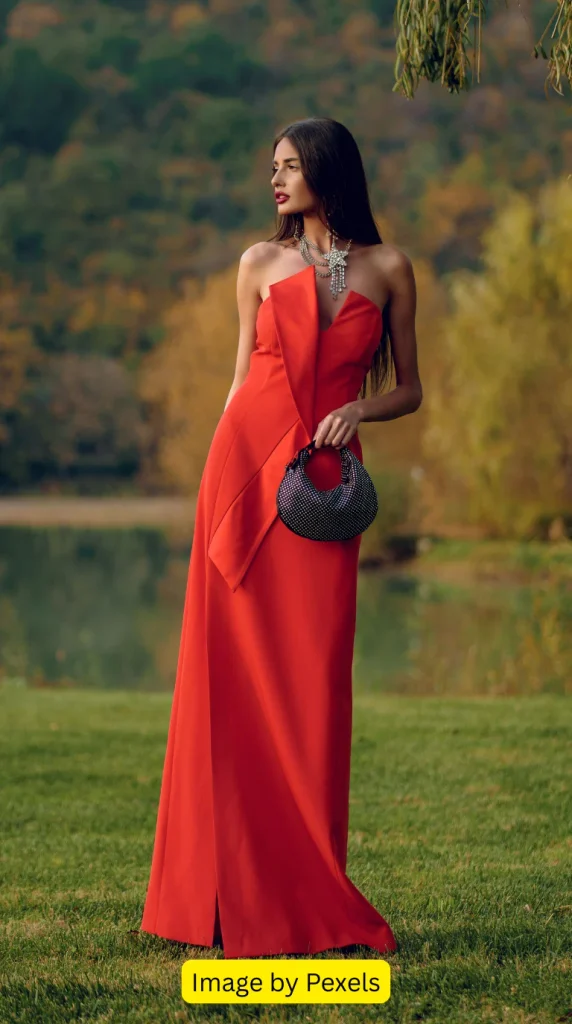
Sculpted tailoring allows the construction of the gown to become its decoration.
Seams, shaping, and precise proportions can create definition without sequins or elaborate appliqué.
Style it with: restrained jewelry and classic pumps.
Best for: guests who appreciate structured, polished formalwear.
17. Pearl-Accent Minimalism
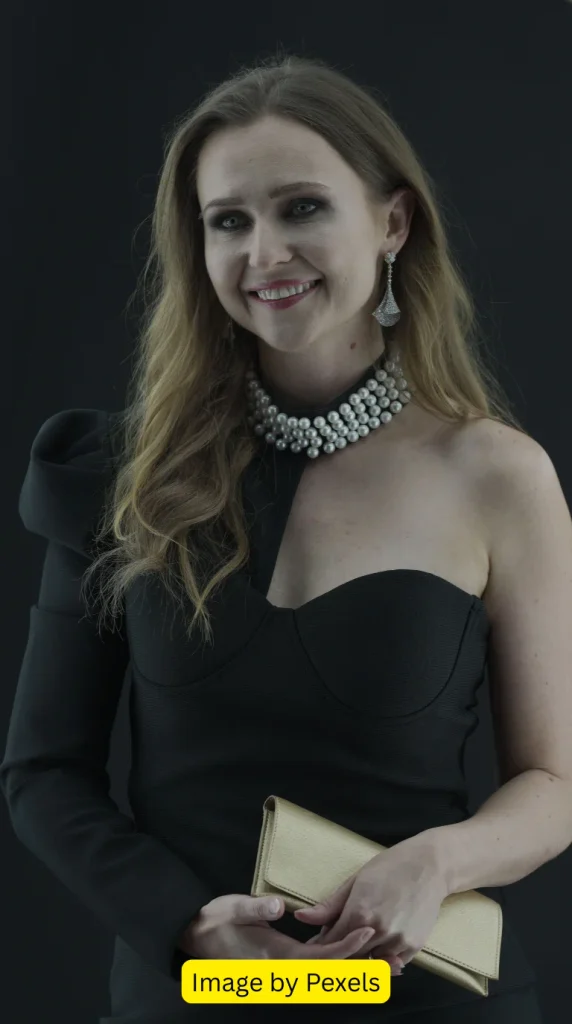
Quiet luxury does not mean eliminating accessories altogether. It means choosing them carefully.
Pearls can introduce softness and classic character to an otherwise simple gown, particularly when the dress itself has a clean silhouette.
Style it with: one coordinated pearl detail rather than multiple competing accessories.
Best for: guests who want a traditional finishing touch.
18. Elegant Slip Gown
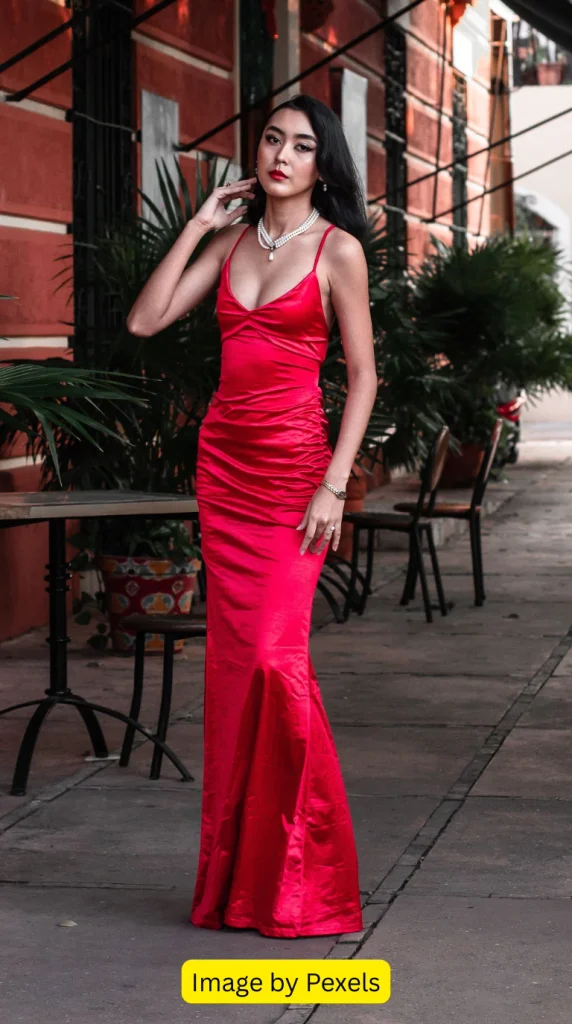
A well-constructed slip gown is one of the purest expressions of minimalist dressing.
The silhouette is simple, so fabric quality and fit become especially important. Look for a substantial material and carefully finished neckline rather than a dress that feels like casual lingerie-inspired clothing.
Style it with: elegant heels, a structured clutch, and refined jewelry.
Best for: guests who want contemporary simplicity.
19. Soft Gold Gown
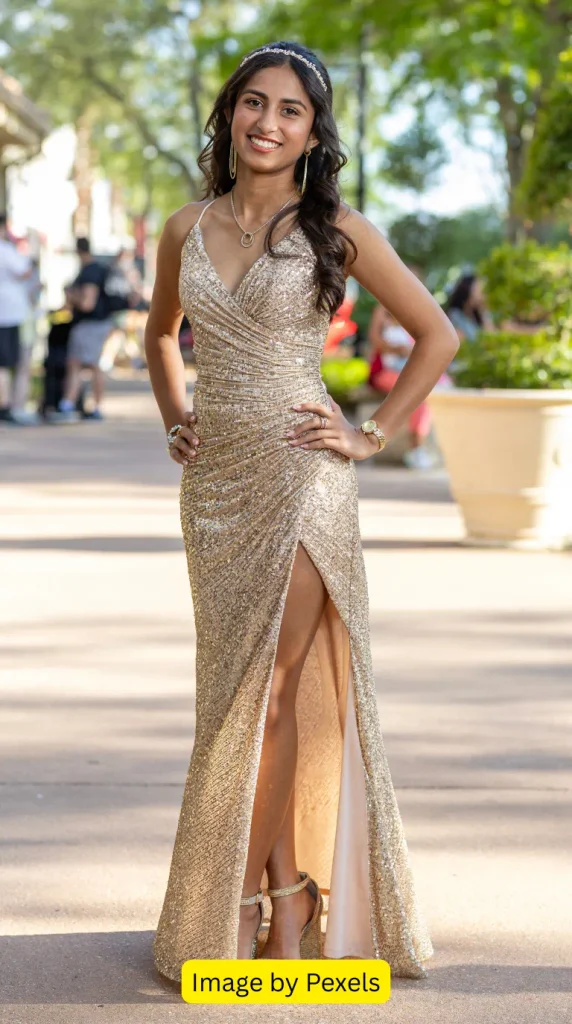
Soft gold can provide warmth without the intensity of a highly metallic dress.
Choose a muted finish and uncomplicated silhouette. If the fabric already catches the light, additional embellishment is usually unnecessary.
Style it with: tonal or neutral accessories and understated gold jewelry.
Best for: evening receptions where subtle luminosity fits the atmosphere.
20. Classic Black Column Dress
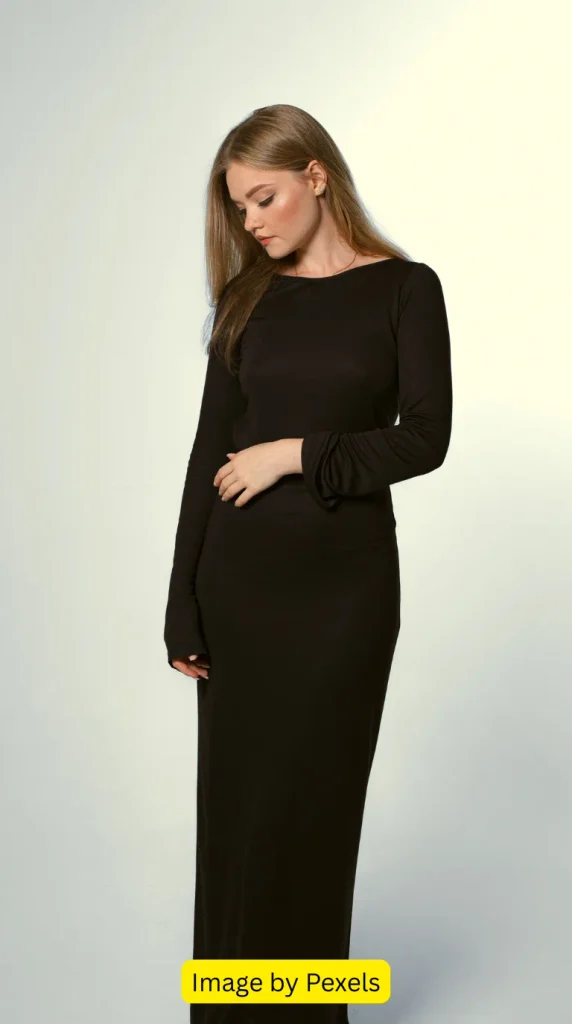
Sometimes the most effective minimalist choice is also the simplest.
A classic black column gown needs very little styling when the proportions and fit are right. The absence of unnecessary details allows the silhouette to remain the focus.
Style it with: one polished clutch, classic pumps, and restrained jewelry.
Best for: guests building a versatile formal wardrobe.
21. The Complete Quiet-Luxury Look
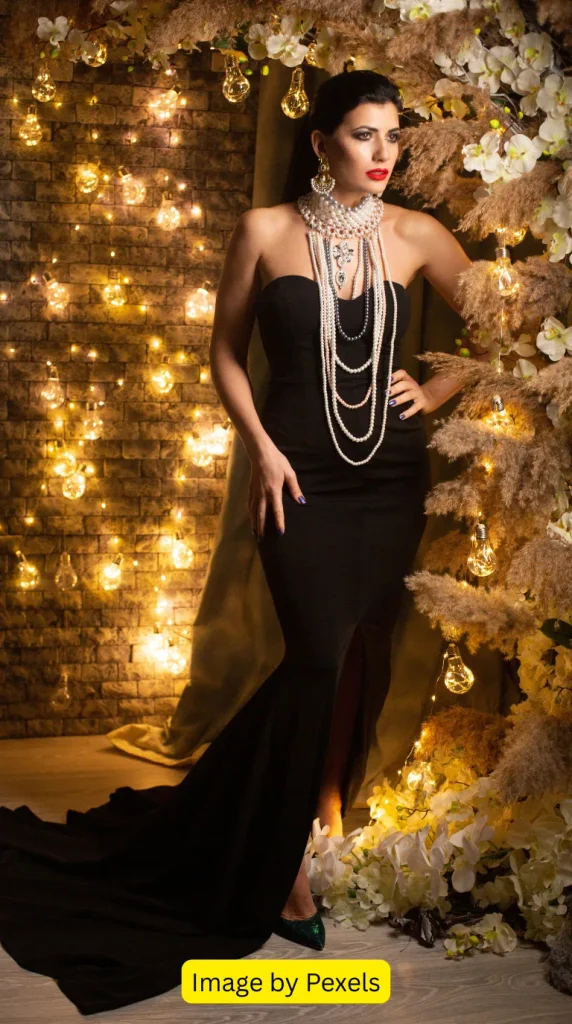
The final idea is less about one specific neckline or color and more about combining the principles of minimalist dressing.
Start with a gown featuring a clean silhouette. Add one refined accessory, choose polished shoes, and keep the beauty look coordinated without making every element dramatic.
The goal is visual harmony.
Style it with: a simple gown, one focal accessory, elegant shoes, and a compact evening bag.
Best for: guests who want the complete quiet-luxury aesthetic rather than a particular dress trend.
How to Style a Minimalist Black Tie Dress
The easiest way to preserve a quiet-luxury aesthetic is to resist the temptation to make every part of the outfit a statement.
Choose One Focal Detail
If the dress has an interesting neckline, keep the jewelry simple.
If the fabric has a strong sheen, avoid competing embellishment.
If the silhouette is dramatic, let the accessories become quieter.
This creates hierarchy within the outfit.
Prioritize Fit
Minimalist dresses have nowhere to hide poor proportions.
Pay attention to:
- Shoulder placement
- Bust fit
- Waist position
- Gown length
- Hemline
- Sleeve length
- How the fabric falls while walking
A simple dress that fits beautifully can look more polished than a heavily decorated gown that does not.
Keep Accessories Controlled
A useful formula is:
simple gown + one refined jewelry choice + elegant shoes + compact evening bag
You do not need a matching necklace, earrings, bracelet, rings, embellished shoes, and decorated clutch all at once.
Match the Dress to the Venue
Minimalism can work beautifully in many settings, but the execution should reflect the location.
A sleek satin gown can suit a ballroom.
A fluid silk silhouette may work well for an elegant outdoor evening celebration.
A long-sleeve crepe gown can feel particularly appropriate for a winter reception.
The dress should still satisfy the actual black-tie requirements of the invitation.
Minimalist Does Not Mean Casual
This distinction is important.
A minimalist black tie dress should still look formal enough for the occasion. A basic jersey maxi dress, casual knit dress, sundress, or everyday slip dress may be simple, but simplicity alone does not make something black tie appropriate.
Look for signs of formality such as:
- Floor-length or deliberately formal proportions
- Elevated fabrics
- Refined construction
- Evening-appropriate styling
- Elegant footwear
- Polished accessories
Minimalism is a design approach, not a relaxation of the dress code.
How to Choose the Right Color
Quiet luxury tends to work particularly well with colors that have depth or subtlety.
| Color family | Overall effect | Styling direction |
|---|---|---|
| Black | Timeless and dramatic | Silver, diamonds, or tonal accessories |
| Midnight blue | Sophisticated alternative to black | Silver or cool metallics |
| Burgundy | Rich and romantic | Gold or neutral accessories |
| Emerald | Refined and distinctive | Minimal metallic jewelry |
| Chocolate | Warm and modern | Gold or bronze details |
| Taupe | Soft and understated | Tonal accessories |
| Champagne | Luminous and elegant | Neutral or delicate gold accessories |
| Deep teal | Jewel-toned and sophisticated | Simple metallic accents |
For wedding guests, always consider the couple’s preferences and the invitation before choosing extremely pale shades that may be perceived as bridal.
Minimalist Dress Fabrics That Look Elevated
The fabric can determine whether a minimalist dress feels luxurious or underdressed.
Satin
Satin provides natural sheen and movement, making it effective when the dress has few decorative details.
Silk
Silk creates fluid movement and works especially well with slip and draped silhouettes.
Crepe
Crepe offers a smoother, more structured appearance and is particularly useful for tailored gowns.
Velvet
Velvet brings depth and richness to minimalist winter formalwear without requiring extensive decoration.
Chiffon
Chiffon creates movement and softness, particularly when incorporated into draping or layered formal silhouettes.
The best choice also depends on season, venue, comfort, and the construction of the particular dress.
Quiet Luxury Accessories for Black Tie
Accessories should complete the dress rather than compete with it.
Consider:
- A structured evening clutch
- Simple metallic earrings
- Small pearls
- Classic pumps
- Refined heeled sandals
- A slim bracelet
- A delicate ring
- A tailored evening wrap
Instead of adding several statement pieces, choose one accessory that gives the outfit personality.
Minimalist Black Tie Dress: Quick Decision Guide
| If you want… | Consider… |
|---|---|
| Maximum versatility | Classic black gown |
| A softer alternative to black | Midnight blue |
| Subtle shine | Satin |
| Structured elegance | Crepe |
| Fluid movement | Silk |
| More coverage | High neck or long sleeves |
| A defined silhouette | Tailored waist |
| A modern neckline | Square or off-shoulder |
| A softer look | Draped gown |
| A warm, luminous effect | Muted gold or champagne |
| A contemporary aesthetic | Slip or column silhouette |
Final Thoughts
A minimalist black tie dress does not have to look plain. The strongest quiet-luxury outfits create interest through silhouette, fabric, proportion, color, and restraint rather than piling on decorative details.
If you are unsure where to begin, start with the dress itself. Choose a silhouette that feels appropriately formal, make sure the fit is polished, and then add only the accessories that genuinely improve the outfit.
The result should feel elegant without looking overworked—a formal wedding guest look that is sophisticated enough for the occasion and timeless enough to wear again.