
Choosing a black tie wedding guest dress can be challenging when you have a petite frame. The goal is not simply to find a dress that fits, but to choose a silhouette, length, neckline, fabric, and proportions that work well with your height while still meeting the elegance expected of a black tie dress code. In this guide, we’ll look at practical ways to choose a black tie dress for a petite frame, including styles that can create a balanced, elongated appearance and details that can make a formal dress feel more naturally proportioned. You’ll also find elegant dress ideas to help you put those choices into practice.
What Black Tie Means for Petite Guests
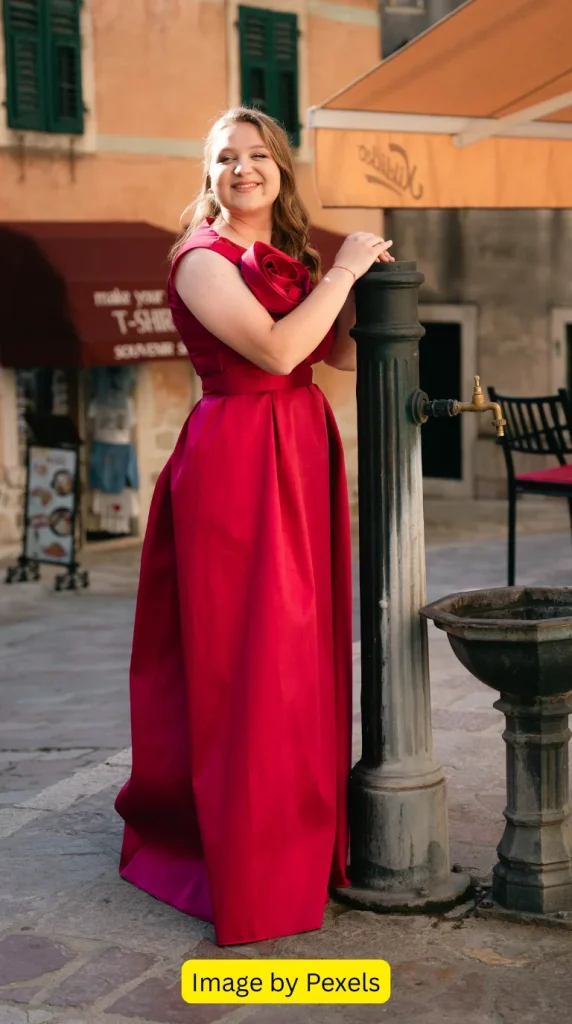
Before choosing a gown, make sure you understand the dress code on the invitation.
Traditional black tie is one of the more formal wedding dress codes. For women, a floor-length evening gown is generally the safest and most traditional option.
Being petite doesn’t mean you need to choose a short dress. Instead, look for a floor-length gown with petite-friendly proportions or have a standard gown professionally altered.
If the invitation says formal, black-tie optional, or provides specific flexibility, you may have more choices. Depending on the wording, an elegant midi dress, sophisticated cocktail dress, or formal jumpsuit may be appropriate.
The important thing is to follow the actual dress code rather than assuming your height determines the required dress length.
How a Petite Gown Should Fit
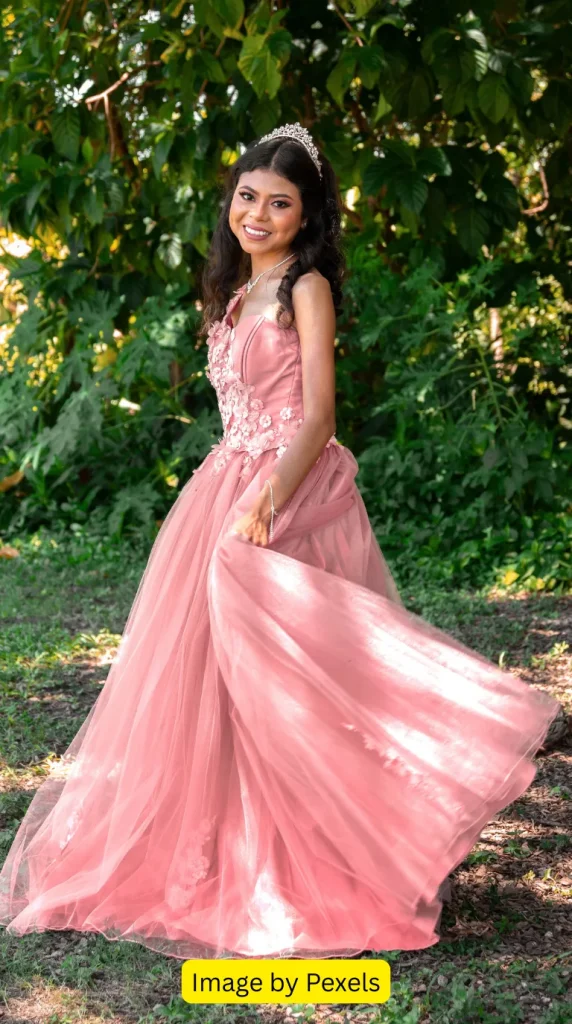
A petite-friendly gown is about more than simply finding a shorter hem.
The shoulders, bodice, waist, sleeves, and skirt should all work together. A gown can have the correct overall length and still look disproportionate if the waist sits too low or the bodice is too long.
Before buying, check:
- Shoulder seams: They should sit naturally at the edge of your shoulders.
- Bodice length: The waist should fall where intended rather than several inches below your natural waist.
- Skirt volume: Excessive layers can overwhelm a smaller frame.
- Hem: The dress should work with the shoes you intend to wear.
- Sleeves: Sleeves should finish cleanly rather than bunching around the wrists.
- Train: A controlled train is usually easier to manage than excessive trailing fabric.
Petite sizing can help because the proportions are designed with shorter frames in mind. However, a standard-size gown can also work beautifully when the necessary alterations are made.
Best Silhouettes for Petite Frames
Certain silhouettes are especially useful when you want a formal gown to look balanced rather than overwhelming.
A-Line Gowns
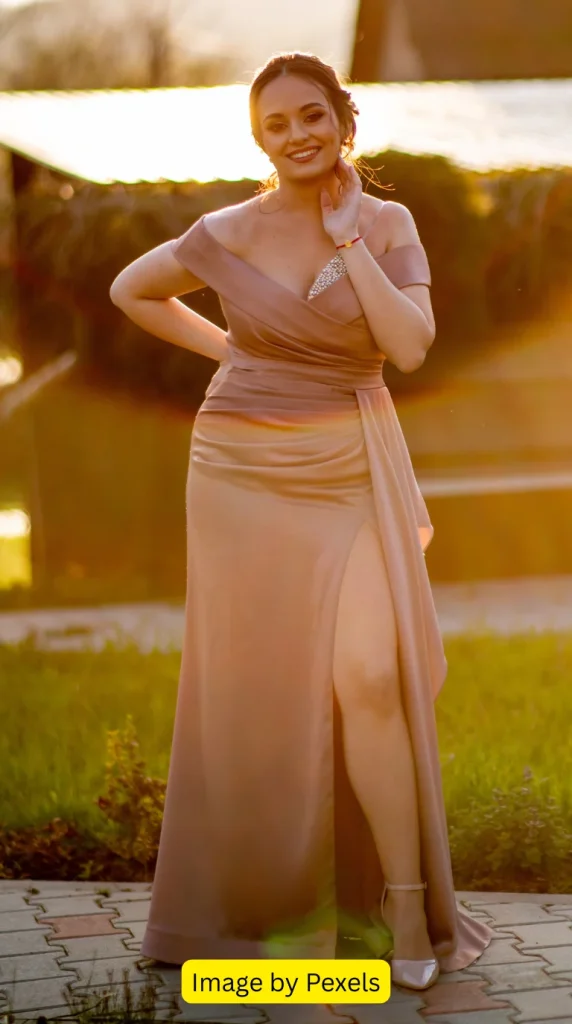
An A-line gown follows the upper body before gradually widening toward the hem.
The shape provides traditional evening elegance without requiring a large amount of skirt volume. A defined waist and controlled skirt can create a balanced silhouette while remaining comfortable throughout a long reception.
Column Gowns

A column gown creates a relatively straight vertical line from the bodice to the hem.
This streamlined construction can work particularly well when you want an elongated appearance without a dramatic skirt.
Crepe, satin, and velvet can all work with this silhouette.
Sheath Gowns
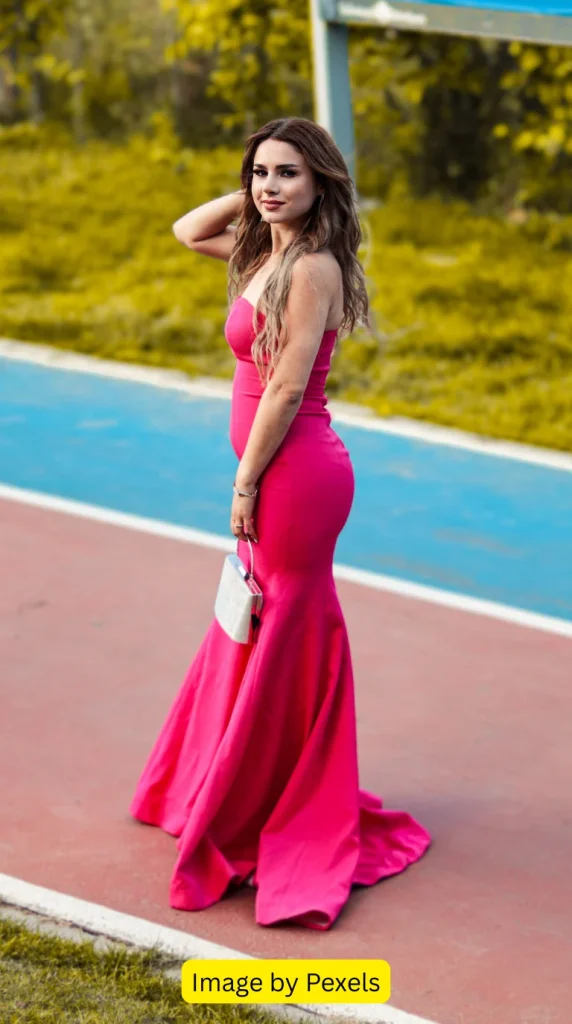
A sheath gown follows the body’s natural shape more closely than an A-line.
For petite guests, the key is choosing a fabric that skims rather than clings. A clean sheath can look sophisticated without adding unnecessary volume.
Wrap Gowns
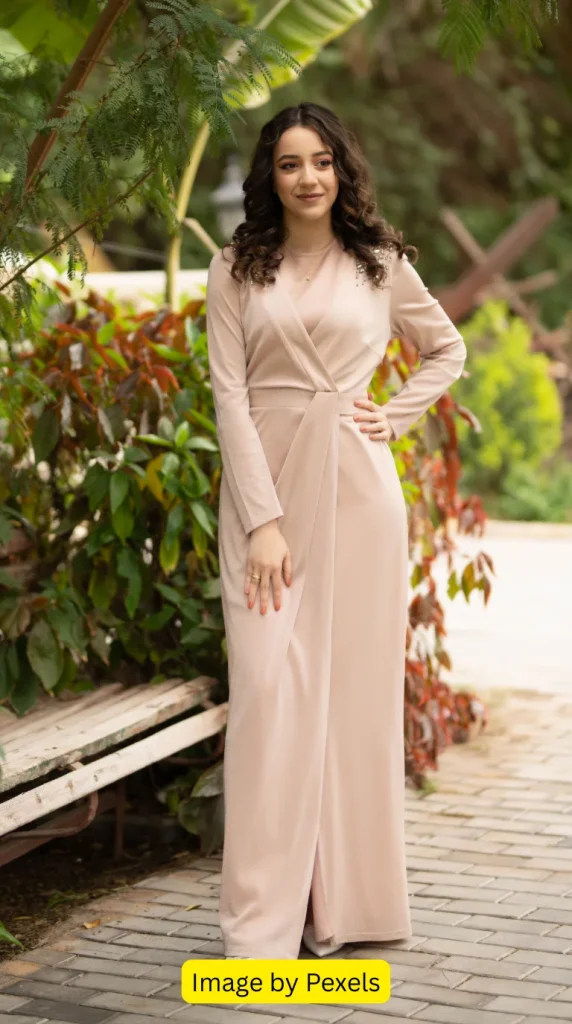
A wrap gown creates a diagonal line across the bodice and gives the waist some definition.
The adjustable construction can also provide additional comfort during a long wedding celebration.
For black tie, choose a floor-length wrap gown in a formal fabric rather than a casual jersey style.
Empire-Waist Gowns
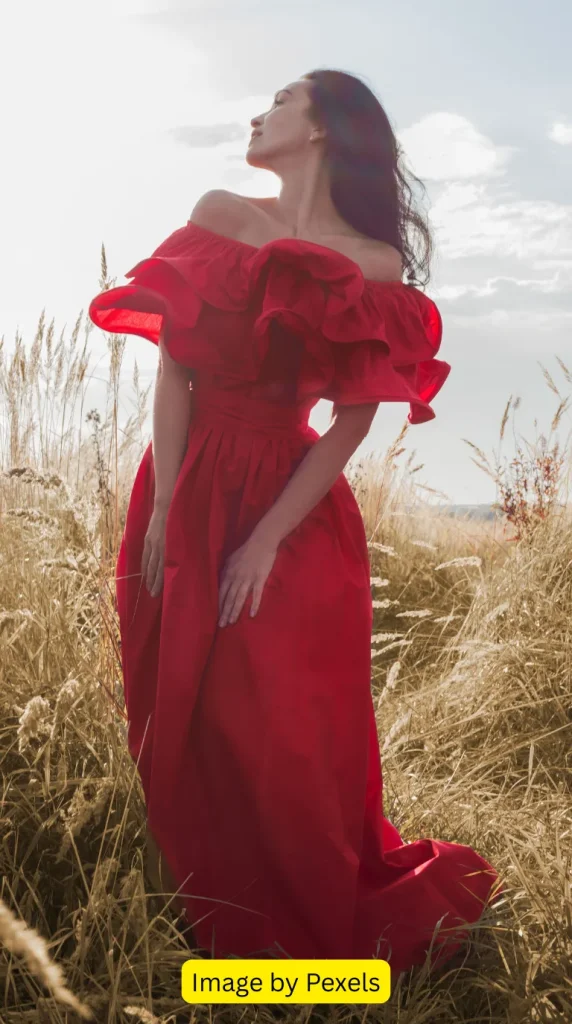
An empire waist sits higher than the natural waist and allows the skirt to flow below it.
The higher seam can visually lengthen the lower body, although the exact effect depends on the gown’s construction and your proportions.
Choose a design with a well-fitted bodice so the higher waistline looks intentional rather than oversized.
One-Shoulder Gowns
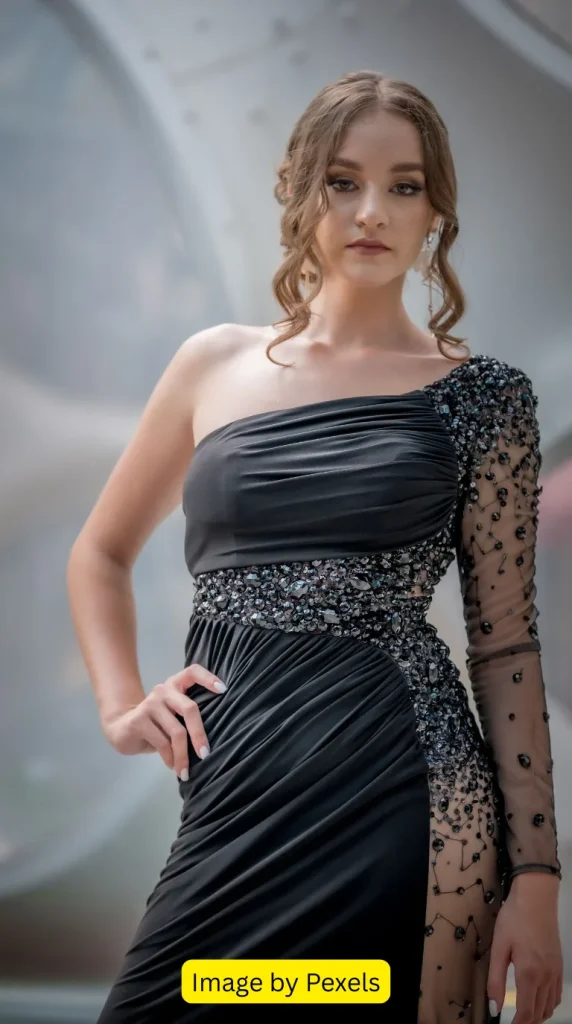
A one-shoulder neckline creates an asymmetric focal point around the upper body.
This can add personality to a petite formal look without requiring a heavily embellished gown or oversized skirt.
A relatively simple lower silhouette usually keeps the proportions balanced.
21 Petite Black Tie Dress Ideas
1. Petite Black Velvet Gown
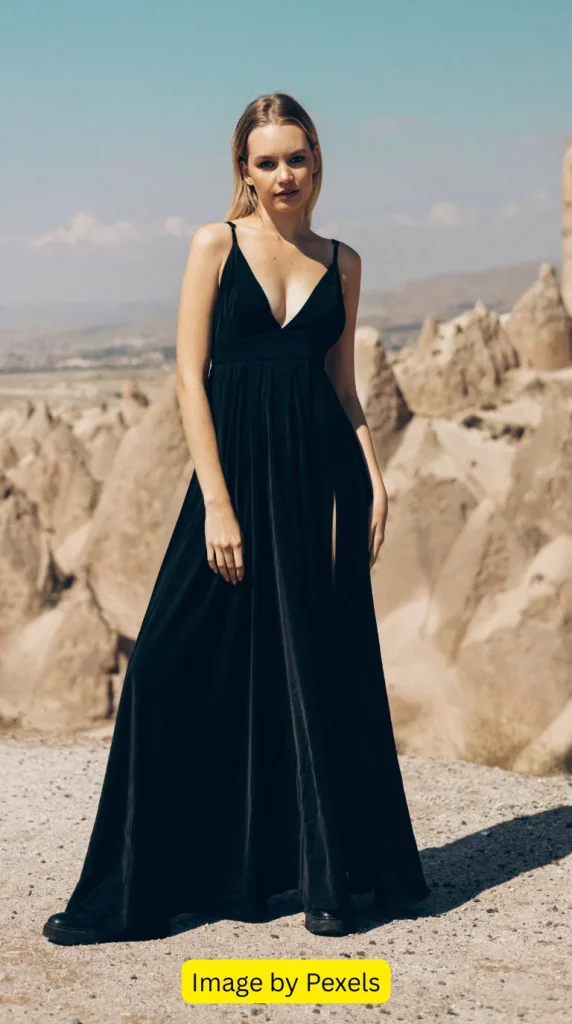
Velvet brings depth and richness to an evening wedding outfit.
For a petite guest, a streamlined velvet gown with a defined waist can provide plenty of drama without relying on excessive volume. Black is timeless, but emerald, burgundy, and navy velvet can also create sophisticated evening looks.
Keep the accessories refined with crystal earrings, polished heels, and a small evening clutch.
2. Satin Column Gown
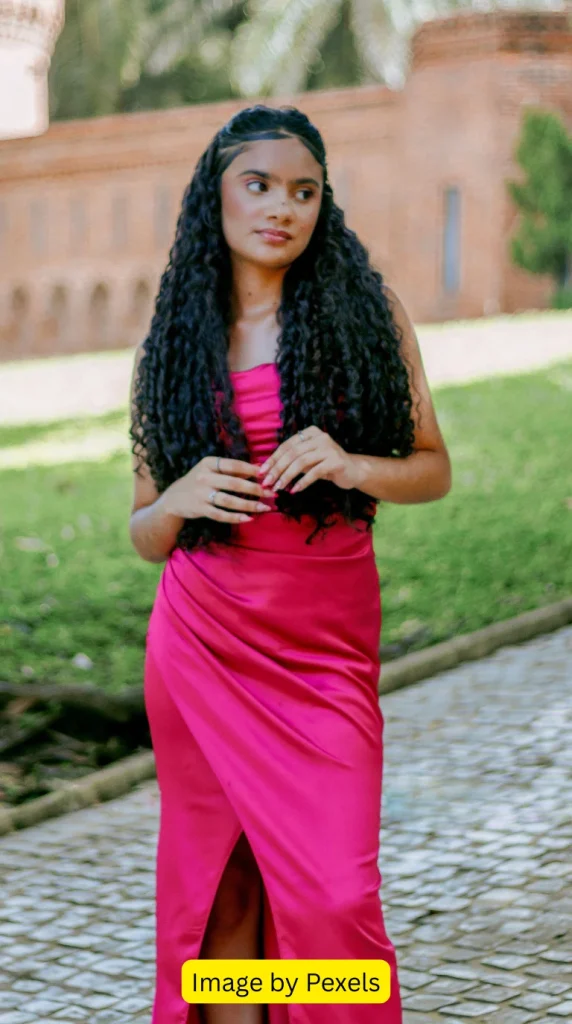
A satin column gown creates a smooth, uninterrupted line from the bodice toward the hem.
This is an excellent choice when you prefer a sleek silhouette over a large skirt. Look for a gown that follows the body without pulling across the waist or hips.
Because satin already catches the light, minimal jewelry can be enough to complete the outfit.
3. Chiffon A-Line Gown
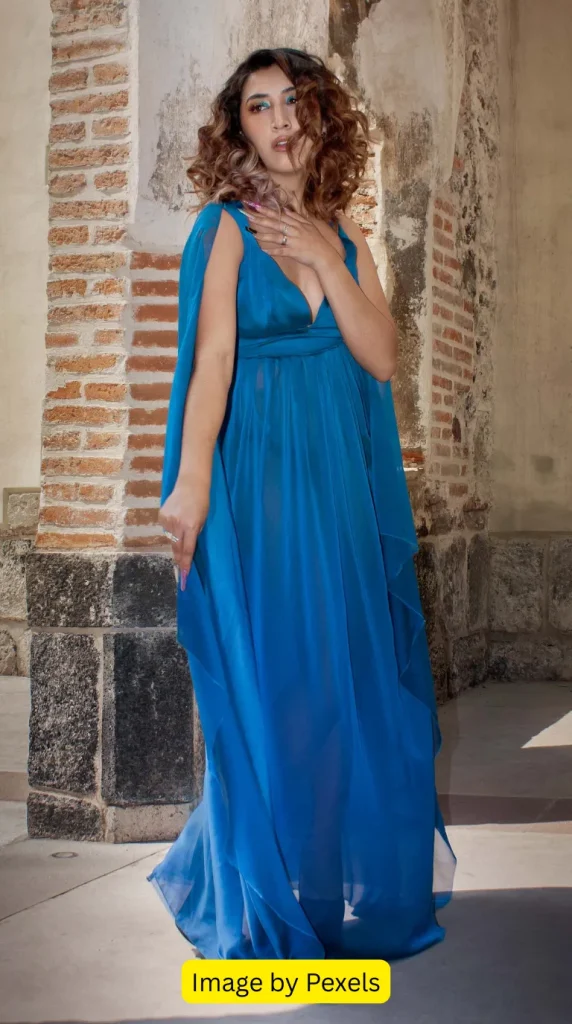
Chiffon creates movement without the weight of multiple heavy layers.
A petite A-line gown in chiffon can provide the elegance of a floor-length dress while remaining light enough for comfortable movement.
Soft draping and a defined waist can keep the silhouette balanced. Sophisticated shades such as dusty rose, muted blue, sage, or deep lavender can work beautifully when appropriate for the wedding.
4. Emerald Green Evening Gown
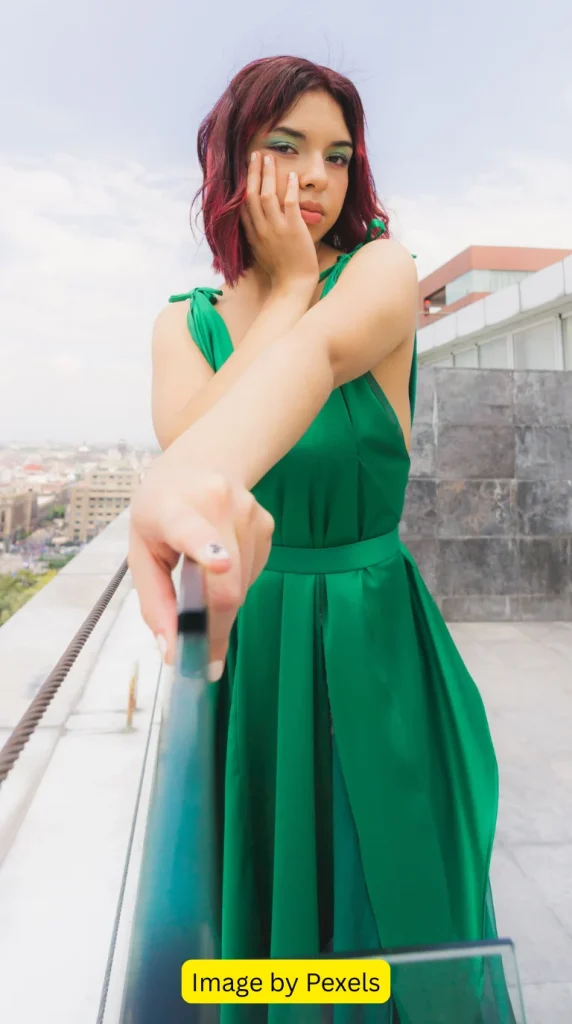
Emerald green offers a rich alternative to classic black.
A petite gown in emerald satin, velvet, or crepe can make a strong impression without requiring extensive embellishment.
For a smaller frame, let the color provide the drama. A clean silhouette is often more effective than combining a bold color with an oversized skirt and heavy decoration.
Silver or crystal accessories can complement the jewel tone.
5. Classic Black Gown
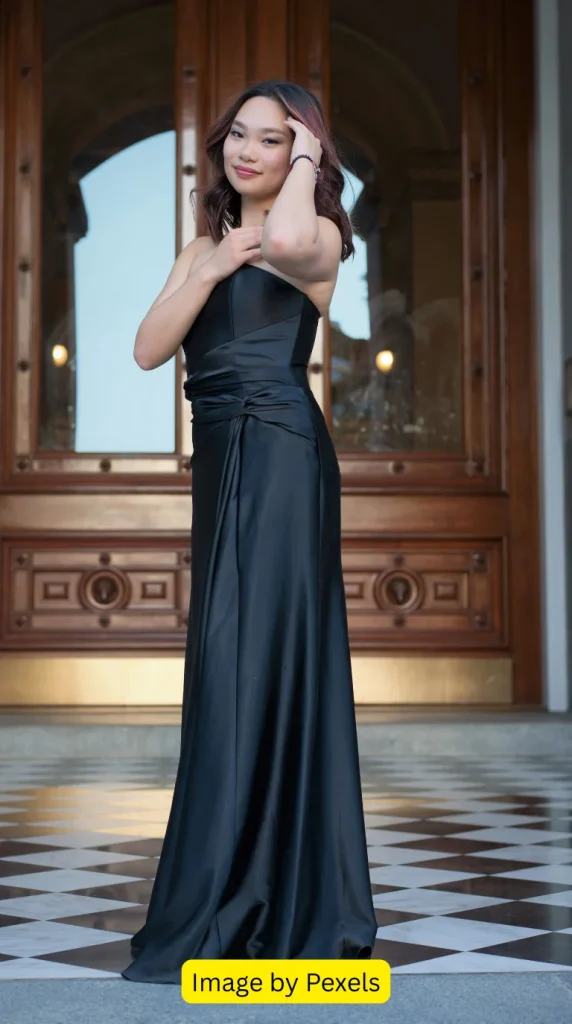
A classic black gown is one of the most versatile choices for a formal wedding.
You can create interest through the silhouette, neckline, or fabric rather than adding excessive decoration.
For petite proportions, consider a column, sheath, or softly tailored A-line gown. Velvet, satin, subtle ruching, or an elegant neckline can add dimension.
6. One-Shoulder Statement Gown
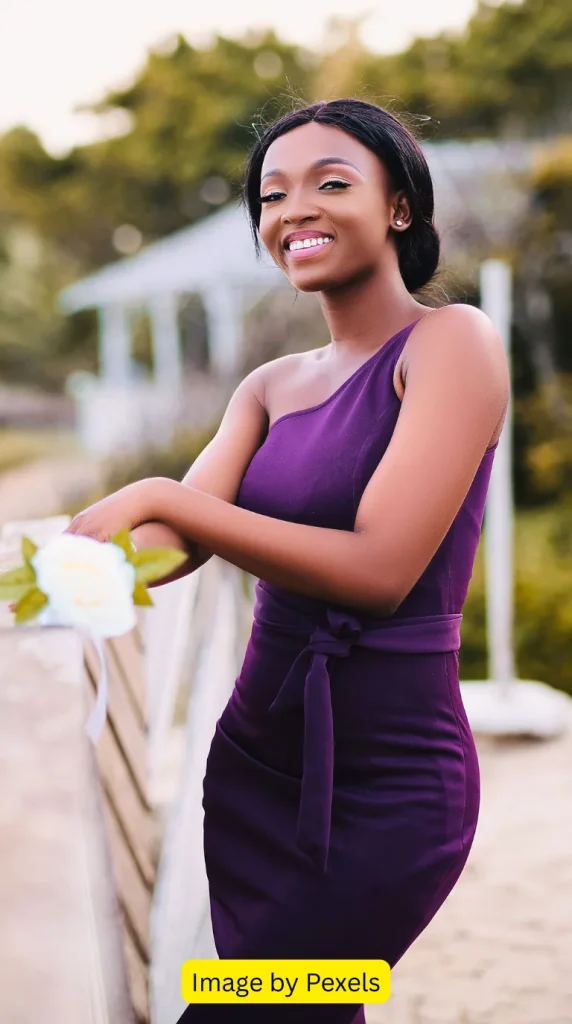
A one-shoulder gown adds a modern focal point while remaining appropriate for a formal evening celebration.
The asymmetric neckline naturally draws attention toward the shoulders and face.
Choose a streamlined skirt to keep the gown from becoming visually heavy. Statement earrings can complete the look without competing with the neckline.
7. Off-Shoulder Satin Gown
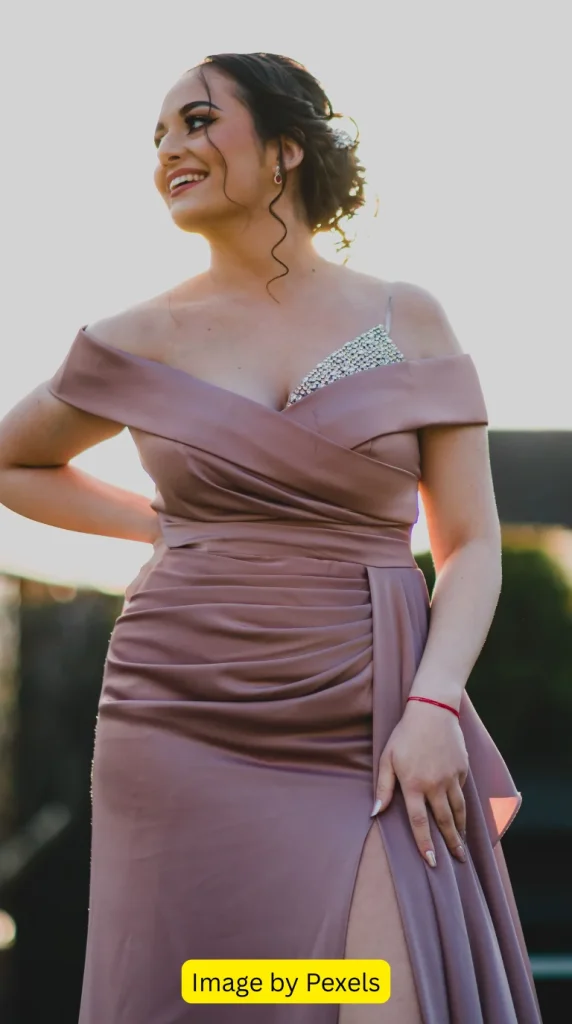
An off-shoulder neckline frames the collarbone and shoulders while creating a graceful evening silhouette.
Combined with smooth satin, it provides a polished appearance without needing extensive embellishment.
A defined waist and controlled skirt volume can help maintain proportion on a petite frame.
Since the neckline already provides visual interest, statement earrings are often enough.
8. High-Neck Crepe Gown
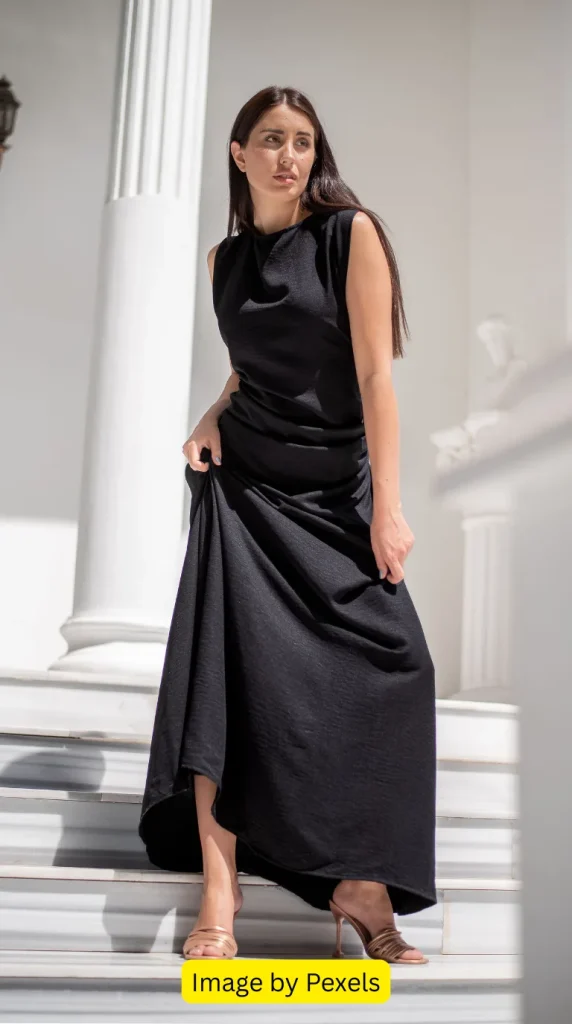
A high neckline can create a sophisticated, clean appearance.
Crepe works particularly well because it has enough structure to maintain a streamlined silhouette without the high shine of satin.
This style is particularly suitable for cooler-season weddings or guests who prefer more coverage.
Keep the accessories simple with small earrings, a sleek hairstyle, and a structured clutch.
9. Wrap-Style Evening Gown
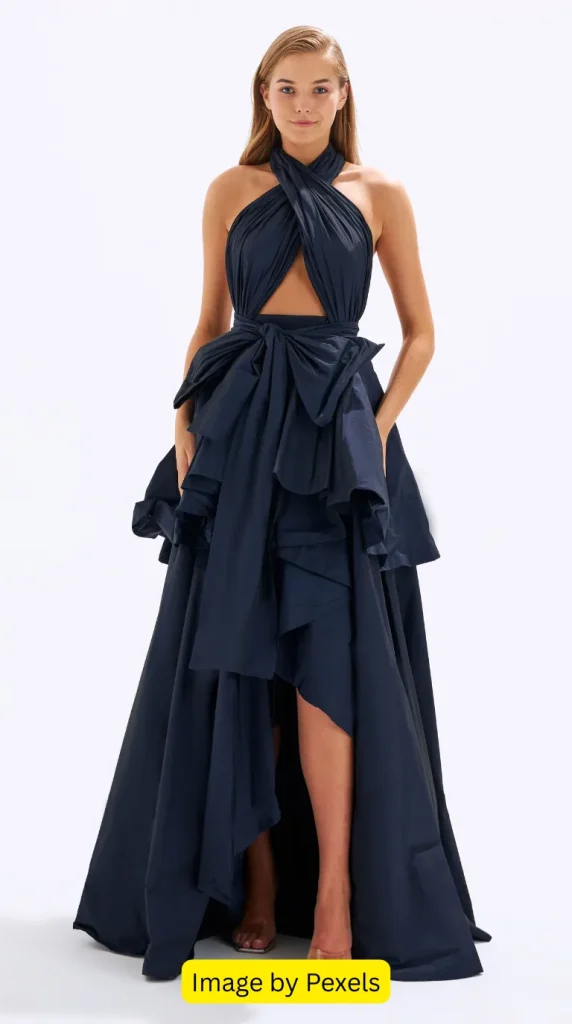
A floor-length wrap gown combines formal elegance with a flexible waist.
The diagonal crossover creates visual movement through the bodice, while the defined waist helps organize the proportions of the gown.
Choose satin, crepe, or another refined formal fabric for a black-tie celebration.
10. Jewel-Tone Velvet Gown
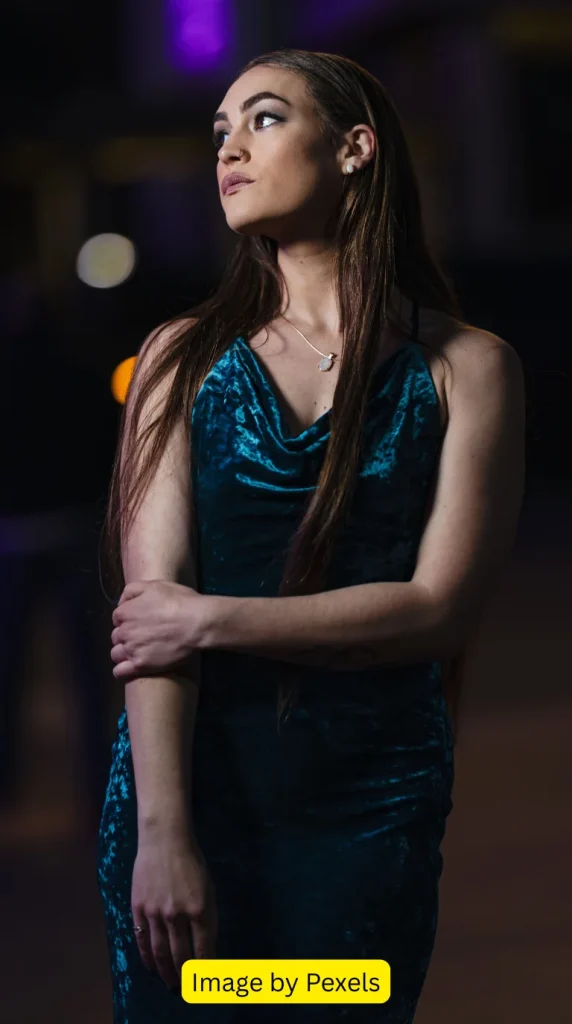
Jewel tones and velvet make a naturally luxurious combination.
Consider emerald, sapphire, burgundy, plum, or deep teal depending on the season and setting.
For petite proportions, keep the construction relatively streamlined. Velvet already provides visual richness, so excessive layers or oversized embellishments aren’t necessary.
11. Minimalist Satin Slip Gown
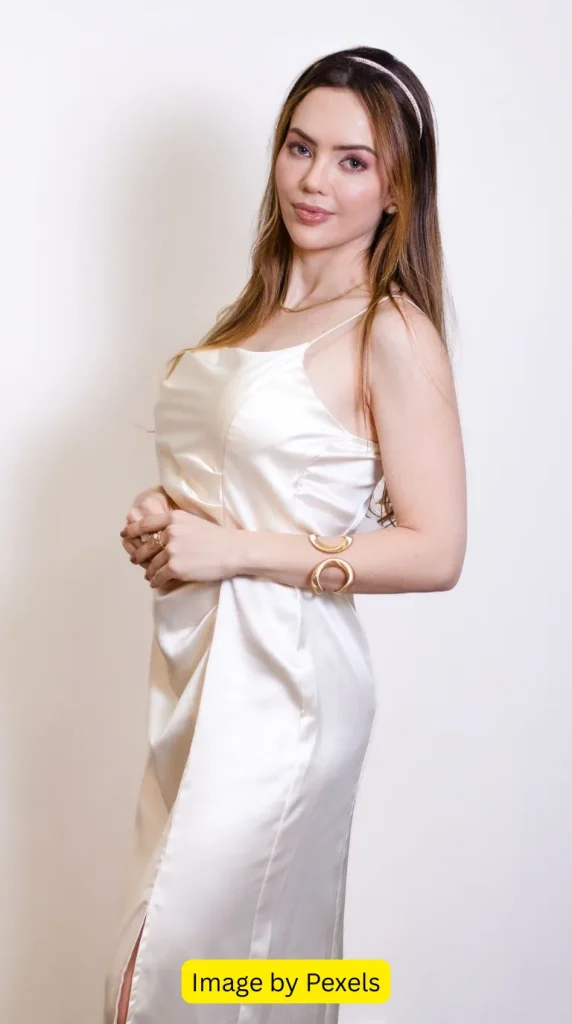
A minimalist satin gown can create a sophisticated modern look with very little decoration.
Look for a petite-length version when available, or have the hem professionally adjusted.
A clean neckline, narrow straps, and subtle draping can make the gown feel refined without overwhelming a smaller frame.
This is particularly appealing if your style leans toward minimalist or quiet-luxury fashion.
12. Romantic Floral Gown
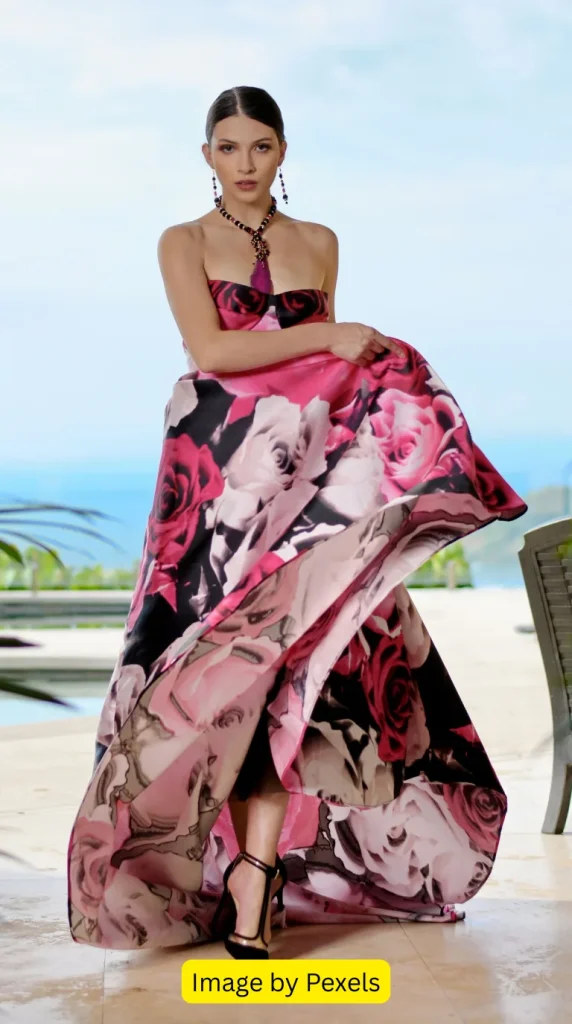
A floral gown can bring softness to a formal wedding outfit without looking casual.
For petite guests, consider smaller-scale prints, tonal embroidery, or strategically placed floral details.
Very large, high-contrast patterns can become the dominant feature of a smaller frame, so choose the scale according to the overall silhouette.
Let the floral detail remain the focal point by keeping the accessories simple.
13. Soft Champagne Gown
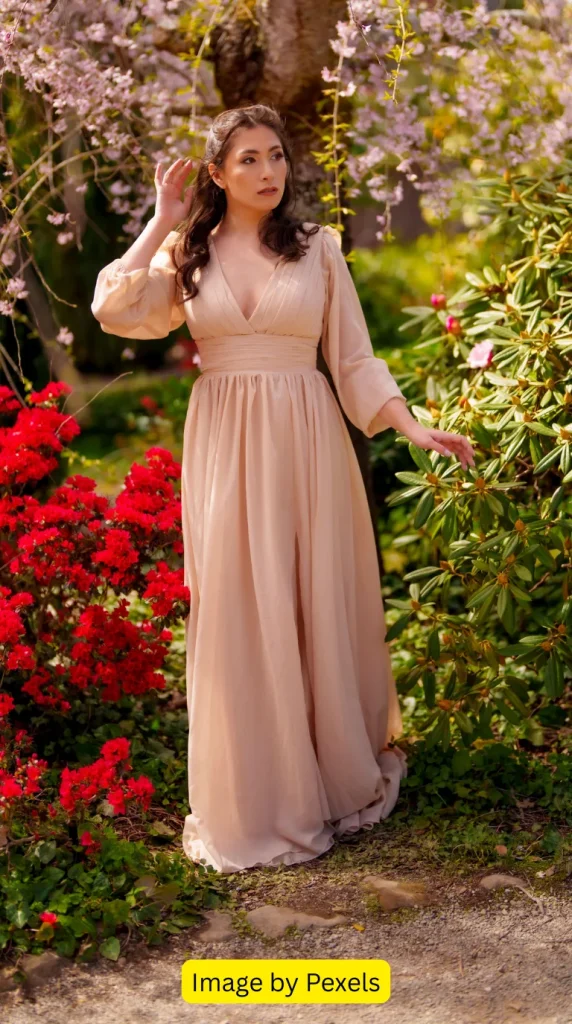
Champagne can create a sophisticated alternative to darker evening colors.
However, very pale shades should be approached carefully at weddings. If the couple asks guests to avoid white, ivory, champagne, or similar bridal-looking colors, follow that request.
When appropriate, a champagne satin or crepe gown can look elegant with metallic shoes and understated jewelry.
14. Elegant Cape Gown
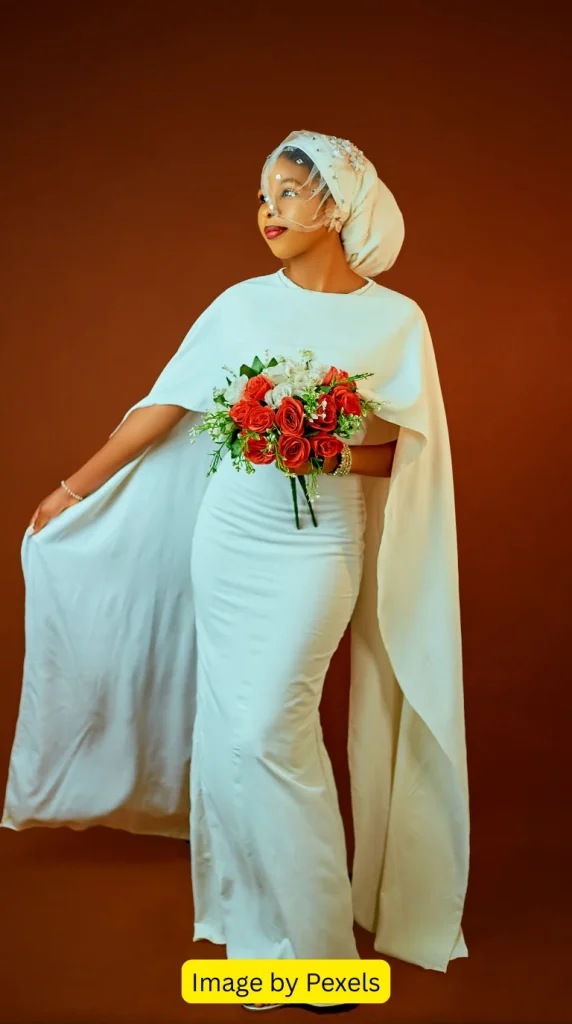
A cape gown provides drama without requiring a huge ball-gown skirt.
A streamlined gown with a lightweight cape can create movement from the shoulders toward the floor.
For petite guests, avoid capes with excessive weight or volume. A controlled cape that follows the lines of the gown is generally easier to balance.
15. Ruched Waist Gown
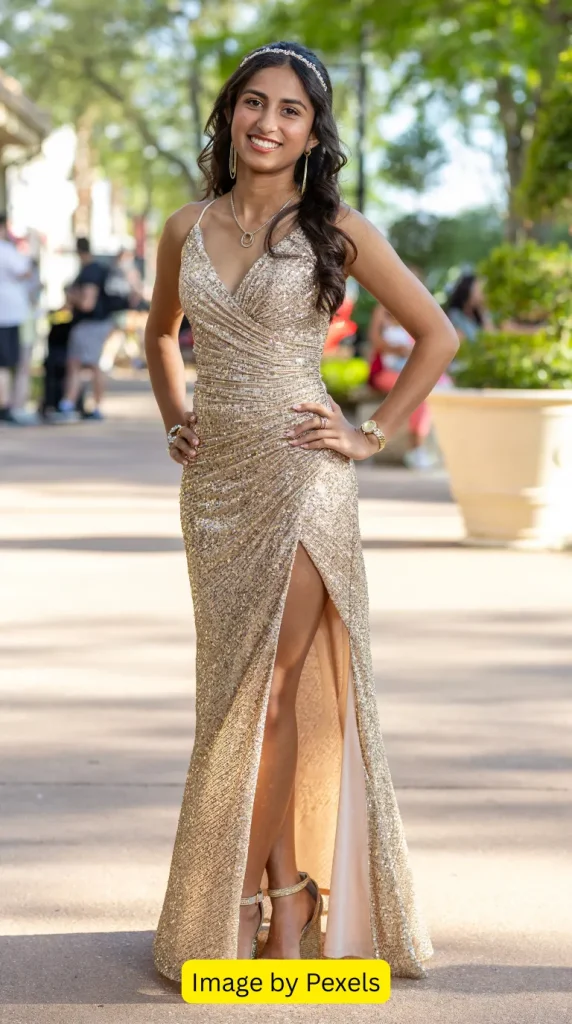
Ruching introduces texture while helping define the waist.
Strategically placed gathering can add visual interest without requiring sequins, beading, or other heavy decoration.
For petite proportions, diagonal or vertical ruching can create a cleaner effect than heavy horizontal gathering.
Pair it with simple accessories to keep the look polished.
16. Pleated Chiffon Gown
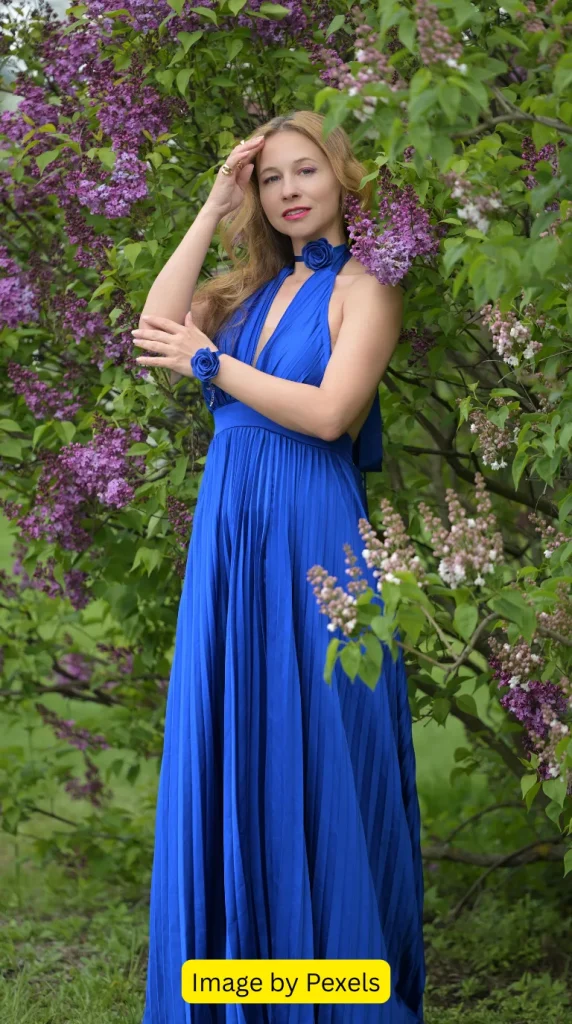
Pleated chiffon combines texture, movement, and lightweight construction.
Fine pleats can give a flowing skirt dimension without the bulk of multiple heavy layers.
A clearly defined waist can prevent the gown from appearing shapeless, while a floor-length hem maintains the formal appearance required for traditional black tie.
17. V-Neck Satin Gown
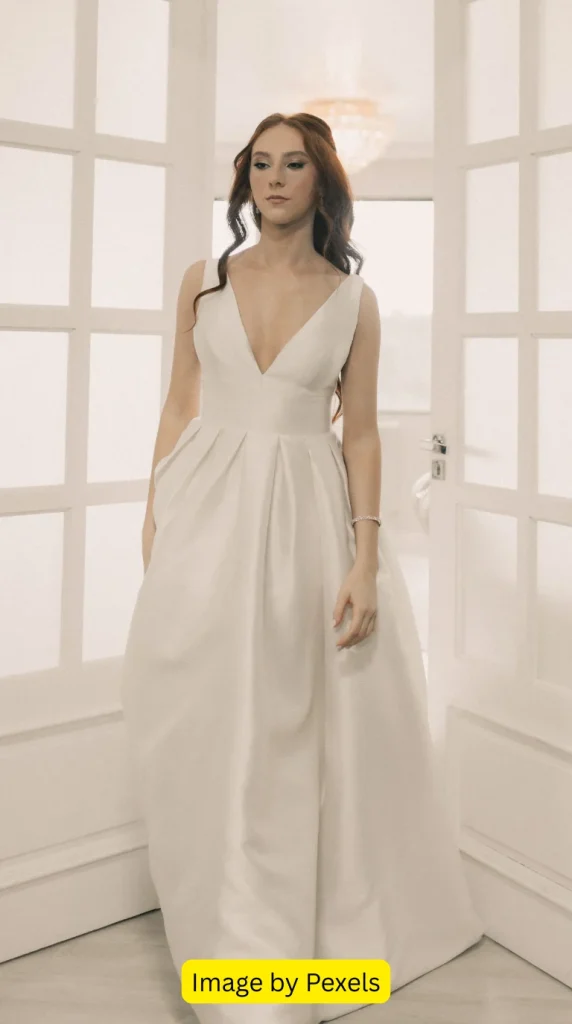
A V-neckline creates a vertical opening through the upper body.
When paired with a streamlined satin skirt, it can create an elegant evening silhouette without excessive ornamentation.
Choose a neckline depth that feels comfortable and appropriate for the wedding. If the V-neck is the main focal point, earrings can be more effective than a large necklace.
18. Sleek Mermaid Gown
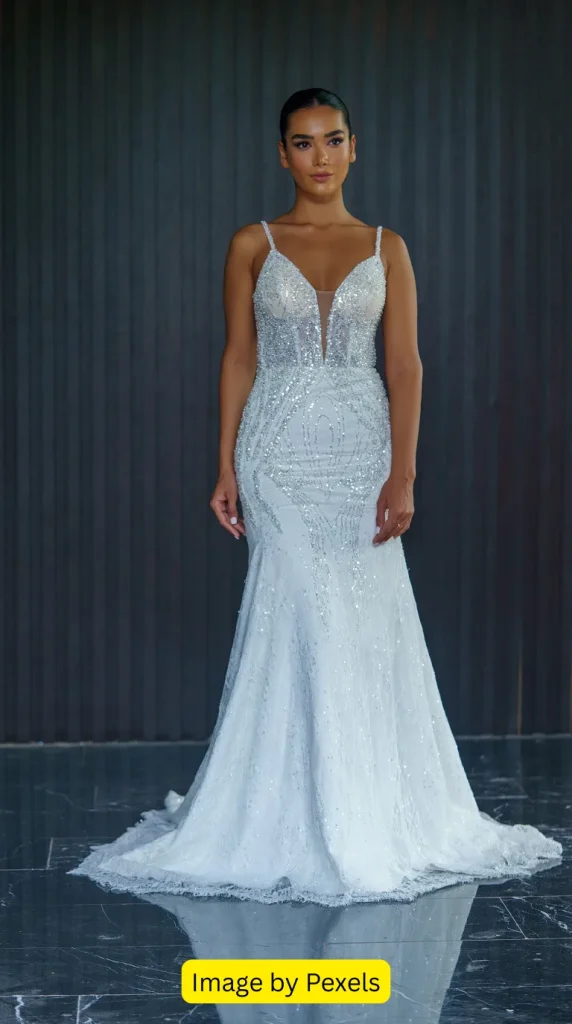
A mermaid gown follows the body before widening toward the lower skirt.
For petite guests, a moderate flare can provide the glamour of a mermaid silhouette without excessive volume.
Look for a gown where the flare begins at a proportionate point on the leg. Crepe and stretch satin can work particularly well for this shape.
19. Long-Sleeve Evening Gown
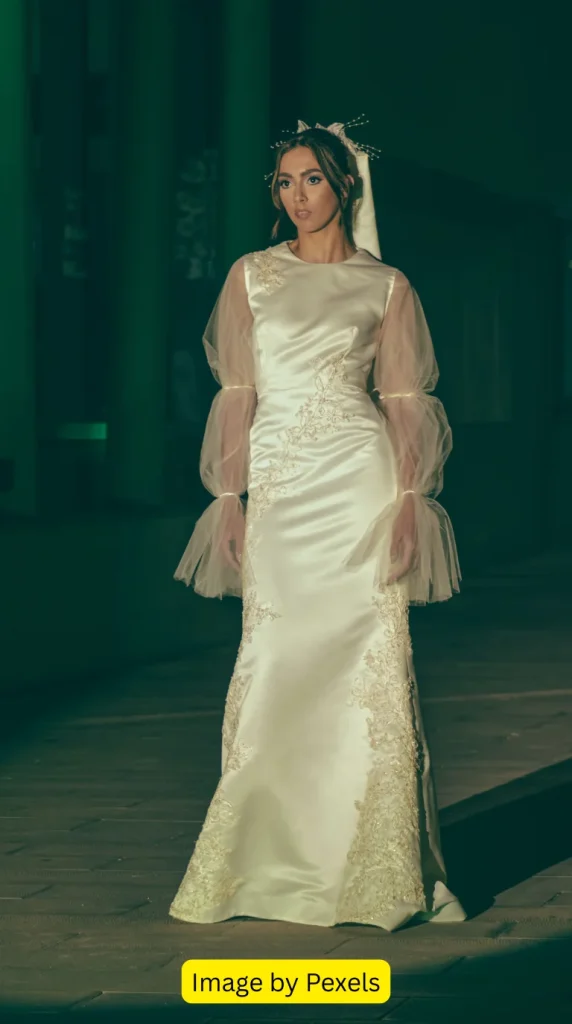
A long-sleeve gown is an elegant option for fall and winter weddings.
Crepe, velvet, and satin can all create sophisticated cold-weather looks.
For petite proportions, fitted or smoothly tailored sleeves can preserve the vertical line of the gown. Extremely oversized sleeves may visually dominate the outfit.
20. Monochromatic Black-Tie Look
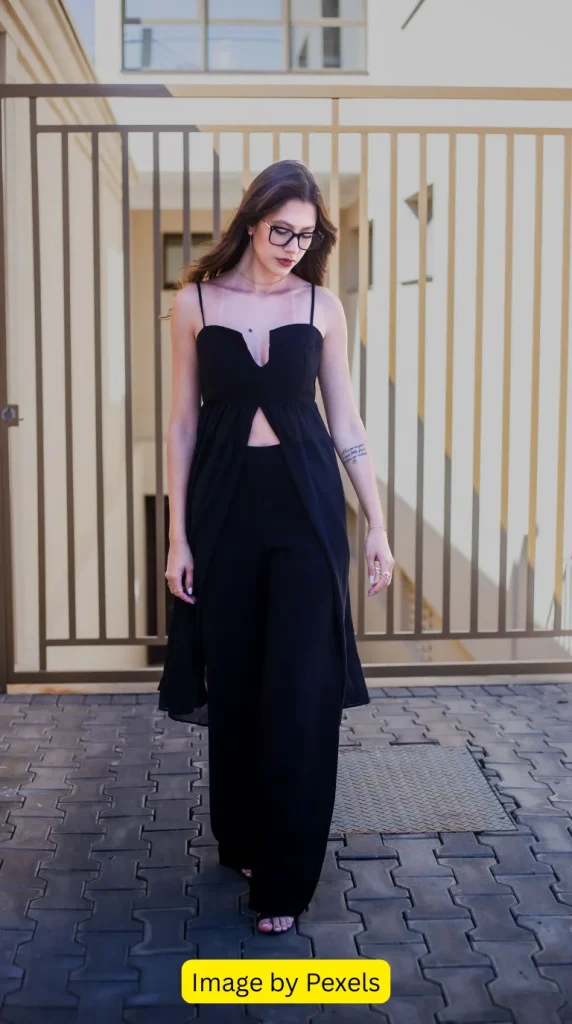
A monochromatic outfit keeps the color palette consistent from the gown through the accessories.
A black gown with black shoes and a black clutch creates a particularly streamlined effect, while navy, burgundy, or other deep colors can produce a similar result.
Use texture to create dimension. For example, a matte crepe gown can be paired with satin shoes or a velvet clutch.
21. Timeless Navy Gown
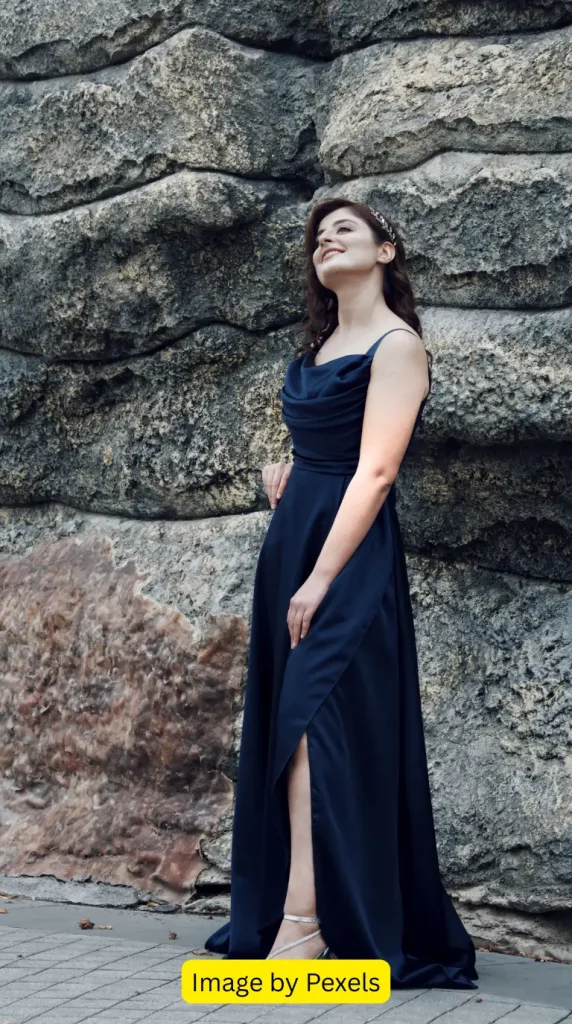
Navy provides the sophistication of a dark evening color while offering a softer alternative to black.
A navy column, A-line, or wrap gown can work beautifully for formal evening celebrations.
Silver jewelry, crystal details, or metallic shoes can add brightness without overwhelming the rich color.
Petite Dress Comparison
| Silhouette | Best Feature | What to Look For |
|---|---|---|
| A-line | Balanced, flowing shape | Controlled skirt volume |
| Column | Long visual line | Clean, streamlined construction |
| Sheath | Close-to-body shape | Fabric that skims rather than clings |
| Wrap | Flexible waist definition | Floor-length formal construction |
| Empire waist | Higher waist placement | Well-fitted bodice |
| One-shoulder | Upward focal point | Simple lower silhouette |
| Mermaid | Glamorous shape | Moderate flare |
| Cape gown | Dramatic movement | Lightweight, controlled cape |
The best choice depends on your proportions and personal style. The goal is not to make every petite guest wear the same silhouette, but to avoid unnecessary fabric and proportions that compete with your frame.
Best Fabrics for Petite Guests
Fabric affects both the appearance and movement of a formal gown.
Satin
Satin gives evening dresses a polished sheen and works particularly well with column, slip, and A-line silhouettes.
Crepe
Crepe creates clean lines and has enough structure for streamlined formal gowns.
Chiffon
Chiffon is lightweight and fluid, making it useful for A-line skirts, overlays, and softly draped gowns.
Velvet
Velvet provides visual depth and warmth, making it especially useful for fall and winter weddings.
Silk
Silk can provide an elegant drape and luxurious finish, particularly in simple evening silhouettes.
Lace
Lace adds texture and can be incorporated through sleeves, bodices, panels, or overlays without requiring a heavily embellished gown.
Colors That Work for Petite Black-Tie Looks
Petite guests do not need to restrict themselves to black.
Dark and jewel-toned colors can create sophisticated evening looks, while lighter colors and prints can also work when their scale and the wedding’s dress code are appropriate.
Consider:
- Black
- Midnight navy
- Emerald
- Burgundy
- Deep plum
- Sapphire
- Deep teal
- Muted rose
- Sophisticated metallics
- Appropriate neutral shades
If you’re considering white, ivory, champagne, or another very light color, check the invitation and consider whether the shade could look bridal in photographs.
How to Make a Floor-Length Gown Work
Being petite doesn’t mean you have to avoid floor-length dresses.
The key is proper proportion and tailoring.
Start by checking whether the retailer offers petite sizing. A petite version may have adjustments to more than just the hem, including bodice length, sleeve length, and overall proportions.
If you find a standard-size gown you love, professional tailoring can make a major difference.
Before having the hem altered:
- Put on the shoes you plan to wear.
- Stand naturally in the gown.
- Walk several steps.
- Sit down and stand up.
- Check whether the hem catches beneath your shoes.
- Make sure the gown still falls smoothly when you move.
Don’t feel that you need extremely high heels simply because the gown is too long. Alter the dress to suit the shoes you can comfortably wear throughout the event.
Shoes for Petite Formal Gowns
Shoes can complement a long gown without needing to be extremely high.
Consider:
- Pointed-toe pumps
- Slim metallic heels
- Tonal heels
- Elegant kitten heels
- Formal flats
- Minimal evening sandals
The most important consideration is the relationship between the shoe height and the gown’s hem.
If the dress is being altered, take the actual shoes with you so the tailor can determine the appropriate hem length.
A comfortable formal shoe is particularly valuable at weddings because you’ll likely spend several hours walking, standing, and dancing.
Accessories for Petite Frames
Accessories should complement the gown rather than compete with it.
If your dress has a dramatic neckline, statement earrings may work better than a large necklace.
If the gown is minimalist, introduce interest through one or two carefully selected pieces.
Good options include:
- Crystal earrings
- Pearl earrings
- A delicate bracelet
- A metallic clutch
- A slim evening wrap
- Refined hair accessories
An oversized everyday handbag can make a formal outfit feel less balanced, so a compact evening clutch is usually a better choice.
Petite Black-Tie Shopping Checklist
Before purchasing a gown, check these details:
- Does the shoulder seam sit correctly?
- Is the waist positioned appropriately?
- Does the bodice feel too long?
- Is the skirt volume proportionate?
- Are the sleeves the right length?
- Does the hem work with your formal shoes?
- Can you sit comfortably?
- Can you walk and dance naturally?
- Does the fabric drape the way you want?
- Can the dress be altered if necessary?
- Does the gown actually match the invitation’s dress code?
A dress that looks beautiful but restricts your movement may not be the best choice for a long wedding celebration.
Petite Black-Tie Dress Mistakes to Avoid
Petite guests don’t need a separate set of rigid fashion rules. However, some common fit problems are worth checking before committing to a gown.
Excess Fabric at the Hem
Too much fabric can hide your shoes, create folds, and make the gown appear heavier.
A Waist That Sits Too Low
A waistline designed for a longer torso can make the entire gown look disproportionate.
Excessive Skirt Volume
A dramatic ball gown can absolutely work on a petite frame, but excessive layers may overwhelm the rest of the outfit.
Oversized Sleeves
Very large sleeves can become the dominant element of a petite outfit. If you prefer statement sleeves, look for a design where the volume is controlled.
Too Many Accessories
A heavily embellished gown already provides visual interest. Adding an oversized necklace, dramatic earrings, large clutch, and elaborate hair accessories can make the outfit feel crowded.
Buying by Size Number Alone
A size label doesn’t tell you whether a gown’s proportions will work for your body.
Check the actual measurements and garment construction before ordering.
When Tailoring Is Worth It
Tailoring can transform the way a formal gown fits.
For petite guests, common alterations may include:
- Hem shortening
- Strap adjustment
- Sleeve shortening
- Waist adjustment
- Bodice alteration
- Bust-area adjustments
Not every gown can be altered extensively without affecting its construction, so ask a professional tailor about the dress before purchasing if significant changes are required.
Simple alterations can often make a standard gown look much more proportionate.
How to Choose Your Petite Black-Tie Dress
If you’re overwhelmed by the options, narrow your search with five questions.
1. What does the invitation require?
Start with the actual dress code rather than your height.
2. Which silhouette feels best?
Decide whether you prefer A-line, column, sheath, wrap, mermaid, or another shape.
3. Are the proportions correct?
Check the shoulders, bodice, waist, sleeves, and skirt—not just the hem.
4. Can it be tailored?
A beautiful gown that needs a simple alteration may be a better choice than a dress with fundamentally unsuitable proportions.
5. Can you comfortably wear it for several hours?
Walk, sit, raise your arms, and move around before making your final decision.
The right gown should look elegant while allowing you to enjoy the celebration.
Frequently Asked Questions
Can petite women wear floor-length dresses to a black-tie wedding?
Yes. Petite women can wear floor-length gowns beautifully. The key is choosing appropriate proportions and having the hem adjusted when necessary. A floor-length evening gown remains the safest traditional option for a black-tie wedding.
What is the best dress silhouette for a petite wedding guest?
There is no single best silhouette for every petite woman. A-line, column, sheath, and wrap gowns are useful starting points because they can create clean, balanced proportions without excessive volume.
Can a petite guest wear a cocktail dress to a black-tie wedding?
If the invitation specifically requests traditional black tie, a floor-length gown is the safest choice. Don’t choose a shorter dress simply because you are petite. If the invitation says formal or black-tie optional, there may be more flexibility.
Should petite women avoid ball gowns?
No. Petite women can wear ball gowns. The main consideration is proportion. Controlled skirt volume, an appropriately scaled bodice, and a well-positioned waist can help prevent the gown from overwhelming the frame.
Do petite women need high heels with a long gown?
No. The gown should be altered to work with the shoes you actually plan to wear. Kitten heels, comfortable formal pumps, or elegant flats can work when they suit the dress and event.
What colors work best for petite black-tie dresses?
Black, navy, emerald, burgundy, plum, sapphire, and deep teal are all sophisticated evening choices. Petite guests can also wear lighter colors and prints when appropriate for the wedding.
Is satin a good fabric for petite women?
Yes. Satin can work beautifully on petite frames, especially in streamlined silhouettes such as column, slip, and A-line gowns. Proper fit is particularly important because satin’s sheen can make fabric pulling more noticeable.
Is velvet too heavy for a petite frame?
Not necessarily. Velvet can look elegant on petite guests when the gown has a controlled silhouette. A streamlined velvet gown is generally easier to balance than one with excessive volume.
Can a petite guest wear a gown with a slit?
Yes. A tasteful slit can add movement and visual interest while maintaining a formal appearance. Keep the overall gown appropriate for the wedding’s dress code.
Final Thoughts
Choosing petite black tie wedding guest dresses is less about trying to look taller and more about creating balanced proportions.
Start with the dress code, then consider the silhouette, waist placement, fabric, neckline, sleeves, and hem. A column gown can create a streamlined appearance, while an A-line or wrap silhouette can provide definition and movement. Satin, velvet, chiffon, silk, and crepe can all elevate a formal look when the construction is right.
Don’t let your height discourage you from wearing the gown you love. Petite guests can wear dramatic floor-length dresses, rich colors, elegant necklines, and sophisticated evening details beautifully.
The most important factors are proper fit, intentional proportions, comfortable shoes, and thoughtful tailoring. When those elements come together, your black-tie wedding guest outfit can feel elegant, polished, comfortable, and completely your own.