
Receiving a wedding invitation with the words “Black Tie” can be exciting—but it also raises plenty of questions. Should you wear a floor-length gown? Is a midi dress acceptable? Can you wear black to a wedding? What fabrics and accessories are appropriate? And how do you look elegant without feeling overdressed?
If you’ve asked yourself any of these questions, you’re in the right place.
This comprehensive guide explains everything you need to know about dressing for a black tie wedding as a guest. Whether you’re attending a glamorous evening reception, a luxury hotel wedding, a formal ballroom celebration, or an upscale destination event, you’ll learn exactly how to choose a dress that fits the dress code while reflecting your personal style.
We’ll cover black tie etiquette, dress lengths, fabrics, colors, body shape recommendations, seasonal outfit ideas, accessories, common mistakes, shopping tips, and answers to the questions wedding guests ask most often.
By the time you finish reading, you’ll know exactly what to wear—and you’ll feel confident walking into any black tie wedding.
Quick Answer
A black tie wedding is one of the most formal wedding dress codes. Women should typically wear a floor-length evening gown or an elegant formal midi dress made from luxurious fabrics such as satin, silk, velvet, chiffon, or crepe. Complete the outfit with refined shoes, understated accessories, and polished styling. While the dress code is formal, you don’t have to wear black—rich jewel tones, metallics, and sophisticated seasonal colors are equally appropriate.
Key Takeaways
Before we dive deeper, here are the most important things to know:
- A floor-length gown is the safest and most traditional choice.
- Elegant midi dresses are often appropriate, especially for modern or black tie optional weddings.
- Luxurious fabrics matter just as much as dress length.
- Black is perfectly acceptable, but it isn’t required.
- Avoid white, ivory, and anything that could resemble bridal attire.
- Accessories should complement your outfit rather than overpower it.
- Always consider the venue, season, ceremony time, and wedding invitation when planning your look.
What You’ll Learn in This Guide
This guide covers every aspect of dressing for a black tie wedding, including:
- What a black tie dress code actually means
- Black Tie vs. Black Tie Optional
- Black Tie vs. Formal vs. Cocktail attire
- Choosing the right dress length and silhouette
- The best fabrics for formal weddings
- Colors that always look elegant
- How to dress for your body shape
- Seasonal outfit recommendations
- Shoes, jewelry, bags, and accessories
- Wedding guest etiquette (read detailed article)
- Common mistakes to avoid
- Shopping tips for every budget
- Frequently asked questions
Whether this is your first formal wedding or your tenth, you’ll find practical advice to help you choose an outfit you’ll feel confident wearing.
What Black Tie Means for Women
For women, a black-tie wedding dress code signals an elevated evening level of formality. The safest traditional choice is a floor-length evening gown or another polished, formal dress with refined fabric, an intentional silhouette, and dressy accessories.
Black tie does not mean you have to wear a black dress. Black, jewel tones, deep neutrals, rich seasonal shades, and other sophisticated colors can all work. What matters more is the overall level of formality than the color itself.
The Traditional Black Tie Formula
A reliable starting point is:
Formal dress + elegant shoes + refined accessories + polished grooming
A floor-length gown is the most traditional option, but the dress does not have to be heavily embellished or dramatic. A simple, well-tailored gown in satin, velvet, crepe, chiffon, or another refined fabric can look more appropriate than a heavily decorated dress with a less formal cut.
The details should work together. A sophisticated dress can lose its black-tie appearance when paired with very casual footwear, an oversized everyday handbag, or accessories that look more suited to daytime wear.
Does Black Tie Mean You Must Wear Black?
No. The word “black” describes the dress code, not the required color of the dress.
Black can be an easy and timeless choice, but it is not the only appropriate option. The formality of the fabric, construction, length, fit, styling, and accessories matters more than whether the dress itself is black.
What If the Invitation Says Black-Tie Optional?
Black-tie optional gives guests somewhat more flexibility than traditional black tie, but it does not make the event casual. A formal floor-length dress remains an excellent choice. Depending on the invitation, venue, and overall event setting, a particularly polished midi or other formal dress may also be appropriate.
When the wording leaves you uncertain, start with the more formal interpretation and then consider the venue, time of day, and wedding style before choosing a less traditional option.
A Simple Way to Check Your Outfit
Before the wedding, look at the complete outfit rather than judging the dress by itself.
Ask:
- Does the dress look intentionally formal?
- Is the fabric appropriate for an evening wedding?
- Does the fit look polished rather than overly casual?
- Do the shoes and handbag match the formality?
- Do the accessories complement the dress without overwhelming it?
- Can you comfortably sit, walk, and move in the outfit?
If the entire outfit looks cohesive, polished, and clearly more formal than typical cocktail or daytime wedding attire, you are much closer to the level of formality a black-tie invitation calls for.
What Is a Black Tie Wedding Guest Dress Code?
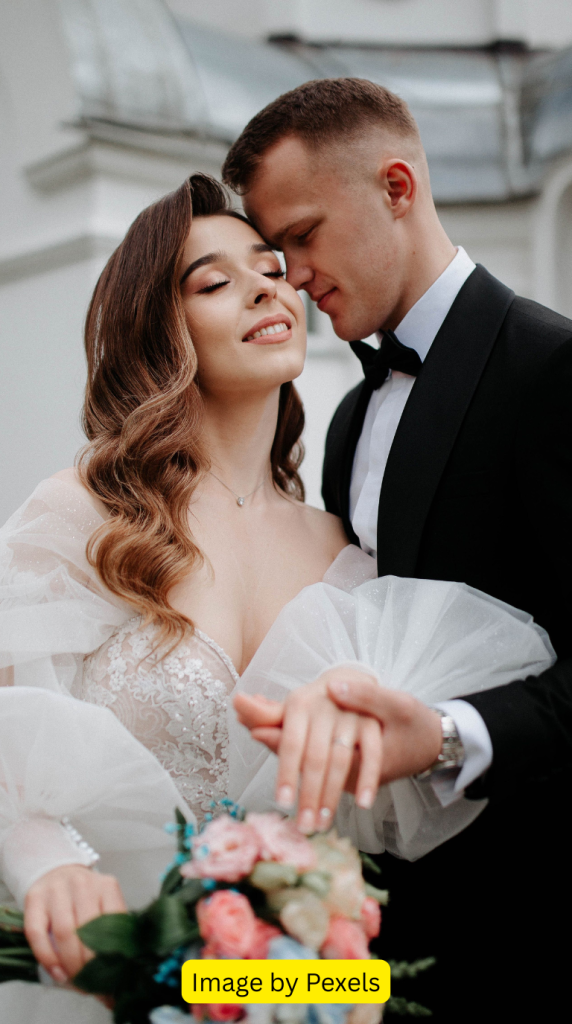
A black tie dress code tells guests that the wedding is expected to be elegant, formal, and sophisticated. It is one of the highest levels of wedding attire, sitting above cocktail attire and standard formal dress but below the very rare white tie dress code.
For women, this usually means wearing an evening gown or another refined formal dress made from elevated fabrics. The emphasis isn’t only on the length of the dress—it’s on the overall appearance. Every part of the outfit should feel polished and appropriate for a special occasion.
Black tie weddings are often held in venues such as:
- Luxury hotels
- Grand ballrooms
- Historic estates
- Country clubs
- Upscale resorts
- Formal evening venues
Because these settings naturally feel more elegant, the dress code encourages guests to match that atmosphere.
The goal isn’t to outshine the couple. Instead, it’s to respect the occasion by dressing in a way that reflects the event’s formality.
Why Couples Choose a Black Tie Dress Code
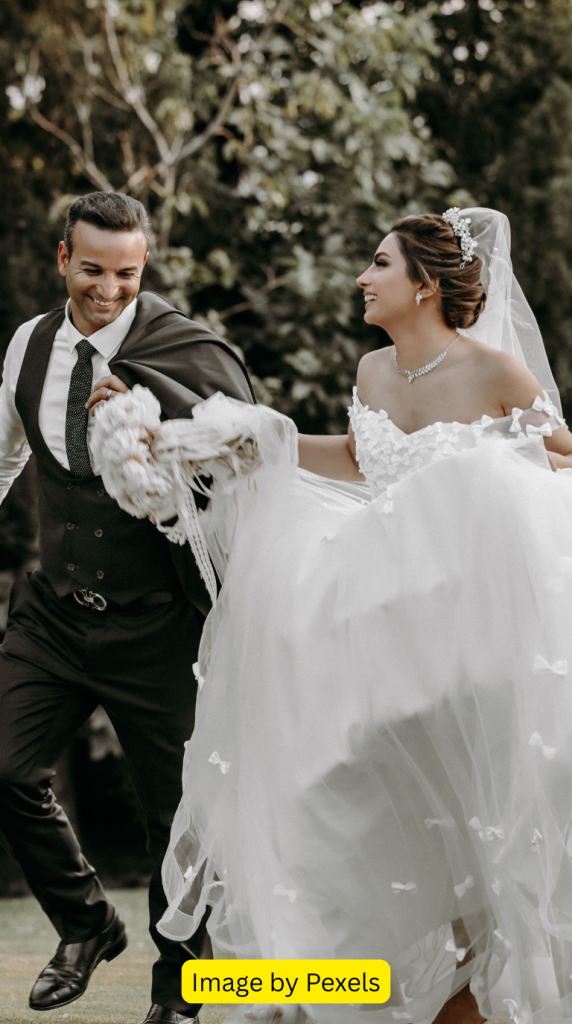
Couples often choose a black tie wedding because they want to create an unforgettable atmosphere.
Formal attire instantly elevates the celebration, making the ceremony and reception feel more luxurious and timeless. Guests arrive dressed in elegant gowns and tuxedos, creating beautiful photographs and a cohesive aesthetic throughout the event.
Black tie weddings are especially popular for:
- Evening weddings
- Luxury venues
- Winter celebrations
- Ballroom receptions
- Historic estates
- High-end destination weddings
Although the dress code sounds strict, it still leaves plenty of room for personal style through color, silhouette, accessories, and fabric choices.
Common Misconceptions About Black Tie
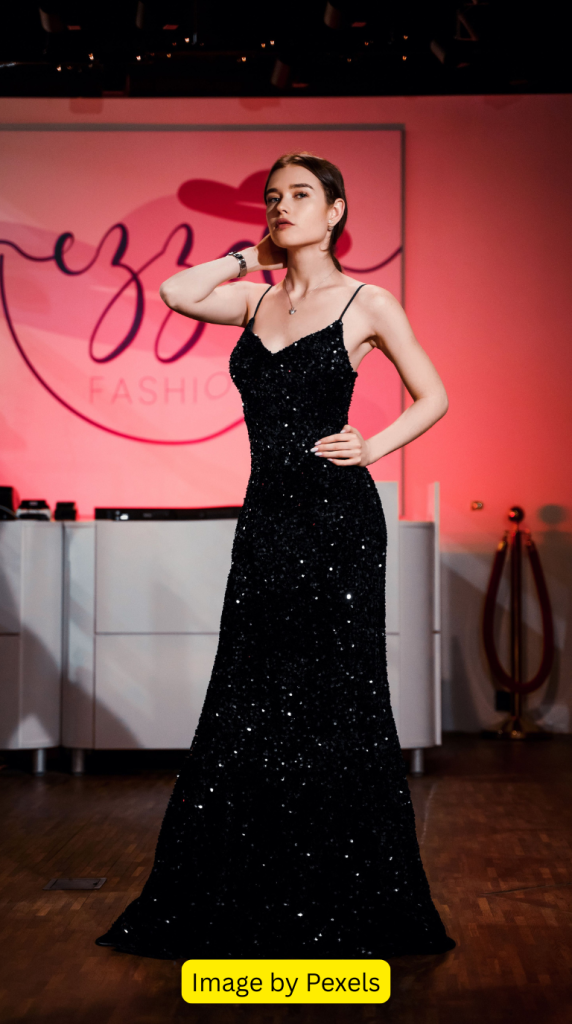
Many wedding guests worry because they’ve heard conflicting advice online. Fortunately, several common myths are easy to clear up.
Myth: You Have to Wear Black
Not at all.
The term black tie refers to the level of formality—not the color of your dress.
Elegant shades like emerald green, navy blue, burgundy, plum, chocolate brown, champagne, silver, and soft pastels can all be beautiful choices depending on the season and venue.
Myth: Only Floor-Length Dresses Are Allowed
A floor-length gown remains the traditional choice, but modern etiquette is more flexible than many people realize.
An elegant midi dress made from luxurious fabric can be perfectly appropriate for many black tie weddings, particularly when paired with sophisticated accessories and heels.
We’ll cover this in detail later in the guide.
Myth: Black Tie Means Expensive
One of the biggest misconceptions is that you must spend hundreds of dollars on a designer gown.
In reality, what matters most is choosing:
- Quality fabric
- Flattering fit
- Appropriate styling
- Elegant accessories
Many affordable dresses look far more expensive than their price tag when styled well.
Myth: More Sparkle Is Always Better
Formal doesn’t necessarily mean flashy.
A beautifully tailored satin gown with minimal jewelry often looks far more sophisticated than an outfit overloaded with sequins, oversized accessories, and bold embellishments.
The most elegant wedding guests usually focus on balance rather than excess.
How to Tell How Formal Your Wedding Guest Dress Should Be
When you’re unsure how formal your wedding guest dress should be, start with the dress code on the invitation. The venue, time of day, season, and overall atmosphere can help refine your choice, but they should not override clear instructions from the couple.
A simple way to think about wedding dress codes is:
Casual → Semi-Formal → Cocktail → Formal → Black Tie Optional → Black Tie
As you move along this scale, the expected level of polish generally increases. Dress length, fabric, shoes, accessories, and the overall finish all contribute to how formal an outfit looks.
Start With the Invitation
Look first for wording such as:
- Casual
- Semi-formal
- Cocktail
- Formal
- Black Tie Optional
- Black Tie
If the invitation does not specify a dress code, check the wedding website for additional guidance. The venue and start time can then provide useful context.
For example, a daytime garden celebration may call for a different interpretation than an evening reception in a formal ballroom. However, a stated black-tie dress code remains the most important instruction even when the wedding takes place in an unusual setting.
Consider the Complete Outfit
Do not judge formality by dress length alone.
A sophisticated midi in satin or crepe can look more polished than a casual floor-length dress. Similarly, an elegant gown can lose some of its formal appearance when paired with very casual shoes or an everyday handbag.
Consider these elements together:
- Dress: silhouette, length, fit, and construction
- Fabric: satin, silk, velvet, chiffon, crepe, and other elevated materials can create a more formal appearance
- Shoes: polished heels or elegant formal footwear
- Bag: a small clutch or evening bag
- Jewelry: intentional pieces that complement the dress
- Overall finish: hair, makeup, and styling should feel appropriate for the occasion
Let the Setting Refine Your Choice
The venue can help you decide between two outfits that otherwise seem appropriate.
A ballroom or upscale hotel reception may support more traditional eveningwear. A garden, beach, or destination wedding may require lighter fabrics and more practical footwear while still respecting the requested dress code.
The same principle applies to the time of day. Daytime celebrations often allow lighter colors, softer fabrics, and more relaxed silhouettes, while evening weddings generally support richer fabrics and a more polished finish.
These are supporting clues, not replacements for the dress code.
If You’re Choosing Between Two Dresses
When two dresses both appear appropriate, compare them using this simple checklist:
- Which dress better matches the stated dress code?
- Which has the more appropriate fabric and construction?
- Which works better for the venue and time?
- Which can be styled with suitable shoes and accessories?
- Which complete outfit looks polished without appearing unnecessarily casual?
If the invitation specifies traditional black tie and you are still uncertain, a floor-length evening gown is generally the less ambiguous choice.
When the Dress Code Is Unclear
If the invitation provides little guidance, check the wedding website and consider the venue and timing. If you still cannot determine the expected level of formality, asking the couple or wedding party is better than guessing.
The goal is not simply to find the longest or most expensive dress. It is to create a complete outfit that respects the requested level of formality while remaining appropriate for the setting.
Quick rule: invitation first, setting second, complete outfit third.
Black Tie vs. Black Tie Optional: What’s the Difference?
One of the biggest reasons wedding guests feel unsure about what to wear is the wording on the invitation. While Black Tie and Black Tie Optional sound similar, they don’t mean exactly the same thing.
Understanding the difference helps you choose an outfit that feels appropriate without worrying about being overdressed or underdressed.
Quick Comparison
| Dress Code | Expected Attire for Women | Flexibility |
|---|---|---|
| Black Tie | Floor-length evening gown is the traditional choice | Low |
| Black Tie Optional | Floor-length gown, elegant formal midi dress, or sophisticated evening dress | Moderate |
Although both dress codes are formal, Black Tie Optional gives guests a little more freedom while still encouraging elegant evening wear.
What Does Black Tie Optional Mean?
Black tie optional gives guests more flexibility than traditional black tie.
It generally means that formal black tie attire is encouraged, but guests may have additional acceptable choices.
For women, this could include:
- A floor-length evening gown
- A sophisticated midi dress
- A highly polished formal jumpsuit
- An elegant evening separates combination
- A refined cocktail-style dress, depending on the event
However, “optional” doesn’t mean casual.
The outfit should still look elevated and appropriate for a formal celebration.
When deciding between a gown and a slightly less formal option, consider the venue and the rest of the invitation. A luxury ballroom wedding may encourage a more traditional interpretation, while a modern destination celebration may allow greater flexibility.
How to Decide Which Dress to Wear
If you’re still unsure, look beyond the dress code itself.
Ask yourself these questions:
What time is the ceremony?
An evening wedding is usually more formal than an afternoon celebration.
If the ceremony begins after 5 PM, lean toward a floor-length gown whenever possible.
Where is the wedding?
Venue matters.
A ballroom, luxury hotel, historic mansion, or country club naturally calls for a more elegant outfit than a garden or beach venue.
The more luxurious the location, the more formal your dress should be.
How formal is the invitation?
Small details provide useful clues.
Premium cardstock, calligraphy, formal wording, and a luxury venue often indicate that the couple expects guests to embrace the black tie dress code fully.
When a Midi Dress Is Appropriate
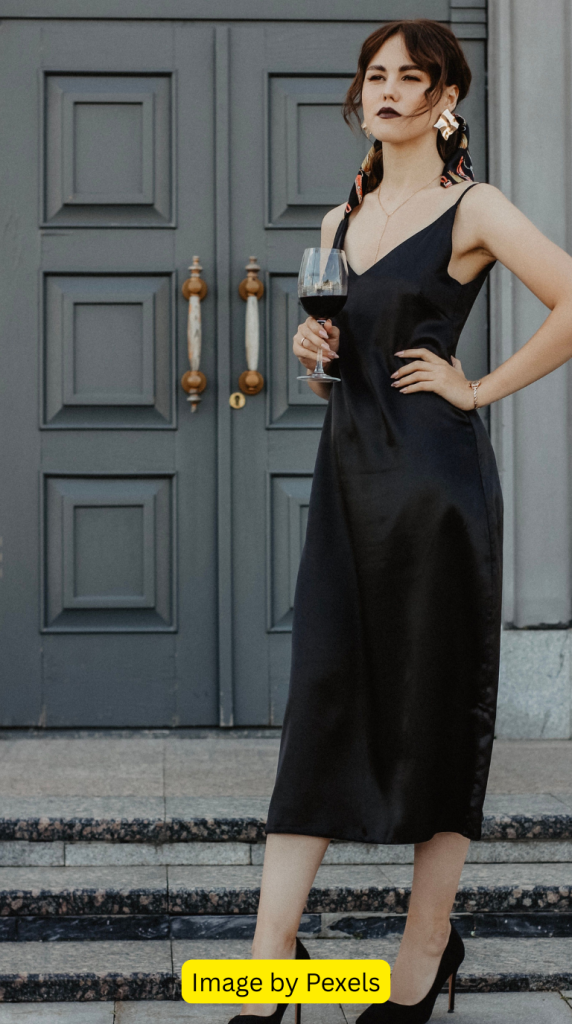
Many guests ask whether a midi dress is acceptable.
The answer is yes—sometimes.
A formal midi dress works well when:
- The invitation says Black Tie Optional
- The wedding is held during the daytime
- The venue has a modern or contemporary atmosphere
- The dress is made from luxurious fabric
- Accessories elevate the overall look
Read our detail article on Can You Wear a Midi Dress to a Black Tie Wedding? What to Know
Expert Styling Tip
When you’re uncertain, dress one level more formal than you think you need.
Most guests worry about being overdressed, but at black tie weddings, being slightly more elegant rarely feels out of place. Being underdressed, on the other hand, can leave you feeling uncomfortable throughout the event.
Common Mistakes
Avoid these frequent black tie optional mistakes:
- Wearing a casual cocktail dress
- Choosing cotton or linen fabrics
- Wearing everyday handbags
- Pairing a formal dress with casual shoes
- Assuming “optional” means casual
Remember, optional refers to flexibility—not informality.
Black Tie vs. Formal
How Black Tie Differs From Formal Attire
Black tie and formal wedding attire are both polished dress codes, but black tie sets a more traditional and elevated expectation. For women, a floor-length evening gown remains the safest choice when an invitation specifically says Black Tie.
Formal attire gives you more flexibility. Depending on the invitation, venue, and time of day, an elegant midi, refined evening dress, or floor-length gown may all work.
Dress length is only one part of the decision. Fabric, tailoring, styling, shoes, and accessories also affect how formal an outfit appears. A casual maxi dress is not automatically more formal than a well-tailored midi, while a simple floor-length gown can look highly sophisticated without heavy embellishment.
When You Are Choosing Between Two Dresses
Start with the wording on the invitation. If it says Black Tie, lean toward the more traditional and elevated option. If it says Formal, you generally have more freedom to choose between a sophisticated midi and a floor-length dress.
Then consider:
- Venue: A ballroom or luxury hotel may call for a more traditional interpretation.
- Time: Evening celebrations generally support more formal styling.
- Complete outfit: Shoes, jewelry, handbag, and other finishing details should match the dress’s level of formality.
- Comfort: Choose an outfit you can comfortably sit, walk, and enjoy the celebration in for several hours.
The venue and time can help you interpret a dress code, but they should not override the wording on the invitation.
Black Tie vs Cocktail Attire
Cocktail attire is polished and dressy, but it is generally less formal than traditional black tie. A cocktail wedding commonly allows sophisticated knee-length or midi dresses, while black tie traditionally favors a floor-length evening gown.
The distinction is not based on length alone. Fabric, tailoring, silhouette, footwear, accessories, and the overall finish of the outfit all affect how formal it appears. A beautifully tailored midi in a refined evening fabric can look more formal than a casual floor-length dress.
If the invitation says Black Tie, a floor-length gown remains the safest traditional choice. If it says Cocktail Attire, you have more freedom to choose a polished midi, knee-length dress, or another refined shorter silhouette.
When the wording is clear, follow the stated dress code first. Use the venue, time of day, season, and styling details to refine your outfit rather than replacing the dress code with assumptions.
Cocktail Attire
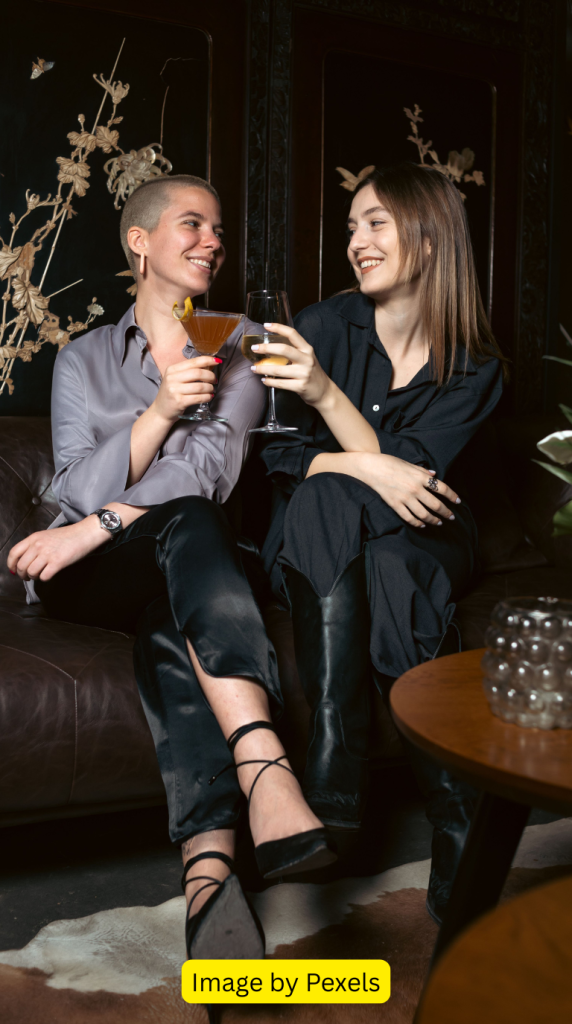
Cocktail attire is dressy but less formal than black tie.
Formal Attire
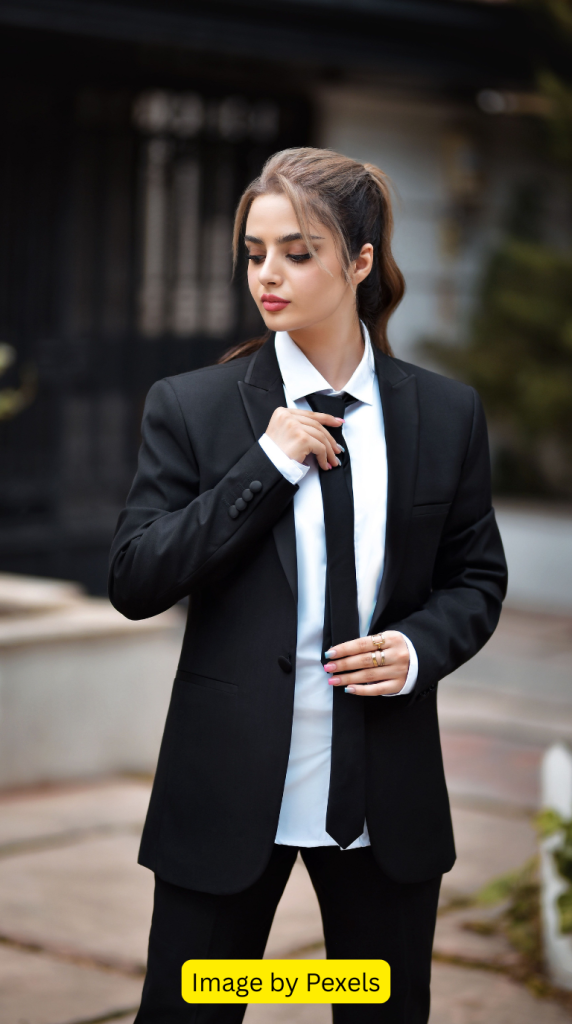
Formal attire sits between cocktail and black tie.
Guests usually wear:
- Elegant midi dresses
- Floor-length gowns
- Sophisticated evening dresses
The fabrics remain luxurious, but the styling is slightly less strict than black tie.
Black Tie
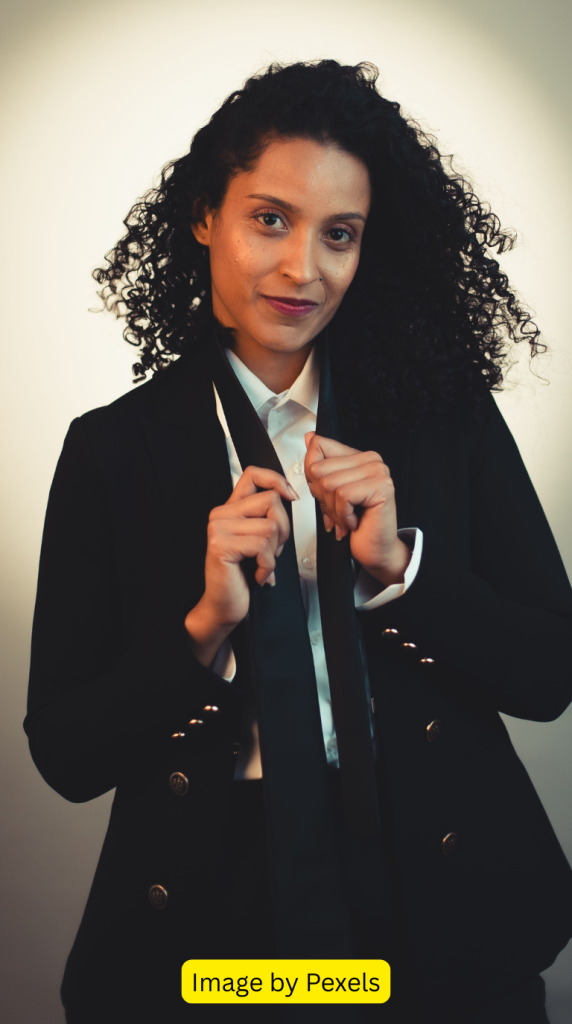
Black tie represents one of the highest levels of wedding guest attire.
Everything should feel intentional.
Instead of asking,
“Is this dress pretty?”
Ask yourself,
“Would this look at home in a luxury hotel ballroom?”
If the answer is yes, you’re probably making the right choice.
Which Dress Code Is Most Common?
Today, many couples choose Black Tie Optional because it balances elegance with flexibility.
Traditional luxury weddings often remain strictly black tie, while cocktail attire is increasingly common for relaxed celebrations.
Understanding the invitation helps ensure your outfit matches the atmosphere the couple has carefully planned.
Key Takeaways
- Black Tie is the most formal of the three and traditionally calls for a floor-length evening gown.
- Black Tie Optional offers more flexibility but still requires elegant, formal attire.
- Formal sits between cocktail and black tie, allowing both midi and floor-length dresses.
- Cocktail is dressy but noticeably less formal than black tie.
- When in doubt, choose the more elegant option—you’ll rarely regret it at a formal wedding.
Can You Wear a Midi Dress to a Black Tie Wedding?
One of the most common questions wedding guests ask is whether a midi dress is appropriate for a black tie wedding. The short answer is yes—but only when the dress is formal enough.
Read our detail article on Can You Wear a Midi Dress to a Black Tie Wedding? What to Know
When You Should Choose a Floor-Length Gown Instead
Although midi dresses have become more acceptable, there are situations where a full-length gown remains the better option.
Choose a floor-length gown if:
- The invitation specifically states Black Tie
- The wedding is held in the evening
- The venue is a ballroom, luxury hotel, or historic estate
- The couple has planned a highly formal celebration
- You’re unsure about the expected level of formality
A floor-length gown removes almost all uncertainty and remains the safest choice for traditional black tie weddings.
What Makes a Midi Dress Look Formal?
Not every midi dress belongs at a black tie wedding.
A dress that works for brunch or a cocktail party won’t automatically suit a formal evening event.
Instead, look for dresses with features such as:
- Satin or silk fabrics
- Elegant crepe
- Chiffon overlays
- Structured bodices
- Beautiful draping
- Minimal yet refined embellishments
- Tailored silhouettes
Simple, high-quality construction often looks more luxurious than excessive decoration.
Midi Dresses to Avoid
Some midi dresses immediately feel too casual for black tie events.
Avoid styles made from:
- Cotton
- Linen
- Jersey knit
- Casual ribbed fabrics
- Denim
- Lightweight everyday materials
Also avoid dresses with:
- Casual floral prints
- T-shirt silhouettes
- Oversized ruffles
- Everyday wrap-dress styling
- Beach-inspired designs
Even an expensive dress can appear too casual if the fabric doesn’t suit a formal occasion.
How to Style a Midi Dress for Black Tie
Accessories play a major role in making a midi dress feel appropriately formal.
Pair your dress with:
- Elegant heels
- A structured evening clutch
- Refined jewelry
- Polished hair styling
- Sophisticated evening makeup
These finishing touches elevate the entire outfit and help a midi dress meet the expectations of a black tie event.
Quick Checklist
A midi dress is usually appropriate if you can answer yes to most of these questions:
✅ Is it made from a luxurious fabric?
✅ Does it have elegant tailoring?
✅ Would it look appropriate in a luxury ballroom?
✅ Are your shoes and accessories formal?
✅ Does the overall outfit feel sophisticated rather than trendy?
If the answer is yes, your midi dress will likely fit the occasion beautifully.
Can You Wear Black to a Wedding?
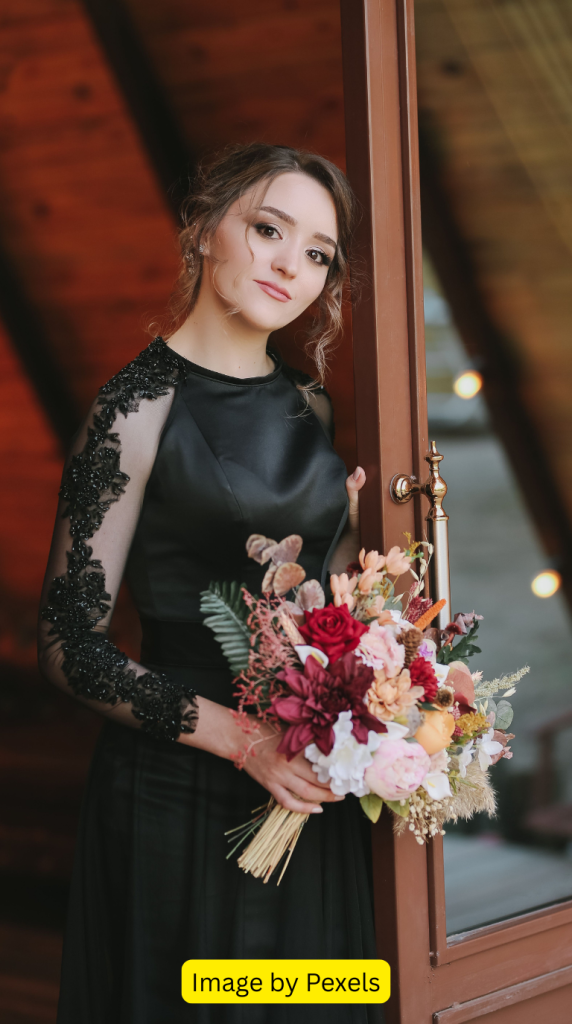
For years, many wedding guests believed wearing black to a wedding was inappropriate. Today, that advice is largely outdated.
In fact, black is one of the most elegant and popular colors for black tie weddings.
The only reason the dress code is called black tie is because of the traditional black tuxedo worn by men—it has nothing to do with the color women are expected to wear.
Is Black Appropriate?
Absolutely.
A black evening gown is timeless, sophisticated, and suitable for almost every black tie wedding.
Many guests intentionally choose black because it:
- Looks elegant in photographs
- Works across every season
- Flatters every body type
- Matches almost any accessory
- Never goes out of style
A beautifully tailored black gown can be one of the most polished outfits in the room.
When You Might Choose Another Color
Although black is always a safe choice, there are situations where another color may feel even more appropriate.
Many guests prefer softer shades for:
- Spring weddings
- Garden ceremonies
- Beach weddings
- Daytime celebrations
Rich jewel tones often feel especially elegant for evening receptions, while lighter shades can suit outdoor celebrations beautifully.
Colors That Always Work
If you don’t want to wear black, these colors are excellent alternatives:
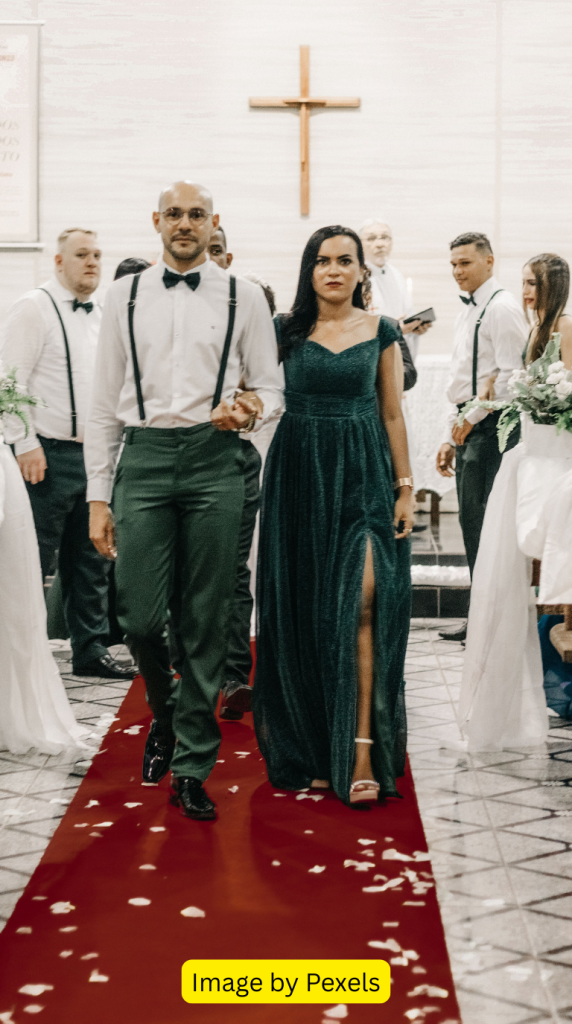
- Emerald green
- Midnight navy
- Burgundy
- Plum
- Chocolate brown
- Forest green
- Sapphire blue
- Champagne gold
- Silver
- Dusty rose
- Sage green
These shades photograph beautifully and complement the formal atmosphere of black tie weddings.
Colors to Avoid
Some colors remain best avoided regardless of current fashion trends.
These include:
- White
- Ivory
- Cream
- Dresses that closely resemble bridal gowns
- Neon shades
- Extremely bright fluorescent colors
The goal is to celebrate the couple—not compete with them.
Does Black Look Too Serious?
Not at all.
Many guests worry that black feels too somber for a wedding, but styling makes all the difference.
You can soften a black gown with:
- Gold jewelry
- Pearl accessories
- Metallic heels
- Colorful clutch bags
- Elegant hairstyles
- Fresh makeup
These details create a celebratory look while preserving the timeless elegance of black.
Expert Tip
If you’re attending your first black tie wedding and feel unsure about color, choose a black gown in a luxurious fabric like satin, velvet, silk, or crepe.
It’s one of the safest and most sophisticated choices you can make, and you’ll rarely feel out of place.
Key Takeaways
- A midi dress can absolutely work for many black tie weddings when it’s made from luxurious fabrics and styled elegantly.
- Traditional evening black tie events still favor floor-length gowns.
- Black is completely appropriate for wedding guests and remains one of the most timeless choices.
- Fabric, tailoring, and accessories matter just as much as dress length or color.
- When you’re unsure, choose the more formal option—you’ll almost never regret it.
How to Choose the Perfect Black Tie Wedding Guest Dress
Finding the perfect black tie wedding guest dress isn’t about following every fashion trend—it’s about choosing a style that feels elegant, fits comfortably, flatters your body shape, and suits the occasion.
While the dress code sets the overall level of formality, your personal style should still shine through. The right silhouette, neckline, sleeve style, and fabric can make you feel confident from the ceremony to the last dance.
If you’re unsure where to begin, start with the silhouette. It’s the foundation of every formal outfit.
Best Dress Silhouettes for Black Tie Weddings
The silhouette determines how a dress fits and flows over your body. Some styles create dramatic elegance, while others offer timeless simplicity or maximum comfort.
Here are the silhouettes that consistently work for black tie weddings.
A-Line Gown
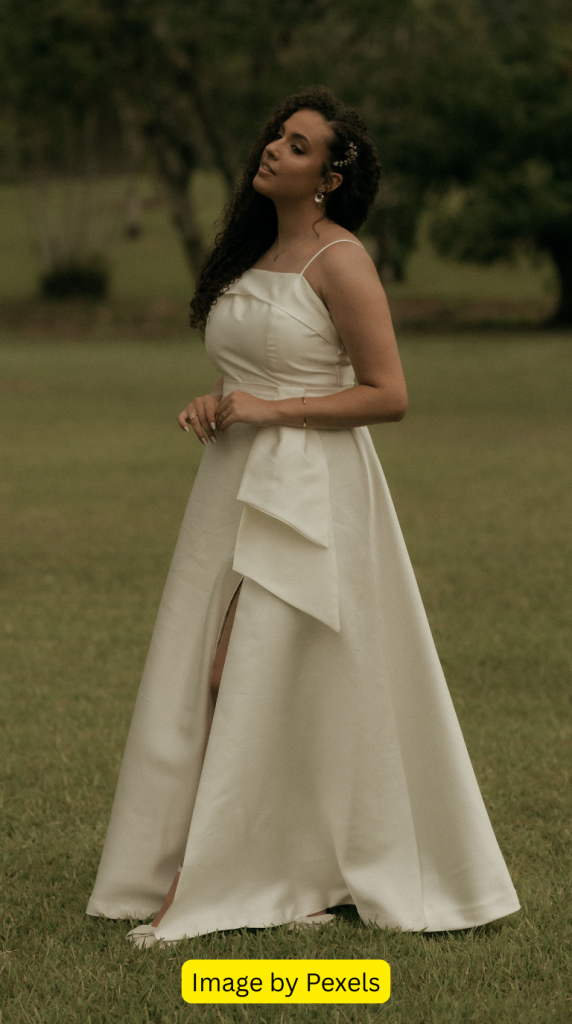
An A-line dress is one of the safest and most universally flattering options.
It gently hugs the bodice before gradually flowing away from the waist, creating a balanced shape that works beautifully on almost every body type.
Best For
- Pear shapes
- Hourglass figures
- Apple shapes
- Petite women
- First-time formal dress shoppers
Why It Works
- Comfortable to wear
- Easy to walk and dance in
- Creates a defined waist
- Never feels overly dramatic
- Timeless and elegant
If you’re buying only one formal dress, an A-line silhouette is difficult to beat.
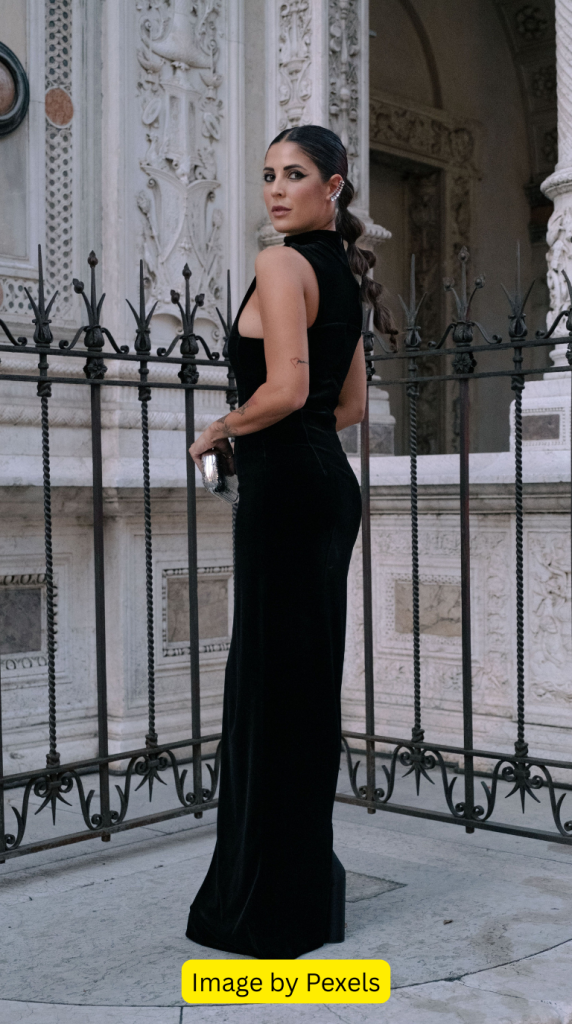
Column Dress
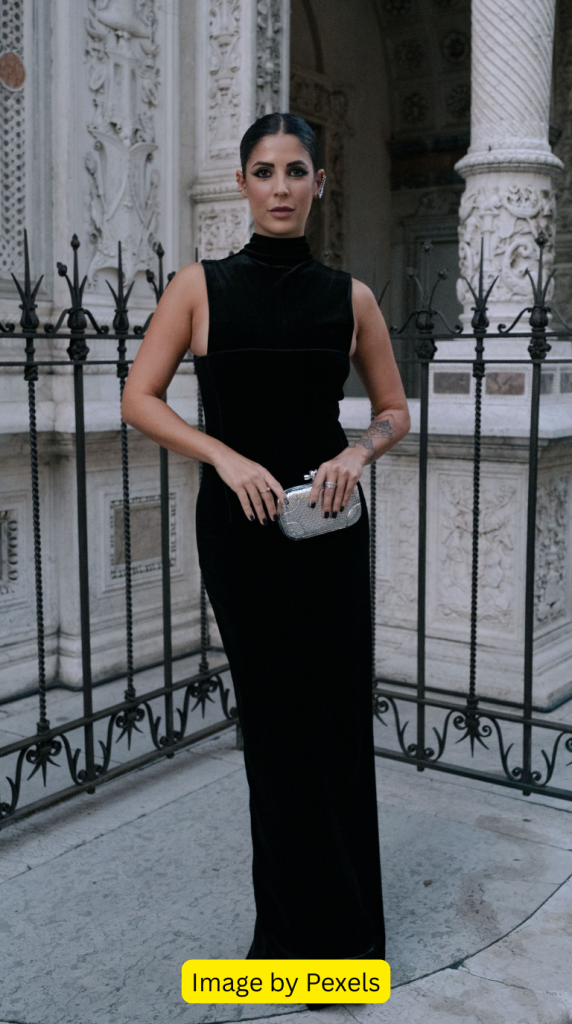
A column dress falls almost straight from the shoulders to the floor with very little flare.
Instead of creating volume, it emphasizes clean lines and understated elegance.
Best For
- Tall women
- Athletic body shapes
- Rectangle figures
- Minimalist style lovers
Why It Works
- Creates a sleek appearance
- Looks incredibly sophisticated
- Photographs beautifully
- Never goes out of style
Column dresses pair particularly well with satin and crepe fabrics.
Mermaid Gown
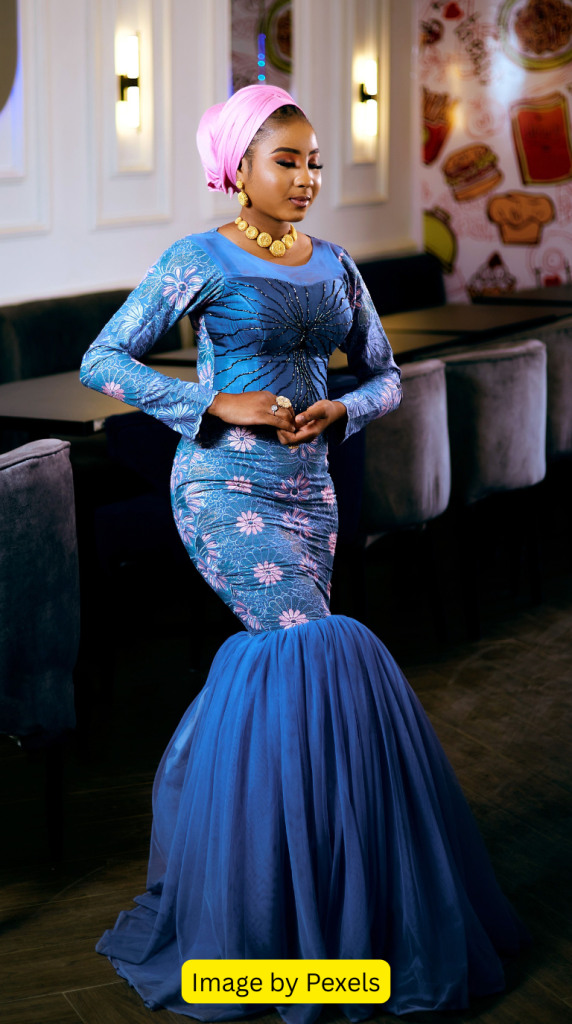
A mermaid dress is fitted through the bodice, waist, and hips before flaring dramatically below the knees.
It’s one of the most glamorous silhouettes for formal evening events.
Best For
- Hourglass figures
- Curvy body types
- Women who enjoy statement fashion
Things to Consider
Although stunning, mermaid gowns can restrict movement slightly compared to other silhouettes.
If you’ll be dancing for hours, make sure the dress allows comfortable movement before purchasing.
Ball Gown
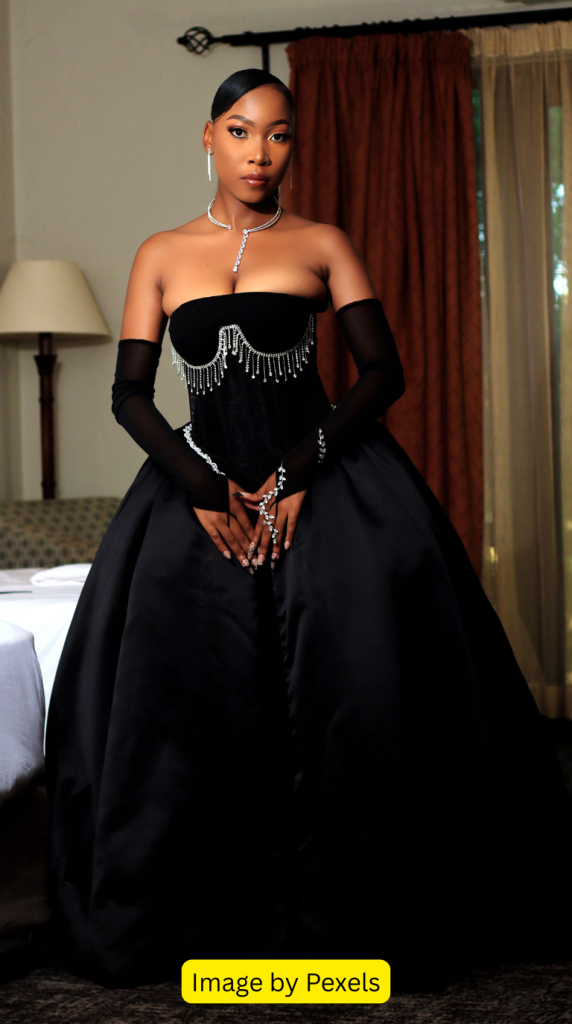
Nothing feels more traditionally formal than a classic ball gown.
With its fitted bodice and dramatic full skirt, this silhouette creates a truly unforgettable entrance.
Best For
- Luxury ballroom weddings
- Historic venues
- Winter black tie weddings
- Grand evening receptions
Why People Love It
- Creates dramatic elegance
- Defines the waist beautifully
- Feels timeless
- Perfect for fairy-tale venues
Although less common today than sleek silhouettes, ball gowns remain entirely appropriate for the most formal weddings.
Slip Dress
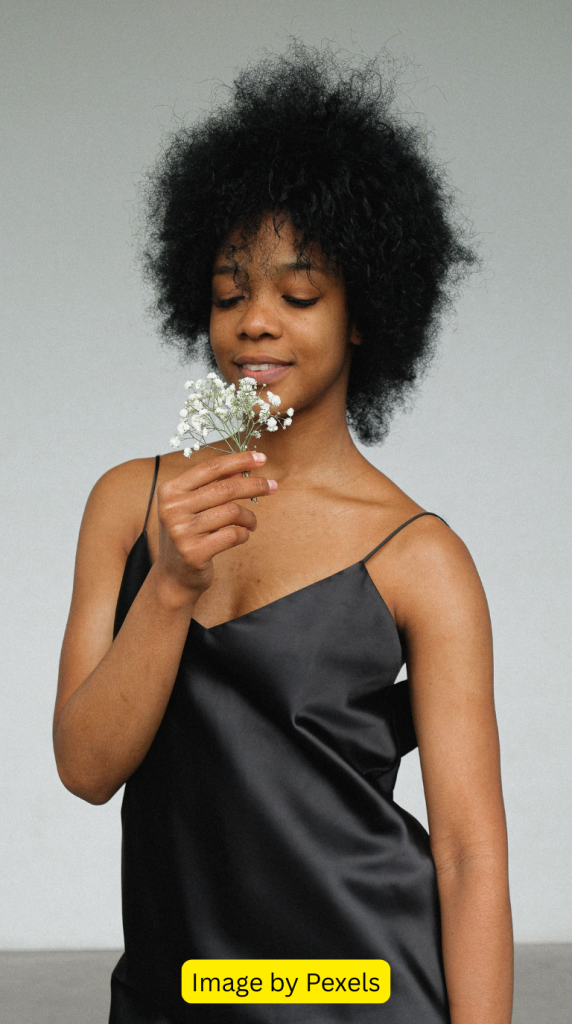
The satin slip dress has become one of the defining formal trends of recent years.
Its clean silhouette proves that simplicity can be just as elegant as elaborate embellishment.
Best For
- Modern weddings
- Luxury city venues
- Summer celebrations
- Minimalist wardrobes
Styling Tips
Elevate a slip dress with:
- Statement earrings
- Metallic heels
- Elegant clutch
- Soft evening hairstyle
The beauty of a slip dress lies in its simplicity.
Wrap Gown
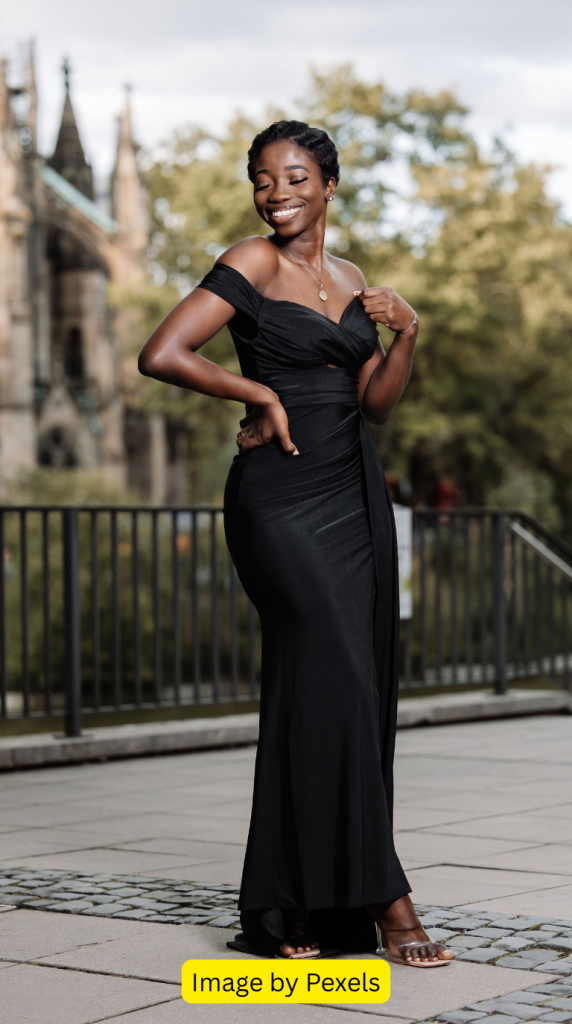
Wrap dresses aren’t only for casual occasions.
Formal wrap gowns in luxurious fabrics offer comfort while creating a beautifully defined waistline.
They’re particularly flattering because they naturally adapt to your body’s shape.
Choosing the Right Neckline
A neckline can completely change the personality of a dress.
Some create timeless elegance, while others feel more contemporary.
Here are the best options for black tie weddings.
Sweetheart Neckline
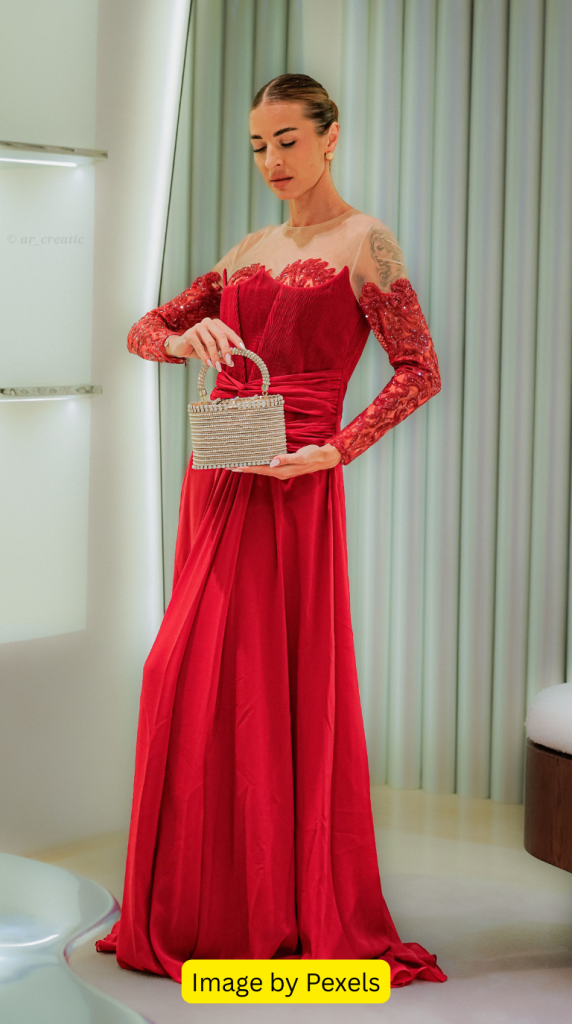
Soft, romantic, and feminine.
A sweetheart neckline beautifully frames the shoulders and collarbone while creating an elegant evening look.
Perfect for:
- Romantic weddings
- Ball gowns
- Satin dresses
- A-line silhouettes
One-Shoulder Neckline
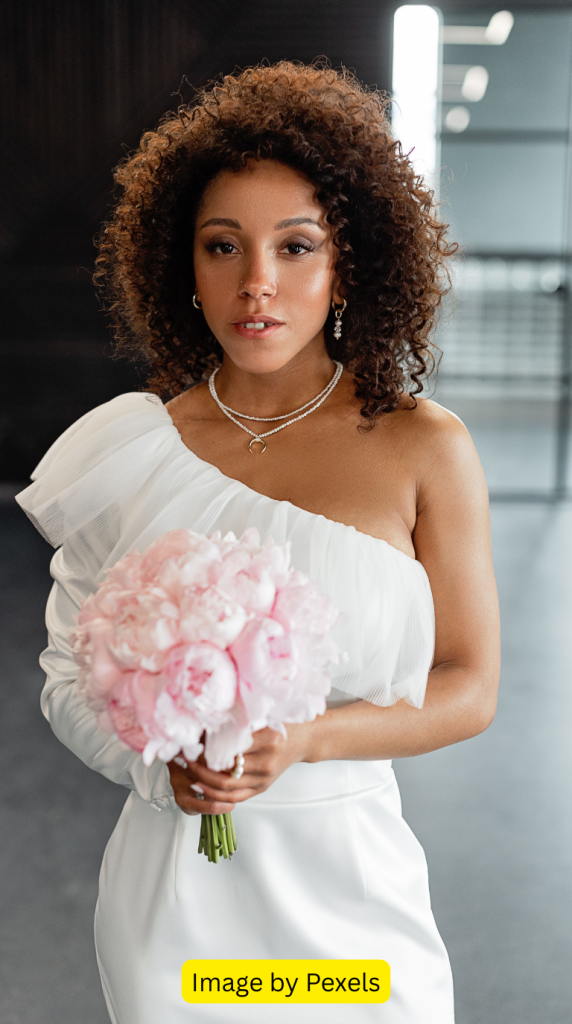
One-shoulder dresses have become increasingly popular because they combine classic elegance with modern sophistication.
They’re ideal if you want your outfit to feel fashionable without looking overly trendy.
Pair with statement earrings instead of a necklace.
Off-the-Shoulder Neckline
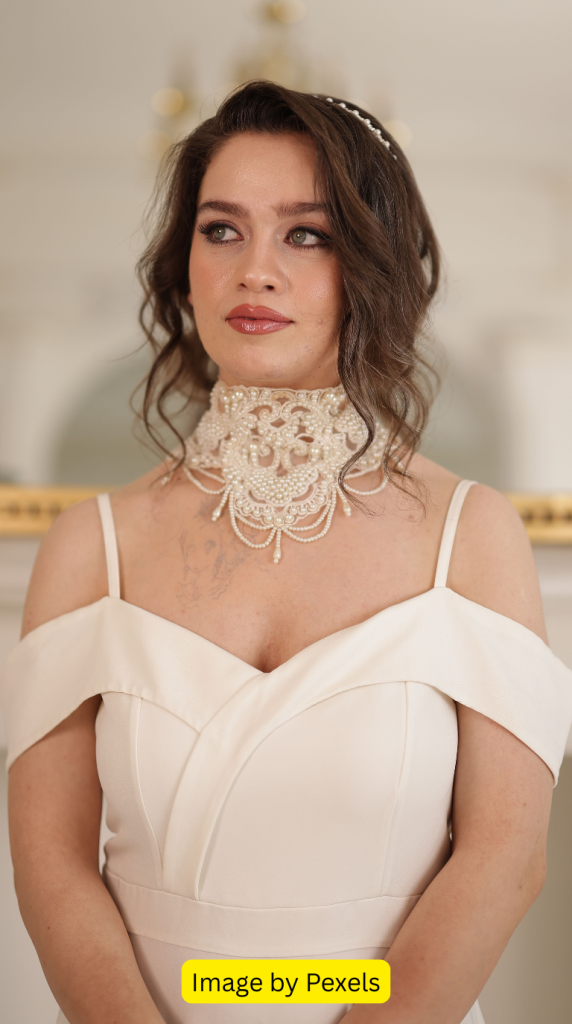
An off-the-shoulder gown highlights the shoulders while maintaining a refined appearance.
It’s especially beautiful for:
- Summer weddings
- Garden receptions
- Destination weddings
- Ballroom celebrations
This neckline suits many body shapes because it naturally balances proportions.
Halter Neckline
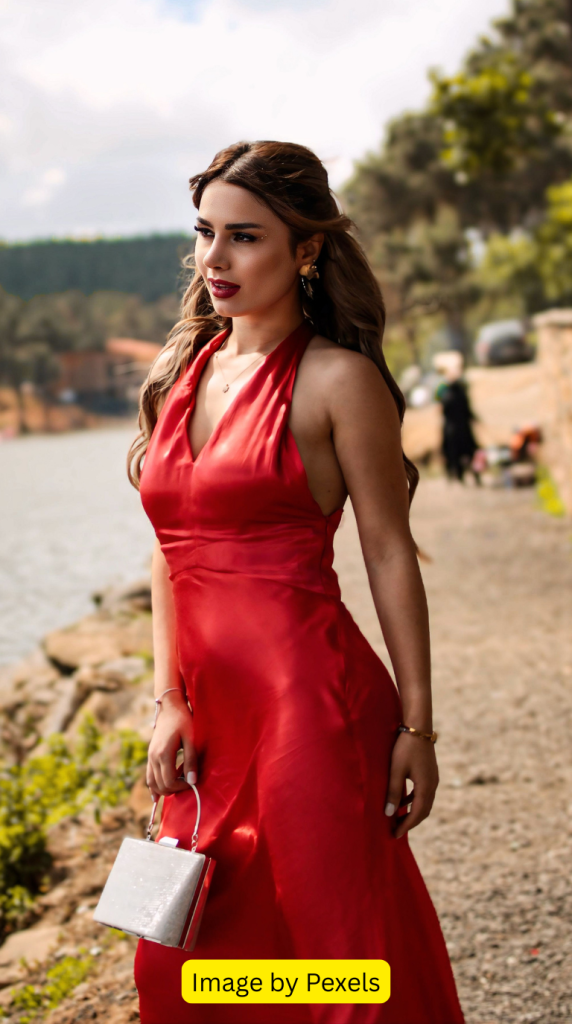
A halter neckline draws attention upward and creates a sleek silhouette.
It’s an excellent choice for:
- Tall women
- Athletic builds
- Modern formal styling
Hair worn up allows the neckline to remain the focal point.
High Neck
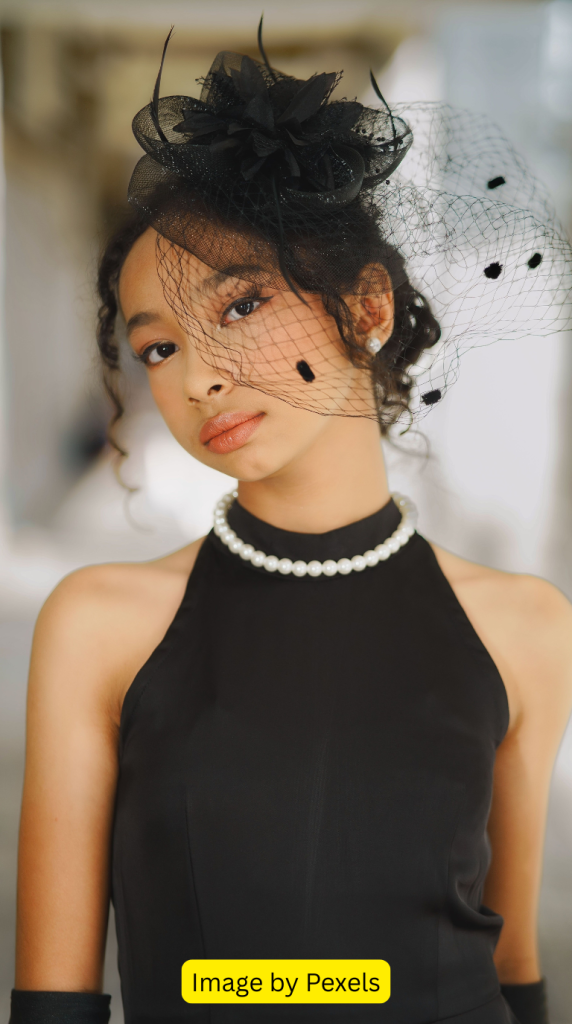
High-neck dresses create one of the most sophisticated black tie looks.
Instead of relying on exposed skin, they create elegance through beautiful tailoring and luxurious fabric.
High-neck gowns often require little jewelry because the neckline itself becomes the statement.
V-Neck
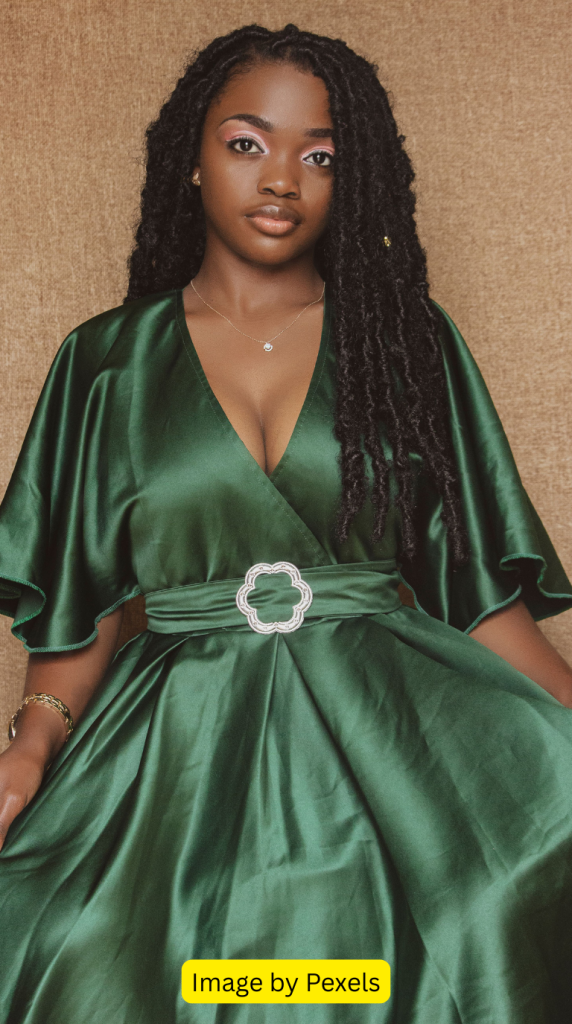
A moderate V-neck remains one of the most flattering necklines available.
It elongates the neck, balances proportions, and suits almost every body shape.
The key word is moderate.
For weddings, elegance should always take priority over drama.
Sleeve Styles for Every Season
Sleeves don’t just affect comfort—they also influence how formal a dress feels.
Choosing the right sleeve style depends on both the season and the venue.
Sleeveless
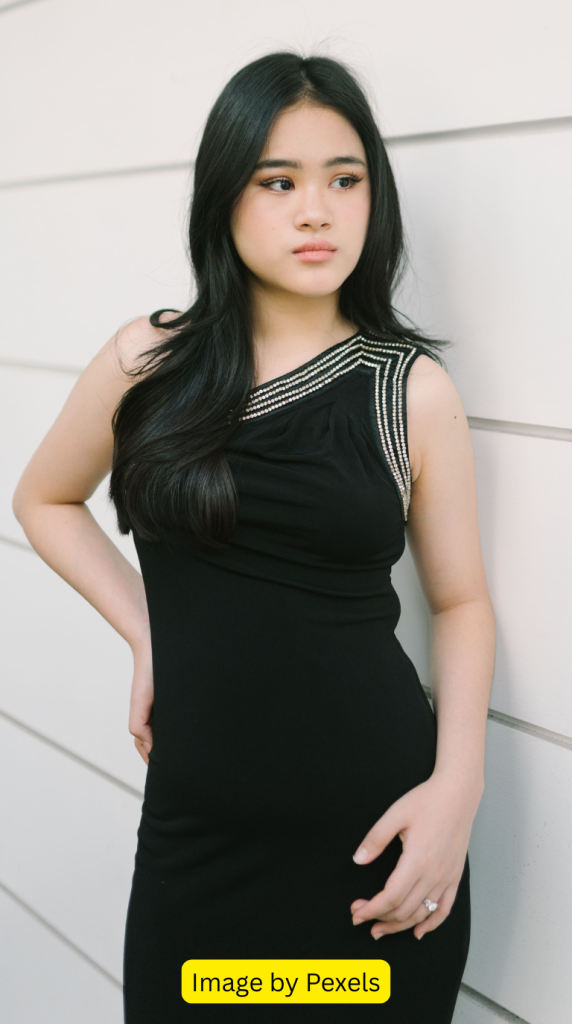
Perfect for:
- Summer weddings
- Indoor venues
- Ballroom receptions
Cap Sleeves
Ideal if you prefer a little shoulder coverage while maintaining a soft, feminine appearance.
Short Sleeves
A sophisticated short sleeve in satin, chiffon, or crepe works beautifully for spring and summer black tie weddings.
Avoid casual T-shirt style sleeves.
Three-Quarter Sleeves
Elegant, timeless, and flattering.
These sleeves work especially well for:
- Church ceremonies
- Autumn weddings
- Women wanting additional arm coverage
Long Sleeves
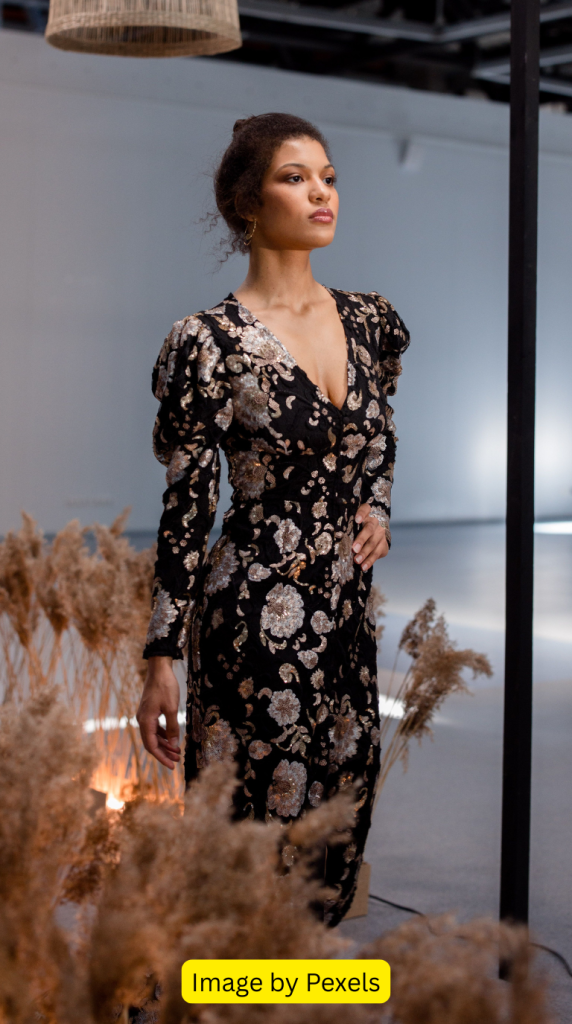
Long sleeves instantly elevate a formal gown.
They’re perfect for:
- Winter weddings
- Evening receptions
- Velvet dresses
- Historic venues
A fitted long sleeve in velvet or crepe creates one of the most luxurious black tie looks imaginable.
Quick Style Tips
Keep these simple guidelines in mind when choosing your dress:
✓ Choose quality fabric before trendy details.
✓ A perfect fit always looks more expensive than heavy embellishment.
✓ Comfort matters—you’ll likely wear the dress for six to ten hours.
✓ Think about sitting, walking, dancing, and climbing stairs before making your final decision.
✓ The best dress is one that allows you to feel confident throughout the celebration.
Key Takeaways
- The silhouette is the most important decision when choosing a formal gown.
- A-line dresses flatter almost everyone and remain the safest choice.
- Column, slip, and mermaid gowns create a more contemporary look.
- Necklines should enhance your features while remaining elegant.
- Sleeve styles should suit both the season and the venue.
- Prioritize fit, fabric, and comfort over passing fashion trends.
The Best Fabrics for Black Tie Wedding Guest Dresses
One of the biggest differences between a dress that looks formal and one that looks expensive is the fabric.
Even the most beautiful silhouette can feel too casual if it’s made from the wrong material. On the other hand, a simple, well-tailored dress in a luxurious fabric instantly looks elegant.
When shopping for a black tie wedding guest dress, pay just as much attention to the fabric as you do to the style.
Satin
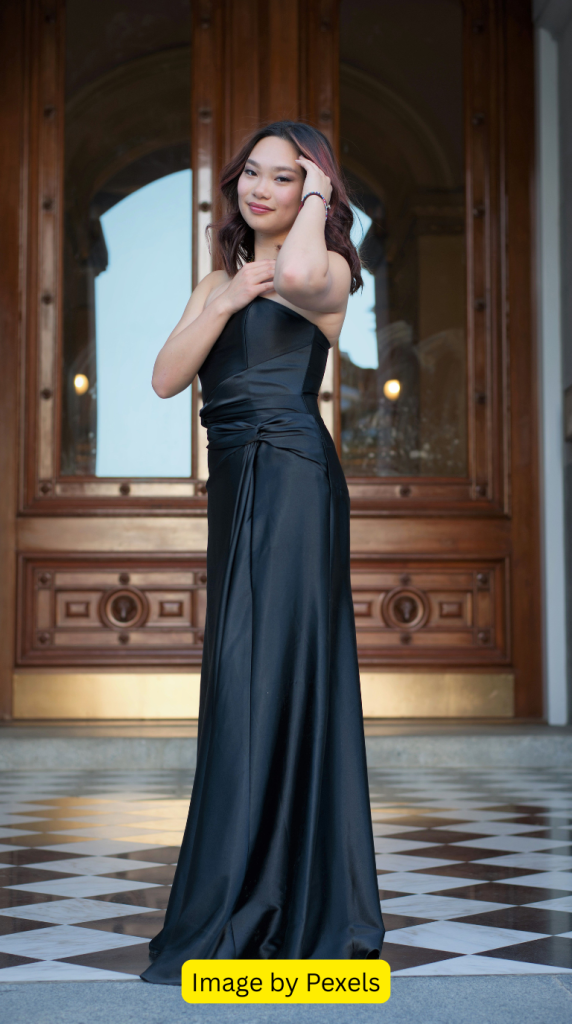
Satin remains one of the most popular fabrics for black tie weddings—and for good reason.
Its smooth surface reflects light beautifully, creating an elegant appearance without needing heavy embellishments.
Whether you choose a minimalist slip dress or a dramatic ball gown, satin always feels appropriate for formal evening events.
Why Satin Works
- Luxurious shine
- Beautiful drape
- Timeless elegance
- Suitable year-round
- Available in countless colors
Satin is especially stunning in jewel tones like emerald green, navy blue, burgundy, and deep plum.
Read our detailed guide related to Satin Wedding Guest Dresses.
Silk
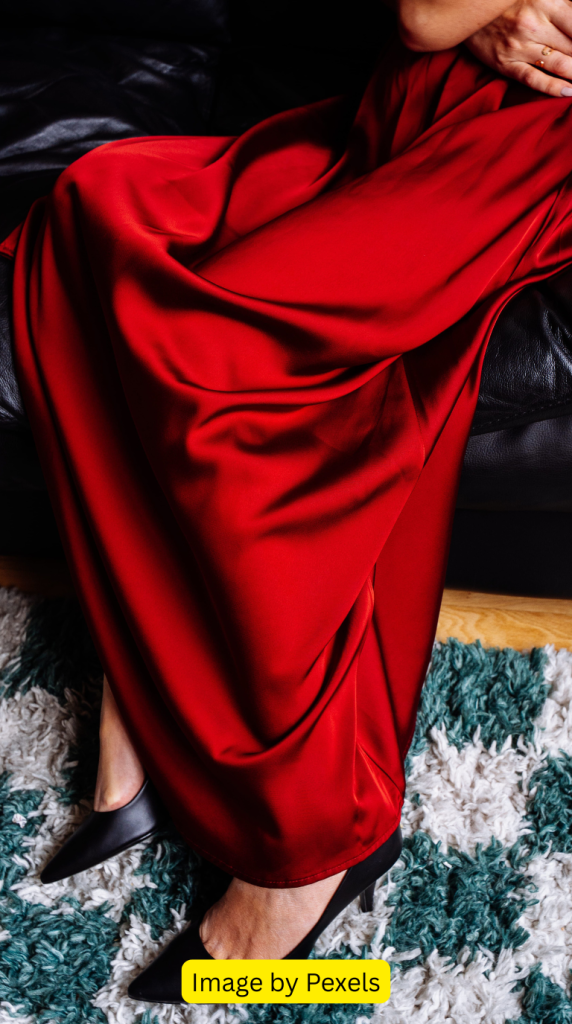
Silk is often considered the gold standard of luxury fabrics.
Unlike synthetic materials, natural silk has an effortless softness and graceful movement that instantly elevates even the simplest designs.
Although silk dresses are more expensive, they’re an excellent investment if you regularly attend formal events.
Best For
- Luxury weddings
- Evening receptions
- Destination weddings
- Timeless wardrobes
Velvet
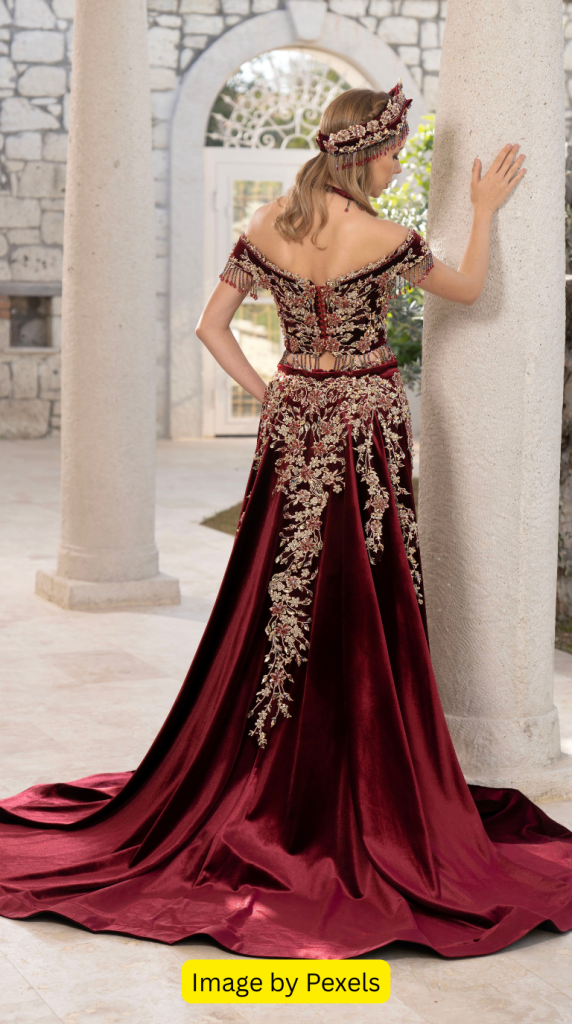
When temperatures drop, few fabrics feel as elegant as velvet.
Its rich texture catches the light beautifully and creates incredible depth of color.
Velvet is particularly popular for:
- Winter weddings
- Holiday weddings
- Historic venues
- Luxury hotels
- Evening receptions
Deep emerald, navy, burgundy, and black velvet gowns always look sophisticated.
Chiffon
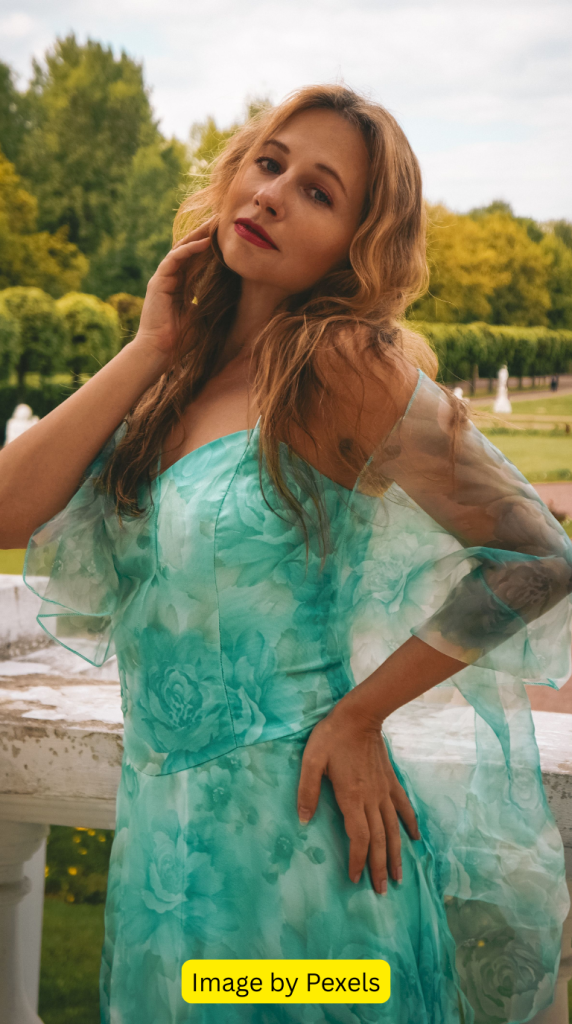
If you’re attending a spring or summer wedding, chiffon is one of the best choices.
It’s lightweight, breathable, and creates beautiful movement while walking.
Many chiffon gowns feature layered skirts that feel soft and romantic without becoming overly dramatic.
Perfect For
- Garden weddings
- Beach weddings
- Outdoor ceremonies
- Destination weddings
Crepe
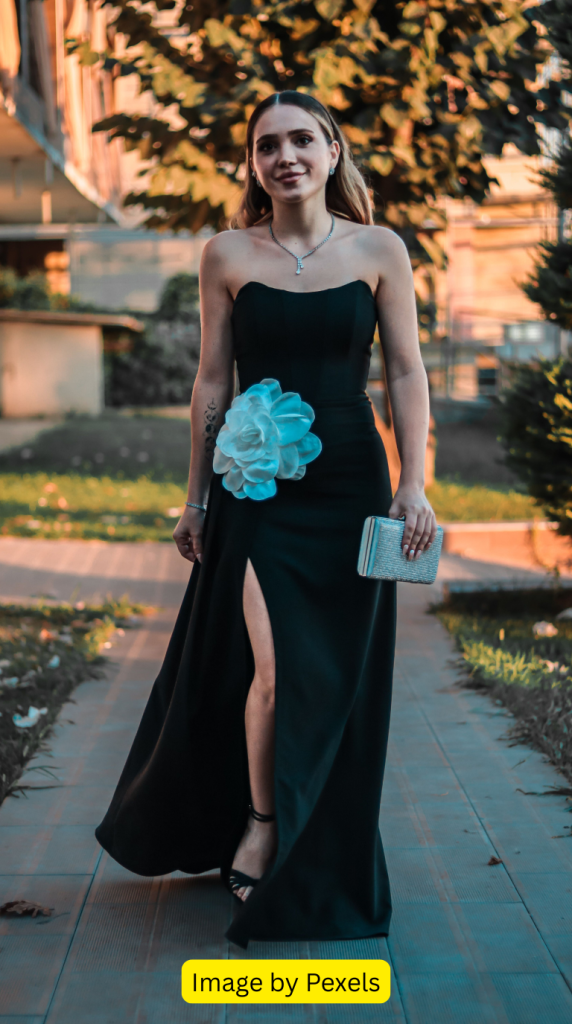
Crepe has quietly become one of the favorite fabrics among modern designers.
Instead of shine, crepe offers refined texture and clean tailoring.
Women who prefer understated elegance often choose crepe because it photographs beautifully while remaining comfortable throughout the day.
Crepe is particularly flattering in:
- Column gowns
- Minimalist dresses
- Long-sleeve gowns
- One-shoulder styles
Lace
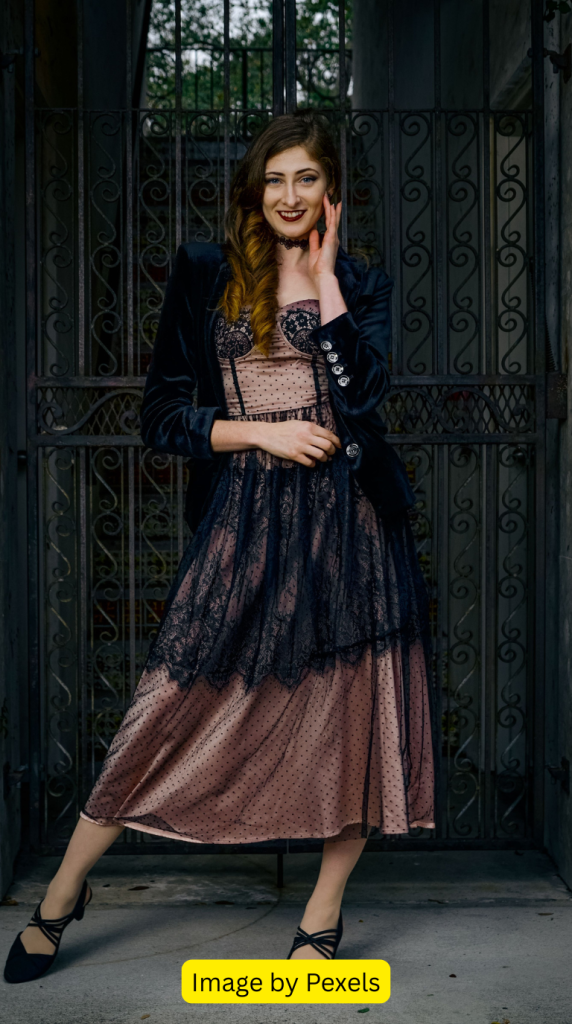
Lace adds romance without sacrificing sophistication.
Rather than choosing dresses covered entirely in lace, many modern designs use lace as an accent around:
- Sleeves
- Necklines
- Bodices
- Backs
- Hemlines
These subtle details create visual interest while keeping the overall look elegant.
Sequins
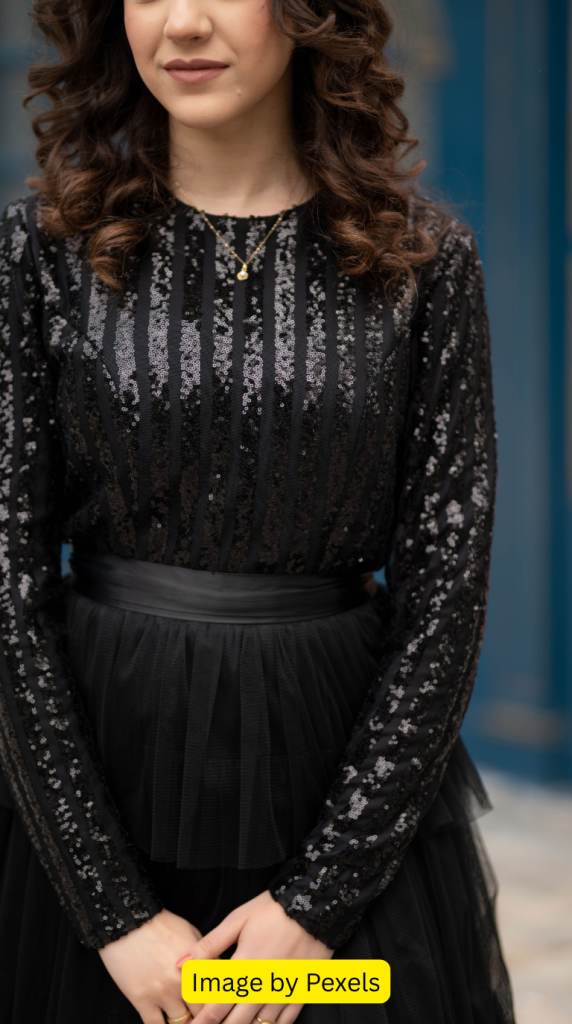
Many guests wonder whether sequins are appropriate for black tie weddings.
The answer is yes—in moderation.
A fully sequined evening gown can be beautiful for an evening ballroom reception, New Year’s wedding, or luxury celebration.
However, balance is important.
Choose elegant silhouettes and let the sequins provide the statement instead of combining them with dramatic cutouts or oversized accessories.
Fabrics to Avoid
Some fabrics simply don’t belong at black tie weddings.
Avoid dresses made primarily from:
- Cotton
- Linen
- Jersey knit
- Denim
- Ribbed knit fabrics
- Casual stretch materials
Even if the dress itself is beautiful, these fabrics rarely create the polished appearance expected at a formal event.
The Best Colors for Black Tie Wedding Guest Dresses
Once you’ve chosen your fabric, it’s time to decide on color.
Fortunately, modern black tie weddings offer much more flexibility than many guests realize.
You aren’t limited to wearing black.
Instead, choose colors that feel elegant, timeless, and appropriate for the season.
Black
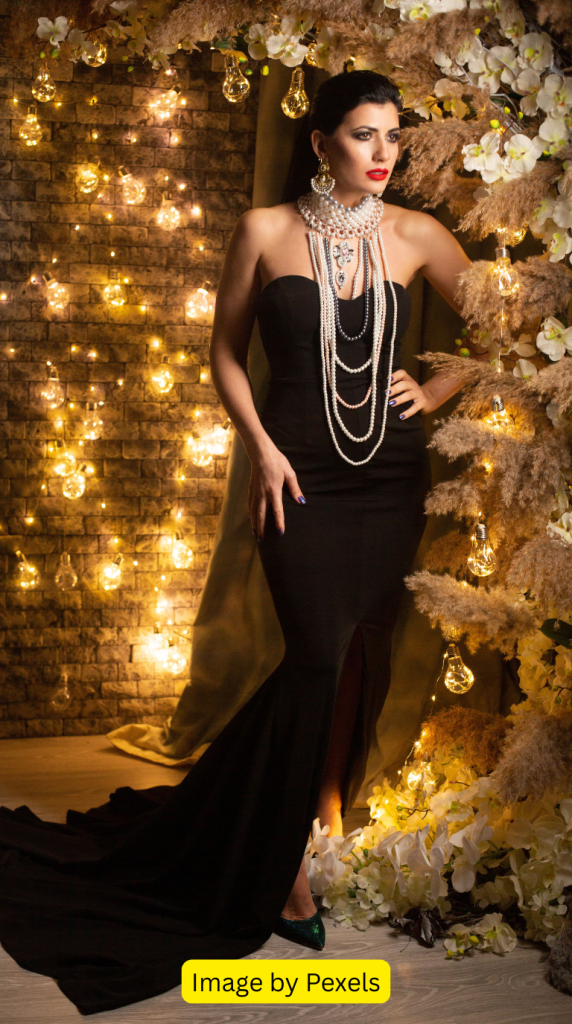
Black remains one of the safest and most sophisticated choices.
It works beautifully because it:
- Never goes out of style
- Flatters every body type
- Matches every accessory
- Looks elegant in photographs
- Suits every season
A well-tailored black satin or velvet gown is almost impossible to get wrong.
Emerald Green
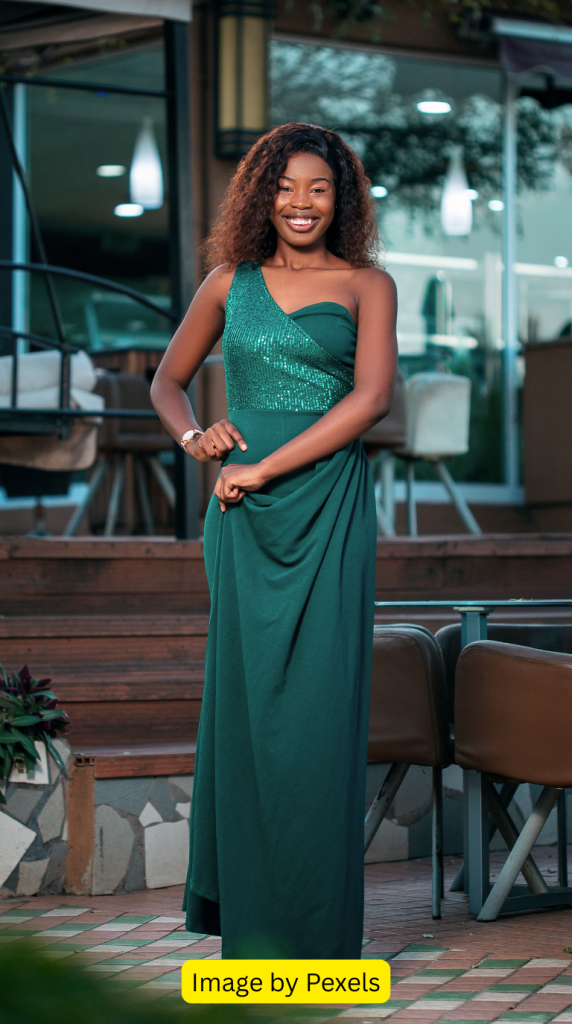
Emerald green has become one of the defining colors of modern formalwear.
Its richness feels luxurious without appearing overly bold.
Emerald works particularly well in:
- Satin
- Velvet
- Silk
Gold accessories pair beautifully with this color.
Navy Blue
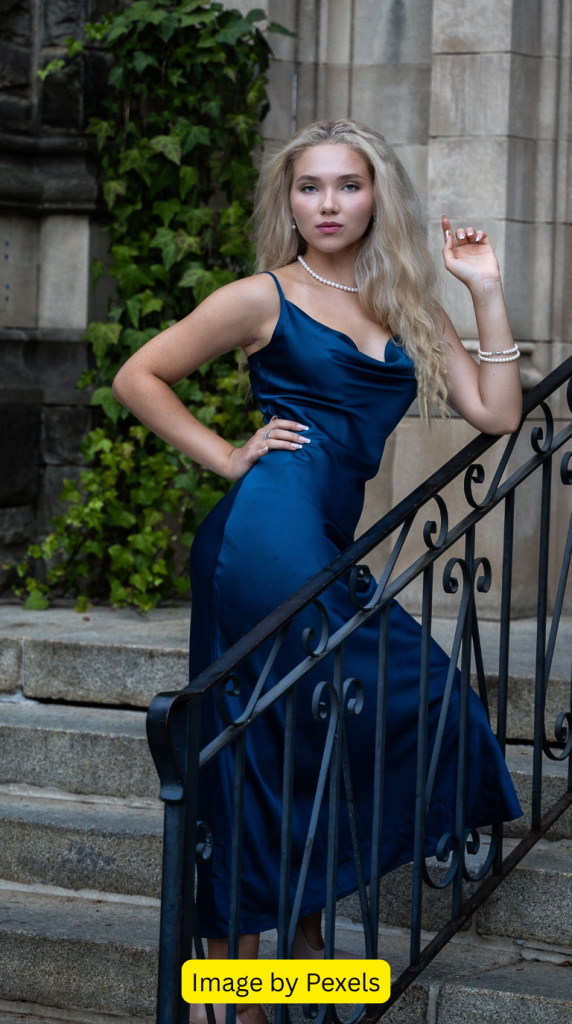
If you want something softer than black but equally elegant, navy is an excellent choice.
Deep navy photographs beautifully in evening lighting and works for weddings throughout the year.
It’s especially flattering in velvet and crepe fabrics.
Burgundy
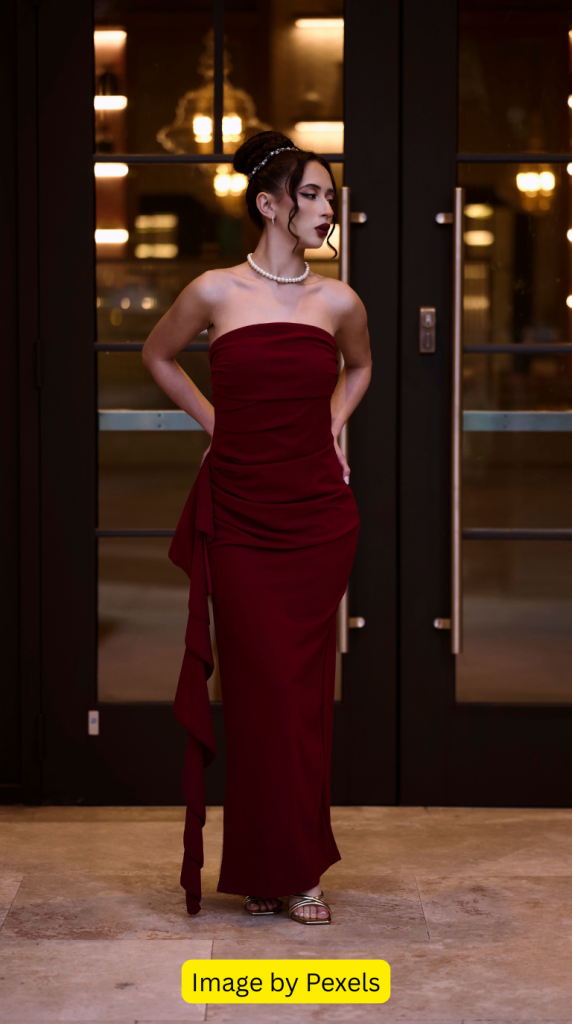
Rich burgundy creates warmth while maintaining formality.
This color shines during:
- Autumn weddings
- Winter weddings
- Evening receptions
- Historic venues
Pair it with gold or champagne accessories for a timeless look.
Plum
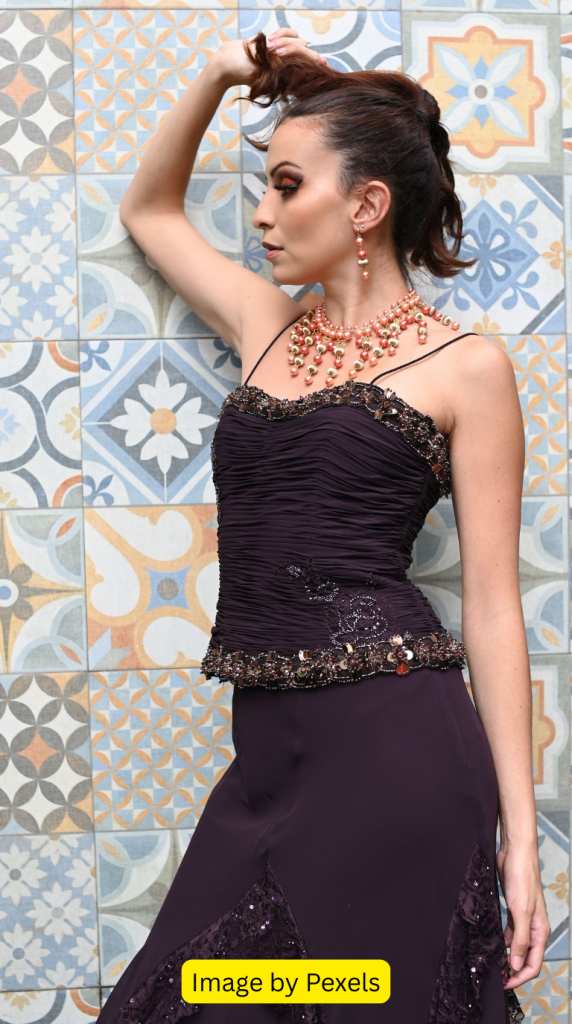
Deep plum offers an elegant alternative to navy and burgundy.
It feels luxurious without being overly common and complements many different skin tones.
Chocolate Brown
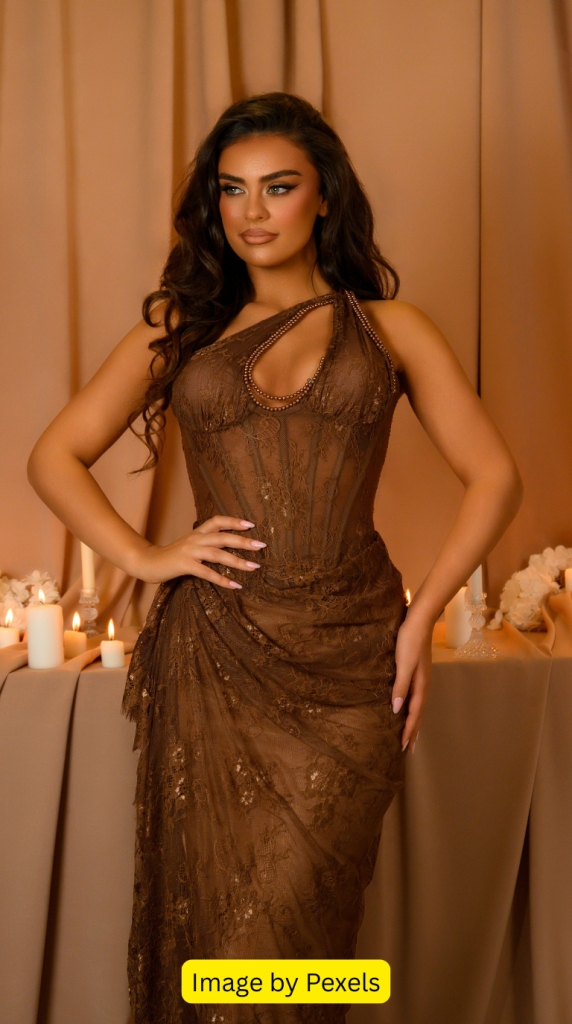
One of the biggest fashion trends of 2026 is chocolate brown.
Rich brown satin dresses have become increasingly popular because they feel modern while remaining timeless.
This shade pairs beautifully with:
- Gold jewelry
- Bronze accessories
- Nude heels
Champagne Gold
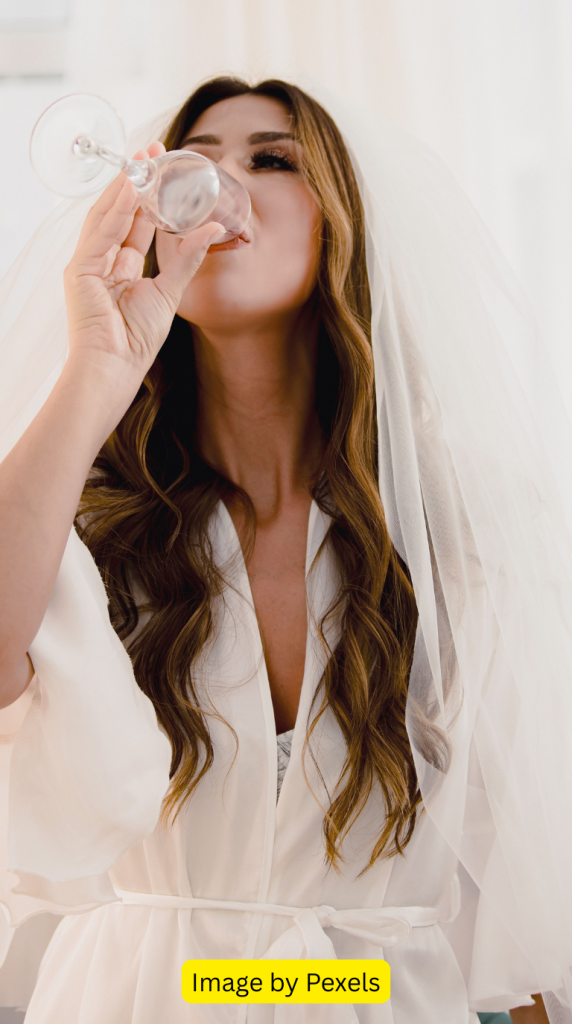
Champagne gold creates subtle glamour without feeling overwhelming.
Unlike white or ivory, true champagne has enough warmth to distinguish it from bridal colors.
Metallic fabrics work especially well for evening receptions.
Silver
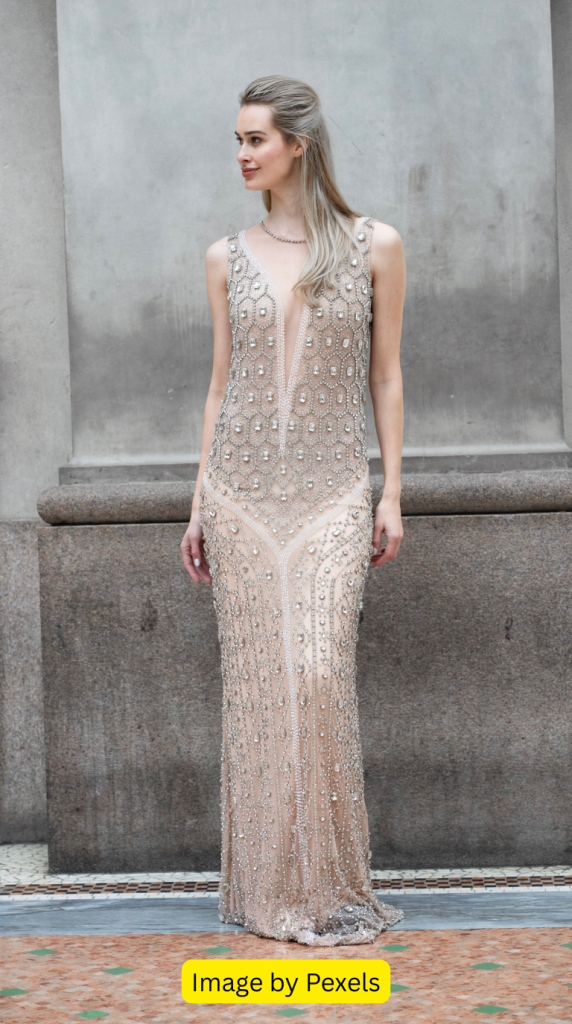
Silver gowns bring understated glamour to black tie events.
Choose softer silver tones rather than mirror-like metallic finishes for a more refined appearance.
Soft Pastels
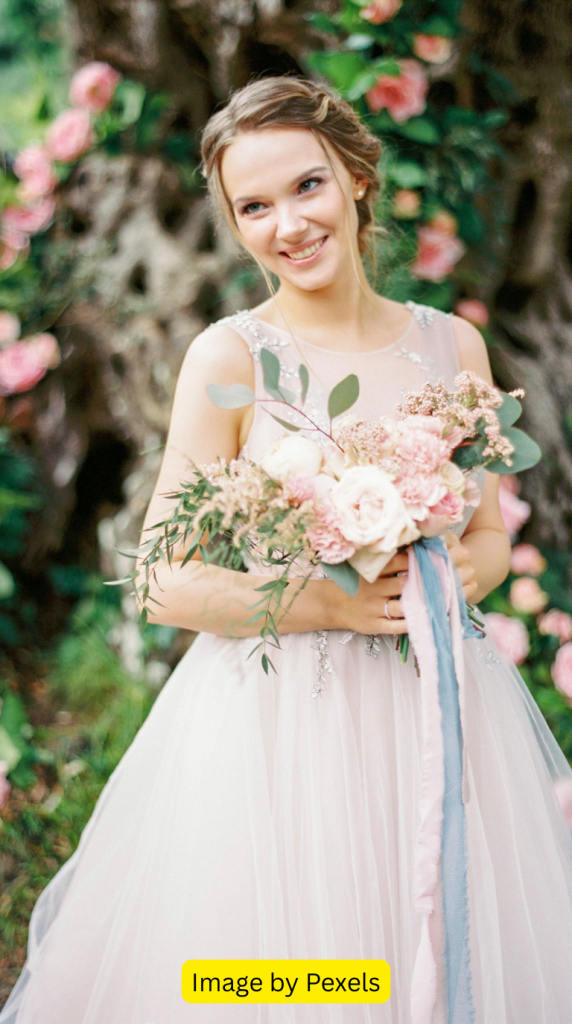
Pastel colors are beautiful choices for:
- Spring weddings
- Garden ceremonies
- Daytime events
- Outdoor celebrations
Popular options include:
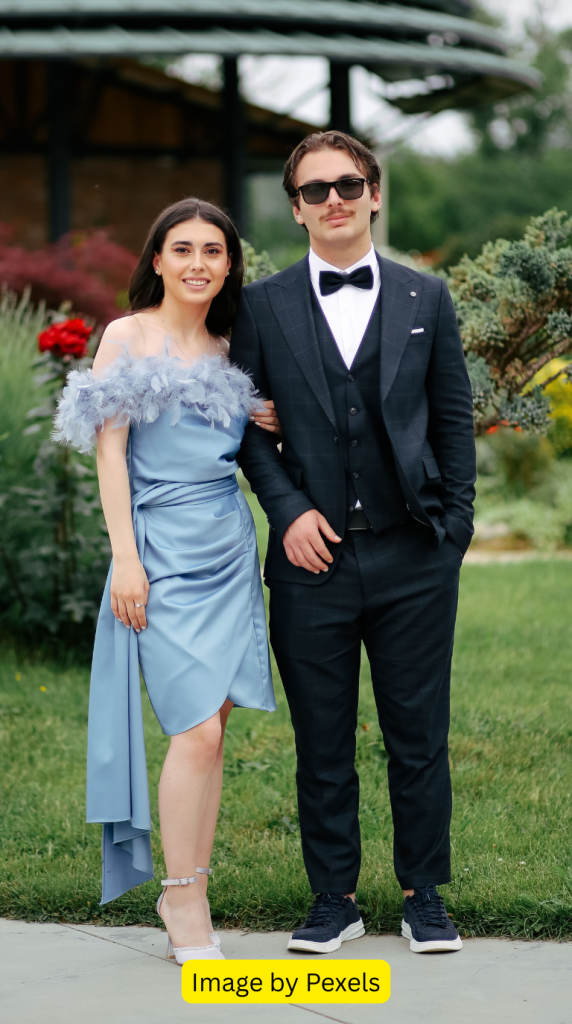
- Dusty blue
- Sage green
- Blush pink
- Lavender
- Soft lilac
The key is pairing these gentle colors with luxurious fabrics.
Colors to Avoid
Some colors are best left out of your wedding guest wardrobe.
Avoid:
- White
- Ivory
- Cream
- Dresses that resemble bridal gowns
- Neon shades
- Extremely bright fluorescent colors
Even if the bride isn’t wearing traditional white, it’s always respectful to avoid anything that could compete with her look.
Matching Colors to the Season
Spring
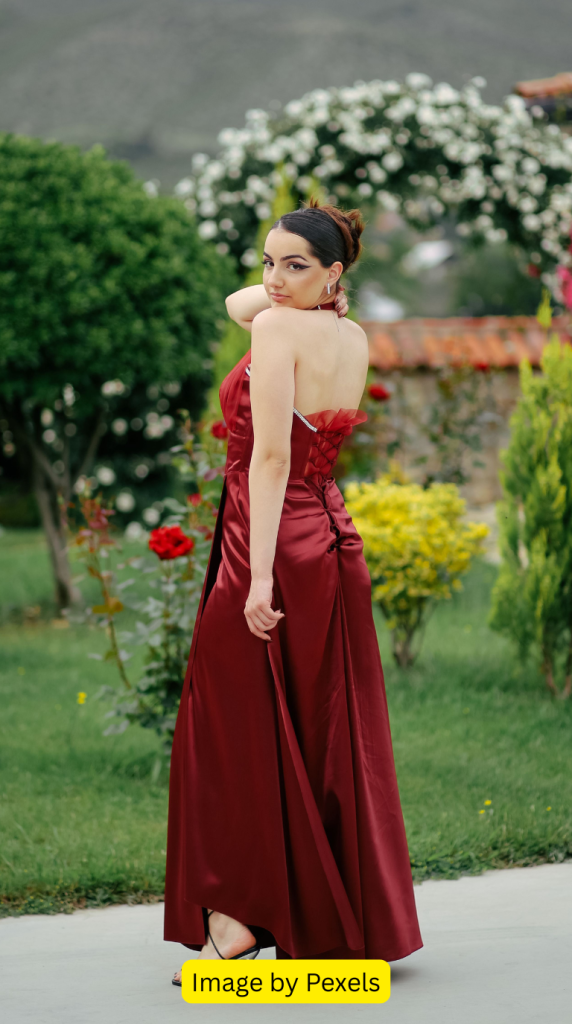
Choose:
- Sage green
- Dusty blue
- Blush pink
- Lavender
- Soft floral tones
Summer
Beautiful options include:
- Emerald
- Navy
- Coral (muted)
- Champagne
- Sky blue
Lightweight fabrics like chiffon and silk work especially well.
Autumn
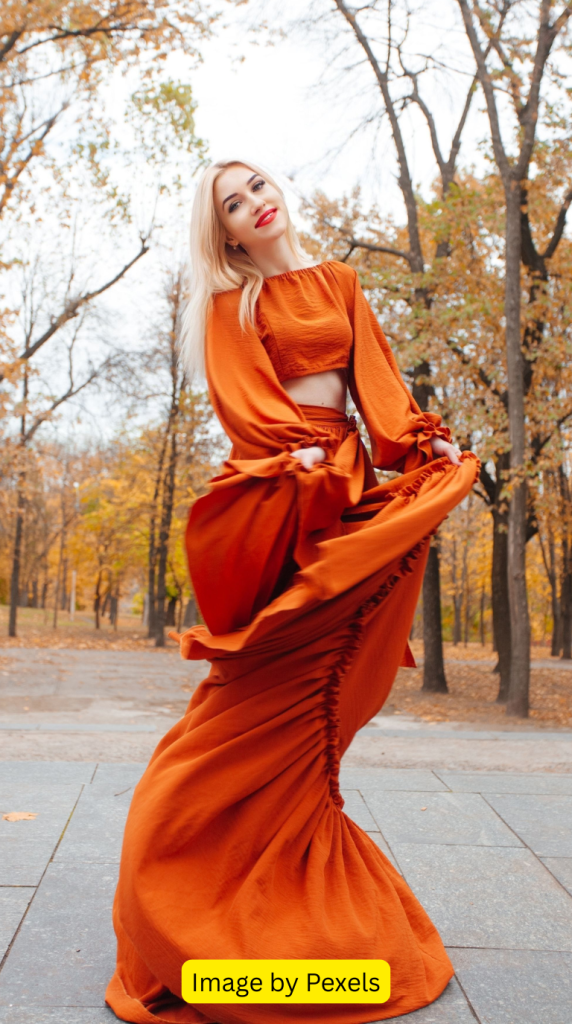
Rich jewel tones dominate:
- Burgundy
- Forest green
- Plum
- Chocolate brown
- Navy
These shades complement the season’s natural colors beautifully.
Winter
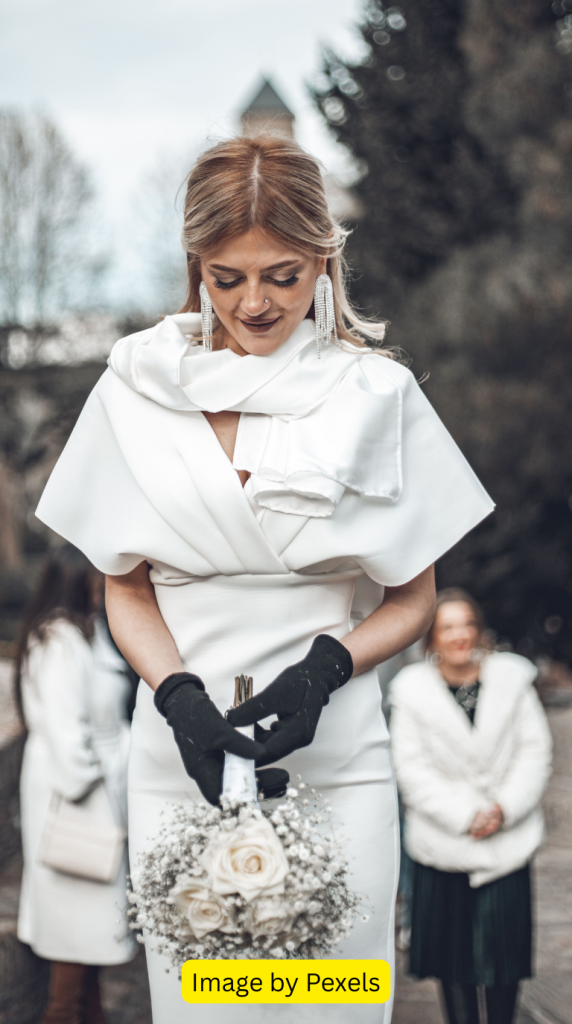
Winter is the perfect time for luxurious fabrics and dramatic colors.
Consider:
- Black
- Emerald
- Ruby
- Sapphire
- Midnight navy
- Deep burgundy
Velvet, satin, and silk create especially elegant winter outfits.
Quick Color Guide
| Color | Best Season | Formality |
|---|---|---|
| Black | All Seasons | ★★★★★ |
| Emerald | Fall & Winter | ★★★★★ |
| Navy | All Seasons | ★★★★★ |
| Burgundy | Fall & Winter | ★★★★★ |
| Plum | Fall | ★★★★★ |
| Chocolate Brown | Fall | ★★★★★ |
| Champagne | Spring & Summer | ★★★★☆ |
| Silver | Winter | ★★★★★ |
| Sage Green | Spring | ★★★★☆ |
| Dusty Blue | Spring & Summer | ★★★★☆ |
Key Takeaways
- Fabric is one of the biggest factors that determines whether a dress feels truly formal.
- Satin, silk, velvet, chiffon, and crepe remain the best choices for black tie weddings.
- Black is timeless, but jewel tones and elegant neutrals are equally appropriate.
- Match your color palette to the season for a naturally polished look.
- Avoid casual fabrics and bridal-inspired colors to ensure your outfit feels both elegant and respectful.
Choosing the Perfect Black Tie Wedding Guest Dress for Your Body Shape
The most beautiful dress isn’t necessarily the most expensive one—it’s the one that makes you feel comfortable, confident, and elegant.
While there are no strict fashion rules, certain silhouettes naturally complement different body shapes by creating balance and highlighting your favorite features.
Use these recommendations as a starting point rather than strict guidelines. Wear what makes you feel your best.
Best Dresses for Petite Women
If you’re under 5’4″ (163 cm), the goal is to create the illusion of height without overwhelming your frame. Long, clean lines often work better than excessive volume. Read more about How to Choose a Black Tie Dress for a Petite Frame
Best Dresses for Tall Women
Tall women have the advantage of carrying dramatic silhouettes effortlessly.
Instead of trying to minimize height, embrace it. Tall frames naturally showcase architectural designs that may overwhelm shorter women. You can also read our detailed article on Formal Long Maxi Dresses for Tall Women.
Best Dresses for Curvy Women
Curves deserve silhouettes that celebrate natural proportions rather than hiding them.
The goal is balance, support, and beautiful tailoring.
Best Dress Styles
- Wrap gowns
- Mermaid dresses
- A-line gowns
- Fit-and-flare dresses
- Sweetheart necklines
Read our detail article on Best Formal Dresses for Curvy Women
Fabrics
Choose fabrics with beautiful structure, including:
- Satin
- Crepe
- Velvet
- Silk
Very thin fabrics may cling in areas you don’t want to emphasize.
Style Tips
Look for dresses with:
- Built-in support
- Structured bodices
- Defined waistlines
- Comfortable stretch where needed
Confidence always looks better than discomfort.
Best Dresses for Plus-Size Women
Today’s formalwear offers more beautiful options than ever before.
Instead of focusing on hiding your body, focus on finding dresses that fit properly and feel luxurious.
Best Dress Styles
- A-line gowns
- Wrap dresses
- Empire waist gowns
- Soft mermaid silhouettes
- Column dresses with stretch crepe
These styles create elegant proportions while remaining comfortable.
Fabrics
Excellent choices include:
- Crepe
- Satin
- Velvet
- Stretch crepe
- Silk blends
Avoid extremely stiff fabrics that limit movement.
Style Tips
Pay close attention to:
- Bust support
- Comfortable waist definition
- Proper tailoring
- Dress length
Professional alterations can completely transform how a gown fits.
Best Dresses for Hourglass Figures
Hourglass figures naturally have balanced shoulders and hips with a defined waist.
Most formal silhouettes work beautifully.
Best Dress Styles
- Mermaid gowns
- Wrap dresses
- Fit-and-flare gowns
- Satin slip dresses
- Column dresses with waist definition
These styles enhance natural curves without overwhelming them.
Necklines
Great options include:
- Sweetheart
- V-neck
- Off-the-shoulder
- One-shoulder
Each highlights the upper body while maintaining balance.
Best Dresses for Pear-Shaped Bodies
Pear-shaped bodies have narrower shoulders with fuller hips.
The goal is creating visual balance.
Best Dress Styles
- A-line gowns
- Ball gowns
- Off-the-shoulder dresses
- Structured bodices
- Embellished necklines
These styles naturally draw attention upward.
Avoid
Very clingy skirts without waist definition can exaggerate lower proportions.
Instead, allow the skirt to flow gracefully from the waist.
Best Dresses for Apple-Shaped Bodies
Apple-shaped figures often carry more fullness through the midsection.
The most flattering dresses gently skim the body instead of clinging.
Best Dress Styles
- Empire waist gowns
- Column dresses
- Wrap gowns
- A-line silhouettes
These create a smooth, elongated appearance.
Necklines
Choose styles that open the upper body, such as:
- V-neck
- Scoop neck
- Sweetheart neckline
These naturally draw the eye upward.
Best Dresses for Rectangle Body Shapes
Rectangle figures have balanced shoulders, waist, and hips.
The objective is creating soft curves.
Best Dress Styles
- Ball gowns
- Fit-and-flare dresses
- Belted gowns
- Mermaid dresses
- Layered skirts
These silhouettes create additional definition around the waist.
Details That Help
Look for dresses with:
- Draping
- Pleating
- Waist embellishments
- Structured bodices
Small design details create beautiful shape.
Best Dresses for Inverted Triangle Body Shapes
Women with broader shoulders and narrower hips often look best in dresses that create balance below the waist.
Best Dress Styles
- A-line gowns
- Ball gowns
- Flowing chiffon skirts
- Wrap dresses
- Soft fit-and-flare silhouettes
These add movement to the lower body while keeping the upper body elegant.
Necklines
Consider:
- V-neck
- Scoop neck
- Soft sweetheart
Avoid excessively padded shoulders or oversized sleeves if balance is your goal.
Universal Styling Tips for Every Body Shape
Regardless of body type, these principles almost always create a more polished look:
- Prioritize tailoring over designer labels.
- Choose fabrics that drape beautifully.
- Wear supportive undergarments when needed.
- Select shoes comfortable enough for several hours.
- Avoid dresses that require constant adjusting.
- Focus on confidence rather than trends.
A dress that fits perfectly will almost always look more elegant than a designer gown that doesn’t.
Quick Body Shape Guide
| Body Shape | Most Flattering Styles |
|---|---|
| Petite | Column, sheath, slim A-line |
| Tall | Mermaid, ball gown, column |
| Curvy | Wrap, mermaid, fit-and-flare |
| Plus Size | A-line, empire waist, wrap |
| Hourglass | Mermaid, wrap, fit-and-flare |
| Pear | A-line, off-shoulder, ball gown |
| Apple | Empire waist, wrap, column |
| Rectangle | Ball gown, belted, fit-and-flare |
| Inverted Triangle | A-line, chiffon, wrap |
Key Takeaways
- The best dress is one that fits your body comfortably and complements your proportions.
- Tailoring is often more important than the brand or price of the gown.
- Different silhouettes enhance different body shapes, but confidence is always the most flattering accessory.
- Focus on balance, comfort, and elegant fabrics rather than following every trend.
Frequently Asked Questions
Can I wear a short dress to a black tie wedding?
A knee-length or mini dress is usually too casual for a traditional black tie wedding. A sophisticated midi dress can work if it features an elegant silhouette, luxurious fabric, and refined styling. When you’re unsure, a floor-length gown is always the safest option.
Do I have to wear black?
No. The phrase “black tie” refers to the dress code rather than the color.
Elegant choices include:
- Emerald green
- Navy blue
- Burgundy
- Plum
- Chocolate brown
- Champagne
- Deep jewel tones
- Soft pastels for spring and summer
Choose a color that flatters your complexion while respecting the wedding season and venue.
Can I wear pants to a black tie wedding?
Yes.
A beautifully tailored evening jumpsuit or elegant palazzo pants paired with a structured top can work, especially for modern black tie events.
The key is ensuring the overall outfit feels formal enough for the occasion through luxurious fabrics and refined accessories.
Is a satin dress appropriate?
Absolutely.
Satin remains one of the most popular fabrics for black tie weddings because it drapes beautifully, photographs well, and instantly creates an elegant evening look.
Are floral dresses acceptable?
Yes—if the print is refined.
Large tropical prints or casual daytime florals often feel too informal, but elegant floral gowns in darker tones or watercolor-inspired prints work beautifully for many weddings.
Can I wear sleeves?
Of course.
Long sleeves, three-quarter sleeves, flutter sleeves, and cap sleeves are all appropriate.
Many guests actually prefer sleeves during fall and winter weddings because they provide warmth while maintaining elegance.
What shoes should I wear?
Elegant heels are the traditional choice.
Popular options include:
- Strappy sandals
- Classic pumps
- Satin heels
- Metallic heels
- Dressy block heels
If you cannot comfortably wear heels, embellished flats or elegant pointed-toe shoes can also work.
Can I wear sequins?
Yes—but in moderation.
Black tie weddings are one of the few occasions where sequins feel completely appropriate.
Instead of choosing an extremely flashy gown, look for tasteful embellishment that catches the light without overpowering the celebration.
Final Thoughts
Finding the perfect black tie wedding guest dress doesn’t have to feel overwhelming.
Once you understand the dress code, choosing your outfit becomes much easier. Focus on a flattering silhouette, invest in quality fabrics, and finish the look with thoughtful accessories rather than chasing every fashion trend.
In many cases, the most elegant-looking guests are not wearing the most expensive dresses. They are wearing outfits that fit well, suit the occasion, and reflect their personal style.
Whether you’re attending a glamorous ballroom reception, a luxury hotel celebration, a formal garden ceremony, or a destination wedding, the right dress should help you feel comfortable, confident, and appropriately dressed from the ceremony through the last dance.
If you’re still deciding, save a few favorite styles, compare silhouettes, and don’t be afraid to try something outside your comfort zone. Sometimes the dress you never expected to love becomes the one you receive the most compliments on.
Most importantly, remember why you’re there—to celebrate an unforgettable day with people you care about. When your outfit feels effortless, you can focus on making memories instead of worrying about what you’re wearing.
Continue Reading
If this guide helped you, these articles can make choosing your outfit even easier:
- Can You Wear a Midi Dress to a Black Tie Wedding?
- Wedding Guest Dress Etiquette
- Best Fabrics for Hot Weather Weddings
- Summer Black Tie Wedding Guest Dresses
- Winter Wedding Guest Dress Ideas
- Petite Black Tie Wedding Guest Dresses
- Formal Dresses for Curvy Women