
Finding the right outdoor wedding guest dress is about more than choosing something beautiful. An outdoor celebration can mean grass, gravel, sand, changing temperatures, wind, direct sunlight, or a ceremony that continues well after sunset.
The best outfit balances style with the realities of the venue.
A flowing dress may be perfect for a garden lawn but difficult to manage on a windy beach. A floor-length gown can look stunning at an outdoor estate but may be impractical on uneven ground. And a lightweight dress that feels comfortable during a sunny afternoon may need a wrap once the temperature drops after dinner.
These 21 outdoor wedding guest dress ideas cover different silhouettes, fabrics, colors, and outdoor settings so you can choose an outfit that looks polished while still allowing you to enjoy the celebration.
What Makes a Good Outdoor Wedding Guest Dress?
An outdoor wedding dress should work with the environment rather than against it.
Before choosing an outfit, consider:
- Venue: Garden, vineyard, estate, lawn, rooftop, countryside, or beach
- Terrain: Grass, gravel, stone, sand, or paved surfaces
- Weather: Heat, humidity, wind, or cooler evening temperatures
- Time: Daytime, sunset, or evening
- Dress code: Casual, cocktail, formal, or black tie
- Movement: Walking between ceremony and reception areas
- Footwear: Whether your shoes need to handle uneven ground
- Layers: Whether you will need a jacket, wrap, or shawl
A beautiful dress becomes a much better wedding outfit when it is practical for the setting.
21 Outdoor Wedding Guest Dress Ideas
1. Flowing Chiffon Maxi
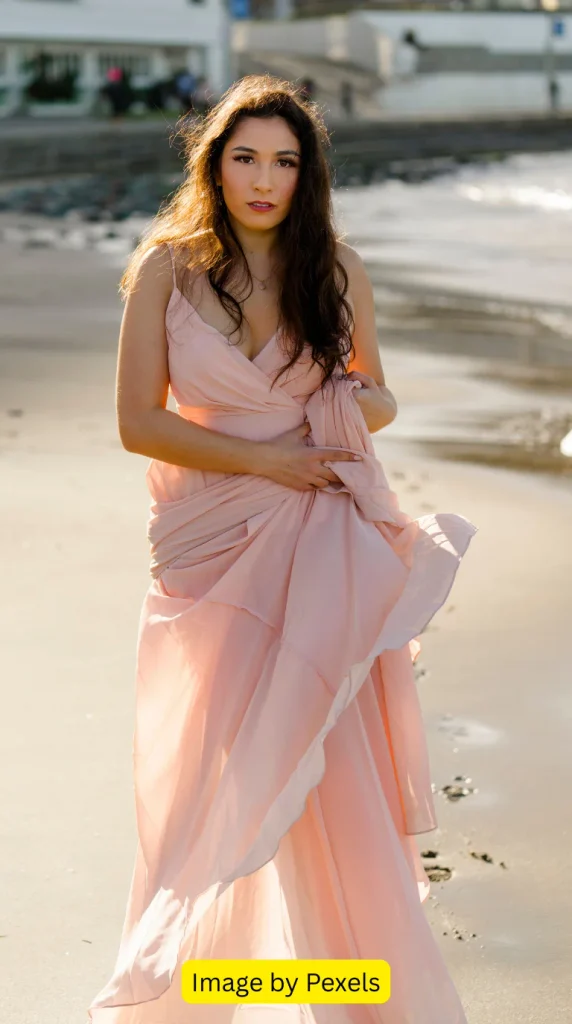
A chiffon maxi dress is a classic choice for an outdoor wedding because the fabric creates movement without feeling overly structured.
Choose a floor-length silhouette with a defined waist and a refined neckline. Soft blue, sage, dusty rose, or muted lavender can work particularly well for daytime celebrations.
Pair it with block heels if the venue has grass or uneven pathways.
Best for: Garden lawns, estates, and countryside weddings.
2. Elegant Satin Midi

A satin midi brings a more polished feel to an outdoor celebration without the weight of a full evening gown.
Choose a simple silhouette in emerald, navy, burgundy, champagne, or another sophisticated shade. The midi length also makes walking easier than a sweeping floor-length skirt.
Add pointed pumps or elegant block heels depending on the terrain.
Best for: Vineyards, patios, and upscale outdoor receptions.
3. Romantic Floral Maxi
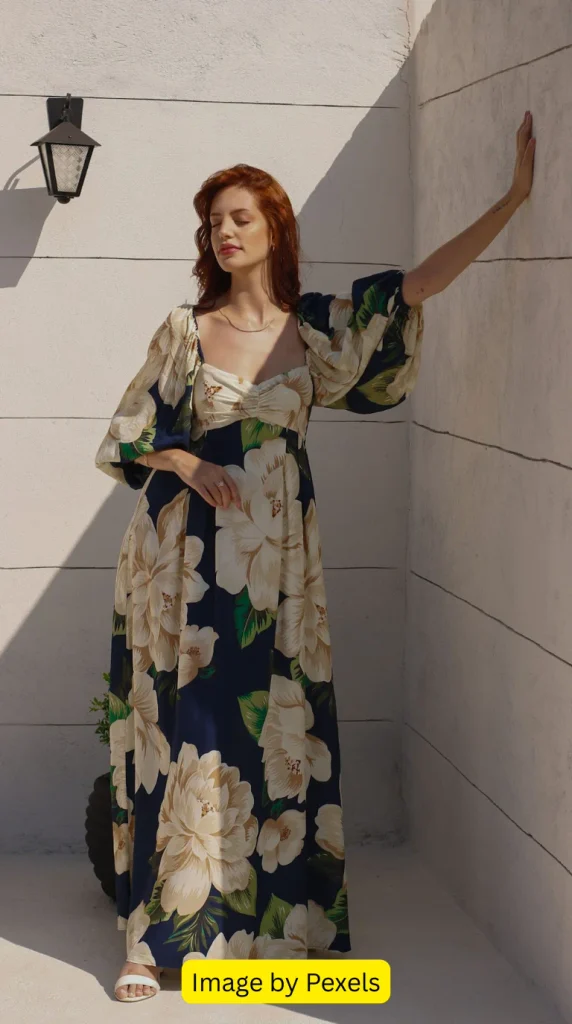
Florals naturally complement outdoor surroundings, but the style should still reflect the wedding’s dress code.
For a formal event, choose a refined floral print on chiffon, silk, satin, or another elevated fabric rather than a casual cotton sundress.
A long silhouette keeps the look polished while allowing the print to provide the personality.
Best for: Outdoor estates and sophisticated daytime weddings.
4. Tailored Crepe Dress
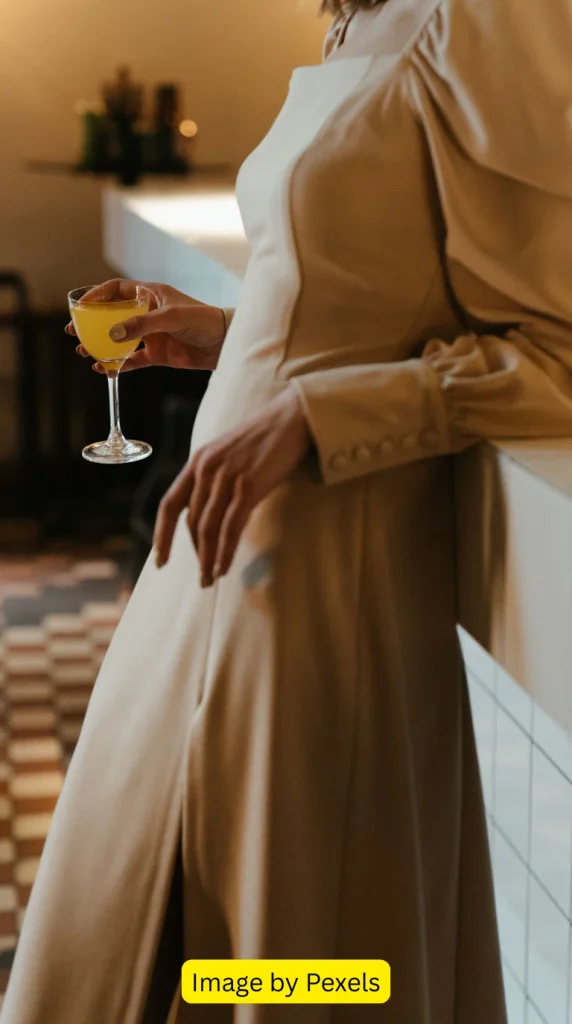
For guests who prefer clean lines, a tailored crepe dress offers an alternative to flowing silhouettes.
A midi or ankle-length design with a defined waist and simple neckline looks sophisticated without feeling overly elaborate.
Add a structured handbag and polished shoes for a contemporary appearance.
Best for: Rooftop weddings, modern venues, and city celebrations.
5. Soft Pastel Dress
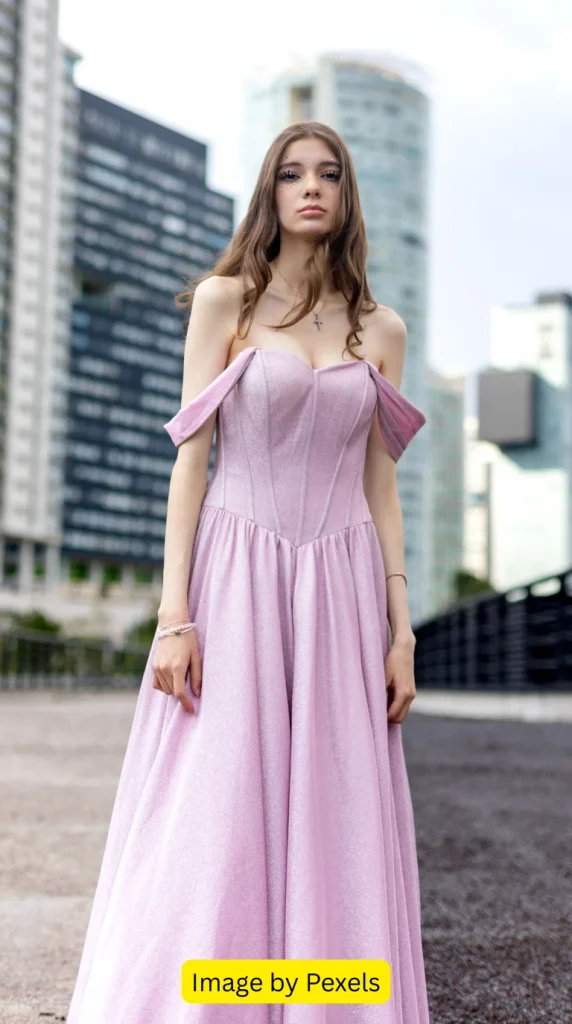
Pastel colors can create a beautiful outdoor wedding look, particularly during spring and daytime celebrations.
Blush, pale blue, lavender, pistachio, peach, and soft yellow all create a lighter seasonal palette.
Keep the silhouette sophisticated if the wedding is formal. A satin, chiffon, or crepe dress can prevent the pastel color from looking too casual.
Best for: Spring weddings and daytime ceremonies.
6. Jewel-Tone Outdoor Dress
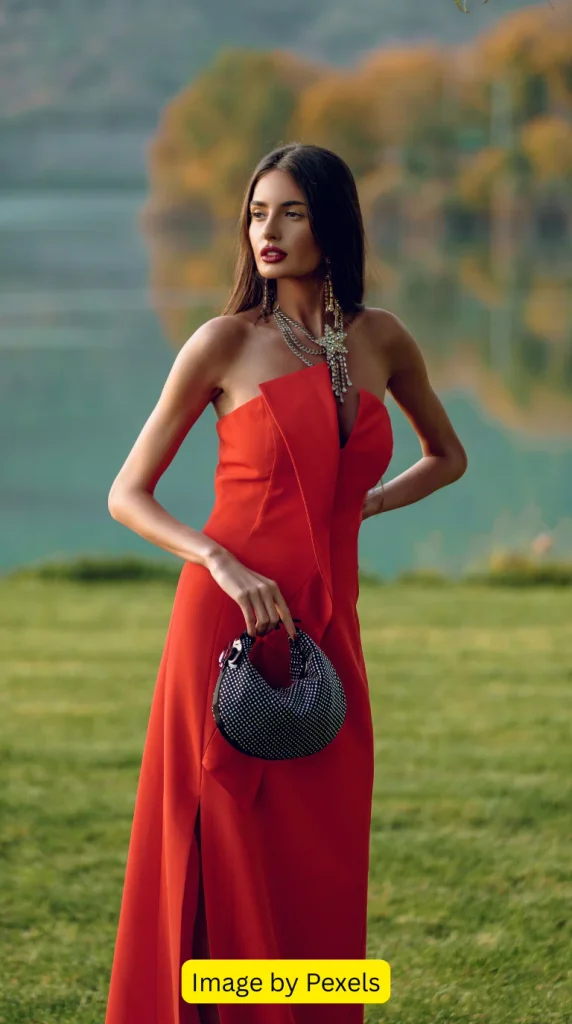
Outdoor weddings don’t have to mean pale colors.
Emerald, sapphire, deep teal, plum, and burgundy can create a striking appearance, especially for late-afternoon or evening celebrations.
A jewel-toned gown looks particularly elegant against natural greenery and outdoor architectural settings.
Best for: Fall weddings, evening receptions, and outdoor estates.
7. Tea-Length Classic
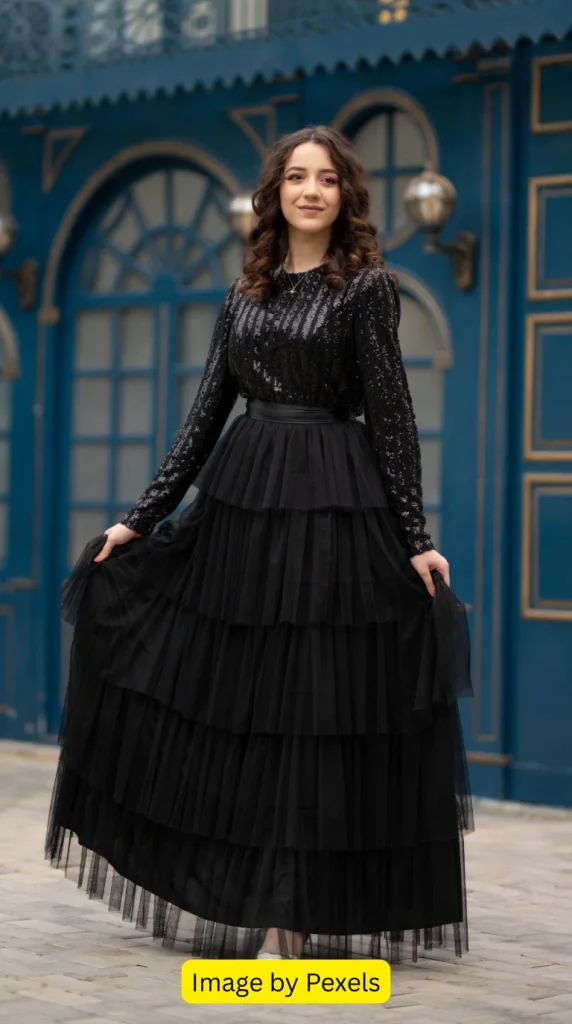
A tea-length dress offers an excellent compromise between formal style and outdoor practicality.
The hem stays comfortably above the ground while still creating a graceful, occasion-ready silhouette.
Choose a structured fabric such as satin, crepe, or jacquard and finish with classic pumps or low block heels.
Best for: Garden venues, lawns, and historic estates.
8. One-Shoulder Statement Dress

A one-shoulder silhouette adds interest without requiring elaborate embellishment.
For an outdoor wedding, choose a dress with a secure, comfortable fit so you can move freely throughout the event.
A long skirt balances the asymmetrical neckline and makes the look feel appropriate for more formal celebrations.
Best for: Evening outdoor weddings and contemporary venues.
9. Lightweight Long-Sleeve Dress
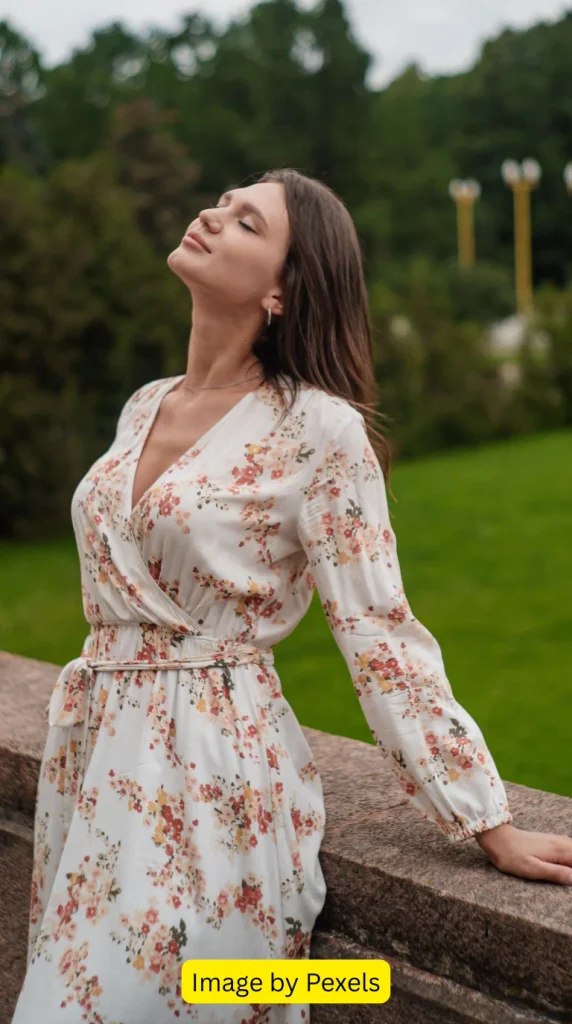
Long sleeves can be surprisingly useful for outdoor celebrations, especially when the ceremony begins in the afternoon and continues into a cooler evening.
Look for lightweight chiffon, crepe, or lace rather than heavy fabrics.
A jewel tone or sophisticated neutral can make the outfit feel elegant without appearing winter-specific.
Best for: Transitional seasons and evening receptions.
10. Draped Wrap Dress
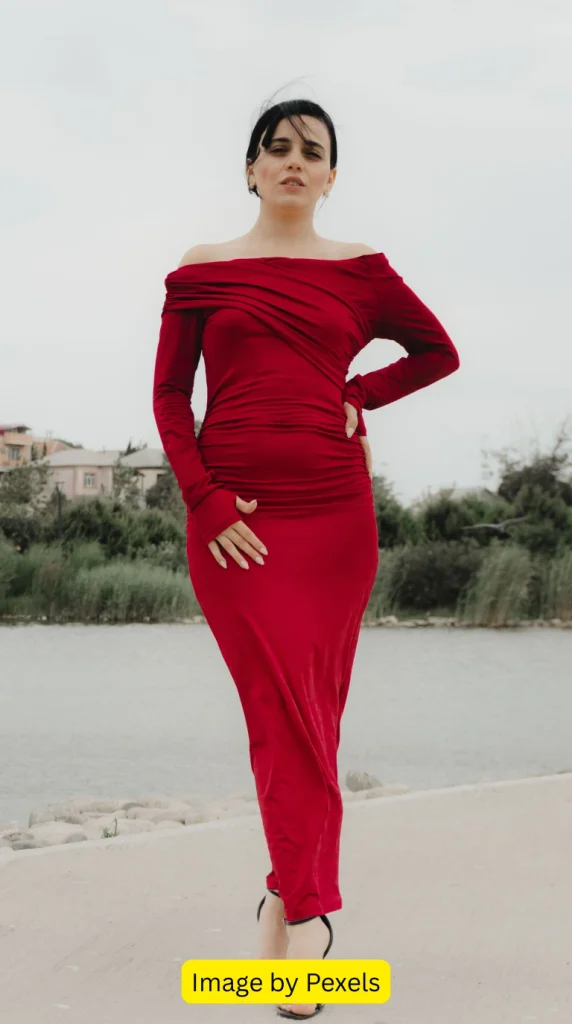
A wrap silhouette combines elegance with flexibility, making it a useful option for outdoor celebrations.
The adjustable waist creates definition while the flowing skirt allows comfortable movement. Choose a refined fabric rather than a casual jersey if the wedding is formal.
Add simple earrings and comfortable heels for an effortless finish.
Best for: Vineyards, countryside venues, and relaxed formal weddings.
11. Elegant Jumpsuit Alternative
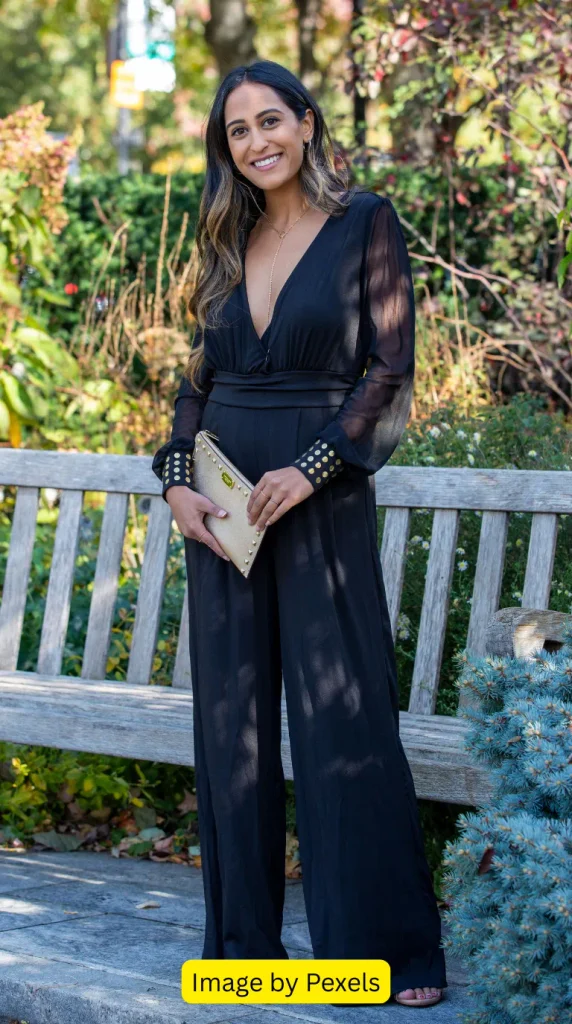
If dresses are not your preference, a formal jumpsuit can provide a sophisticated alternative.
Look for wide-leg trousers, a defined waist, elegant draping, and a fabric with enough structure to maintain a polished appearance.
A monochromatic jumpsuit can look especially refined when paired with statement earrings and formal heels.
Best for: Modern outdoor venues and fashion-forward celebrations.
12. Romantic Lace Midi
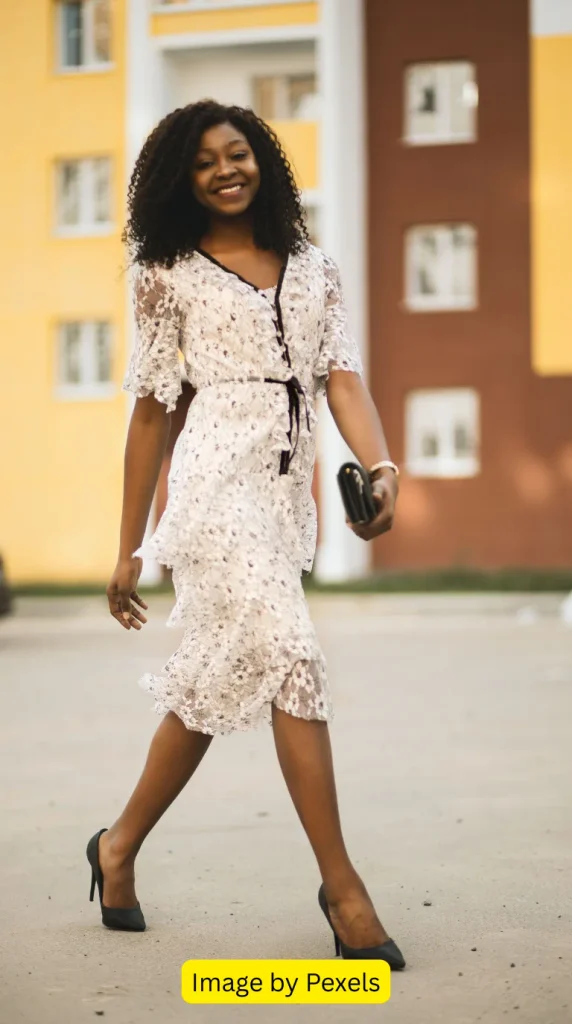
A lace midi dress adds texture while maintaining a refined silhouette.
For outdoor weddings, choose a dress with elegant lace detailing rather than an overly elaborate design. Soft blue, dusty rose, sage, navy, or muted neutral shades can work beautifully.
A block heel makes the outfit more practical for grass.
Best for: Garden-inspired venues and estate weddings.
13. Sleeveless Column Dress
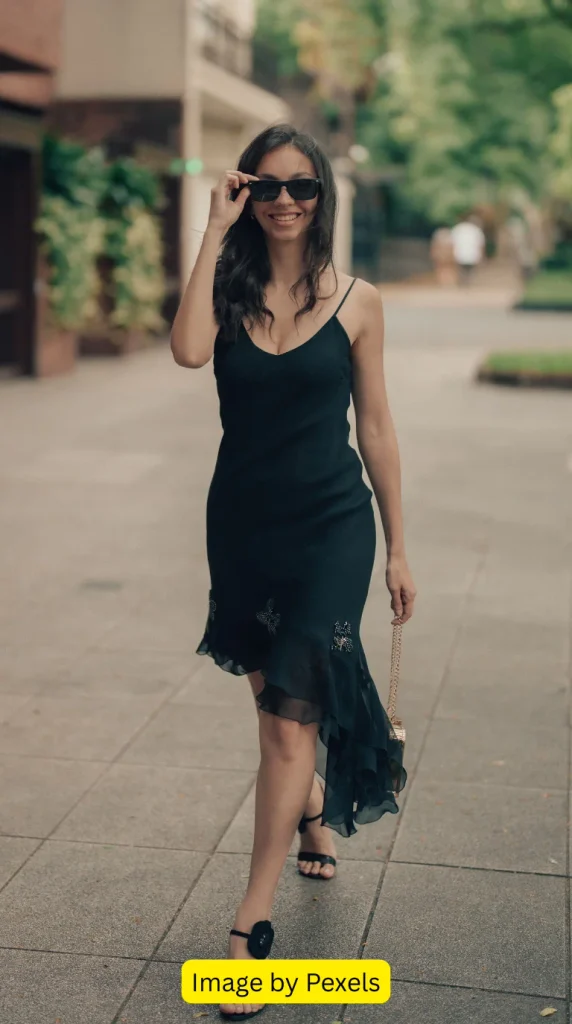
A sleeveless column silhouette is a strong option for warm-weather outdoor celebrations.
Its clean shape keeps the outfit sophisticated while the sleeveless design allows greater comfort in warm conditions.
Choose a breathable formal fabric and keep accessories streamlined.
Best for: Summer outdoor weddings and evening receptions.
14. Elegant Dress With Statement Sleeves
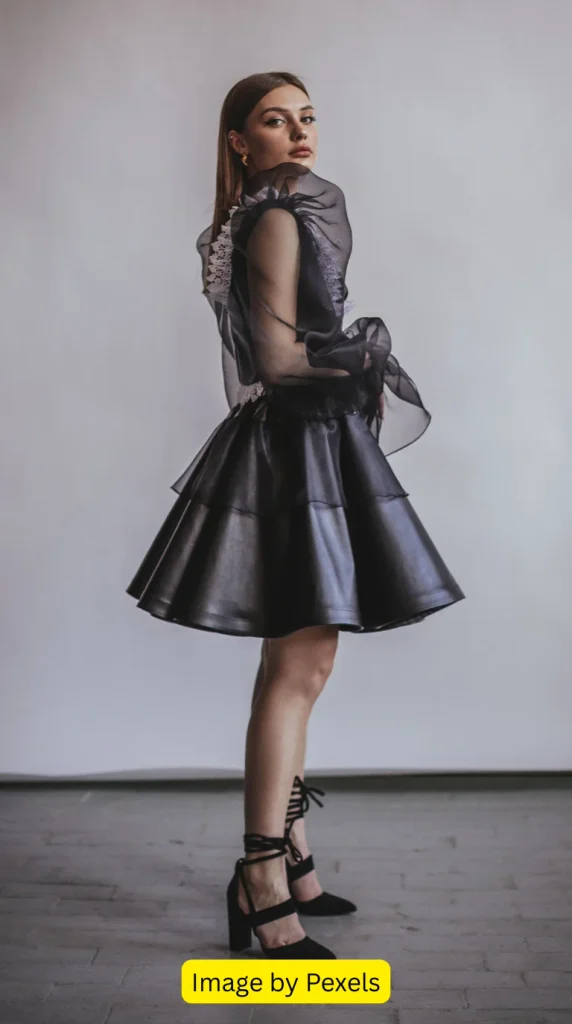
Statement sleeves can add personality without relying on a busy print.
Bishop sleeves, softly gathered sleeves, or elegant sheer sleeves work particularly well when the rest of the dress remains relatively simple.
Because the sleeves already create visual interest, keep the jewelry understated.
Best for: Spring and fall outdoor weddings.
15. Minimalist Slip Dress
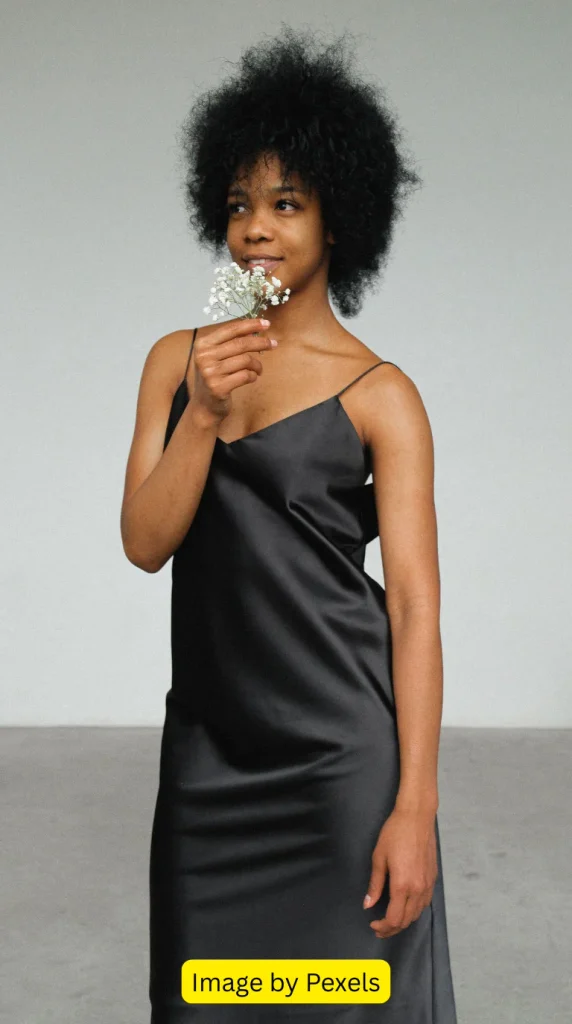
A minimalist slip dress can look exceptionally sophisticated when made from satin or silk and styled appropriately.
Choose a longer length and refined neckline for formal occasions. Add an elegant wrap or tailored jacket if the temperature is expected to fall later.
A compact evening bag and delicate jewelry complete the look.
Best for: Rooftop receptions, terraces, and modern outdoor venues.
16. High-Neck Formal Dress
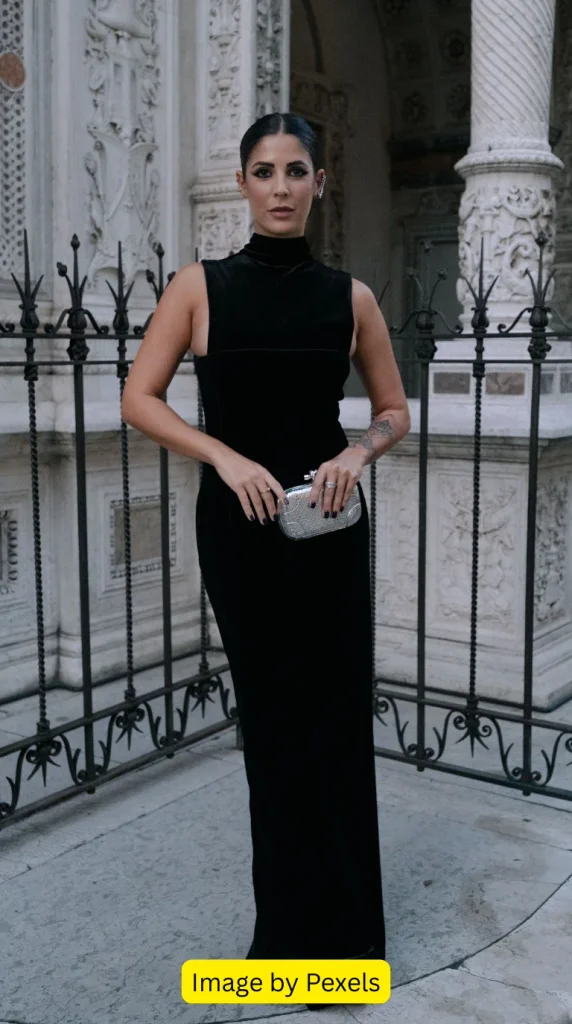
A high-neck silhouette provides more coverage while still looking elegant.
Choose lightweight fabric if the celebration takes place during warmer weather. For cooler seasons, crepe or velvet can add richness.
This style works particularly well when you want the dress itself to create a polished, sophisticated impression.
Best for: Estate weddings, fall celebrations, and formal outdoor receptions.
17. Belted Midi Dress
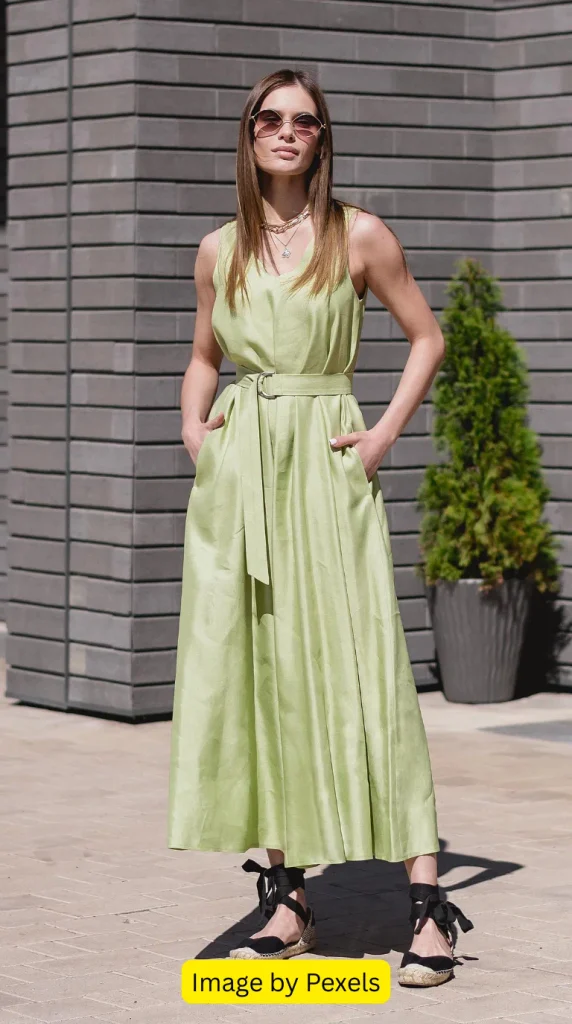
A belted midi creates a defined waist and gives a simple silhouette a more intentional appearance.
Choose a belt that complements rather than dramatically contrasts with the dress. A tonal belt often creates the most streamlined result.
This is also a practical length for venues where guests need to walk between different areas.
Best for: Countryside weddings, vineyards, and outdoor estates.
18. Elegant Chiffon Dress With Cape
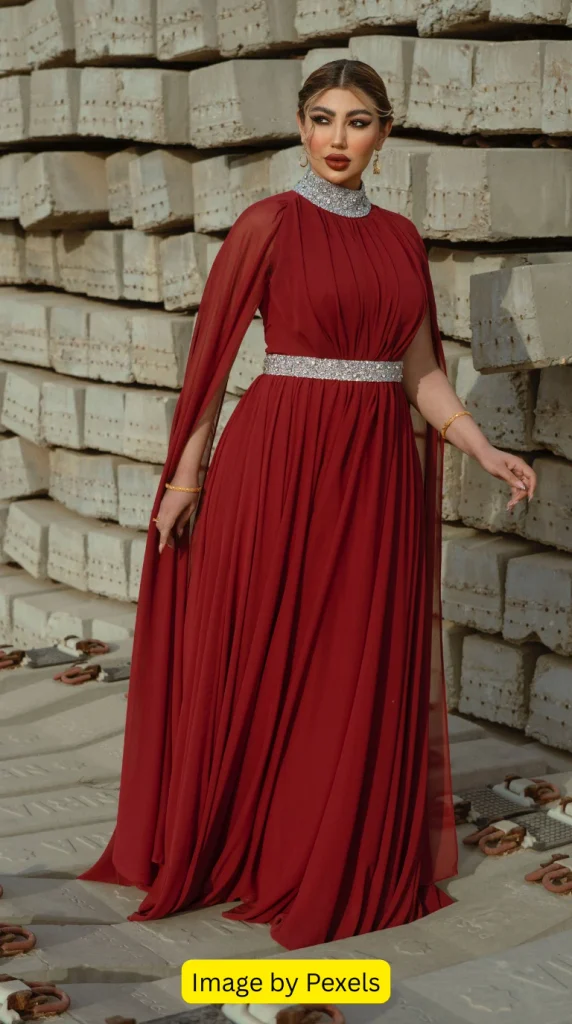
A cape detail can provide the drama of formalwear without relying on heavy embellishment.
A floor-length chiffon dress with a flowing cape creates movement as you walk and can provide a little extra coverage when temperatures cool.
Keep the accessories simple so the cape remains the focal point.
Best for: Formal outdoor evening weddings.
19. Sophisticated Monochrome Look
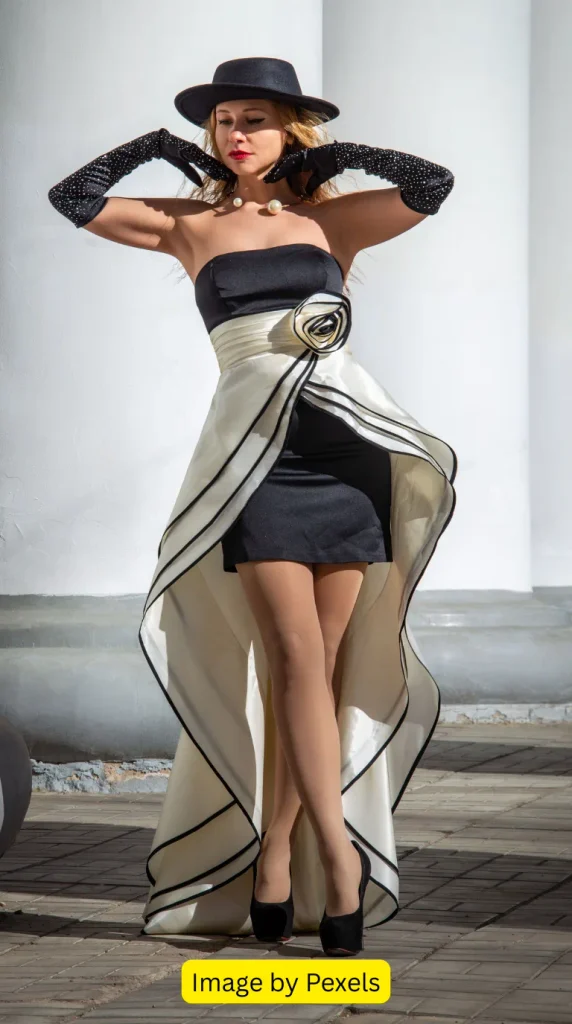
A monochromatic outfit uses one main color family throughout the dress and accessories.
A navy dress with matching or tonal shoes, for example, creates a clean visual line. The same approach works with burgundy, emerald, taupe, dusty rose, or other sophisticated shades.
This is a particularly useful choice when you want an elegant look without relying on prints.
Best for: Modern venues and upscale outdoor receptions.
20. Lightweight Formal Gown
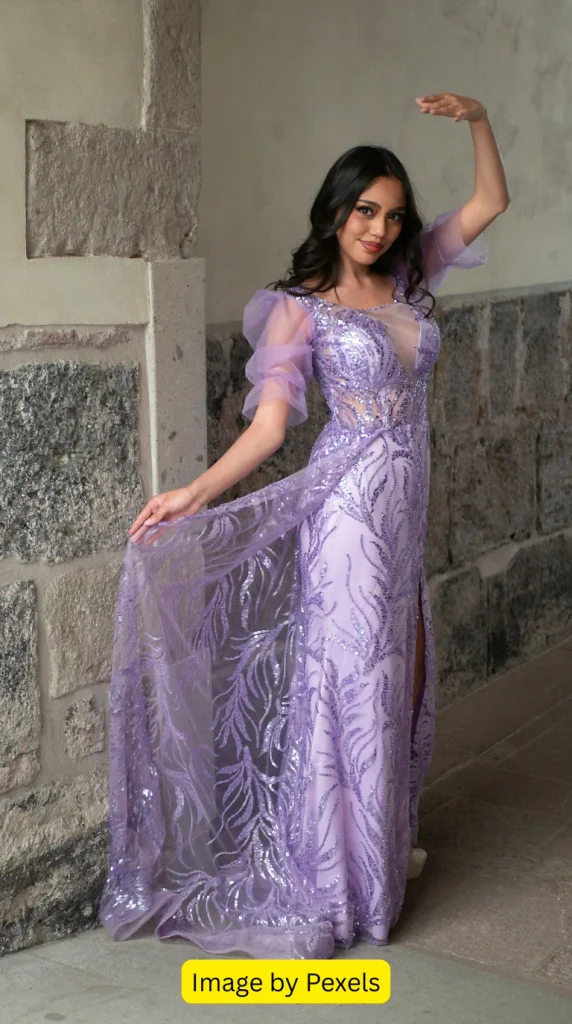
If the invitation calls for formal attire, you do not have to abandon the idea of a gown simply because the wedding is outdoors.
Choose a lightweight floor-length design rather than a heavy, heavily embellished dress.
Chiffon, lightweight crepe, silk, and certain satin constructions can provide formal elegance while remaining easier to wear outdoors.
Best for: Formal estate weddings and evening celebrations.
21. Elegant Dress With Evening Wrap

A beautiful outdoor outfit can become much more versatile with the addition of a lightweight wrap.
Start with a simple formal dress in satin, crepe, or chiffon, then add a coordinated shawl or wrap for the evening.
This allows you to dress appropriately for changing temperatures without sacrificing the overall appearance of the outfit.
Best for: Outdoor weddings that continue from afternoon into evening.
Outdoor Wedding Dresses by Venue
The venue can tell you almost as much as the invitation about what to wear.
| Outdoor venue | Dress direction | Footwear to consider |
|---|---|---|
| Garden | Floral, chiffon, lace, or romantic midi | Block heels |
| Vineyard | Satin, wrap, or sophisticated midi | Block heels or wedges |
| Outdoor estate | Formal maxi or elegant gown | Block heels |
| Rooftop | Satin, crepe, or minimalist dress | Pumps or dressy sandals |
| Countryside | Flowing midi or maxi | Wedges or block heels |
| Lawn | Tea-length or flowing midi | Block heels |
| Beach | Lightweight, breathable formalwear | Flat sandals or stable dressy footwear |
| Outdoor patio | Satin midi or formal maxi | Pumps or sandals |
| Mountain venue | Long sleeves, layers, or heavier formal fabrics | Stable low heels |
How to Choose the Right Fabric
Outdoor weddings can expose you to conditions that indoor celebrations do not, so fabric deserves extra attention.
Chiffon
Chiffon is lightweight and creates beautiful movement. It can be particularly useful for warm-weather weddings and dresses with flowing silhouettes.
Crepe
Crepe offers more structure while remaining relatively sleek. It is a good option when you want a tailored appearance.
Satin
Satin provides a polished finish and works particularly well for evening weddings. Be aware that some satin garments can show wrinkles or cling, so fit and fabric weight matter.
Silk
Silk offers natural drape and a luxurious appearance. It works especially well for elegant outdoor receptions when the design is practical for the weather.
Lace
Lace adds texture and romance. Lightweight lace can work across multiple seasons, especially when paired with a simple silhouette.
Velvet
Velvet is best reserved for cooler-weather celebrations because of its weight and warmth. A velvet dress can be beautiful for an outdoor fall or winter wedding.
What Shoes Should You Wear to an Outdoor Wedding?
Footwear is one of the biggest practical differences between indoor and outdoor weddings.
Thin stiletto heels can sink into grass, become uncomfortable on gravel, or make walking across uneven surfaces difficult.
Better choices may include:
- Block heels
- Wedges
- Low heels
- Dressy flats
- Stable sandals
- Pointed pumps on paved surfaces
If the wedding takes place on grass, a wider heel generally provides more stability than a very narrow heel.
For beach celebrations, footwear needs to account for sand rather than simply matching the dress.
How to Dress for Changing Outdoor Weather
Outdoor temperatures can change significantly throughout the day.
For a daytime wedding that extends into the evening, consider bringing:
- A lightweight shawl
- Elegant wrap
- Cropped formal jacket
- Tailored blazer
- Lightweight cardigan when appropriate
- Dressy cape
The outer layer should complement the dress rather than look like an afterthought.
A simple satin dress, for example, can look completely different when paired with a tailored evening jacket or refined wrap.
Outdoor Wedding Dress Code Guide
The venue does not automatically determine the dress code.
Always check the invitation first.
| Dress code | Outdoor approach |
|---|---|
| Casual | Polished midi, sundress, or elevated daytime dress |
| Cocktail | Refined midi, tailored dress, or dressy jumpsuit |
| Formal | Long dress or sophisticated formal midi |
| Black tie | Floor-length gown or highly formal evening dress |
| Black tie optional | Formal gown or sophisticated evening dress |
An outdoor venue may be informal in appearance while still having a formal dress code.
Conversely, a beautiful estate wedding may be intentionally relaxed.
Dress for the stated dress code first, then adapt the details to the environment.
How to Handle Wind at an Outdoor Wedding
Wind can change how a dress behaves, particularly with lightweight fabrics.
Before choosing an outfit, consider whether the skirt is likely to become difficult to manage.
Useful choices include:
- Dresses with a secure bodice
- Slightly heavier formal fabrics
- Midi lengths
- Controlled pleating
- Structured skirts
- Well-fitted silhouettes
Very lightweight, loose skirts may require more attention in windy conditions.
A dress that looks beautiful in a still photograph should also be comfortable to wear while walking outdoors.
How to Dress for Grass and Uneven Ground
Grass changes the practicality of certain silhouettes and shoes.
If the ceremony takes place on a lawn, consider a hemline that will not constantly drag through the grass.
Midi, tea-length, ankle-length, and carefully fitted maxi dresses can all work depending on the dress code.
For footwear, block heels and wedges are generally easier to manage than narrow heels on soft ground.
If the venue includes both grass and hard surfaces, choosing a versatile shoe can make moving between locations much easier.
Daytime vs Evening Outdoor Weddings
Daytime
Daytime celebrations generally work well with:
- Lighter colors
- Breathable fabrics
- Refined floral patterns
- Midi and maxi silhouettes
- Subtle accessories
Evening
Evening celebrations allow richer styling:
- Jewel tones
- Darker florals
- Satin and silk
- Elegant metallic accessories
- Floor-length silhouettes
- More dramatic jewelry
The same basic silhouette can therefore look completely different depending on color, fabric, and accessories.
Outdoor Wedding Accessories
Accessories should enhance the dress without making the outfit harder to manage outdoors.
Consider:
- A compact clutch
- Small or medium evening bag
- Delicate earrings
- A refined bracelet
- Sunglasses for appropriate daytime settings
- Lightweight wrap
- Hair accessories that stay secure in wind
Avoid bringing oversized bags unless the venue specifically calls for practical luggage or storage.
For daytime outdoor celebrations, accessories can be slightly lighter and more relaxed. For evening events, metallic finishes and refined jewelry can increase the formality.
Outdoor Wedding Guest Dress Mistakes to Avoid
Ignoring the Terrain
A beautiful outfit can become frustrating when the shoes and hemline are completely unsuitable for the venue.
Dressing Only for the Weather at the Start
An afternoon ceremony may become a cool evening reception. Plan for the entire event.
Choosing a Dress That Restricts Movement
Outdoor weddings often involve more walking than indoor events. Make sure you can comfortably sit, walk, and dance.
Wearing the Wrong Heel
Very narrow heels are difficult on grass and some uneven surfaces.
Forgetting the Dress Code
“Outdoor” does not mean “casual.” Follow the invitation before adapting your outfit to the venue.
Choosing Extremely Lightweight Fabric in Wind
A dress that moves beautifully in a photograph may become difficult to manage in strong wind.
Overloading the Outfit With Accessories
Outdoor surroundings already provide visual interest. Let the dress remain the main feature.
Quick Outdoor Wedding Outfit Planner
| Your situation | A smart starting point |
|---|---|
| Hot daytime wedding | Lightweight chiffon or breathable formal fabric |
| Cool evening | Long sleeves or an elegant wrap |
| Grass venue | Midi/maxi + block heels |
| Gravel venue | Stable low heels or elegant flats |
| Formal outdoor wedding | Floor-length gown in an elevated fabric |
| Casual outdoor wedding | Polished midi or elevated daytime dress |
| Windy venue | Secure, structured silhouette |
| Long ceremony and reception | Comfortable fabric and supportive footwear |
| Sunset celebration | Satin, silk, jewel tones, or refined florals |
| Mixed indoor/outdoor venue | Versatile dress + lightweight layer |
How to Build the Complete Outfit
Once you’ve chosen the dress, build the rest of the look around it.
Step 1: Check the dress code.
This determines the overall level of formality.
Step 2: Study the venue.
Look at the ground, weather, and distance between ceremony and reception areas.
Step 3: Choose the silhouette.
Decide whether a midi, maxi, tea-length, or floor-length dress makes the most sense.
Step 4: Select practical footwear.
Choose shoes that allow you to move comfortably across the venue.
Step 5: Add a layer if needed.
A wrap or lightweight jacket can make an outfit much more versatile.
Step 6: Finish with restrained accessories.
Choose jewelry and a handbag that complement the dress rather than compete with it.
Final Thoughts
The best outdoor wedding guest dresses combine elegance, comfort, and practicality.
Instead of choosing a dress based only on how it looks in a photograph, consider how it will perform throughout the actual celebration. Think about the venue, terrain, weather, dress code, time of day, footwear, and whether you’ll need an additional layer.
A flowing chiffon maxi can be beautiful for a garden ceremony, a satin midi can suit an upscale vineyard, a structured crepe dress can work beautifully at a modern rooftop venue, and a lightweight formal gown can provide the right level of sophistication for an outdoor black-tie celebration.
The goal isn’t simply to find a pretty dress. It’s to find one that lets you look polished, move comfortably, and enjoy the wedding from the first photograph to the final dance.