
Wedding dress codes can feel surprisingly confusing, especially when invitations use terms like “formal,” “black tie,” or “black tie optional.” Many women worry about showing up overdressed, underdressed, or simply wearing the wrong type of outfit altogether. In my experience, this confusion usually comes from the fact that both dress codes sound elegant and upscale, yet they actually create very different expectations when it comes to fabrics, silhouettes, accessories, and overall styling.
Understanding the difference between Black Tie vs Formal Wedding Attire helps you feel more confident before the event even begins. It also makes shopping easier because you know exactly what level of sophistication the wedding expects. Whether the ceremony takes place in a luxury ballroom, an outdoor garden venue, or an upscale evening reception, learning these dress code differences helps you create a polished look that feels appropriate, stylish, and effortless.
Black Tie Elegance
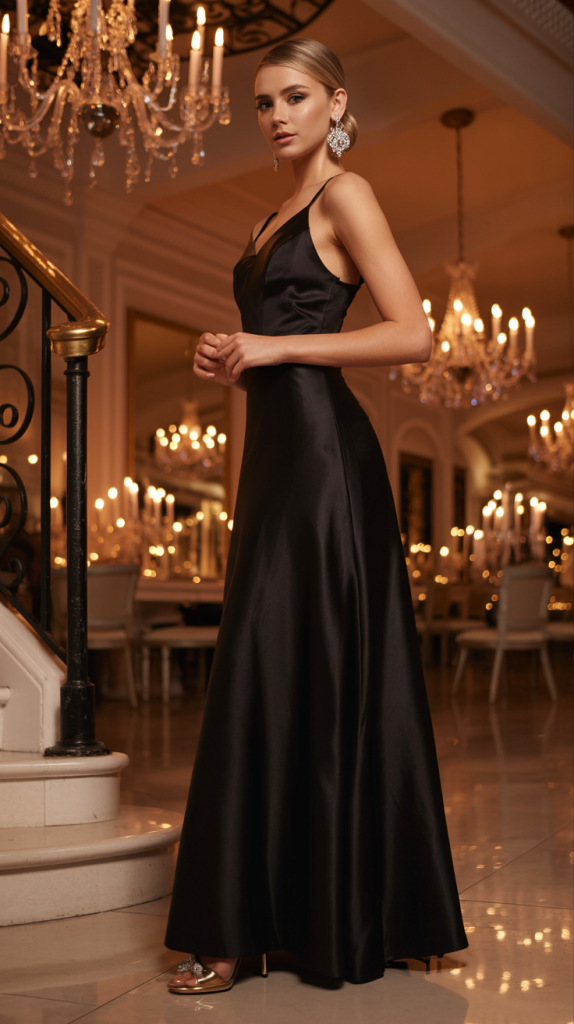
Black tie weddings are considered one of the most formal wedding dress codes, especially for evening celebrations held at upscale venues. For women, this usually means wearing a full-length gown made from elevated fabrics like satin, velvet, chiffon, silk, or crepe. The overall look should feel refined, intentional, and polished from head to toe. Accessories also play an important role because elegant jewelry, structured clutches, and sophisticated heels help complete the outfit without making it feel overly casual.
I’ve noticed that many women feel nervous about looking “too dressed up,” but black tie events are actually the perfect opportunity to embrace glamour confidently. Long gowns photograph beautifully under evening lighting, especially in luxury venues with candlelit receptions or formal décor. Many stylists recommend choosing timeless silhouettes instead of ultra-trendy pieces because classic styles tend to feel more elegant and appropriate for formal weddings. A black tie dress code is ultimately about elevated sophistication rather than dramatic fashion experimentation.
Formal Wedding Styling
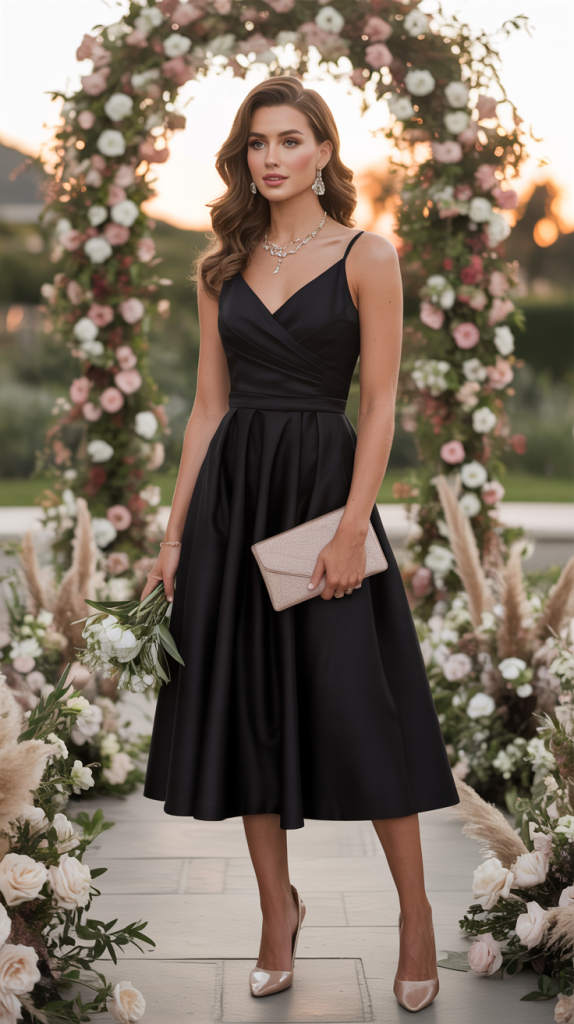
Formal wedding attire still looks elegant and polished, but it offers noticeably more flexibility than black tie events. Women attending formal weddings can usually wear floor-length dresses, midi dresses, chic evening gowns, or sophisticated cocktail-style outfits depending on the venue and time of day. The fabrics can still feel luxurious, but the styling often appears slightly more relaxed and less ceremonial than true black tie attire.
One thing I’ve seen work especially well for formal weddings is balancing elegance with comfort. Many women choose flowing midi dresses or sleek satin gowns that feel refined without appearing overly dramatic. Formal dress codes also leave more room for personality through color choices, accessories, and shoe styles. Unlike strict black tie weddings, formal weddings often allow softer styling details, playful textures, or slightly less structured silhouettes while still maintaining an elevated appearance appropriate for the celebration.
Key Dress Code Differences
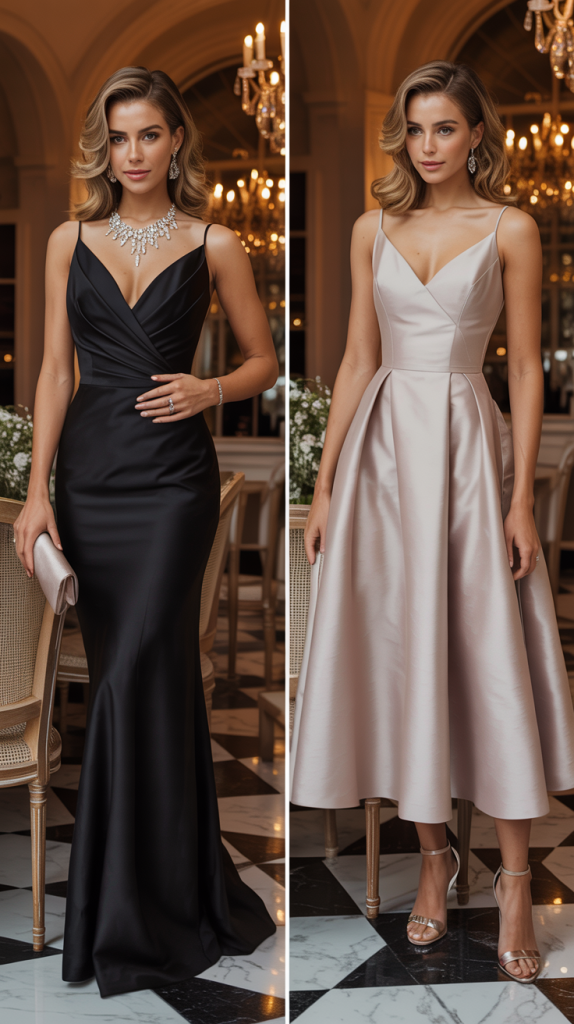
The biggest difference between Black Tie vs Formal Wedding Attire usually comes down to formality level, structure, and styling expectations. Black tie weddings almost always lean toward floor-length evening gowns with elevated accessories and luxurious fabrics. Formal weddings, however, provide more freedom, allowing dresses that feel elegant without necessarily reaching the same dramatic level of sophistication.
Another important difference is the atmosphere surrounding the event itself. Black tie weddings tend to feel grander and more upscale, often hosted in luxury hotels, ballrooms, or evening venues with highly polished décor. Formal weddings can still feel luxurious, but they may include outdoor venues, garden receptions, or semi-traditional celebrations where guests have slightly more flexibility in outfit choices. In my experience, understanding the venue often helps decode the dress code faster than the wording alone because the location usually reflects the overall styling expectations.
Floor Length Expectations
Image Prompt
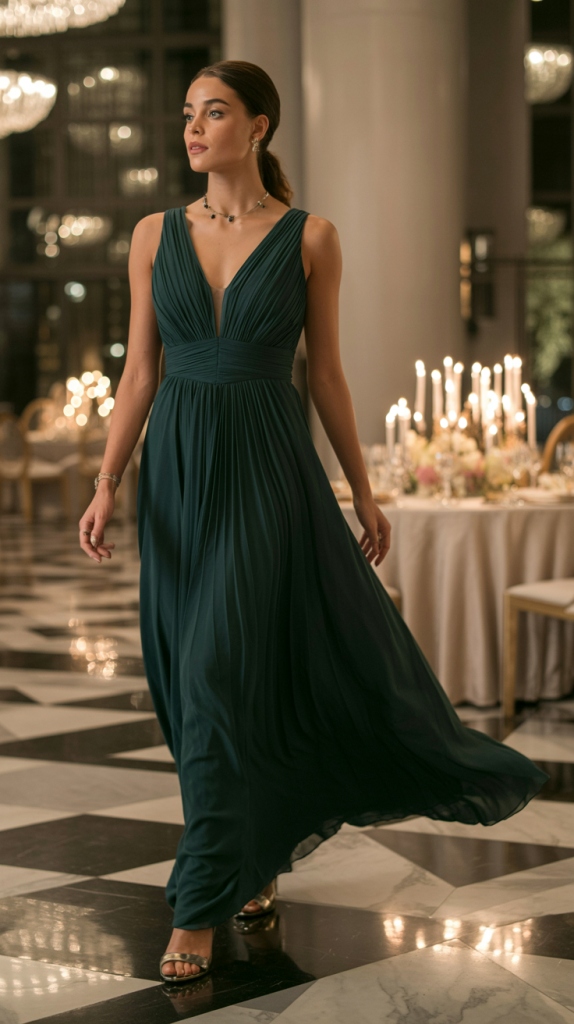
One of the clearest indicators of a black tie wedding is the expectation of floor-length dresses. While some modern weddings may allow extremely elevated midi gowns, traditional black tie styling still strongly favors full-length silhouettes because they instantly create a more formal and luxurious appearance. Long gowns naturally feel more sophisticated, especially for evening weddings where dramatic lighting and upscale décor enhance the overall atmosphere.
Formal weddings, on the other hand, offer more flexibility regarding hem length. Midi dresses, tea-length silhouettes, and elegant ankle-length gowns can all work beautifully depending on the venue and styling details. I’ve noticed that many women feel more comfortable in midi dresses for formal weddings because they allow easier movement while still looking refined. The key is ensuring the overall outfit still feels polished through quality fabrics, elegant shoes, and thoughtfully coordinated accessories rather than casual daytime styling.
Fabric and Texture Choices
Image Prompt
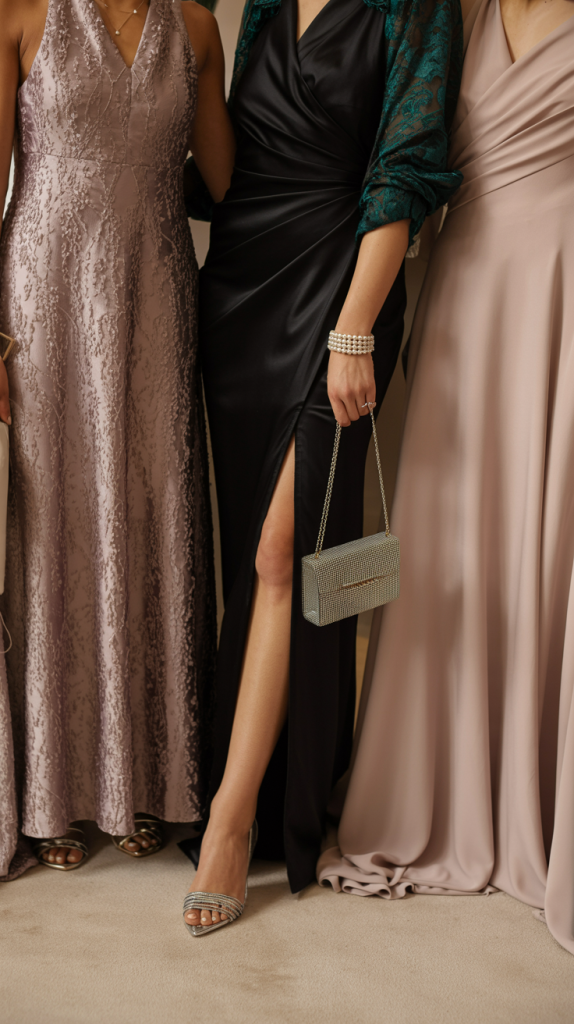
Fabric choice plays a huge role in determining whether an outfit feels black tie or simply formal. Black tie weddings usually call for elevated materials like silk, satin, velvet, crepe, or heavily draped chiffon because these fabrics naturally create a richer and more luxurious appearance. Structured fabrics also photograph beautifully under evening lighting, which is one reason they remain popular for upscale wedding receptions.
Formal wedding attire still embraces elegant fabrics, but the range becomes much broader and slightly more relaxed. Lightweight satin, lace, soft chiffon, and minimalist crepe styles often work perfectly for formal events without feeling overly glamorous. In my experience, fabric texture can instantly elevate even a simple silhouette. That’s why many stylists recommend focusing less on excessive embellishment and more on quality materials that drape beautifully and move naturally throughout the event.
Accessories and Jewelry
Image Prompt

Accessories help define the difference between black tie and formal wedding attire more than many people realize. Black tie styling typically includes elevated evening accessories like metallic heels, crystal earrings, sleek clutches, and refined statement jewelry. The goal is creating a cohesive, polished appearance that complements the sophistication of the gown without overwhelming it.
Formal wedding attire allows slightly softer accessory styling. Women often pair formal dresses with minimal jewelry, neutral heels, textured handbags, or understated beauty looks that still feel elegant but less dramatic. I’ve seen this work especially well for daytime weddings where natural lighting and outdoor venues create a more relaxed atmosphere. Choosing accessories that match the overall mood of the event often matters more than simply adding expensive pieces because balance creates a far more polished final look.
Seasonal Wedding Considerations
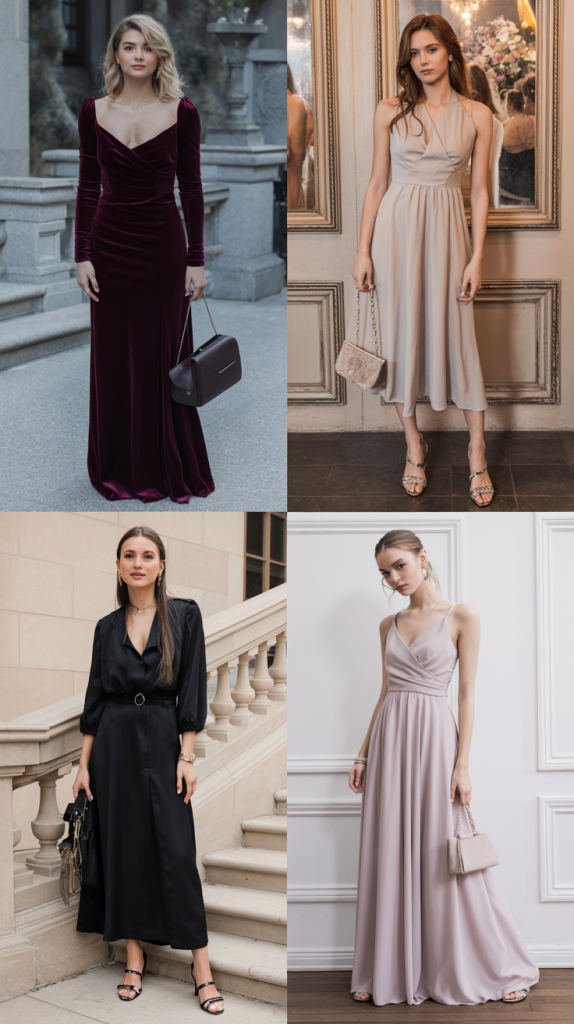
Season and weather can strongly influence how women approach both black tie and formal wedding attire. Winter black tie weddings often feature richer fabrics like velvet, long sleeves, darker jewel tones, and dramatic evening styling. Summer black tie events, however, may lean toward breathable satin, elegant chiffon, or lightweight silk gowns that still maintain sophistication without feeling heavy or uncomfortable.
Formal weddings generally adapt more easily to seasonal flexibility because the dress code already allows broader styling options. Outdoor summer weddings may include floral formal dresses, softer color palettes, or more relaxed fabrics that would feel too casual for strict black tie events. I’ve noticed that many women feel more confident when they dress appropriately for both the dress code and the season because comfort naturally improves posture, movement, and overall confidence throughout the celebration.
Common Outfit Mistakes
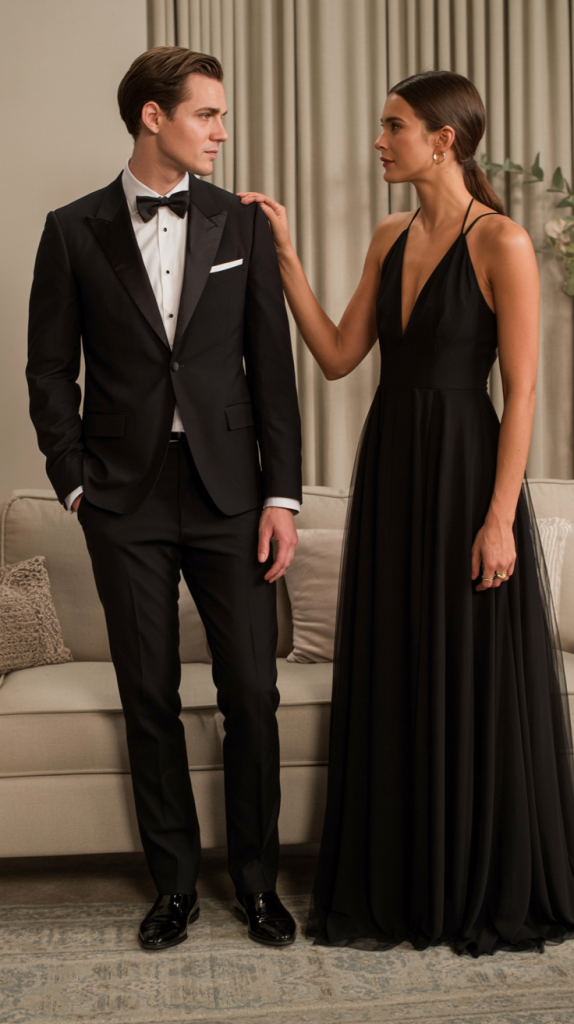
One of the most common mistakes women make with black tie weddings is underestimating how formal the event actually is. Short casual dresses, daytime floral prints, overly simple fabrics, or basic sandals can quickly feel underdressed in upscale evening settings. In my experience, many guests accidentally style black tie weddings closer to cocktail attire because the differences seem subtle online but become obvious once they arrive at the venue.
Formal weddings create slightly more flexibility, but casual styling mistakes can still happen easily. Dresses that feel too short, overly revealing, wrinkled, or daytime-focused may not match the polished atmosphere expected at formal celebrations. Many stylists recommend focusing on elevated details like fabric quality, elegant tailoring, and refined accessories rather than chasing trends. A thoughtfully styled outfit almost always looks more expensive, sophisticated, and wedding-appropriate than a trendy look lacking structure or elegance.
Choosing the Right Look
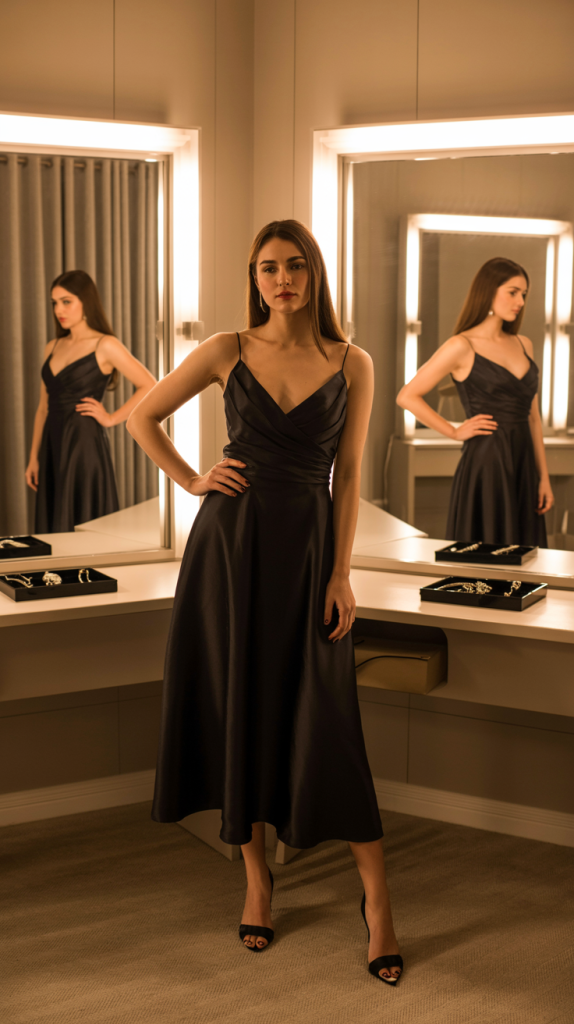
Choosing between black tie and formal wedding attire becomes much easier once you understand the level of elegance expected for each event. Black tie weddings usually call for dramatic sophistication, while formal weddings balance elegance with slightly more styling flexibility. Looking closely at the invitation wording, venue, wedding time, and overall aesthetic often provides helpful clues about how elevated your outfit should feel.
I’ve found that the best wedding guest outfits always combine elegance with confidence and comfort. Women who feel comfortable in their dresses naturally appear more polished and relaxed throughout the celebration. Whether you choose a dramatic floor-length gown for a black tie reception or a sophisticated midi dress for a formal wedding, the goal is creating an outfit that feels intentional, refined, and appropriate for the occasion. Understanding these dress code differences helps remove uncertainty so you can focus on enjoying the wedding experience itself.